Anthony the Great
251–356, Egypt
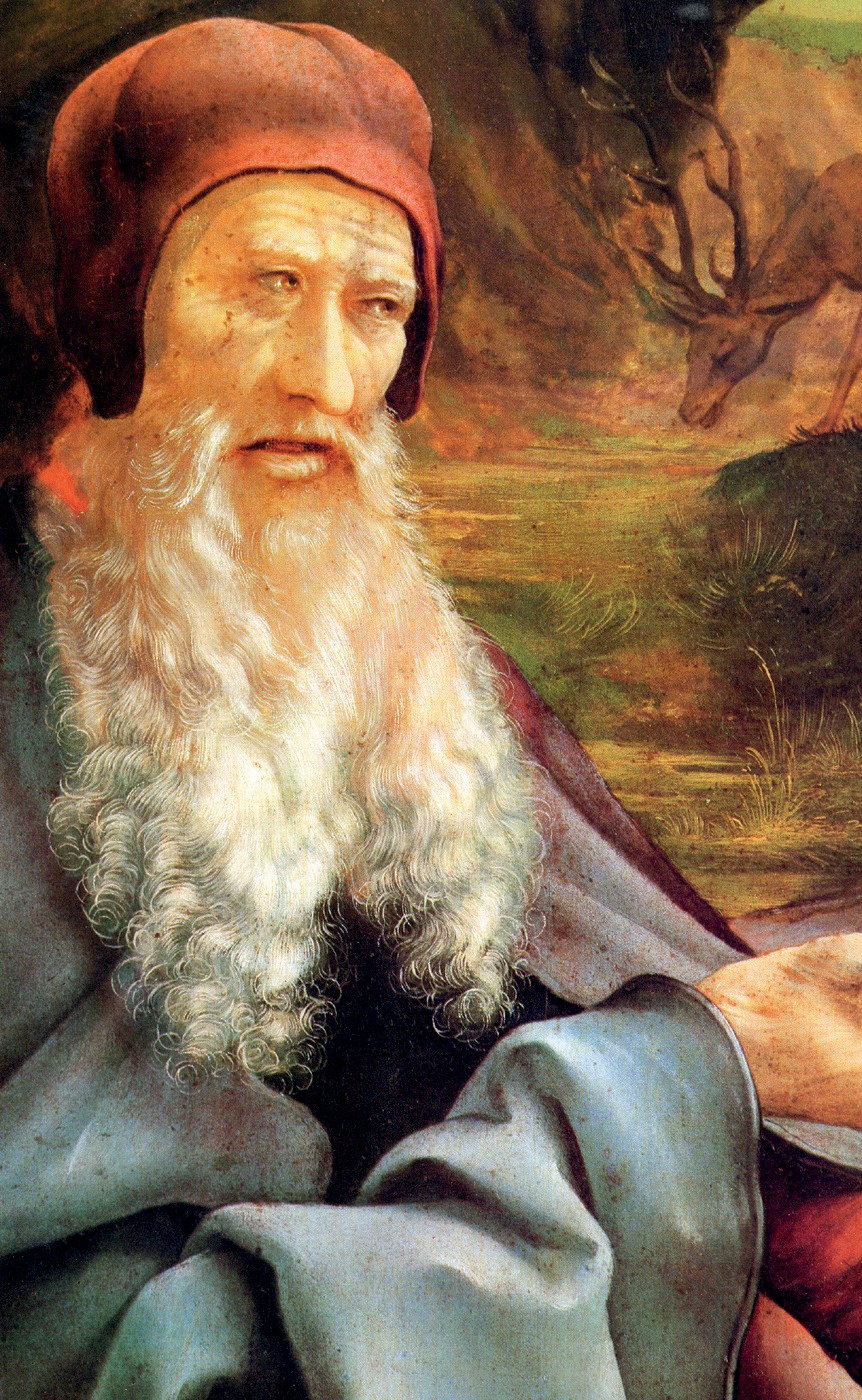
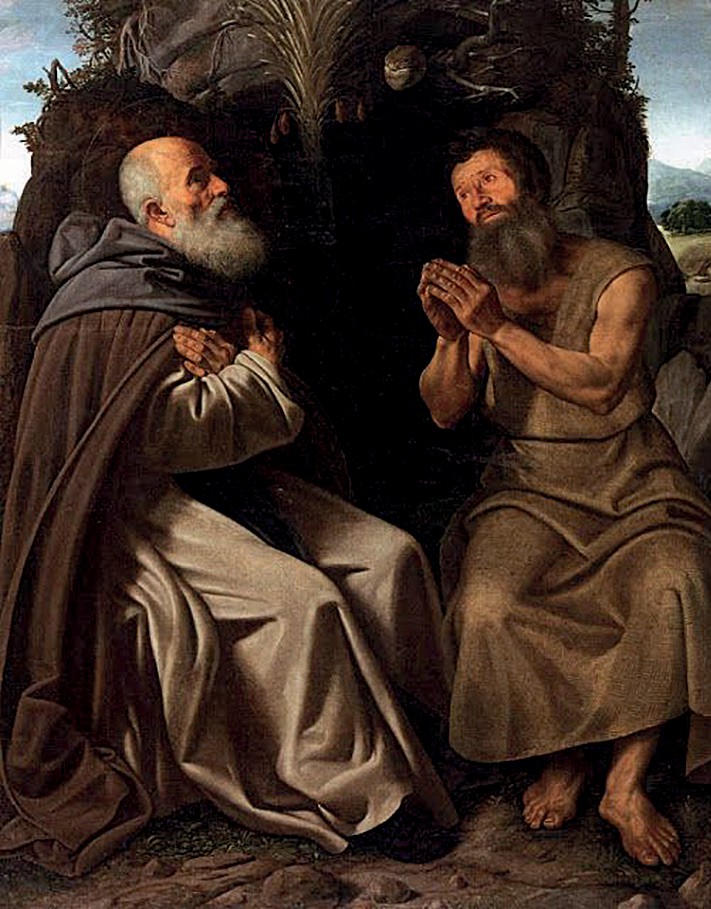
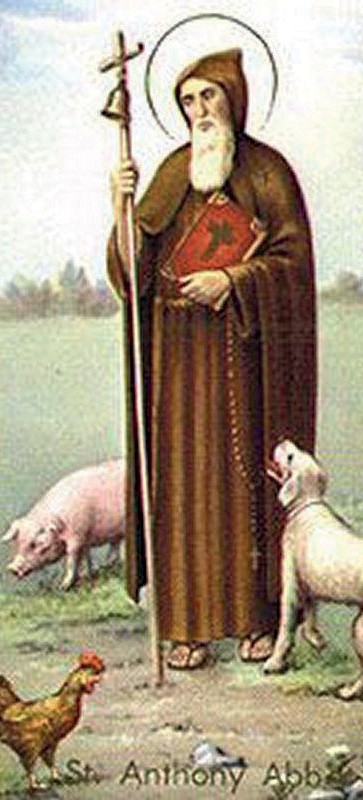
Anthony the Great, who is also known as “The Father of All Monks”, was one of the individuals responsible for starting the movement of Christian hermit monasticism. He was born in a small village in Middle Egypt around the year 251 A.D. Athanasius of Alexandria wrote a beautiful biography of his life shortly after his death, while Saint Jerome wrote of his encounter with Anthony the Great at an elderly age in his tale of St. Paul of Thebes’ life. The Christian Church felt Anthony’s work to be so important that they bestowed upon him the title of Great. Although Anthony didn’t attend school and he lived a secluded life, his miraculous and authentic life started a veritable fever of conversion amongst people and his popularity has never diminished over the centuries. He aroused the longing of people to live the life of a hermit. His complexion bore the light of the spiritual experiences which shaped him internally. He was born in a rich, noble, Christian family. His parents died early and thus Anthony was left to his own devices at an early age with his sister, whom he raised himself. Due to a quote from the New Testament he heard at a church, he first parted with his unnecessary fortune at twenty years of age and then gradually gave away his less unnecessary possessions as well. According to the customs at the time, he began living as a hermit near his village and was taught by the local hermits.
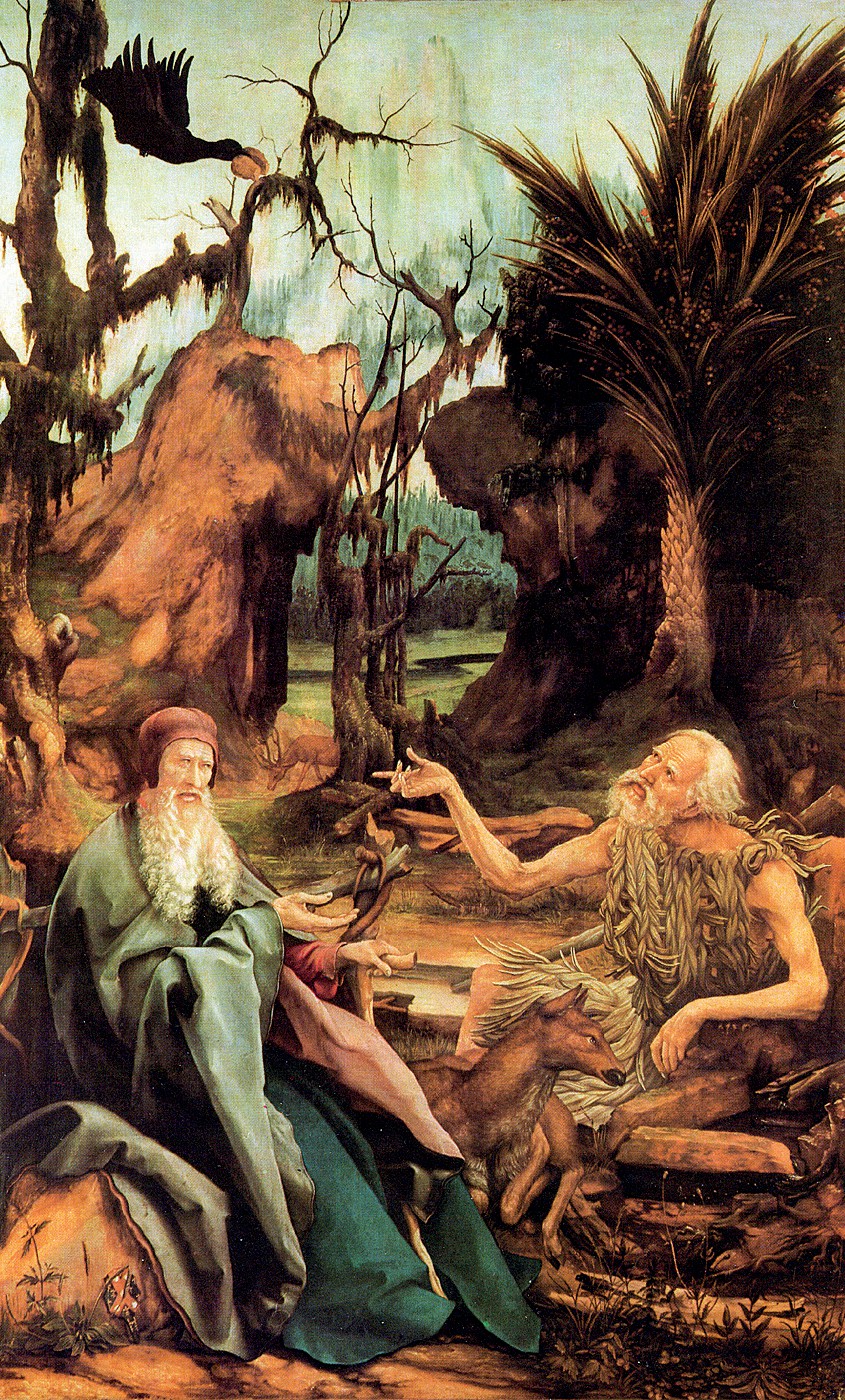
He faced countless temptations on the various stages of the “dark night” on his road to purification. According to the passages, he was almost constantly besieged by evil beings and he tried hardening himself by approaching the evil around him. He was attracted to graves and deserted places where he fought his great battles. He experienced one of his greatest trials in a tomb, where the demonic creatures tortured him so badly that they practically flogged him to death by the morning. Others wanted to bury him, but he regained consciousness the next night and asked to be taken back to the tomb. He was hardened through such battles and these experiences made him a great master of exorcism: since he had a great knowledge of negative forces he became skilled in purging such influences. After the trials in the graveyards, he lived for twenty years in a deserted, ruinous location the desert. The site was crawling with insects, bugs and lowly beings at the time of his arrival, however, the snakes and other dangerous creatures soon departed after his arrival. It seemed as if his being which kept the dark forces at bay prepared the site for the arrival of the hermits, who followed Anthony and soon populated the desert. When people were in grave need of his help, he left his hermitage to side with the martyrs of the Christian persecutions.
He withdrew again after the persecutions were concluded and began living an even more ascetic life. He claimed that he only had a few more decades to endure on Earth in order for the great change following his purification to last an eternity; he who overcomes his infirmities becomes free forever. He began living his new life in the innermost peak of a mountainous region, in the desert of Egypt. However, his identity was soon discovered by his pursuers, who left no time for him to rest. Although apart from his two disciples, Macarius and Amatas the others were forced to stay on the outer peaks, Anthony was still surrounded by a great mass of people. He taught, healed, exorcised and helped the hermits, urging them to live strictly ascetic lives, leading them through prayer and by living an exemplary life. Some of his advice was recorded in the collection known as the Sayings of the Desert Fathers. He knew everything about far away events without ever visiting the locations in question. After his death at 105 years of age, his body was hidden underground at his request, so it wouldn’t be worshiped as an idol. As a recognition of Anthony the Great’s holiness, he was referred to as the “Man of God”.
“…For it is written, “The days of our life in them are threescore years and ten, but if they are in strength, fourscore years, and what is more than these is labor and sorrow. Whenever, therefore, we live full fourscore years, or even a hundred in the discipline, not for a hundred years only shall we reign, but instead of a hundred we shall reign for ever and ever…”
“The mind is strengthened by weakening the pleasures of the body.”
“…He kept vigil to such an extent that he often continued the whole night without sleep; and this not once but often, to the marvel of other. He ate once a day, after sunset, sometimes once in two days, and often even in four. His food was bread and salt, his drink, water only. Of flesh and wine it is superfluous even to speak, since no such thing was found with the other earnest men.”
(excerpt from the work of Saint Athanasius known as Life of Anthony)