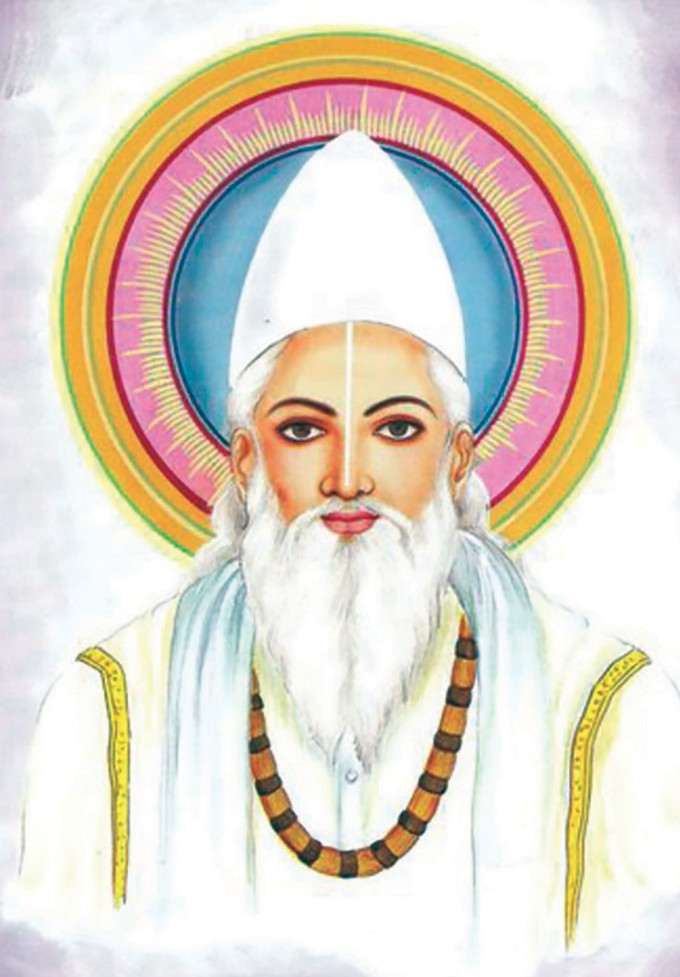
Kabir
around 1398–1518, India
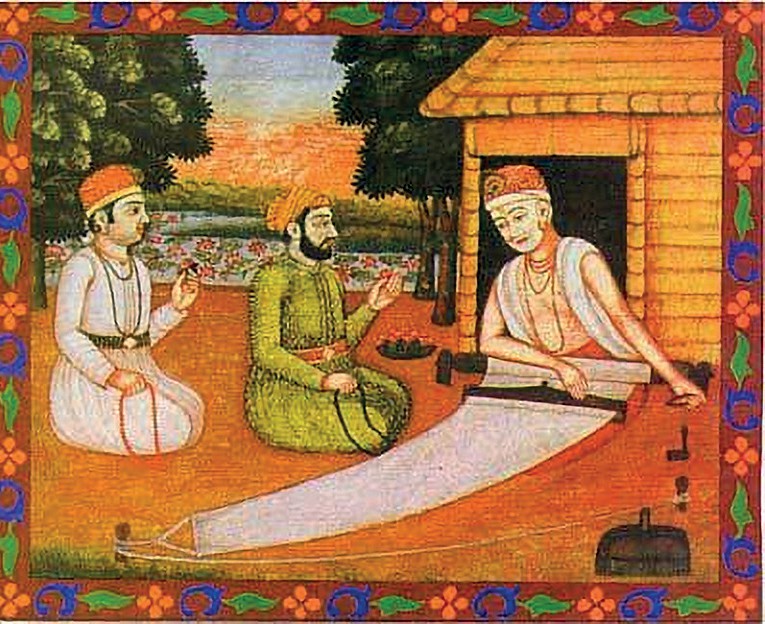
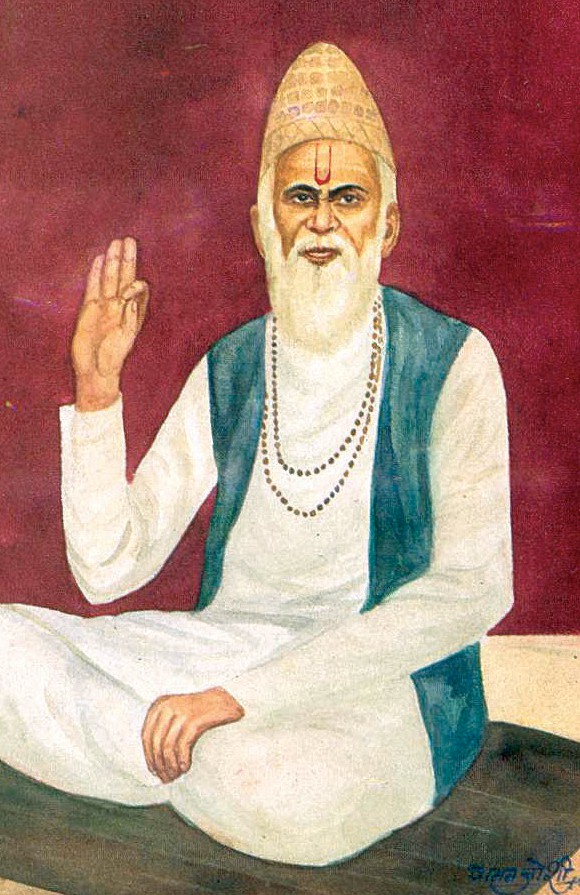
Kabir, the great master of the Hindu and Muslim religions, was also known as a mystic poet. He was born in India, in the holiest of Hindu cities, Benares (Varanasi) around the year 1398. According to some sources, he lived for 120 years, although much controversial information on the number of his years and his life was left for posterity. Kabir was regarded as a saint by Muslims and Hindus alike, and in fact, even the Sikhs consider him to be one of their holiest gurus, venerating him as the first Sant Mat master. He created a unique link between the ancient religions of India. According to some traditions, he was born in a Muslim family, whilst others held that he was the illegitimate child of a Brahman, left on the street and raised by Muslims. In his youth, he showed devotion for a Vaishnava Sant named Ramananda, who accepted him as his disciple and made him his spiritual heir. Following his enlightenment, Kabir proclaimed faith above religion and rejected all the sects and religious schools in India at the time. In the meantime, he became one of the most well-known and popular writers of India; his ecstatic poems saturated with freedom are amongst the finest works of world literature.
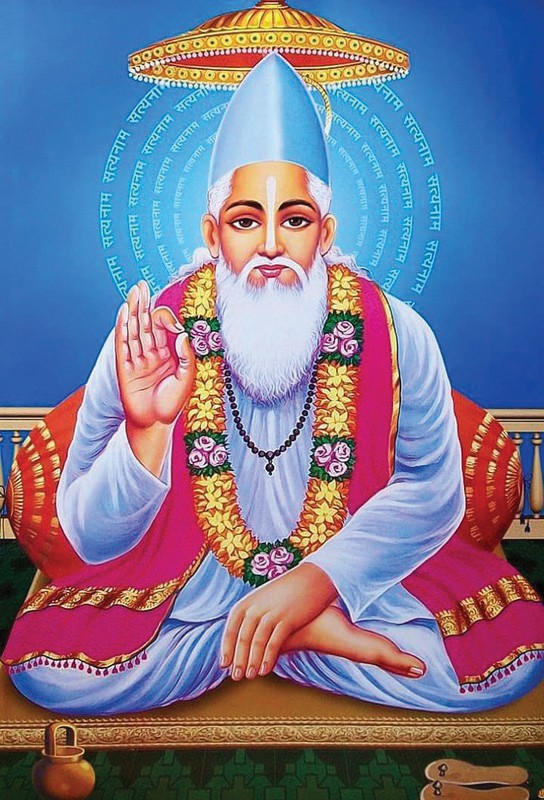
His poems are effused with a joy of life: instead of dry renunciation, he urges the Sadhus and monks to rejoice and experience the joys of life. However, instead of propagating hedonism, his poems urged people towards experiencing the pure experience of presence and opening up towards life. Instead of choosing the slavery of desire, he proclaimed the triumph of man vanquishing and bravely facing his desires and passions. Similarly to John the Baptist and the Sufi Rumi, the main subject and recurring motif of his poems is God and unity with God. The unique beauty of Kabir’s poems lies in the way he was capable of lifting even the most common events of life to the level of poetry. The concept of “Naam” continuously resurfaces in his works, which – just like the Christian terms of Logos or Word – denotes the ancient principle that upholds the world. He was persecuted due to his outspoken, liberal thinking and he was even banned from Benares. Although only few recognized his greatness in his life, he had an enormous influence on both the poetry and literature of India, as well as its religious culture. His philosophy was a synthesis of the Hindu and Muslim religious tenets. He adopted the doctrine of reincarnation from the Hindu religion and the law of Karma, and the concept of monotheism from the Islam, whilst rejecting both the caste system and the adoration of idols.
Kabir was one of the most important teachers of India. In his life, he had both Hindu and Muslim disciples and thus Kabir played an important role in offering an opportunity for closing the gap between these two great world religions. Following his death, his disciples quarreled over his funeral rituals. According to sources, the master returned from the grave because of this dispute to give them proper orders before disappearing again: “Bury some of my remains according to Muslim tradition and burn the rest according to the Hindu way.” When the disciples lifted the shroud all they found were fragrant flowers. Some of these were obediently buried by the Muslim disciples in Magahar, whilst the other half were sent on their way in Benares. In the latter settlement, they even erected a temple named “Kabir Kheora”. Both cities became major pilgrimage sites and Kabir’s writings were published in countless different editions all over the world.
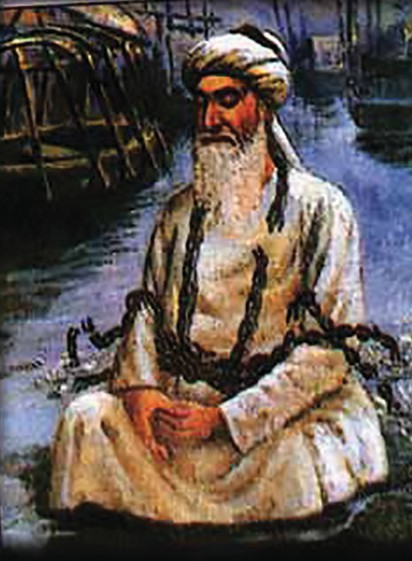
“Lechery is the master of sensuality, fortune is the master of greed, Kabir’s master is the true Guru, the Master of Masters is Naam.”
(excerpt from Kabir’s poem “The Venom of Lechery”)
“I have had my seat on the Self-Poised One, I have drunk of the Cup of the Ineffable, I have found the Key of the Mystery, I have reached the Root of Union. Traveling by no track, I have come to the Sorrowless Land.”
(excerpt from Kabir’s poem “Beyond Dogma to Divinity”)
“I have found my true Master, Joy and Sorrow have departed from me. I have resolved my Karma and found God through my Master. I have become One with the All- Mighty and found him within myself and Myself within God.”
(excerpt from Kabir’s poem “He, Who”)