Sri Aurobindo
1872–1950, India
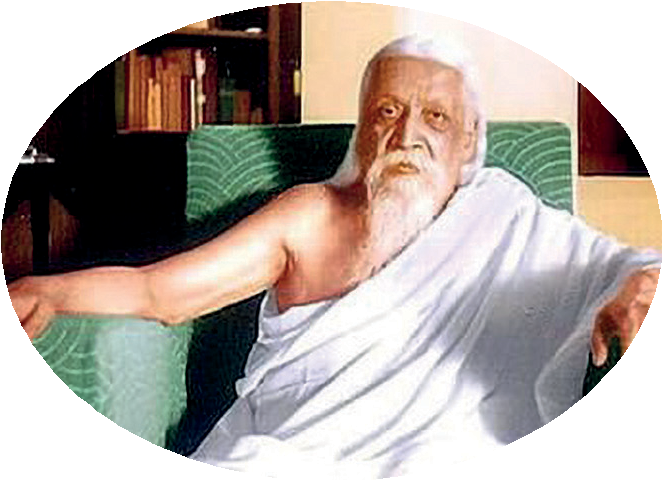
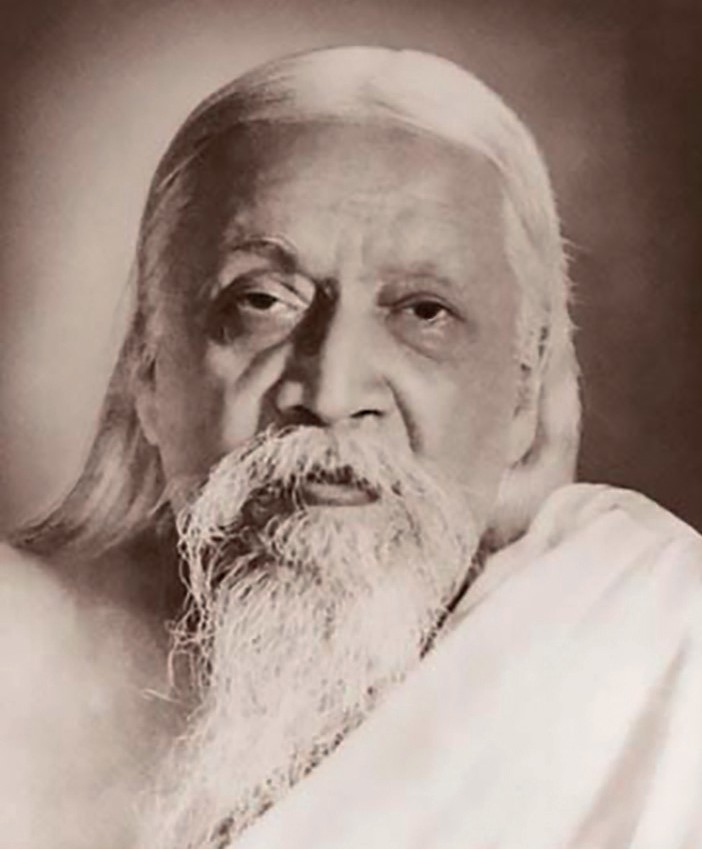
Aurobindo Ghosh was one of the most significant and definitive gurus of the twentieth century, the creator of the system of Integral Yoga and the renewer of ancient Indian traditions. He was born on the 15th of August, 1872 in Calcutta, India. Thanks to his father, he was enrolled in English schools and he was one of the rare Indian teachers who familiarized themselves with classic western culture in their youth. He studied Latin, Greek, Italian and even Spanish and studied western history as well. He was also interested in politics: in 1892, he took part in a meeting in England where the attendees vowed to fight for liberating India from its foreign rule. In 1905, he openly joined a political movement and in fact, he undertook the hardship of leaving his well-paid university job behind and established a daily newspaper providing a new political platform. In 1908, he was accused of rebellion and imprisoned, where he practiced Yoga, meditated and read the Upanishads. He established two daily newspapers and gave speeches after his year in prison. He was informed through a vision that people were commissioned by the government to eliminate him and that the time has come for him to change his ways. Based upon heavenly guidance, he traveled to Pondicherry, where he spent the rest of his 40 years until his death.
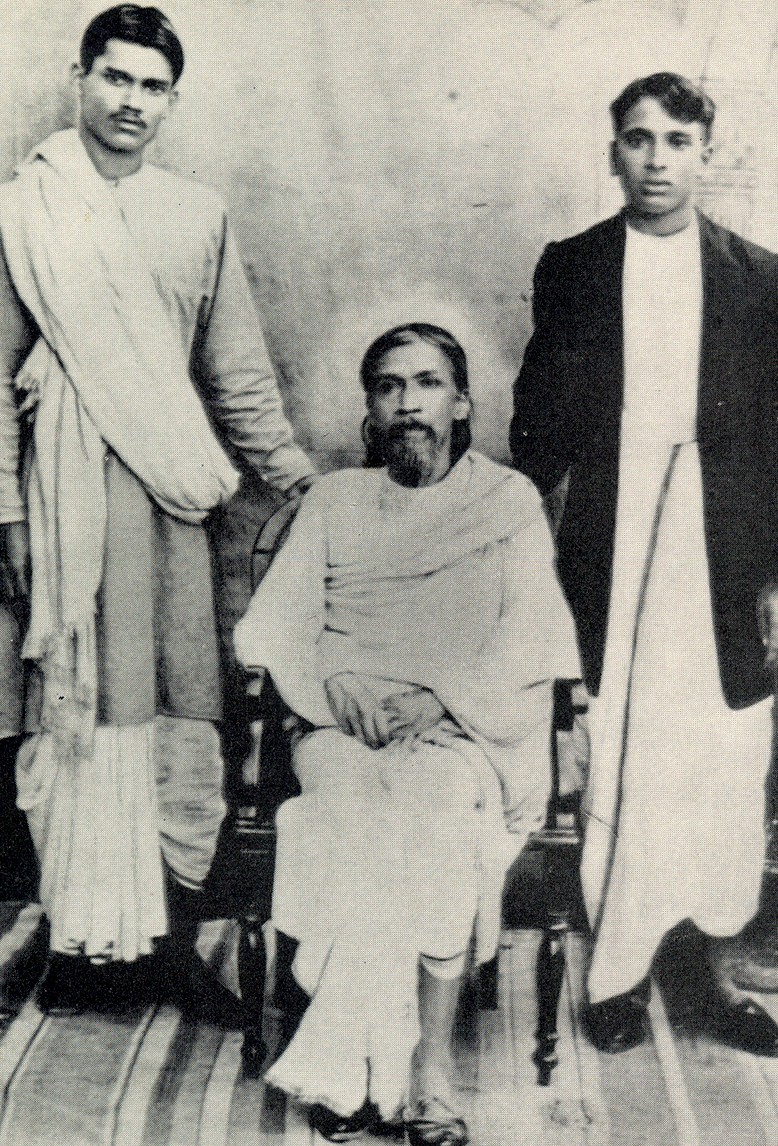
Aurobindo was initiated to Yoga by a Tantric guru known as Vishnu Bhashkar Lele. According to descriptions, Aurobindo achieved a thoughtless state after only three days, fully restoring his relationship with his Divine Self. All of his future endeavors stemmed from this higher source. As opposed to most Indian gurus, Aurobindo didn’t regard the material world as an illusion, but rather the site of spiritual evolution. He explained to his disciples that not only can Divine Life be realized in a distant heaven, but rather here on Earth, in a physical body as well, thus instead of referring to his disciples as ascetics or sannyas, he called them sadhakas living a life according to spiritual realizations. In order to adjust the system of Yoga to the changes that effect modern men, he created Integral Yoga (Purna Yoga) as an educational system. He renewed the traditional Hindu tenets and tried opening to the world, blending it with a number of positive benefits of western culture.
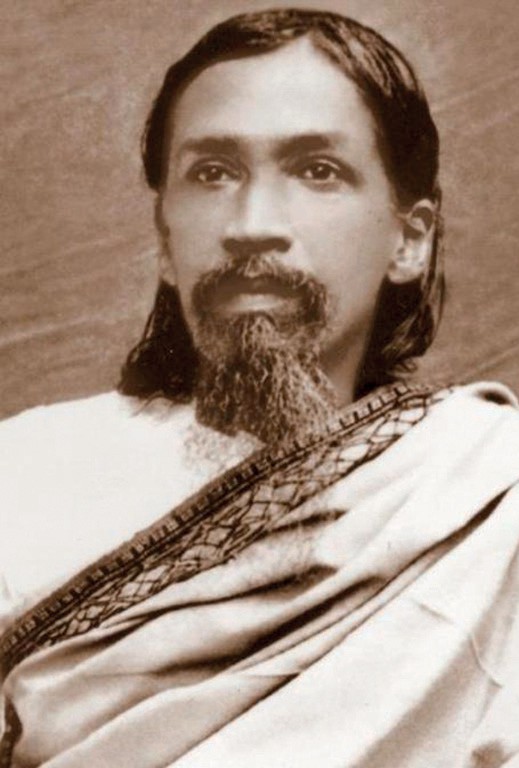
The ashram of Pondicherry was surrounded by the endless strength and peace emanating from the Guru. The characteristic trait of Aurobindo’s tenets was the way he attempted to merge the virtues of the western and eastern cultures. Although he took a lengthy vow of silence and only gave his disciples audiences on three occasions a year, significant spiritual work took place in his surroundings through his silent presence and great spiritual labors, leading to wonderful changes in the people around him. The power has been continuously emanating from his ashram in Pondicherry since his death (Mahasamadhi) on the 5th of December, 1950. The lifework he left behind was tended by his main colleague, a French woman named Mirra Alfassa, or “The Mother” as his disciples referred to her. They established a spiritually founded city, Auroville through international efforts. Aurobindo’s major works include: The Life Divine, The Spiritual Evolution of Mankind and the 24.000 line-long legend, Savitri. Aurobindo also left behind countless poems, essays, and plays as well as Upanishad and Veda analyses for humanity.
“The most urgent question of our age is what will define the progress of humanity: the modern economic and materialistic approach of the West or a nobler practicality, directed, uplifted and illuminated by a spiritual culture and knowledge…”
“Philosophy and religion are the origin and basis of all endeavors directed at spiritual life… Philosophy is an intellectual search after the fundamental truth of things, whilst religion is an attempt to bring truth to life in the human soul. They are indispensable for one other. Religion which fails to express philosophic truth is destined to be lost in superstition and mental darkness, whilst philosophy which fails to animate itself with religious spirit will be fruitless light, since it will be unable to put itself into practice.”
“If the earthly conditions seem unreal for a soul because it transcends to a different world or consciousness, doesn’t necessarily imply that the new way of seeing the world is unreal… The world is real to consciousness which lives within the world, whilst unconditional existence is real to consciousness which is immersed in Nirvana.”