Padmasambhava
around 520 B.C – around 8th century A.D.
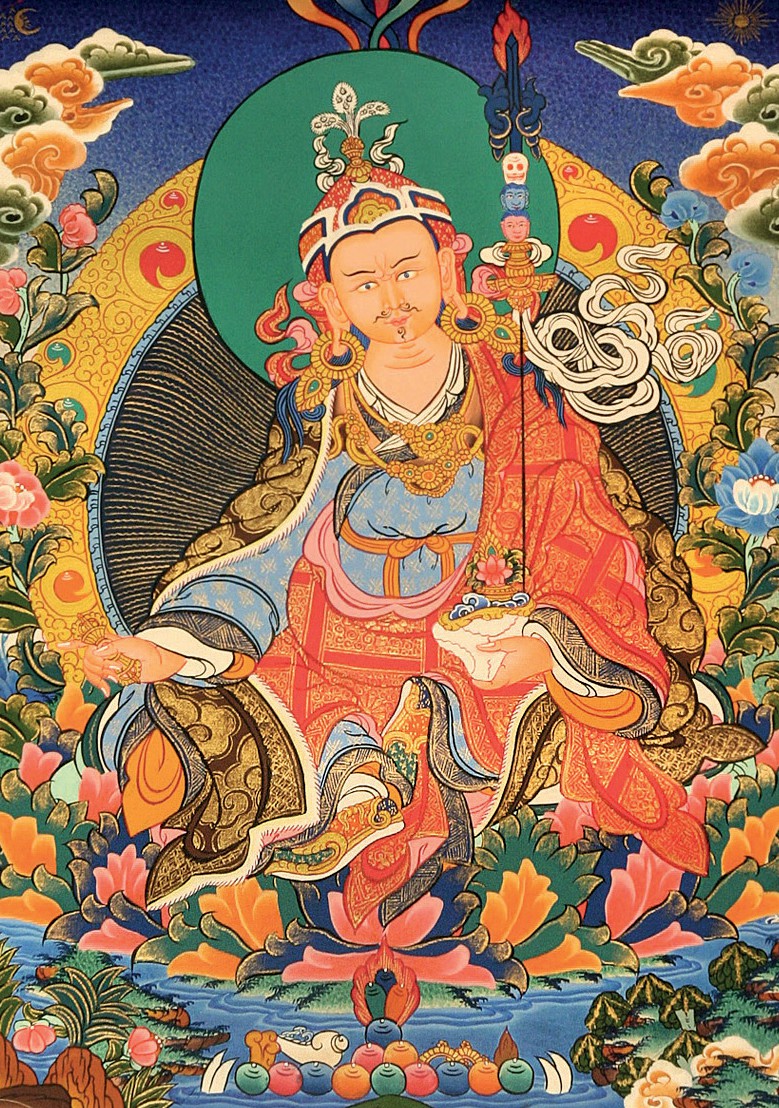
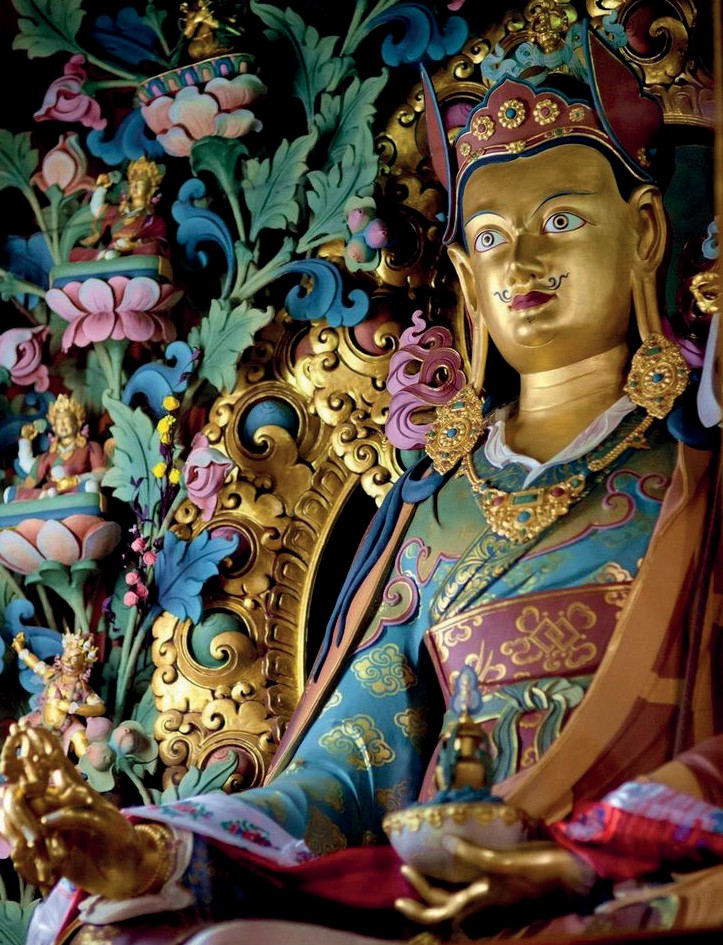
Padmasambhava, also known as Guru Rinpoche (which means “precious master”) was the founder and one of the significant masters of Tibetan Buddhism. He was born 12 years after the death of Gautama Buddha and is also known as “the second Buddha”, or “Buddha Amitabha”, the “absolute master”. According to a contemporary story, before Buddha died, he foretold of a great guru who would be born shortly after his death, in order to spread the tenets of Buddhism. According to some Buddhist traditions, Padmasambhava was the guru Buddha referred to. As noted in esoteric teachings, Padmasambhava lived over 1200 years, since he had such great mastery over his life forces that he was capable of stalling his body’s aging process. We can gather from some records that he was still alive in the 6th century A.D., whilst it is a historical fact that he was conducting missionary work in Tibet in the 8th century B.C. Over the course of his lengthy life, he initiated countless different processes in the world. He founded the Nyingma school and paved the way for all four schools of Tibetan Buddhism (Nyingma, Sakya, Geluk and Kagyu).
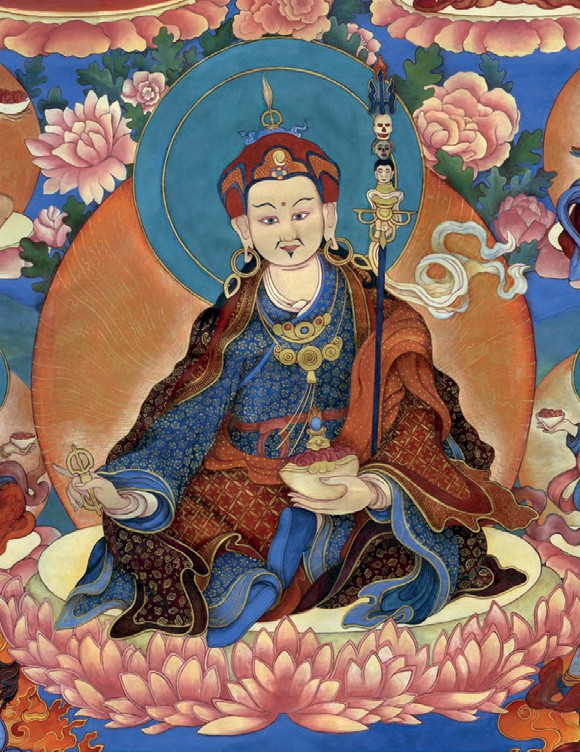
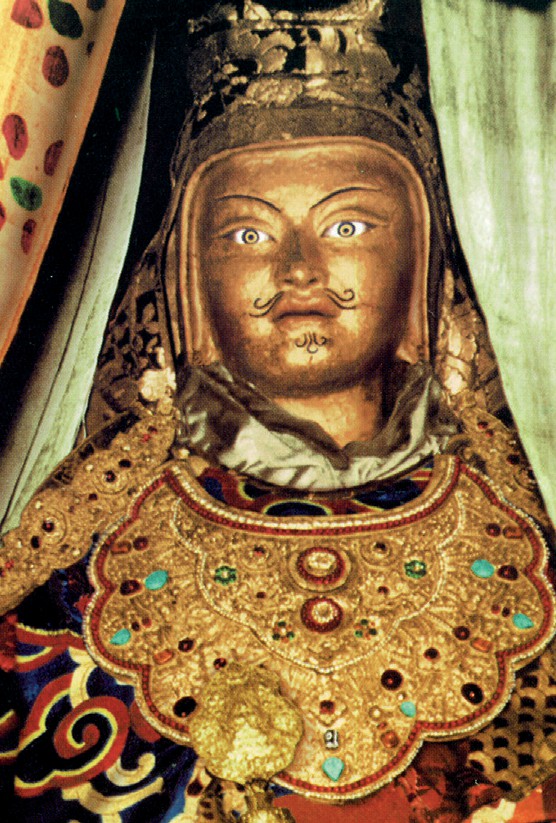
The Tibetans regard Padmasambhava as an earthly manifestation who is above all other gurus and thus he is also known as the “universal guru”. They say that the compassion of the Buddhas are united in him – which is why he is known as the “Buddha of Mercy” – and that he has the power to bless anyone who prays to him and is capable of fulfilling any request at once. He supposedly personally blessed his own statue in the Tibetan monastery of Samye, of which there are many miraculous tales. Once he saw the statue, he noted: “It is almost like me,” before blessing the statue and adding, “Now it is just like me”. Padmasambhava appeared to various Tibetan gurus on countless occasions and he is still the spiritual master of many Tibetan teachers – which is why he was granted the title of Guru Rinpoche. Supposedly he created the rather effective series of exercises, known in the west as “the fountain of youth”. According to the spiritual traditions, he conjured the teachings of Tibetan Vajrayana from the spiritual realms, and he is also venerated as the greatest representative and manifestation of Dzogchen teachings as well, since he was the first one to speak about these spiritual teachings.
One of the Tibetan Buddhist schools, the Nyigma school based its approach on the teachings of Padmasambhava. According to Tibetan traditions, there are countless miraculous stories of him. One of these tales relates the time he consecrated 108 Buddhist sanctuaries by creating perfect copies of his body, who appeared simultaneously at all the sites and spoke with various people without them noticing anything peculiar. Since he had various special powers, he was capable of accomplishing anything. Padmasambhava appeared to the Tibetan gurus on countless occasions after his death – the participants precisely documented these events and they noted down the teachings he conveyed. According to some researchers, this is how the Tibetan Book of the Dead was created. Due to Padmasambhava and the way he physically and spiritually assisted the eastern and western gurus, he played a major role in closing the gap between East and West.
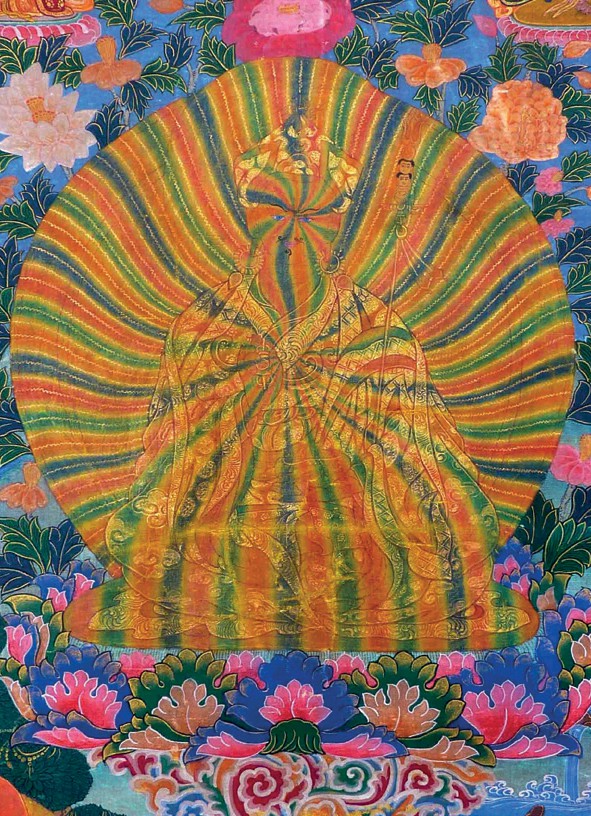
“I am always close to those who believe and to those who do not, although they do not see me. I always protect my children with mercy”
(Padmasambhava’s promise to mankind)
“It is enough to remain in the state of Buddha’s divine spirit by realizing the Buddha of your self-consciousness and recognizing it as your own consciousness.”
(excerpt from the Tibetan Book of the Dead)
“Be satisfied with your modest life! Be remote and humble! Do not hustle! Stay away from the greats of the world! Only insignificant external circumstances make it possible for man’s thoughts to reach the highest level… Reach beyond all the lights and glory of Earth! Be desire-less, impassive and equanimous! Eat what chance may grant you! Do not be picky! Do not strive to keep anything!”
“Gain, poverty, praise, scorn — let them come, they will pass! …Consider the strife of humanity, the varied nature of opinions and the struggle of passions calmly and without emotions! Know that this is nature’s way and the manifestation of the varied human selfs. See the world as one who stands on top of a hill and looks down into the valley…”
(excerpts from Padmasambhava’s teachings on the “Straight Path”)