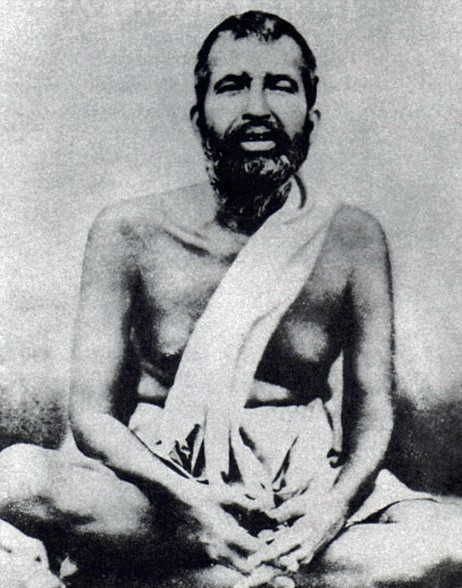
Ramakrishna Paramahansa
1836–1886, India
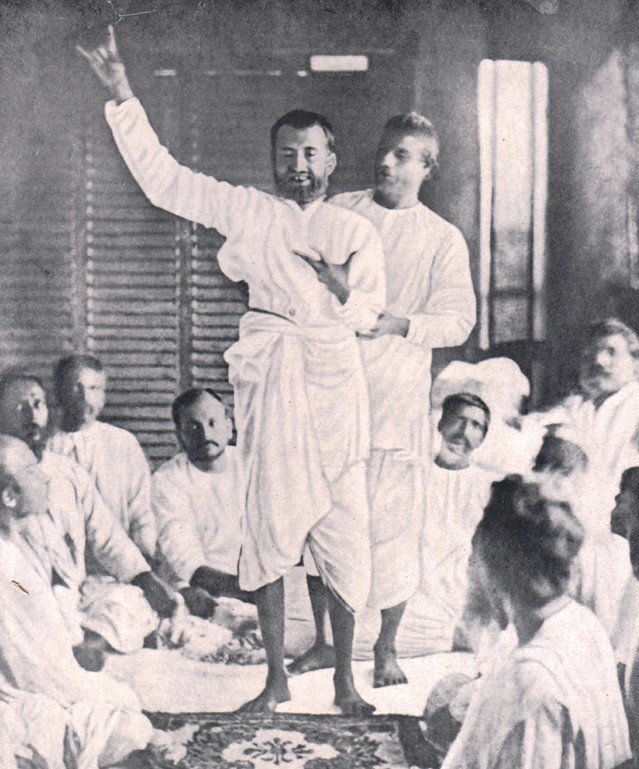
The great Bengali mystic saint, Sri Ramakrishna Paramahansa, is one of the greatest figures of 19th century India and was one of the great masters of the country’s religious reformation and the renewed Vedanta (New Vedanta) philosophy. Apart from his reputation as a rational, wise and conscious teacher, he also experienced extraordinary shifts of consciousness and fell into holy rapture from time to time or laughed in joy for hours, or cried or danced in rapture. Due to such spontaneous reactions, he was sometimes referred to as “the fool of God”. While Ramakrishna had such experiences, even his wife, Sarada Devi – who was reputed to be a saint as well – was in such fear that she barely dared staying in his presence. Chatterjee, the future Sri Ramakrishna was born on the 18th of February, 1836 in Kamarpukur, a secluded village in Bengal, India, as the child of an Orthodox Brahman family. His parents had a number of visions before the birth of their son that he will be a holy man and a divine manifestation. Ramakrishna fell in ecstasy several times as a child; he had his first spiritual experience as a Samadhi at six years of age. He didn’t eat or sleep for a long period of time, since he was so intent on seeing the Divine Mother, Kali who was deeply revered in India. At sixteen years of age he joined a Kali temple near Calcutta, where he experienced the being of the Divine Mother in a deep, intuitive state.
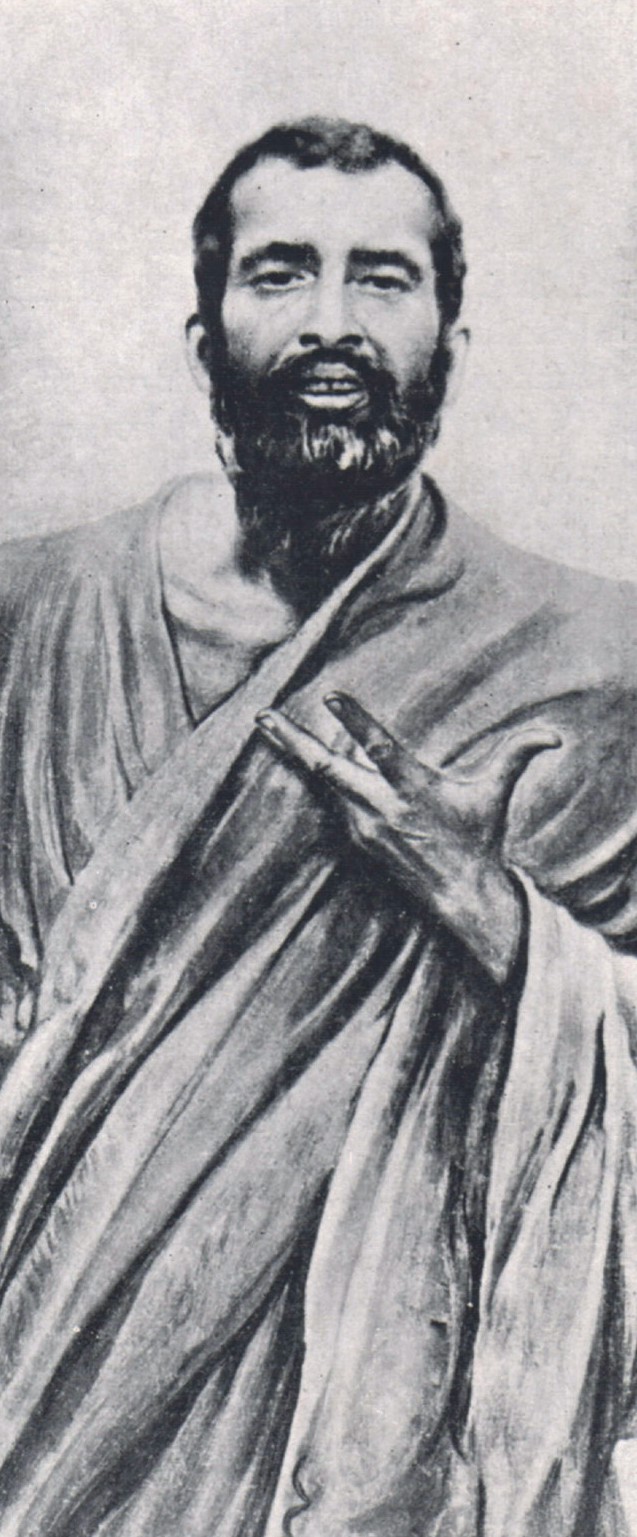
From this point onwards, Kali became the patron and mentor of Ramakrishna’s earthly path. (According to some religious scholars, the Hindu people revered the same being in the form of Kali – even though their depiction differs greatly – known as Isis Sophia or Our Lady, the Blessed Virgin Mary in the west.) After his experience, Ramakrishna’s eyes and complexion became so bright that people had to cover their eyes when looking at him. His life was full of miraculous events. His wife, who first took him for a fool, changed her ways in view of her husband’s humility. Ramakrishna’s relationship with Kali became even stronger: for a long period of time, he saw the Divine Mother with the baby Jesus in her arms. He also had a profound experience of Christ, accompanied by Kali’s voice: “This is Christ, who spilled his blood for the redemption of the world.” At 30 years of age he remained for six months in the state of Nirvikalpa Samadhi, an uninterrupted unity with God. His body showed no signs of life. According to tradition, the human body is unable to sustain this state for longer than 28 days, however, Ramakrishna safely returned at Kali’s order. He then attended all the religious schools of India, uniting the wisdom attainable through these schools and showing that through proper dedication, all religions lead to God.
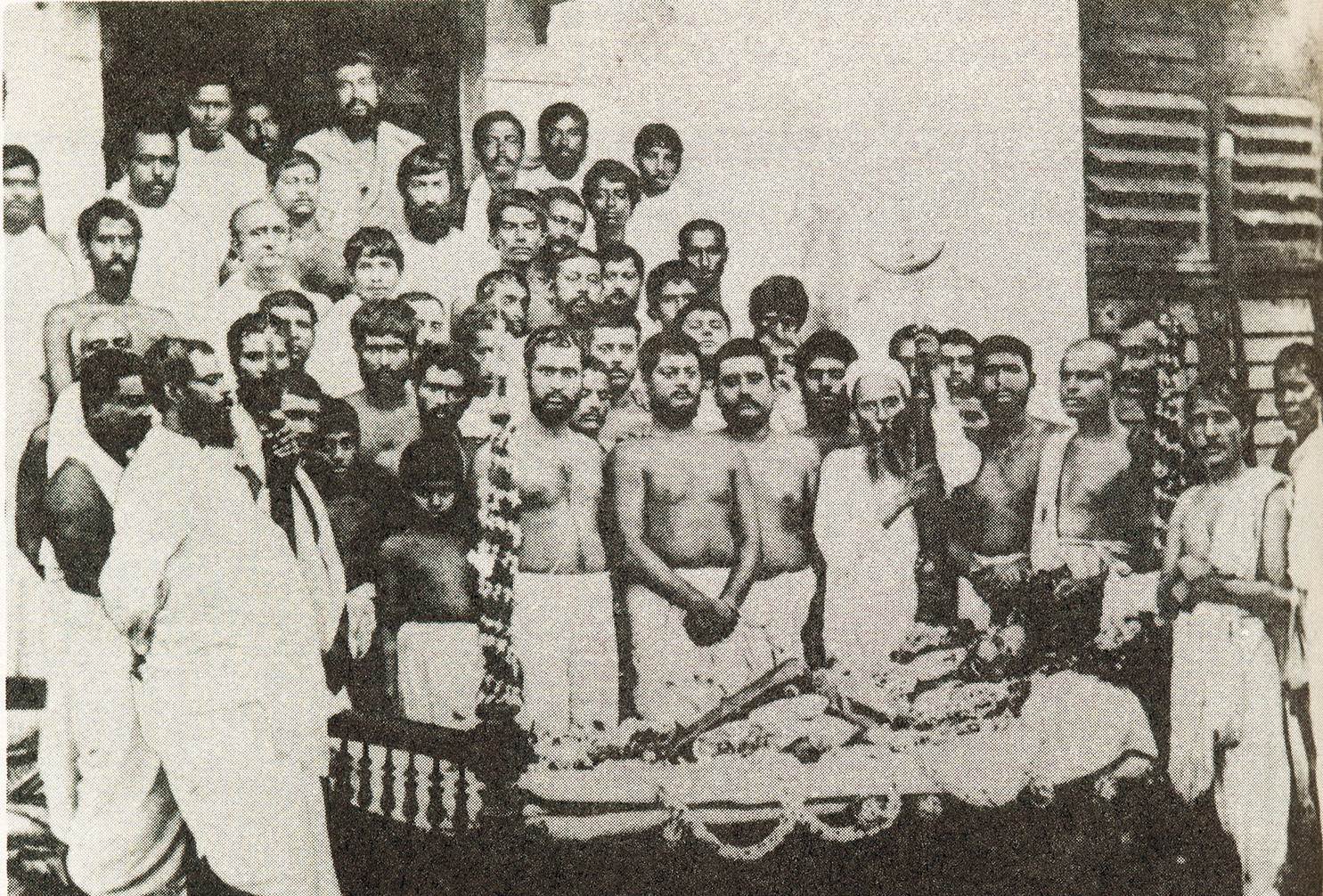
Ramakrishna had an almost limitless control over the world by this point. Once, for example, he promised in answer to the lengthy imploring of one of his famous disciples, Vivekananda that his family members will never again suffer any needs concerning their food and clothing. As a master, he had very strict demands of his pupils, yet if one decided to remain at his side, the individual’s spiritual progress was surely accelerated. Of all his pupils, he distinguished twelve of his disciples. Following his death in Calcutta in 1886, his wife and disciples continued his life work. The Ramakrishna Mission and the religious centers established in over 30 countries all seek to assist this endeavor. The main sites of Ramakrishna’s life have become pilgrimage sites. Ramakrishna always strove as hard as he could to hide his suffering from others. It is said that he took on the suffering of his disciples and the whole of humanity through his fatal illness (throat cancer) and he played a part in the redemption of the world.
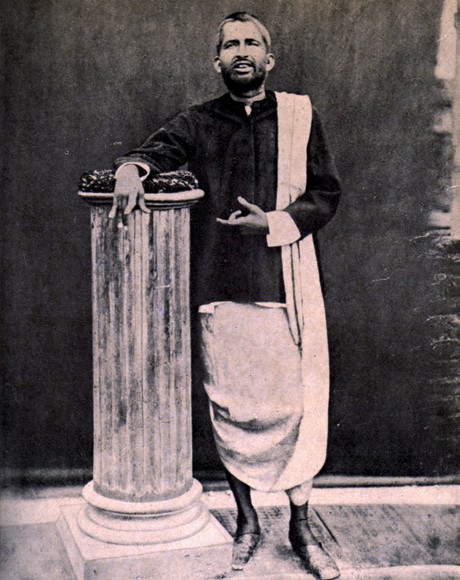
“You see many stars in the sky at night, but not when the sun rises. Can you therefore say that there are no stars in the heaven during the day? O man, because you cannot find God in the days of your ignorance, say not that there is no God.”
“If you always say your are sinful, you will remain so for eternity. Repeat this instead: I am no slave, I am no slave, who can bind me? I am the child of God, the son of the King of Kings.”
“I have no words to describe my wonderful exaltation of spirit as I watched him in his different moods. Under the influence of divine emotion he would sometimes talk on abstruse subjects, sometimes laugh, sometimes weep, and sometimes become per- fectly motionless in Samadhi. This would continue throughout the night. There was such an extraordinary divine presence in him that now and then I would shake with fear and wonder how the night would pass. Months went by in this way.”
(Sarada Devi, Ramakrishna’s wife’s description of her husband)