Saint Hilarion
291–371, the current-day Israel
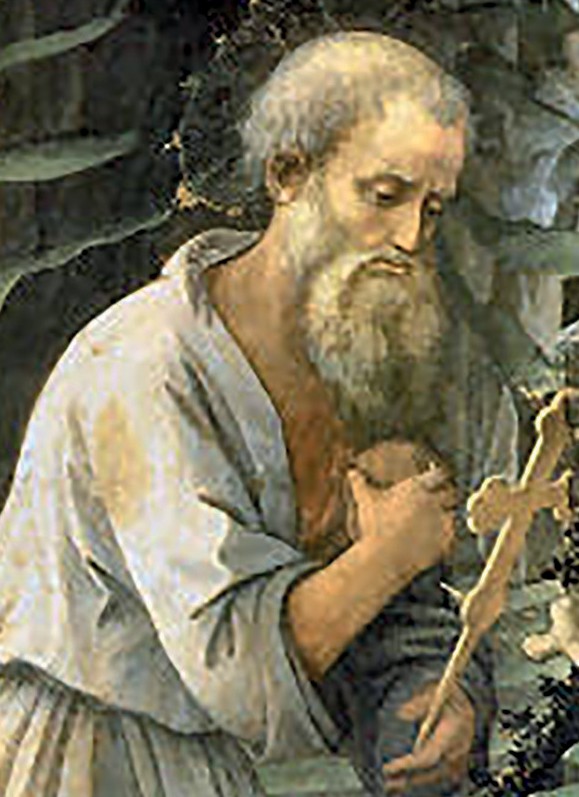
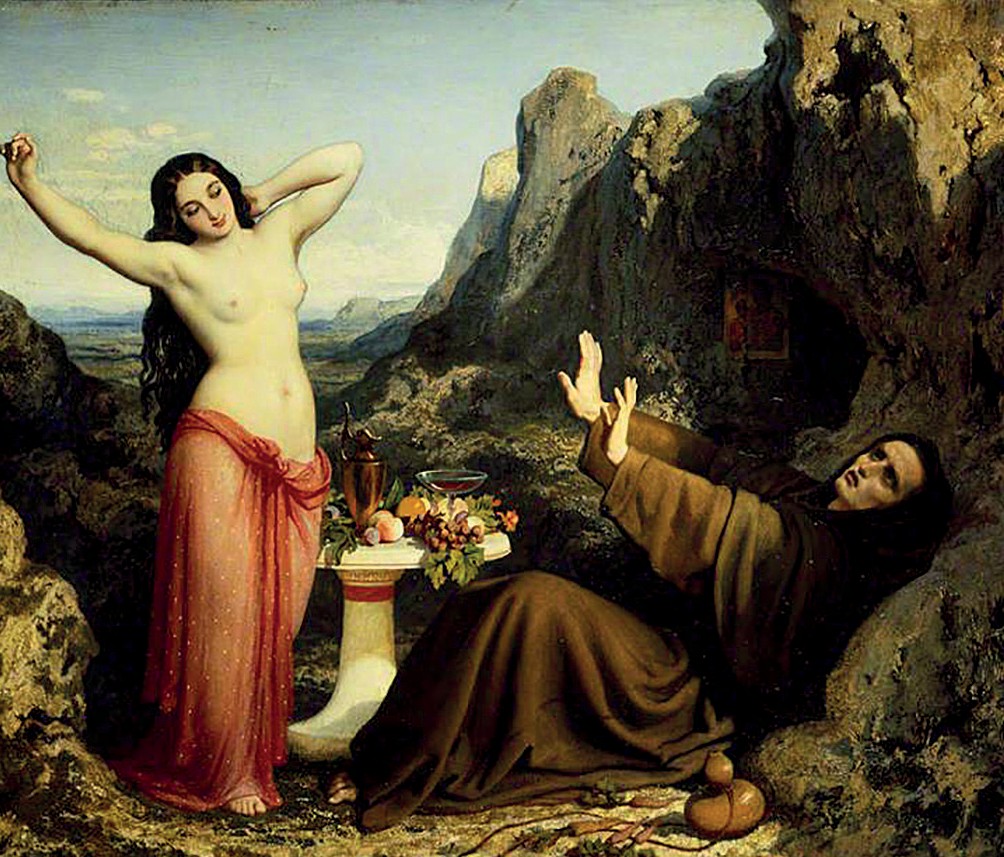
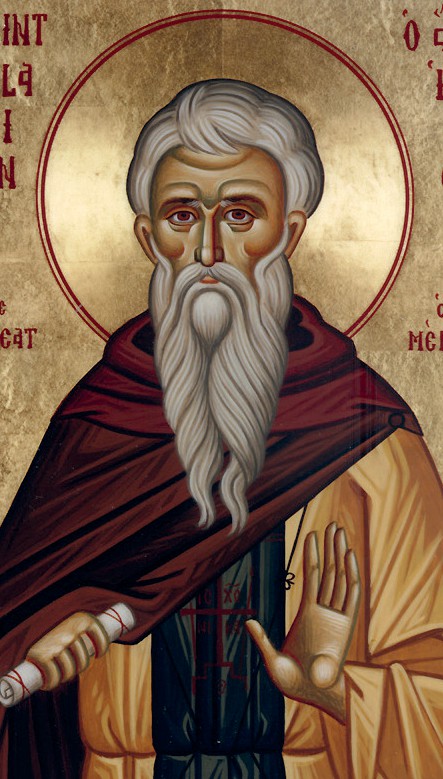
Saint Hilarion was a great figure of 4th-century Christian revival, a healing saint, whose every action was modesty incarnate. He was born in 291 in the South-Palestine region of Gaza, in the village of Tabatha as the child of a heathen family. His parents sent him to Alexandria to study, where the boy preserved his modesty and couldn’t be swayed from his path by any form of seduction. When he heard the legendary name of Anthony the Great at 15 years of age, he journeyed across the desert in the hope to see him. He spent approximately two months with the great saint and thus observed his lifestyle and strict morals. However, he couldn’t stand the great crowd surrounding Anthony because of his various illnesses and the attacks of the devil and thus he took off to leave all his worldly possessions behind and follow his master, Christ. Before his departure he received his white robe symbolizing purity from Anthony the Great himself. Since his parents died, he distributed the wealth he inherited and journeyed to the wastelands near Gaza where he lived in his cell for nearly 20 years: he fasted, prayed and kept vigils and triumphed over all the temptations of the dark forces with the power of Christ’s name. His biographies suggest that Hilarion had full control over the evil forces from the start, who thus ran from him. For example, he once said the following to the devil when he tried tempting him: “I will take order, thou little ass, that thou shalt not kick; I will feed thee with straw instead of corn; and will load and weary thee, that so thou mayest think rather how to get a little bit to eat than of pleasure…” Although his body was frail, he only dressed himself in sackcloth and the robe he received from Anthony the Great even in the coldest weather. He built his low cell himself from bulrush and sedge, which was the size of a short coffin. At first he only ate 15 dates a day and then a cup of soaked lentils a day for years, followed by dry bread once a day and roots, before giving up on bread from the of 64.
At 35, he left his hermitage and received an initiation in Thebes after which his healing powers increased. The news of his abilities spread throughout Palestine following his first miracle and great crowds sought out his domicile. He had no rest since he was recognized wherever he went and many converted due to his influence. A great monastery and a number of hermitages were built around his home in the wastelands. He performed his miracles with ease in possession of all his powers, as if performing some everyday activity. His power is clearly displayed by the time when he stopped a huge wave mustered by a storm with an outstretched arm, forming the shape of the cross. He left Palestine at the age of 62 and began wandering with an endless procession of thousands of people. His humility is clearly shown by the way he first visited the grave of Anthony the Great to pay his respects to the great saint. He later reached Cyprus through Libya and Syria. He helped people wherever he could and chased all forms of evil beings away, healing, converting, praying and fasting for others, yet the heathen Byzantine Emperor still sentenced him to death.
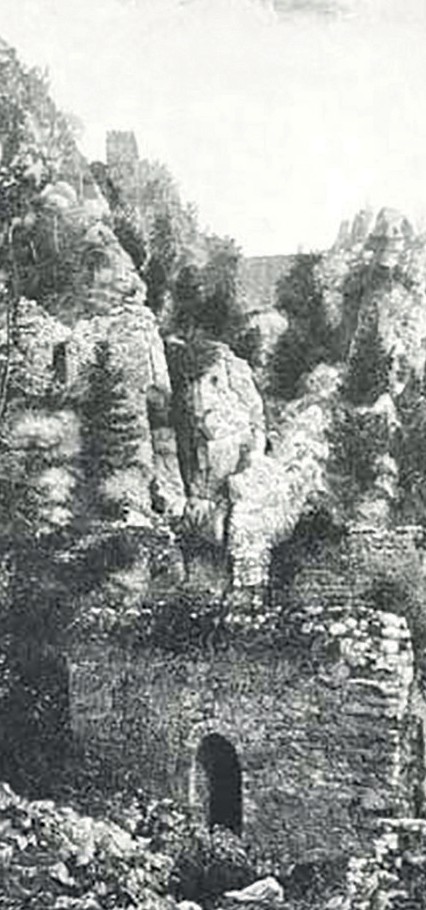
He laid the foundations of the previously unknown monastic life on Cyprus. He was recognized here due to the cries of the possessed, and the people longing for a cure didn’t leave him a moment to rest and thus he journey to the interior of the island, the mountain of Kyrenia, to a ruinous temple echoing from the din of devils day and night, where only few dared follow him. This is where he later ended his life at 80 years of age. His fragrant corpse, which was still uncorrupted 10 months after his death was taken to the monastery of Majuma by one of his eminent disciples, Hesychius.
“This world is fleeting. True life is gained through our sufferings.”
“Some trust in means of war, others in horses, yet we call on the name of Our Lord to our aid.”
“According to an old document, these were the final words of Saint Hilarion: “Go forth, my soul; why dost thou doubt? Nigh Seventy years hast thou served God, and dost thou fear death?’’