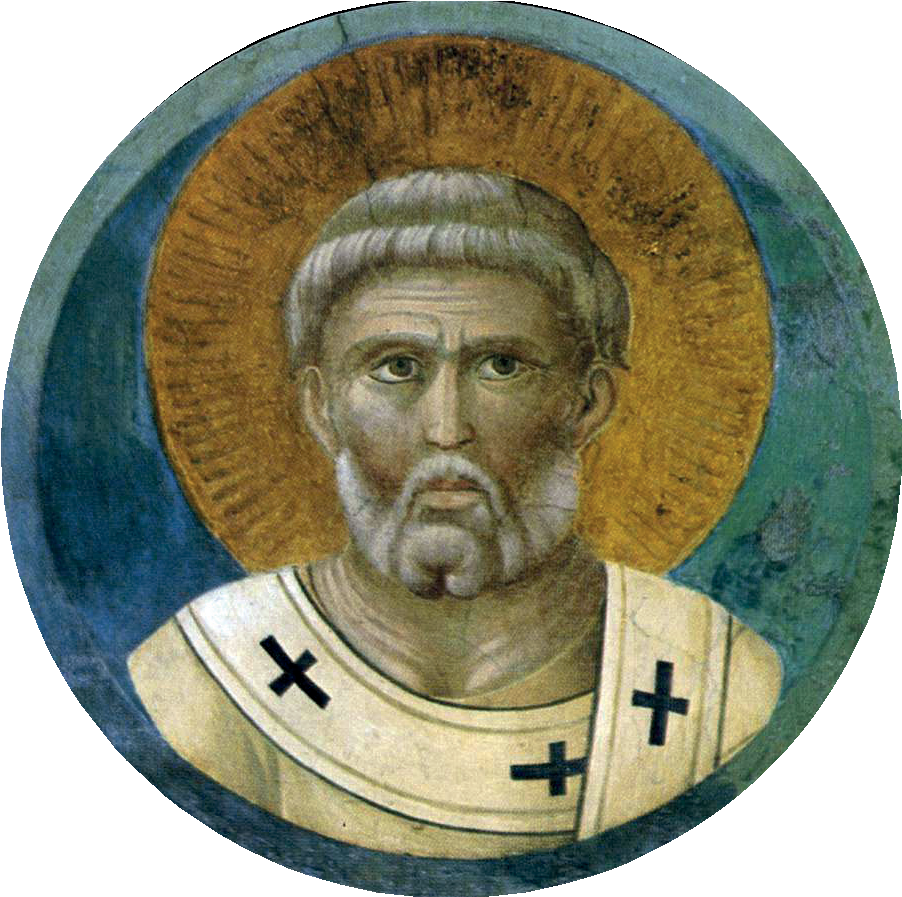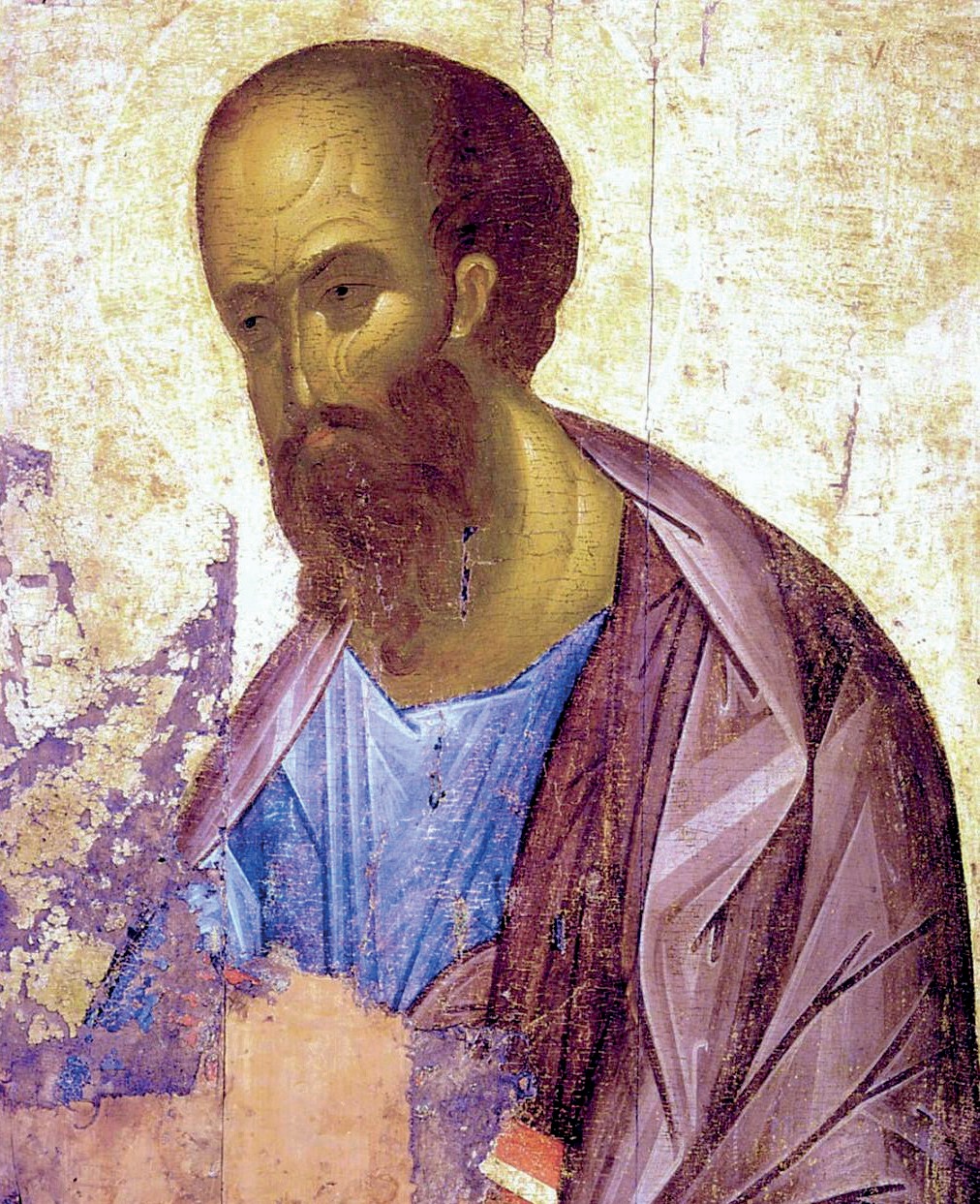
Saint Paul the Apostle
around 3-15 B.C. – 67 A.D., current-day Turkey
Saint Paul the Apostle was the organizer of the teachings of Jesus Christ and one of the prominent missionaries of Christianity. According to tradition, he was born in the city of Tarsus in Cilicia, in the southern region of the current-day Turkey, in a Hellenised Jewish family. His original name was Saul. His family belonged to the strictest branch of Pharisee Jewish faith and the child was raised appropriately. According to some researchers, he studied in Jerusalem under the most famous teacher of his age, known as Gamaliel and as a rich tent merchant and a citizen of Rome he was a member of the elite of Jerusalem. In 36 A.D., he most likely played a part in the death of the first Christian martyr, Stephen. He felt from the standpoint of the Jewish religion that the spread of Christianity is dangerous and he managed to get the consent of the Romans and the Jewish council to use force against the Christians of Damascus in the province of Syria. However, on his way to Damascus, he was suddenly surrounded by an unbearable brightness and his great foe, Jesus appeared to him, chiding him with the following word: “Saul, Saul, why are you persecuting me?” His experience – which led to a great inner change within him – caused him to lose his eyesight for 3 whole days. At an angelic order, the head of the community of Damascus, Ananias cured him, whose divine aid was foretold to Saul by a heavenly messenger. His recovery was also a rebirth, during which he was charged with the power of Jesus and was baptized, taking on the name of Paul (changing his name from Saulus to Paulus). He accepted Jesus as his master and embarked on an Apostle’s mission. This story is collectively known as the conversion of Paul – from one of the greatest persecutors of Christianity, he suddenly became its disseminator and organizer.
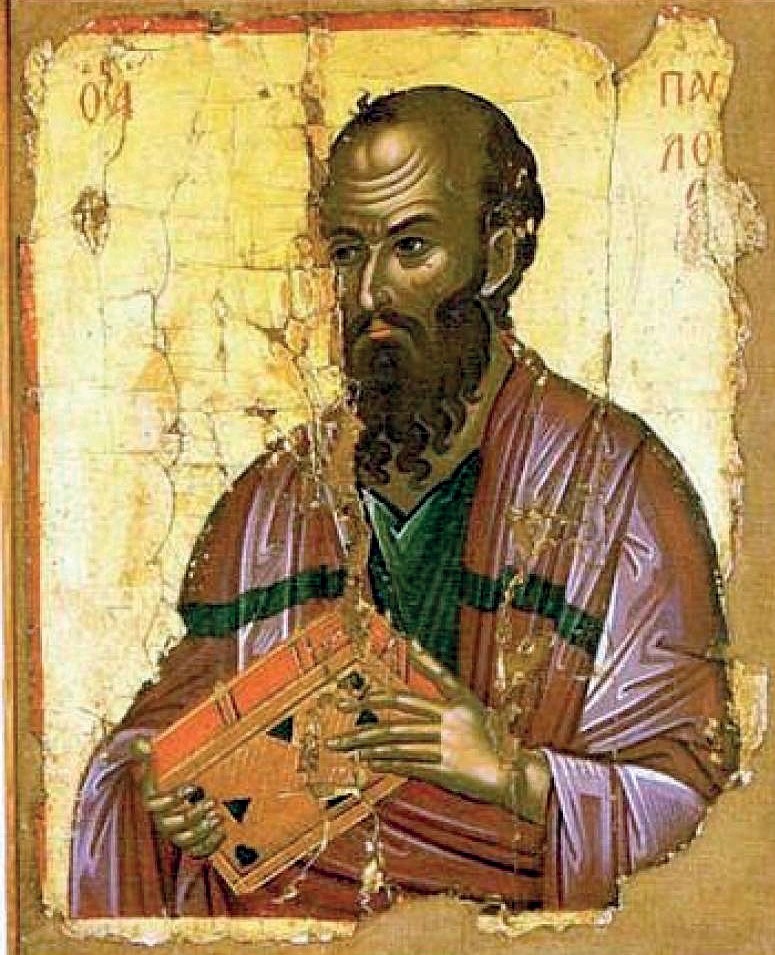
From here on, Paul spread the word of Christ day and night. He became acquainted with the Apostles of Jesus and although he wasn’t one of “the twelve”, Jesus chose him as an honorary Apostle. His three major missionary journeys (between 48 and 58 A.D.) played a major role in spreading the Christian teachings. His education made him particularly suitable for fulfilling his mission. He spoke Greek well and he absorbed the Hellenistic education and was familiar with the thinking of the pagans, as well as the major teachings of his age. He was good at convincing people and he was the right kind of person to take up an argument with the pagans, convert people and spread the word of Christ. He traveled along most of the roads and waterways of the Roman Empire, including Asia Minor, Macedonia, Greece and Hispania, where he established one congregation after the other. He only spent a short time at the various locations; he entrusted the organization of the communities to his fellow workers and the newly-converted Christians. He exchanged letters with them, consulting them and giving advice were needed – he was continuously involved in the organization work.
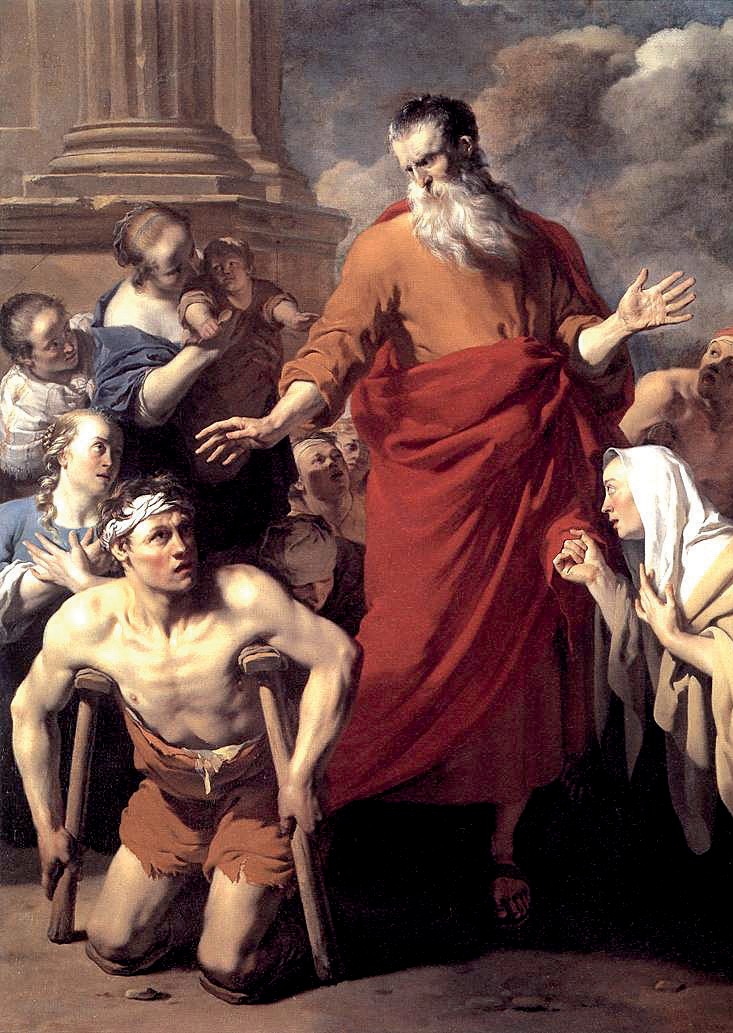
His missionary work was fraught with difficulties from the very beginning. He was imprisoned several times and he was often forced to flee, which he could managed from with the help of miracles. He was forced to suffer terrible punishment (flagellation, whipping, stoning) and even his own people, the Jews caused him much pain, since they were unable to forgive him for adopting a different religion. Christ sent him repeated visions of falling into captivity in Jerusalem, yet Paul still went there to spread the faith. His former countrymen almost succeeded in killing him, yet the Romans took him to Rome, where he died as a martyr in 67 A.D. as a victim of the crazed emperor Nero’s Christian persecution. According to sources, they found his head after his death, which was surrounded by a bright halo of light. The tales tell that three fountains sprung from the ground where his head landed. The Saint Paul Basilica was raised on the site of his grave. The Pauline school is still one of the main trends within Christianity. The Bible’s New Testament contains 14 of Paul’s letters which include some of the most important documents on the life and faith of the early Christians.
“For this perishable must put on the imperishable, and this mortal must put on immortality. But when this perishable will have put on the imperishable, and this mortal will have put on immortality, then will come about the saying that is written. Death is swallowed up in victory… The sting of death is sin.”
(Paul the Apostle on immortality, 1 Cor, 15:53-56)
“If I speak with the tongues of men and of angels, but do not have love, I have become a noisy gong or a clanging cymbal. If I have the gift of prophecy, and know all mysteries and all knowledge; and if I have all faith, so as to remove mountains, but do not have love, I am nothing.”
(excerpt from Paul’s First Letter to the Corinthians, 13:1-2)
“…Therefore you have no excuse, O man, whoever you are, when you judge another; for in passing judgment upon him you condemn yourself, because you, the judge, are doing the very same things…”