Chögyam Trungpa
1939, Tibet – 1987, United States of America
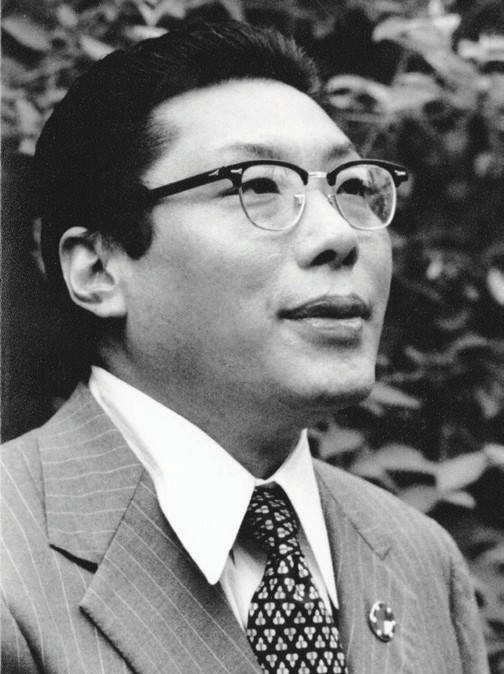
Chögyam Trungpa, the great Tibetan mahasiddha and a key figure in bringing “The Diamond Way” to America was born on 28 February 1939 in a poor nomadic family in the Nangchem region of Tibet. He was considered the eleventh in the line of Trungpa tülkus and the abbot of the Surmang monastery. As customary, a year after his birth, a committee was formed to identify the child and the head of the order personally gave instructions on where to search for him. As in the case of all the great saints of Tibet, after conducting extensive searches, the committee found the boy who chose the personal belongings from his previous life from the range of countless items offered to him. Subsequently, his lengthy training began by his two masters: Khenpo Gangsar, representing the tradition of Tibetan “crazy wisdom” and the other outstanding Tibetan teacher, Jamgon Kongtrul. In 1959, following the destruction of the Surmang monastery and the Chinese occupation of Tibet, he fled to India. Only thirteen of the over three hundred refugees survived the gruelling, ten month-long, exceptionally arduous journey.
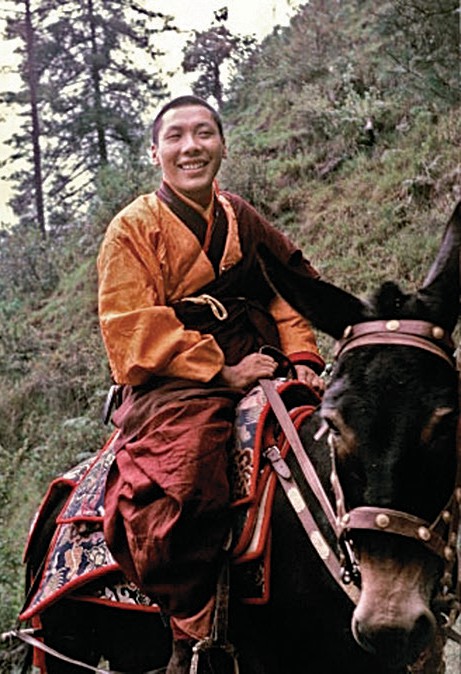
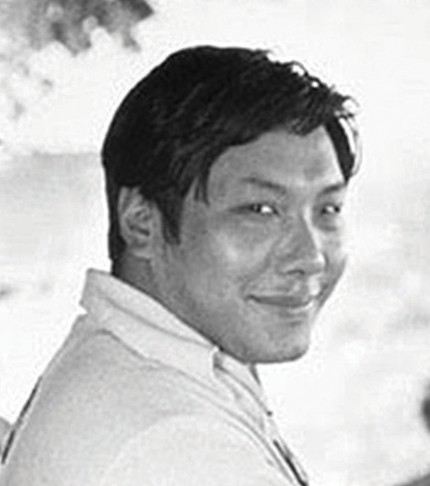
At the request of the Dalai Lama, from 1960 to 1963, he was engaged in training young reincarnated Lama Masters amongst the refugees. The Tibetan occupation was a major breaking point in his life. However, Chögyam Trungpa realised that despite its horrors, this terror also triggered a number of positive effects in the world. Firstly, without these events, the teachings of Buddhism would have been unable to spread from the distant world of Tibet to the west and secondly, it represented a great opportunity for development for the Tibetan masters to renew their rituals and for oriental paths to meet with the great spiritual ways of the west. Trungpa spent time attending the Oxford University before establishing the first major western centre for Tibetan Buddhism in Scotland in 1967 in the form of Samye Ling in Eskdalemuir, consciously connecting himself with all that is typical of western man. This led to one of the greatest religious scandals of the time, as instead of acting as an enthroned “guru”, satisfying people’s expectations of him, he wished to open the „door of trust and intimacy.” A retreat to Bhutan allegedly helped him gain a better understanding of his life’s task. His entire life served as an answer to the question: how to cultivate the mentality of Tibetan Buddhism in the materialistic mind of western men?
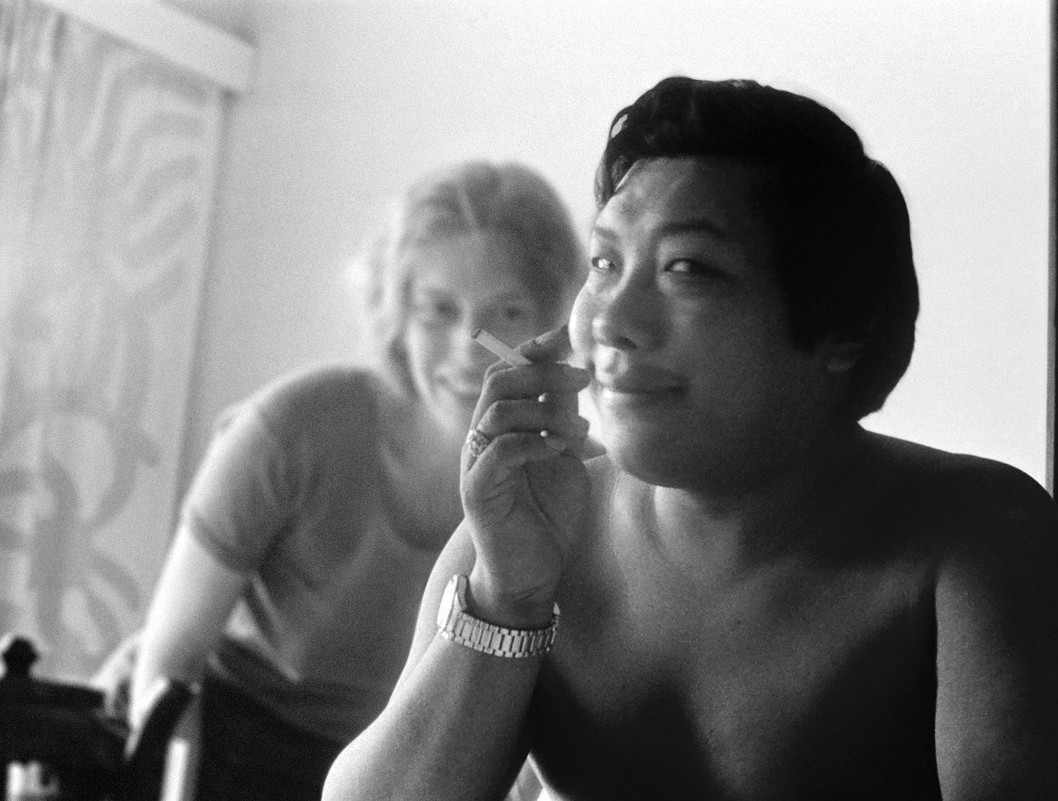
Following a major crisis, accompanied by a car accident – which left him partially paralyzed on the left side of his body – he abandoned his monastic vows in 1969, ostracised and condemned by his old monastic peers. In order to get as close to people as possible, he took up their harmful habits: he started smoking, eating meat and drinking alcohol – which he used to test those who came to him – and, to the dismay of many around him, he even married a sixteen-year-old British girl. After being forced to leave Scotland, he travelled through Canada to the United States, where he had only seventeen years left of his life to accomplish all the things of which only a fraction are mentioned below.
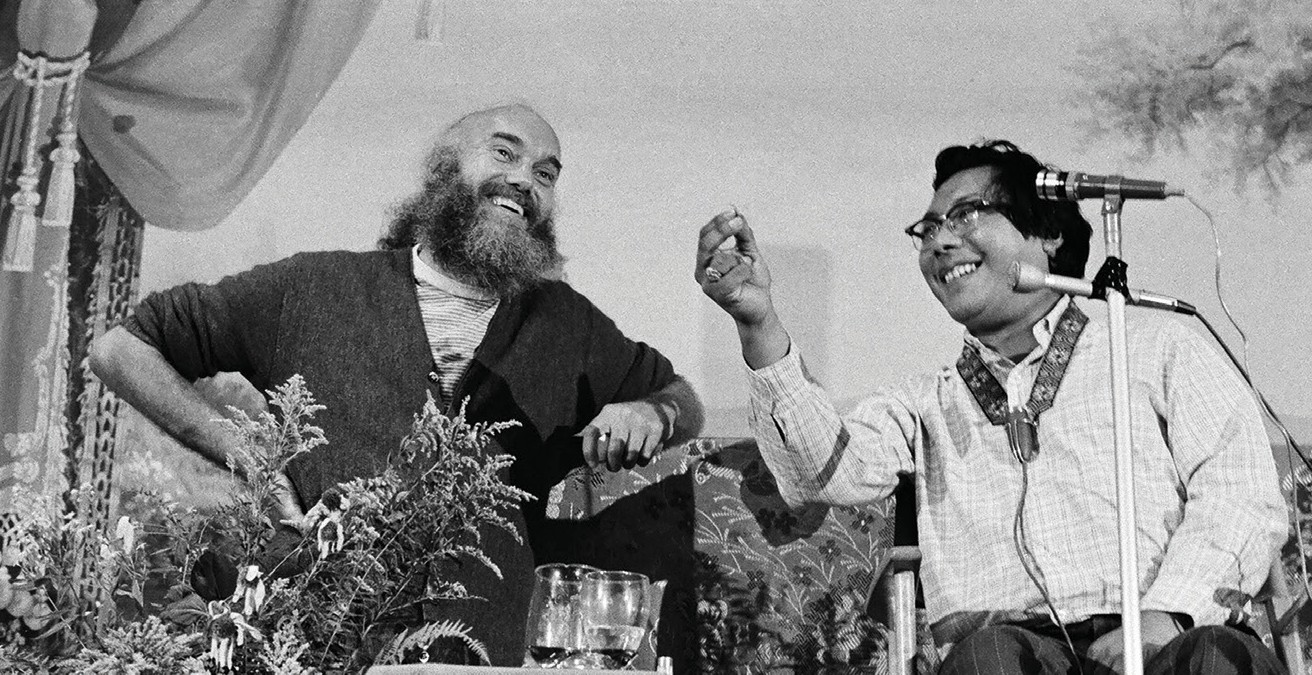
He enjoyed a sudden surge in popularity and his books were in wide circulation. He first established a Buddhist community in Boulder, Colorado, followed by the Rocky Mountain Dharma Centre close to Fort Collins. He consciously sought to incorporate elements of the Tibetan Vajrayana tradition into the secular, artistic and spiritual fields of interest. He established a foundation for the healing of mental conditions with the use of Vajrayana spiritual approaches and began combining western psychology with Buddhism. He founded the Vajradhatu organisation to support and coordinate the work of the centres, communities, projects and organisations he established, along with a number of other foundations that supported his work. He established kindergartens, elementary schools and universities, while also devoting attention to establishing a separate committee for translation, a Buddhist newspaper and even a thesaurus.
He introduced a new calendar based on the Tibetan annual cycle, organised a conference for Buddhist–Christian discourse and even directed a film. Additionally, he established an organisation to safeguard Tibetan teachers on their journey to the west. However, the western diet and way of life as well as the frantic pace of his activities quickly took a toll on him and eroded his body. He passed away from a heart attack on 4 April 1987. It is said that the twelfth Trungpa tülku, Chokyi Sengay was identified by the reincarnation committee in 1989.
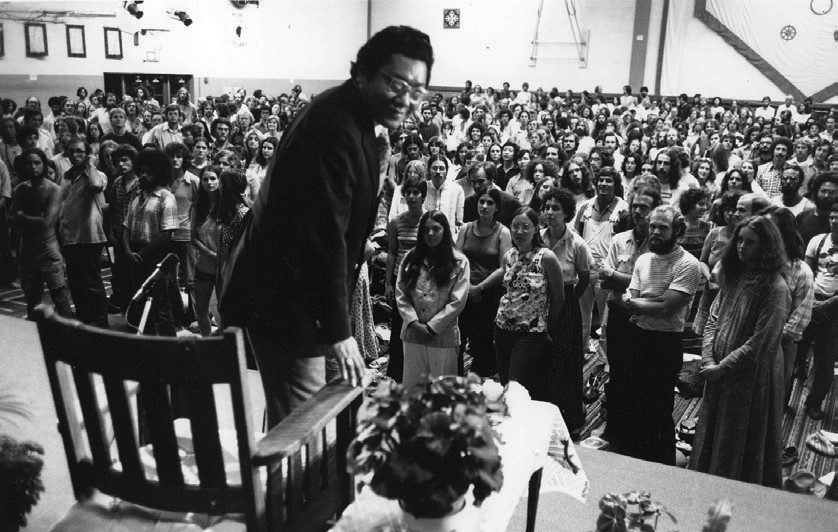
“I have decided to give up the robe, which I feel stood as a subtle obstacle to the formulation of my teaching in the West. The monk’s robe confused many here as a glorious image of spirituality. However, my teaching concerns actual experience. I don’t feel that I need to hide behind something, though some people are critical of me for coming out and showing myself as a human being.”
“The crazy-wisdom character of Padmasambhava is that of a guru who is unwilling to compromise with anything. If you stand in his way, you are asking for destruction. If you have doubts about him, he takes advantage of your doubts. If you are too devotional or too dependent on blind faith, he will shock you. He takes the ironical aspect of the world very seriously.”
“When plunging completely and genuinely into the teachings, one is not allowed to bring along one’s deceptions. I realized that I could no longer attempt to preserve any privacy for myself, any special identity or legitimacy. I should not hide behind the robes of a monk, creating an impression of inscrutability which, for me, turned out to be only an obstacle. With a sense of further involving myself with the sangha, I determined to give up my monastic vows. More than ever I felt myself given over to serving the cause of Buddhism.”