Elizabeth of Hungary
1207, Hungary – 1231, present-day Germany
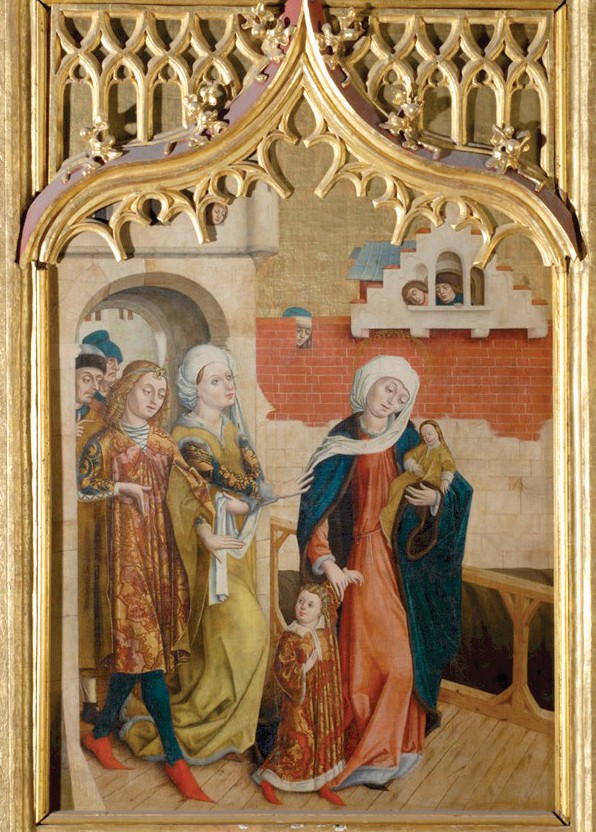
Elizabeth of Hungary, the great saint of the Hungarian people, showed the world during her short twenty-four year-long stay on earth how to live a holy life as a mother of three and a rich queen without being blinded by temptations. As a faithful disciple of Jesus Christ, she was capable of miracles similar to those performed by the Saviour himself. Legend has it that she healed the constipated and the terminally ill with a kiss or an embrace. Her actions were an earthly manifestation of divine power. Elizabeth was born as the child of King Andrew II of Hungary and Gertrude of Merania on 7 July 1207 in Sárospatak, as the sister of the future King Béla IV. She was the third of five children. Her birth was foretold by seers who said her holy being would be a blessing for the whole world. Even as a child, she was different than her peers: she brought her little friends to church, and smuggled food in her apron to the poor and read prayer books instead of playing. When she prayed with her peers in the pouring rain, the little ones’ clothes remained miraculously dry. She regularly gifted away her belongings which brought about healings. She was no stranger to hardship and throughout her brief existence on earth she was severely tested. At the age of four, she was forced to leave her homeland to be betrothed to the child of the ruler of Thuringia. She was sent to Wartburg Castle, a peculiar place where she received a cold welcome by those who opposed their marriage.
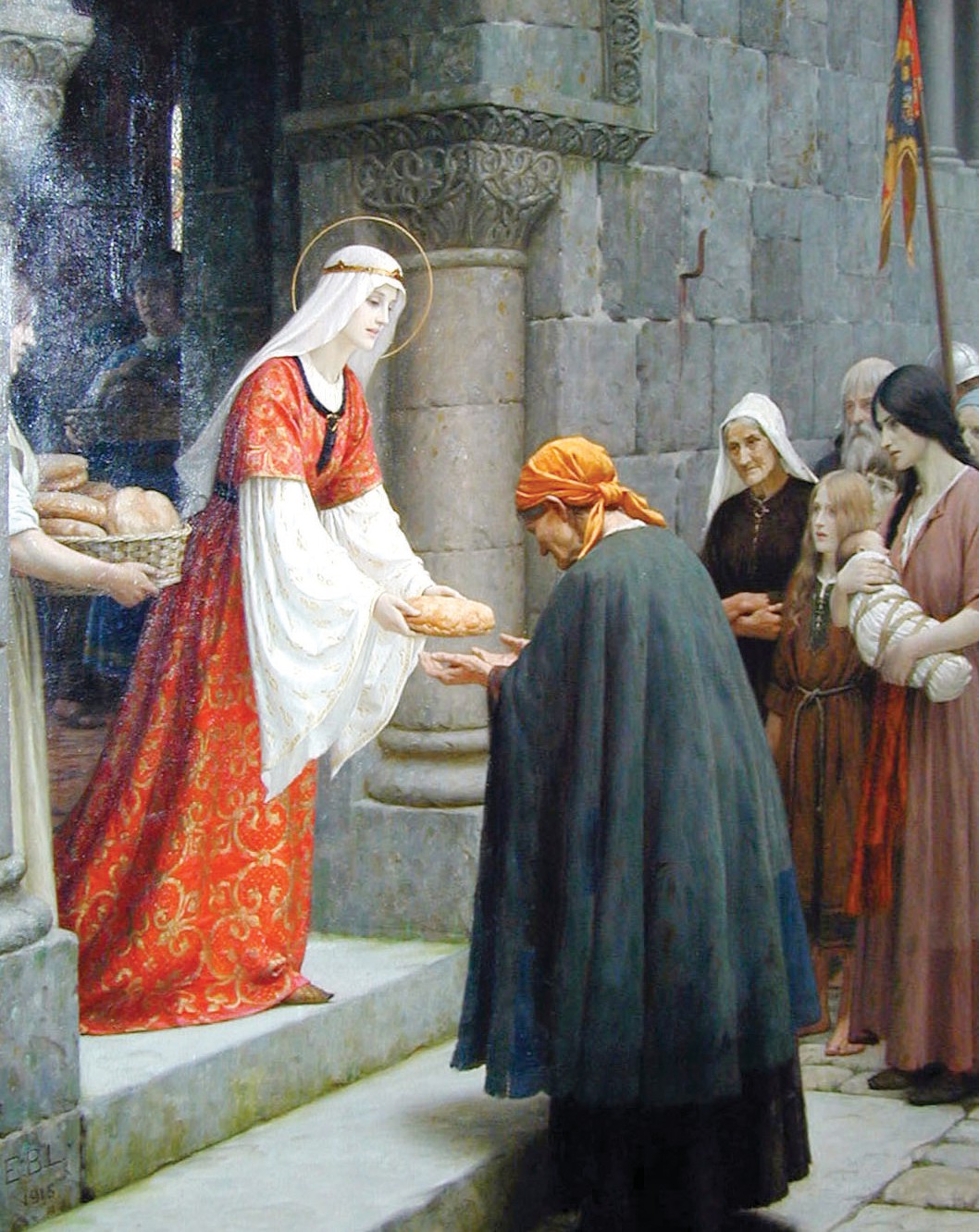
Her mother died when she was six years of age, followed by her fiancé when she was only nine. In 1221, she married Louis, the brother of her former fiancé. Following the death of his father, Louis became the ruler of Thuringia and as his wife, Elizabeth made the most of her new status to help the needy. She always dressed modestly and ate bland and tasteless food, while providing the poor with tasty delights from their royal pantries. Whenever she came into some money, she gave it to others, often causing financial hardship for her husband and the state budget. Her giving nature was not approved by Prince Louis’ relatives, yet her husband adored Elizabeth since early childhood. Louis personally witnessed a number of miracles that helped him understand Elizabeth’s greatness. On one occasion, for example, when Elizabeth was caring for a sick patient in her husband’s bed, Louis saw a vision of the suffering Christ embodied in the patient and smelled a sweet flowery fragrance from the water used to cleanse their wounds.
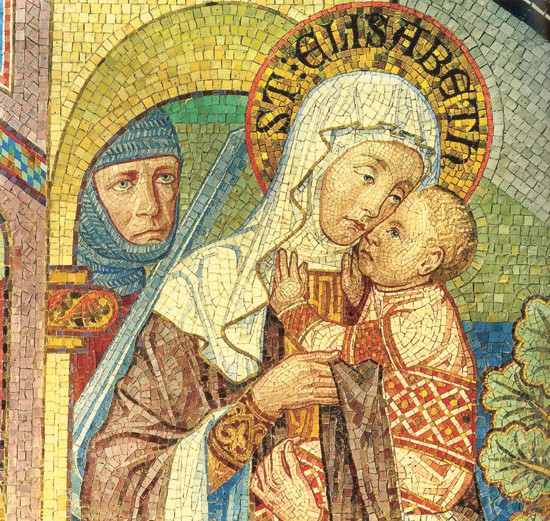
On another occasion, when her husband was absent in a difficult time of need, Elizabeth opened all the granaries to the poor and gave away all the money in the treasury. Yet the empty granaries were miraculously replenished with grain. Elizabeth gifted her husband with three children for whom she sacrificed her greatest treasure of all, her virginity. Elizabeth’s whole life was a burning elegy, and she lived in the spirit of fasting, prayer, giving and keeping vigils. On her body she wore an atonement belt of nails that caused severe wounds. In the middle of the night, she would often get up from her bed and pray on the cold stone for hours, ‘communing’ with Jesus. Although she frequently kept a vigil, in the morning she still laboured for the poor with her usual zeal. She joined the Franciscan Third Order and treasured the book she received from St Francis of Assisi.
Elizabeth was barely twenty when her husband was killed in the Crusades. The people who envied her banished her from court and forbade anyone to take her in. She first stayed in a stable with her three children before they received shelter at the monastery in Kitzingen. Subsequently, after receiving her vast inheritance, she forgave those who failed to help her in her time of need and gave away all her belongings. She refused to exchange her coarse linen clothes for fine garments. Her father wished to bring her home to live in splendour and wealth, yet she forsook this opportunity as well. Frederick II proposed to her, but Elizabeth refused to remarry.
She soon fell ill, yet still remained cheerful throughout her ordeals. She was aware of the time of her death – 17 November 1231 – in advance. Christ appeared to her in a vision and asked her: “My beloved, do you wish to dwell with me?” It is said that in her final hours, her face became so radiant that the people around her could barely remain in her presence. A great flock of birds appeared, and the air was filled with hauntingly beautiful melodies. After her death, many miraculous healings took place near her tomb in later years.
“O Mary, come to my aid! Behold, the Lord calls me to the heavenly wedding!” and in a low voice whispered:
‘Hush!’ she fell into a sweet slumber, with a happy smile on her face.”
(contemporary description of the death of Saint Elizabeth)
“How is it, My Lady that you who have always worn such miserable clothes, are now so brightly dressed? Saint Elizabeth replied, ‘It is because I have passed from this earth to another life.’”
(contemporary description of an encounter with Saint Elizabeth)
“Luther, who so relentlessly campaigned against the cult of the saints, said of her, “I readily accept that Elizabeth was indeed a saint…”
“While taking bread to the poor in secret, she met her husband Louis on a hunting party. To quell suspicions of the gentry that she was stealing treasure from the castle, he asked her to reveal what was hidden under her cloak. In that moment, her cloak fell open and a vision of white and red roses could be seen, which proved to Louis that God’s protecting hand was at work.”