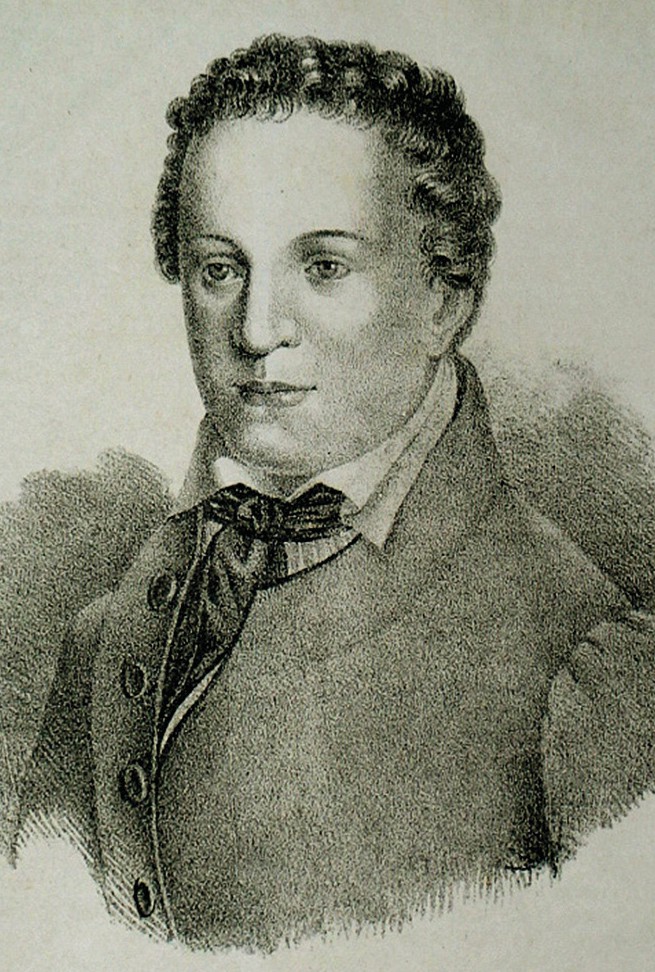
Kaspar Hauser
1812–1833, present-day Germany
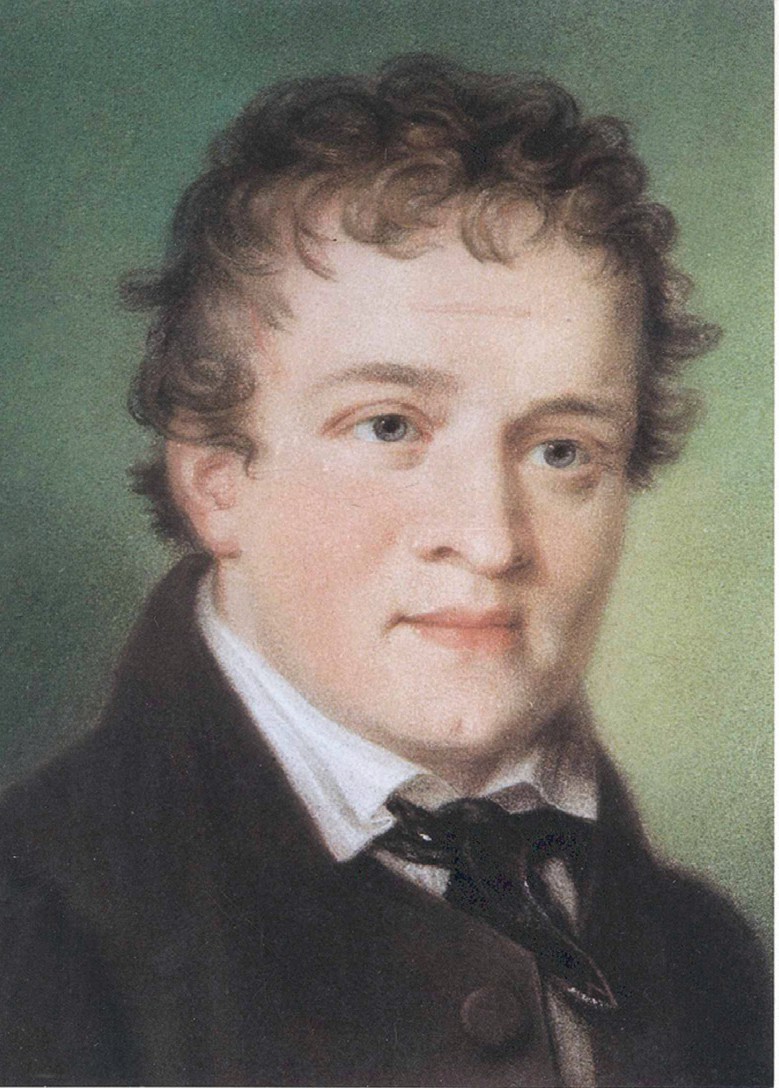
Kaspar Hauser, one of the most mysterious figures in modern history, “the Child of Europe”, who is also referred to as the “witness to living Christianity” was born on Michaelmas, 29 September 1812 at the grand ducal House of Baden’s palace in Karlsruhe, as the Duke’s son and the heir to the throne. According to contemporary accounts, he was a strong, healthy baby, but immediately after his birth he was replaced with a servant’s unviable infant, who was rumoured to have died within days while the heir was secretly locked in a dark tower room. Some religious scholars believe that Kaspar was a great figure who came into the world with a mission of such importance that, had he succeeded, it would have changed the course of history in Europe and the whole world. His adversaries therefore tried to ‘raise’ him as a sick, moronic man, who was kept in utter misery for nearly sixteen years, isolated from all other human beings. In their determination, the criminologist Anselm von Feuerbach, who later discovered the secret of Kaspar’s origins, was also poisoned.
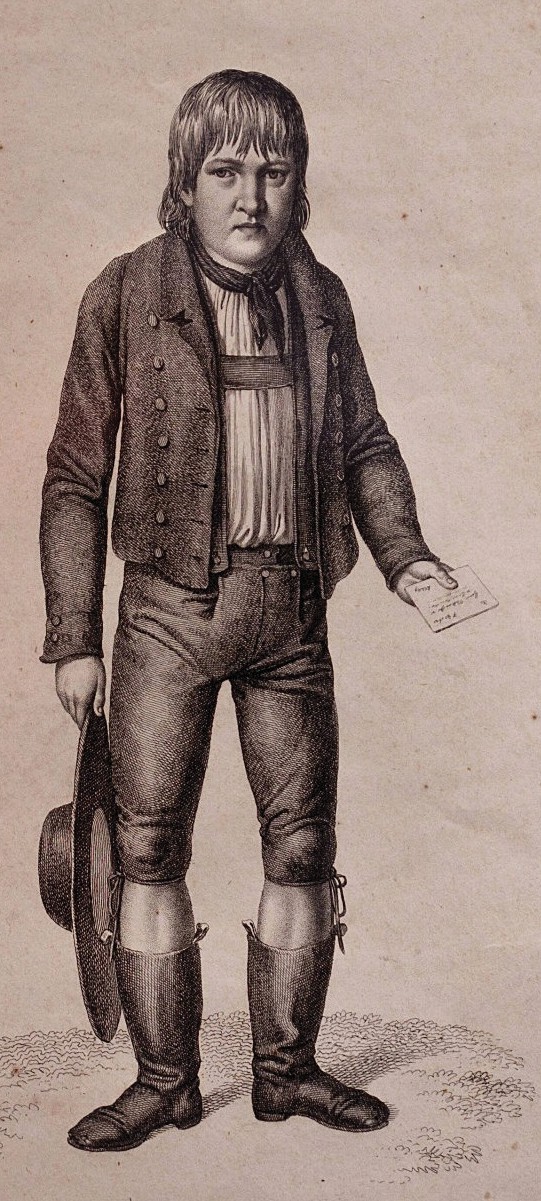
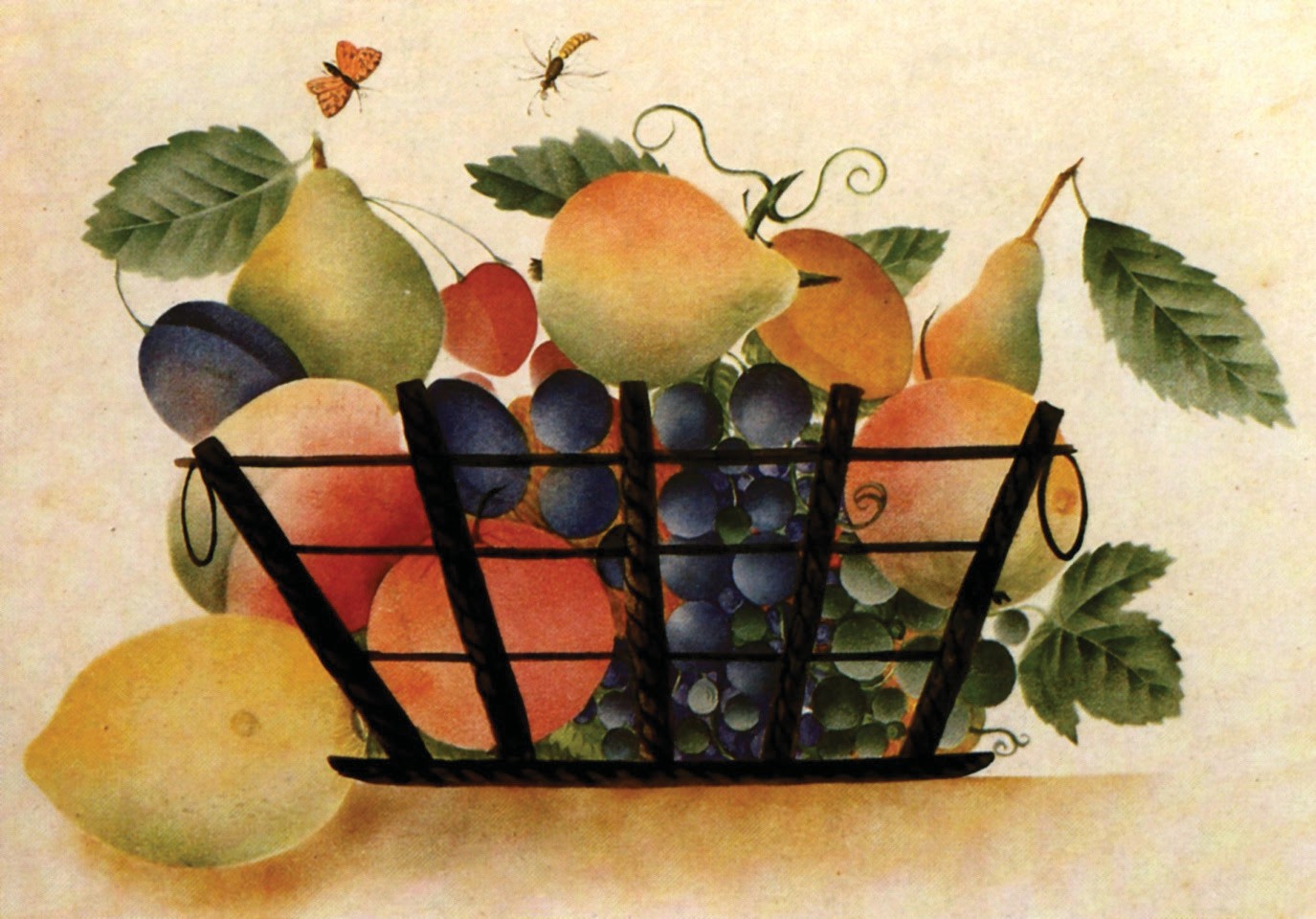
Kaspar appeared on the streets of Nuremberg on Whit Monday 1828, aged sixteen, with a brief note in his hands. As he had been kept in a dark cell with a low ceiling, where he was unable to stand up, it caused him great pain to walk, therefore he stood by idly, staring into space. People thought he was a half-wit, because whenever they asked him a question, he would answer in incoherent utterances. A teacher named Friedrich Daumer took him in and raised him with love and once Kaspar learned how to speak, he explained that he had been kept on bread and water since a young age, amongst terrible conditions. He had no notions of the Sun, time and human speech. Yet, thanks to Daumer, he learned how to orient himself in the world with incredible speed. He soon showed talent in countless areas of life. He was blessed with an exceptional memory and was capable of creating wonderful watercolour paintings even after a minimum of training, yet the greatest asset of all was his morality. They believed that he was simply incapable of lying. Those who knew him admired him for the “incredible resilience, purity and childlike goodness” he displayed that was capable of soothing even a wild beast that was intent on ravaging everyone.
On 17 October 1829, he was attacked by a masked man in his teacher’s home and they managed to wound him on his forehead. The crime remained unsolved. Two years later, Kaspar was entrusted to the care of a sadistic teacher known as Johann Georg Meyer. In the new surroundings, the young boy’s soul was crushed: his enthusiasm for the world and the tranquillity emanating from his soul slowly faded away, yet he still hopefully looked forward to his coming of age and longed to live a life of his own. Yet two years later, on 14 December 1833, Kaspar Hauser was lured to the grounds of the palace in Ansbach where he was fatally stabbed. He forgave his murderer and prayed for his soul as he perished on 17 December. Following his funeral, a campaign was launched against him, claiming that he was a fraud and a fool who had fled into suicide in order to avoid exposure.
However, based on contemporary evidence and a genetic study carried out in the late 20th century, it is now known that Kaspar Hauser was indeed the heir to the House of Baden, even though the lies about his life are still being spread in certain circles to this very day. Some scholars argue that if Kaspar Hauser had become the Prince of Baden, he could have helped establish a new, spiritually based social order in many European states. However, after “eliminating” Kaspar, spirituality was effectively eclipsed in Europe, and two extreme movements – Nazism and Bolshevism – spread throughout the world instead, leading to the horrors of the 20th century. Hermann Pies was one of the most renowned researchers of Kaspar Hauser’s life, who has published numerous studies and research results in his works. In his book, Kaspar Hauser: The Struggle for the Spirit, Peter Tradowsky quotes Goethe by pointing out the following: “A false doctrine cannot be refuted because it is, of course, based on the conviction that false is true. But one can, and indeed must again and again stress the opposite truth.”
“Gratitude and Contentment is the greatest worker of miracles. It transforms water into wine, grains of sand into pearls, raindrops into balsam, poverty into wealth, the smallest into the greatest, the most common to the most noble, earth into paradise.” (quote attributed to Kaspar Hauser from Terry Boardman’s book)
“Whoever ties himself to Kaspar Hauser ties himself to the future of humanity.” (Rudolf Steiner)
“Here lies Kaspar Hauser, enigma of his age, of undiscovered origin, mysterious his death. MDCCCXXXIII” (Kaspar Hauser’s epitaph)
“The spirits of God shine like stars in eternity’s sky.
Would that all human souls
in the realm of earthly existence might see the light of their flame!” (Rudolf Steiner)