Baha’ullah
1817–1892, Iran
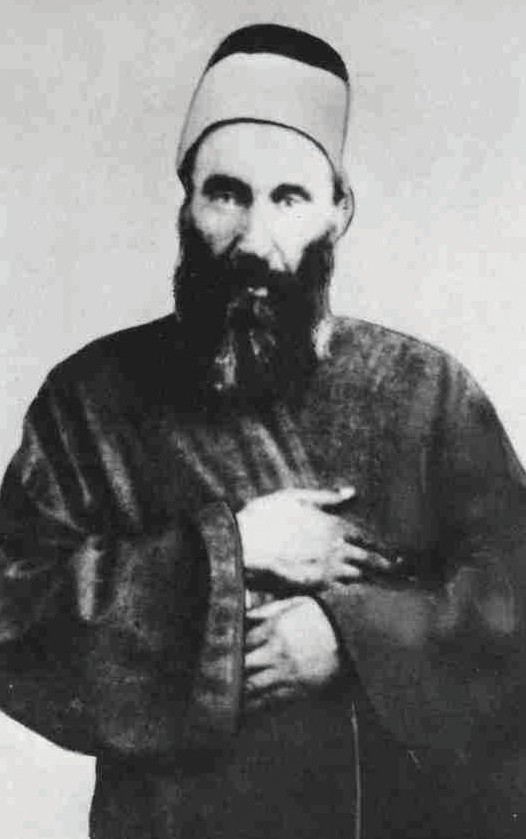
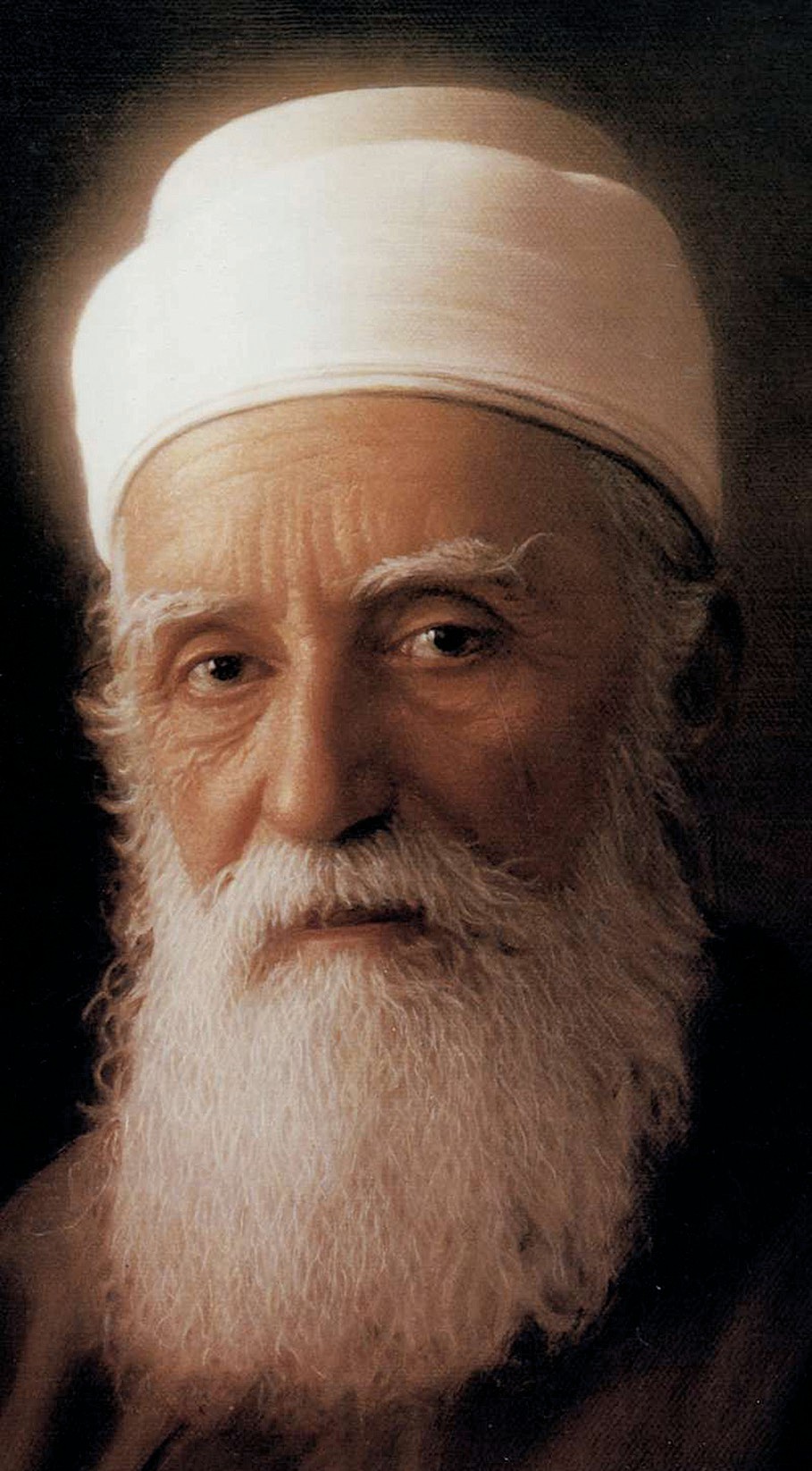
Mirza Hussein Ali Nuri, commonly known as Baha’ullah, the founder of the Baha’i faith, was born as the son of a rich and influential government civil servant in Iran, on the 12th of November, 1817. He shown interest at a rather early age in the most important questions in life. His life was defined by Shi’ite faith and the reformist movement of Islamic roots established in 1844, known as the Bábí movement. This is a movement tied to the name of Siyyid Mirza Ali-Muhammad (the Báb), who devised a system of regulations reforming the Muslim faith and who claimed himself to be the new Messiah, the long-awaited “Imam” of the Muslims. The Bábi faith quickly spread through Iran, even though the faithful of the far greater Muslim religion tried forcefully crushing the movement. Baha’ullah was bestowed with the title of Bábi at the time of the birth of the movement. The Muslims began persecuting the faithful and murdered the Báb and imprisoned Baha’ullah for a period of four months in the “Black Pit” of Tehran. According to literary sources, this is where God promised to help him lead him to success in his mission.
After his release, he retreated to the mountains of Kurdistan for two years before traveling to Baghdad, where he tried organizing the scattered Bábi exiles. The authorities were afraid of the resurgence of the Bábi movement and thus they exiled Baha’ullah – first to Istanbul and later to Edirne. Before leaving Baghdad, he spent twelve days in April 1863 in the Garden of Ridvan, where he openly declared that God entrusted him with a special task, later followed by the proclamation of 1866 in Edirne that he is the divine messenger previously promised by the Báb. He broke away from the so-called “Ali” movement led by his brother and created his own religious following, the “Baha’i”. Following the split, Baha’ullah sent envoys to Iran so they would spread the new teachings. The new faith wasn’t merely aimed at reforming the Islam, but also proclaimed that it would establish “God’s Kingdom on Earth”.
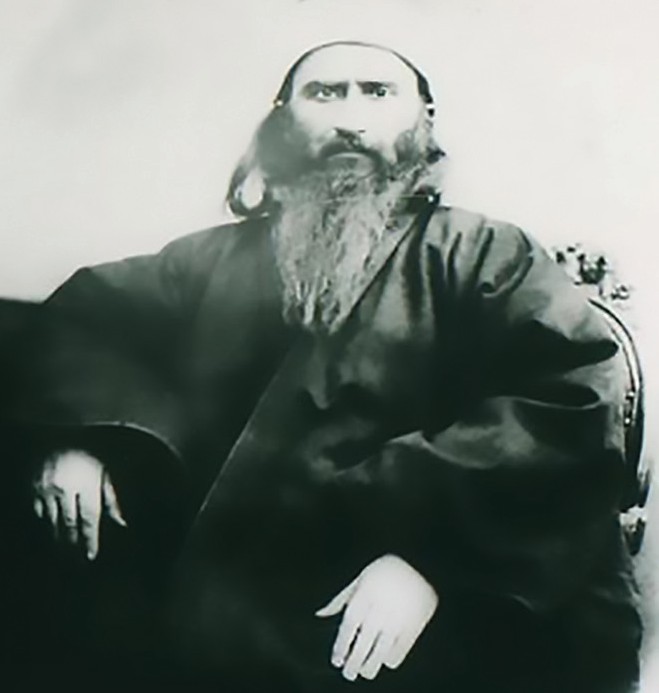
According to the Baha’i, the goal of creation was none other than to allow mankind to know and love God. Baha’ullah is regarded by them as a savior, whose advent was foretold by many prophets. His faithful are characterized by living open-handed and devout lives, as well as aspiring for physical and mental purification. Baha’ullah taught that humanity is but “the branches of one tree and the drop of one sea” and that the hatred dwelling within human souls must be displaced by a sense of unity. The leaders asked the faithful to work on improving their own shortcomings instead of scorning the sinful. According to their teachings, God assumed a number of different shapes in order to help humanity – these included Zoroaster, Krishna, Buddha, Jesus Christ, Mohamed, Báb and Baha’ullah. The clearly explained teachings provide a detailed regulation of ceremonies, life style and the social life.
Oddly enough, the Baha’i faith spread throughout the world during the years of Baha’ullah exile. Baha’ullah spent two years in prison in the Syrian city of Akká and another seven years under house arrest. He was unable to return to his home country until his death on 29th of March, 1892. He directed the organization of the new religion from Syria through an extended network of messengers. He left behind a vast life-work, including over fifteen thousand messages and a number of books. His best-known works include Hidden Words, The Book of Certitude and The Most Holy Book. His first-born son took over the direction of the community after his death. Today, the movement is governed by the “Universal House of Justice”, which has over four and a half million followers, mainly in third-world countries.
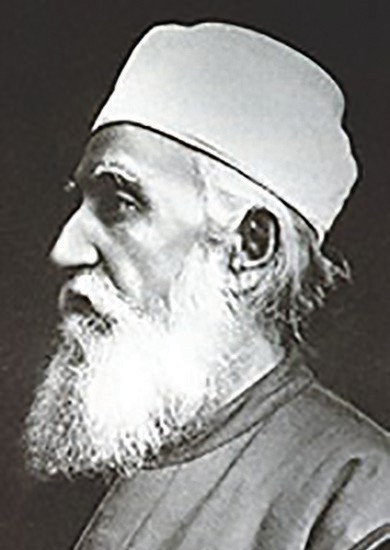
“O, my servant! Free thyself from the fetters of this world, and loose thy soul from the prison of self. Seize thy chance, for it will come to thee no more.”
“O, son of spirit! My first advice is this: possess a pure, kindly and radiant heart, that thine may be a sovereignty ancient, imperishable and everlasting.”
(Hidden Words)
“O, son of spirit! The best beloved of all things in My sight is Justice; turn not away therefrom if thou desirest Me, and neglect it not that I may confide in thee. By its aid thou shalt see with thine own eyes and not through the eyes of others, and shalt know of thine own knowledge and not through the knowledge of thy neighbor. Ponder this in thy heart; how it behooveth thee to be. Verily justice is My gift to thee and the sign of My loving-kindness. Set it then before thine eyes.”
(Hidden Words)
“That seeker must at all times put his trust in God, must renounce the peoples of the earth, detach himself from the world of dust, and cleave unto Him Who is the Lord of Lords. He must never seek to exalt himself above any one, must wash away from the tablet of his heart every trace of pride and vain- glory, must cling unto patience and resignation, observe silence, and refrain from idle talk.”
(The Book of Certitude)