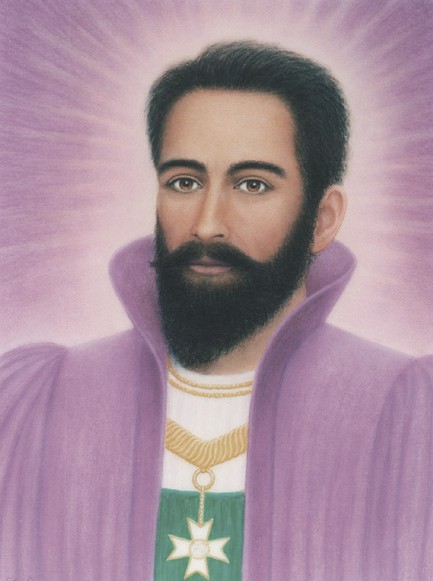
Saint Germain
1696, present-day Romania – 1784, present-day Germany
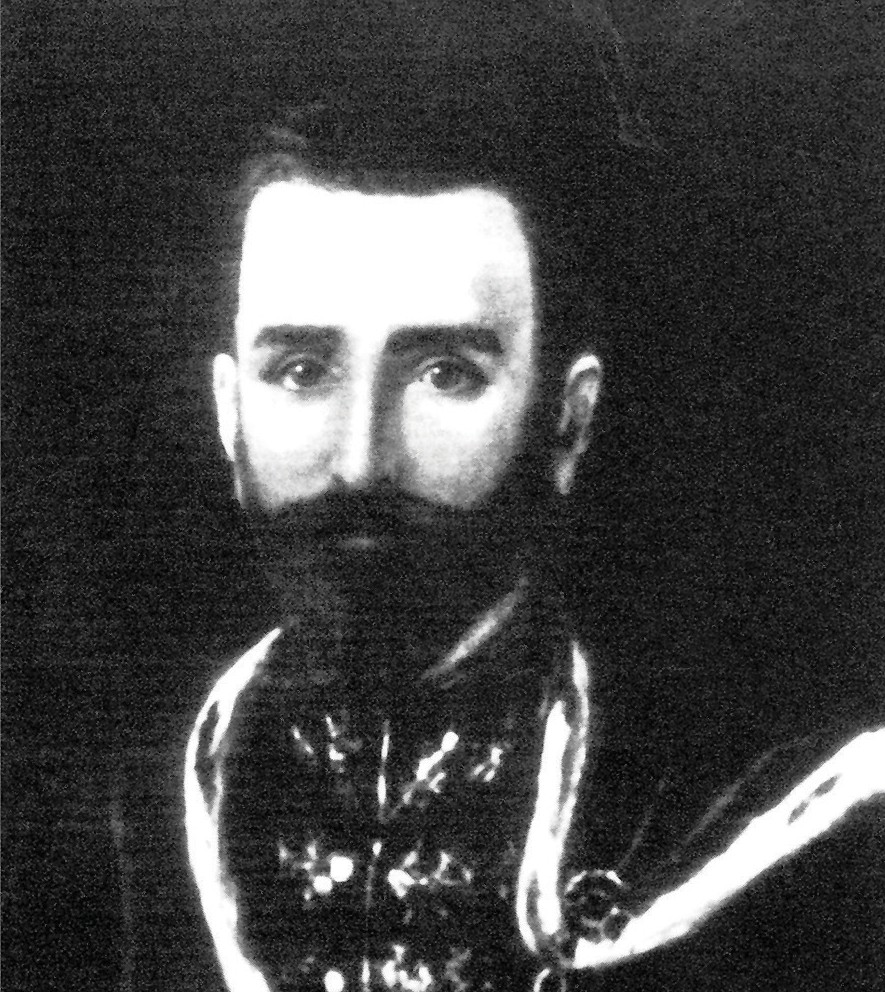
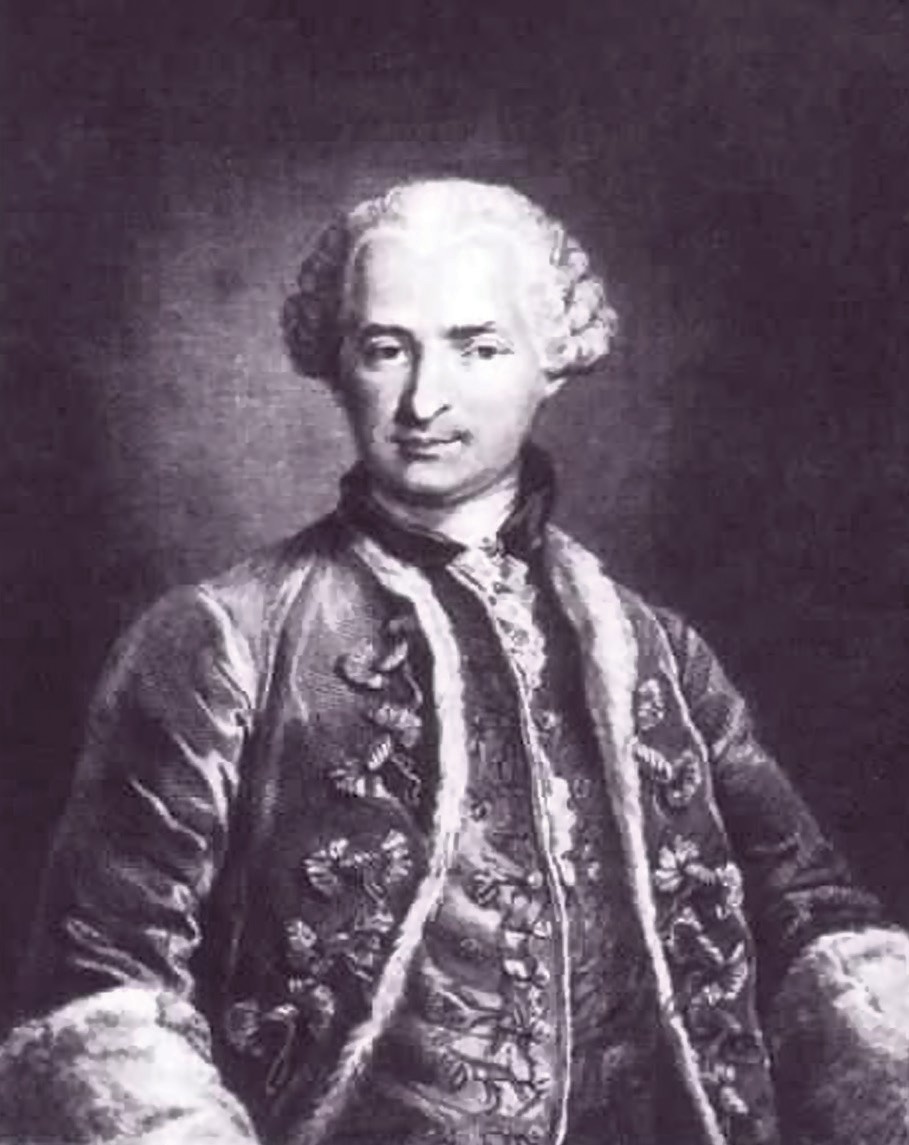
György Lipót Rákóczi, more commonly known as Count of Saint Germain, the great master of esoteric Christianity and the Master of the purple flame or the Master of The Seventh Ray, Master Rákóczi, the Hungarian Master and the Count of Europe, was born on 28 May 1696 in Cluj-Napoca as the first son of Prince Ferenc Rákóczi II of Transylvania. As the head of the Hungarian independence movement, his father was in constant peril, therefore in order to secure his safety, they spread the news of the death of his child and at four years of age, entrusted the boy to the care of the Italian Medici family.
The educator of the young Bambino – as the little boy was known – was none other than the last Medici duke, Gian Gastone of Florence, who had him raised by the best teachers of the age. The young man absorbed knowledge like a sponge and read everything in the vast library of the Medicis. His training continued at the famous Benedictine abbey at Monte Cassino, then San Germano; hence his assumed name, which he used along with a wide range of other pseudonyms, changing them from country to country and from one assignment to the next in order to maintain his incognito.
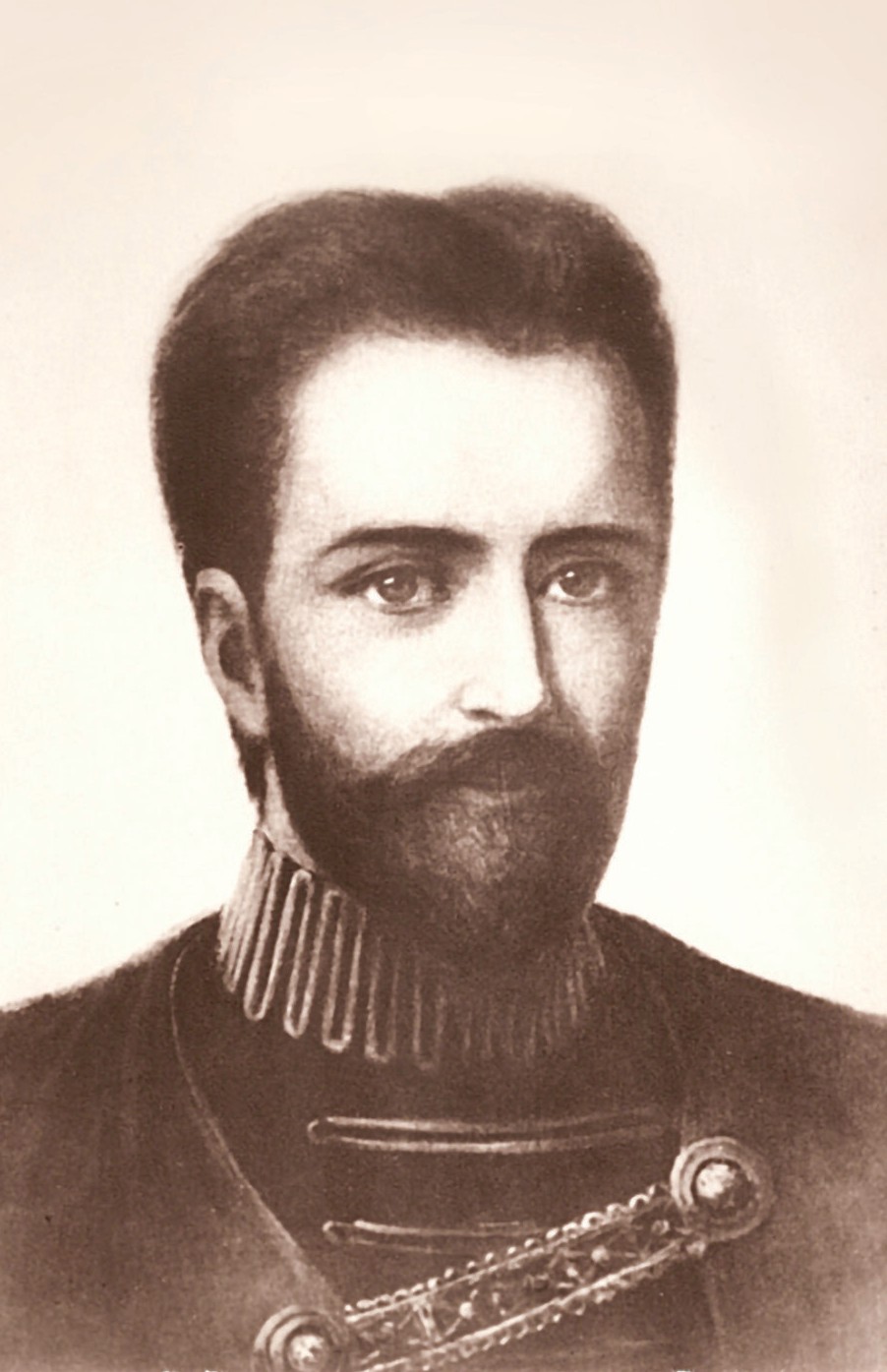
There is an abundance of historical records on his endeavours, which changed almost every aspect of Western culture and intellectual life. He was a polymath who spent half his life travelling: he was a diplomat – he is said to have spoken twelve languages without an accent from a very early age – yet as an initiated master, he was mostly concerned with the spiritual development of the world. As a man of God and of the hierarchies, he devoted his life to the service of divine will. The desire for the mysteries of the spirit was awakened in him by a Rosicrucian during a voyage to Rhodes. He possessed a deep knowledge of all the sciences. He had exceptional musical talent and played the piano, violin and harp beautifully and virtuously, singing his own compositions. He was also active in the field of painting, experimenting with special, previously unknown colours. He had extensive knowledge of astrology and alchemy: he was skilled in the making of physical gold and was also renowned as a great healer. He treated the destitute for free, yet charged large sums of money when treating the rich, which he then distributed to the needy.
He was blessed with a gift for memory: when a poem of twenty verses was read to him, for example, he would write it down flawlessly with both hands at the same time. He is said to have had access to the Akasha chronicle, where he could trace all events in history and he could also see the future: for example, he spoke of trains, steam engines and pollution. He was superbly skilled in the field of various toxins and herbs. He discovered new procedures in order to enhance the colour resistance of cotton, silk and leather. He experimented with and invented new skin renewal procedures. He contributed his vast knowledge to the creation of a fifty-eight volume world encyclopaedia. He used his esoteric knowledge to write great poems about profound cosmic truths.
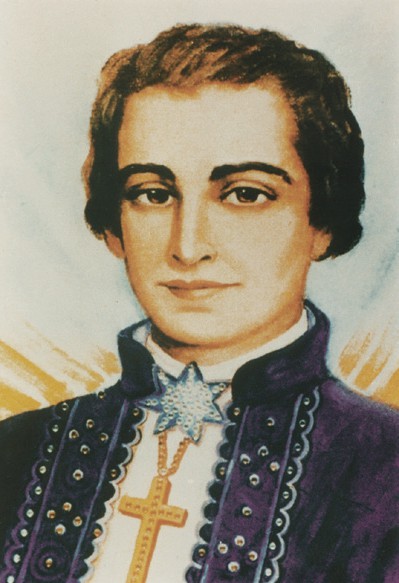
Occasionally he would retreat to a small monastery in the heart of the Himalayas to replenish his stores. He was not dazzled by vast wealth. Although he was a regular visitor in the courts of many rulers, he himself lived a rather modest life. He was a vegetarian and even when attending the most opulent feasts, he ate only raw dishes with moderation. Once, when he witnessed the beating of a worker, he vowed to relieve the suffering of others wherever he could. Throughout his diplomatic missions, he fought for world peace, using his direct ties to various rulers. For example, when Louis XV was poisoned, he suddenly appeared at the court of Versailles and cured the king in order to prevent a succession war. He also worked to bring peace between the various spiritual currents.
He was a key figure of 18th century Rosicrucianism, yet he also helped the Masonic order and attempted to continue the efforts of establishing a universal Christian republic initiated by the Knights Templar. Still, he felt it was his most important mission to train his disciples, guiding them on the path of “true alchemy” or spiritual development. To this end, he developed the so-called Trinosophia, the doctrine of threefold wisdom. He departed from the earthly realm on 27 February 1784. His body was laid to rest in the crypt of the St. Nicholai Church in Eckernförde. However, there are many contemporary accounts of encounters with Saint Germain after his death. It is widely believed that he lived for hundreds of years, and some even believe that he is still alive today.
“Do not stray from the path of perfection should you discover some imperfection in a fellow human being; let your love flow freely and grant them the power of the perfection that lives in you. You will be doing them a greater service than you could ever dream of.”
“The greatest alchemy is the spiritualisation of the physical body. Every dedicated soul is entrusted with this mission by the greatest alchemist of all time, Jesus Christ.”
“It is better to trust in the Lord than to sit among the mighty.”