Arsenie Boca
1910–1989, present-day Romania
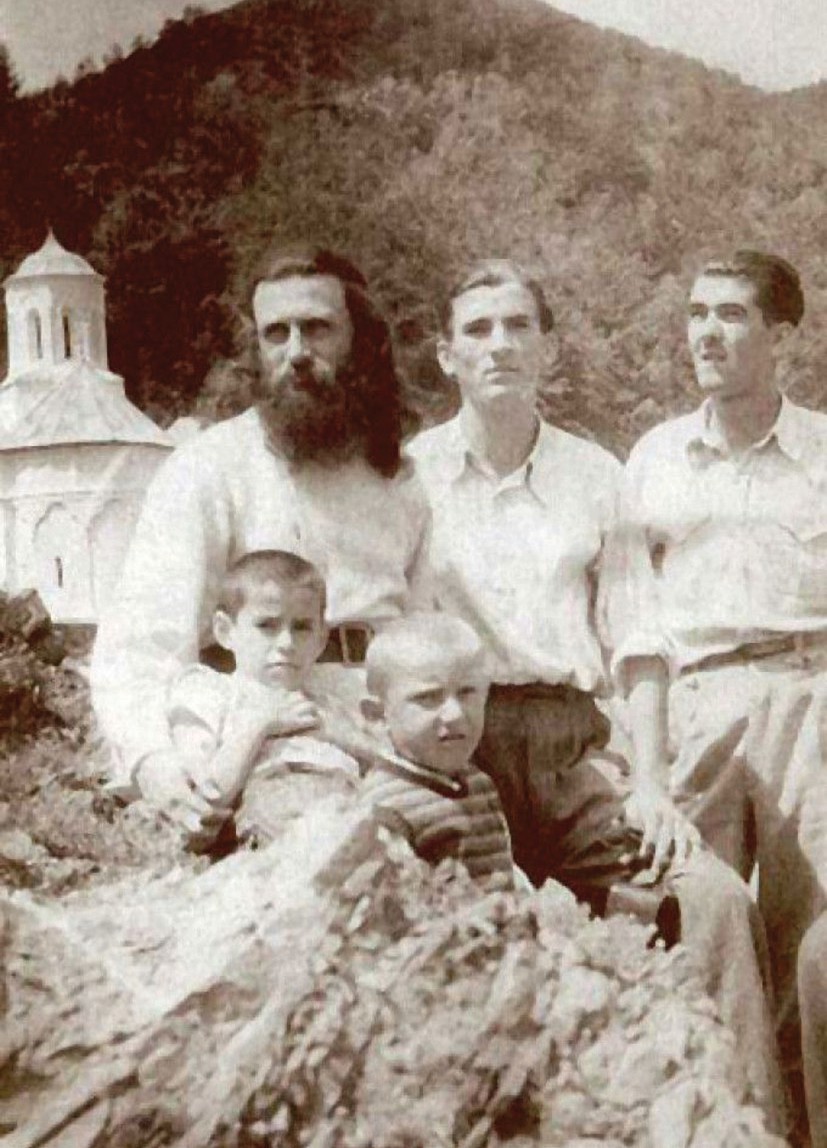
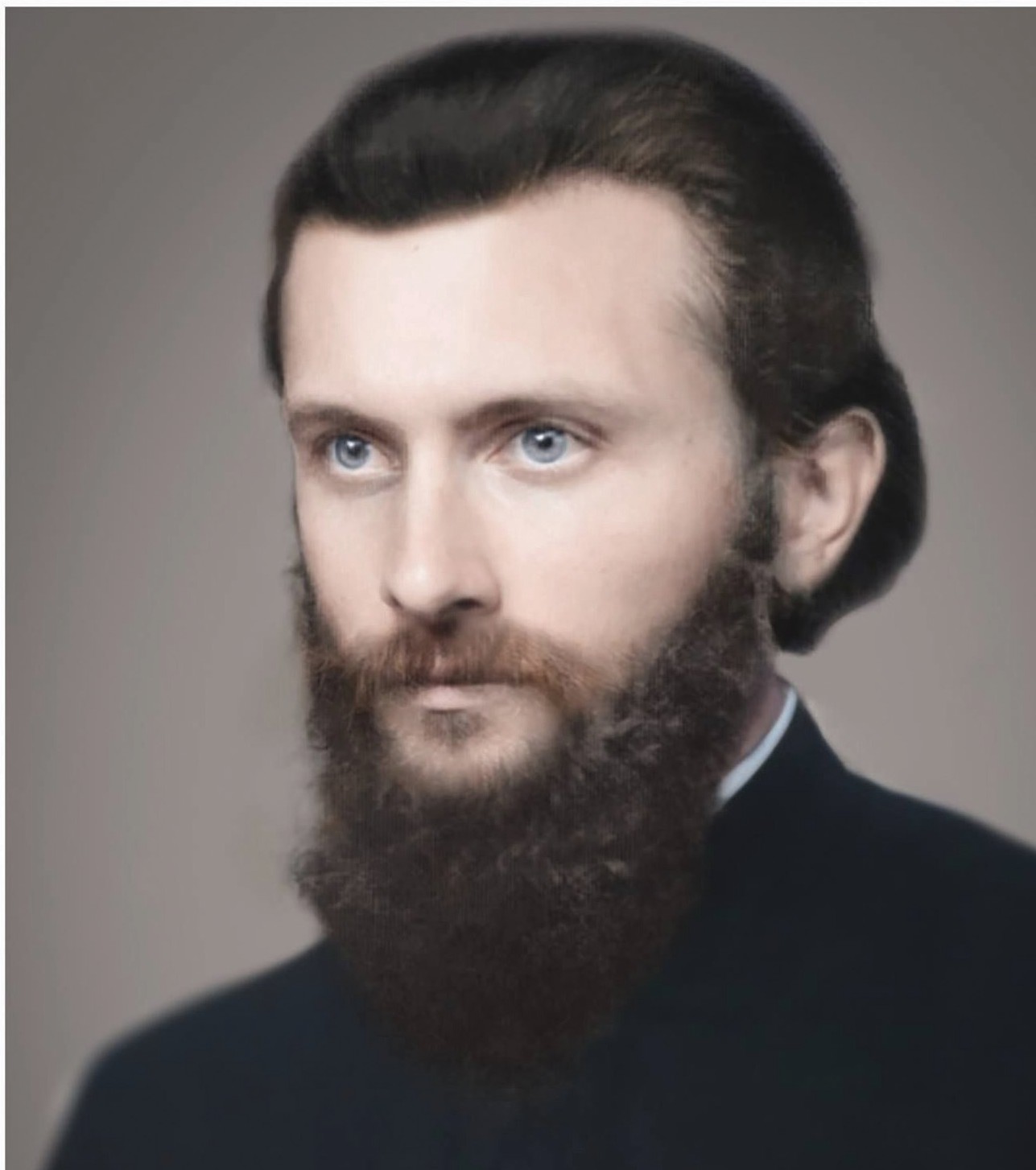
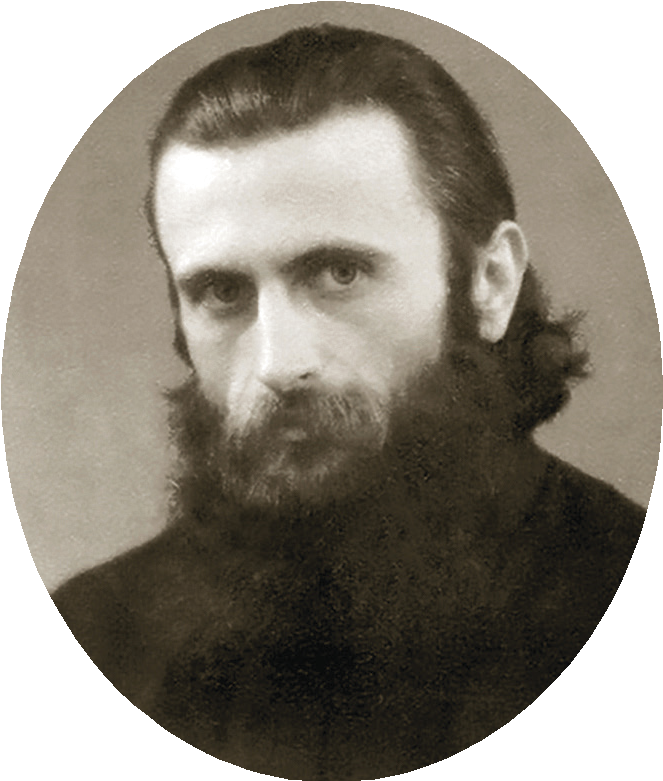
The famous Transylvanian saint, Arsenie Boca, psychic prophet and Orthodox priest was born Zian Valean Boca on 29 September 1910, Michaelmas day in the southern Transylvanian settlement of Felváca (Vata de Sus). As a child orphaned at an early age, he preferred to spend most of his time alone, even on holidays, immersing himself in prayer or reading. He lived a disciplined, self-educated, ascetic life by controlling his desires and pushing himself to the limit. He attended the Theological Academy of Sibiu on a scholarship and also studied painting at the Bucharest National University of Arts. In 1936, he was appointed deacon at the Brancoveanu monastery in Sambata de Sus, at the foot of the Fagaras Mountains, and three years later he was ordained a monk.
In 1939, he journeyed to Mount Athos for three months, which proved to be a life-changing experience. Here, he underwent a 40-day so-called Black Fast, during which no food or liquids are consumed during the day. During this period, he had a mystical encounter with the great priest who lived two hundred years earlier, St Seraphim of Sarov, who instructed him in the prayer of the heart. It is believed that he returned from Athos with the ability to foresee events and peer into the human soul. He knew at a glance the names of people previously unknown to him, and read their minds, becoming aware of both good and bad alike. He could tell who was willing to change and who was not ready to undergo this process.
In 1939, he had a pivotal experience at the train station in Chisineu, where he noticed a poorly dressed man, standing around idly in the cold weather. He bent down to offer him a milk loaf from his bag, yet by the time he turned around he was surprised to see that that man had vanished. Suddenly a great power washed over him, coupled with the certainty that he had met the Saviour. As opposed to Orthodox Christian traditions, Arsenie wore a white and not black habit. He believed that the white garment had a mystical significance. He was flooded with visitors, even though people often had to wait for weeks to see him. He heard people’s confessions and furnished them with spiritual comfort, healing and performing miracles. It was also said that he could talk to birds, like Saint Francis. He had a direct and very outspoken attitude. As a confessor (he became an Orthodox priest in 1942), he was strict and often gave instructions that were difficult to follow, yet also transformative, mostly suggesting fasting, prayer, abstinence, and a life of moderation.
However, he was not able to pursue his devotional activity for long as his ordeals began in 1947. He was arrested for the first time and accused of having ties to the Iron Guard militant organisation. The Romanian secret service, the Securitate, considered him a dangerous element and were wary of his influence feared him and intended to compromise him at all costs. In 1951, he was interned to the Danube-Black Sea Canal for forced labour. He saw this as an opportunity for physical and spiritual exercise and continued his priestly mission: he worked hard for others and kept the faith of the prisoners alive. On one occasion, he caused a great commotion as he was seen at his mother’s funeral in Halmagiu and the village informer immediately reported his presence. It transpired, however, that Father Arsenie never left the place of forced labour.
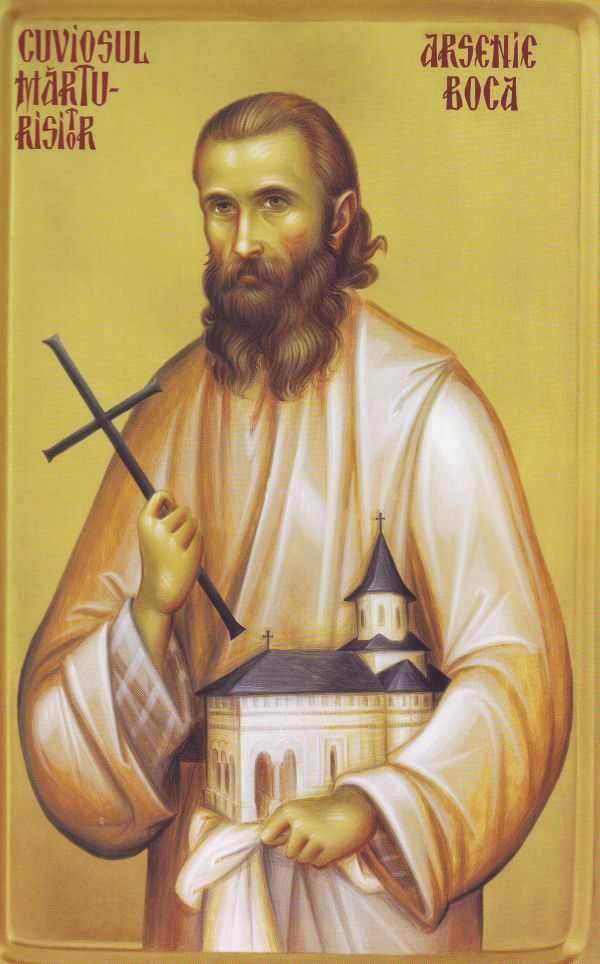
In 1955, he was imprisoned in Timisoara and later in Zilava, where he began praying regularly every midnight, causing the door to cell to open every time, much to the horror of the prison guards. From 1952, Arsenie was no longer allowed to exercise his priestly vocation and had to remove his monastic habit from the spring of 1959. When the political tension eased in Romania in 1967 and priests were allowed to return to their posts, the Orthodox leadership no longer allowed him to continue working as a priest due to his open ties with the Anthroposophical current of esoteric Christianity and his related statements. Father Arsenie was barred from helping souls: he could not conduct mass or heal anyone. During the years of the ban, he worked as an icon painter – one of his most important works was the fresco entitled The Transfiguration. He spent the last 12 years of his life in enforced and nearly total seclusion in Sinaia. He foresaw the date of his death, which took place on 28 November 1989. The circumstances of his death remain unclear to this day. His resting place is located in the garden of the monastery in Prislop, which he predicted would become a place of pilgrimage. There was also a spring, the water of which was later redirected from the tomb. To this day, countless miraculous events take place here. As promised, even after his death, the Father continues to aid those who turn to him for help.
“The body is alive if it has a soul. The soul is alive when God dwells within it. The body dies when it is separated from the soul, and the soul perishes when it is separated from God.”
“He who prays to God from the heart is a free man.”
(Words spoken by Arsenie Boca when the door to his cell opened every day at midnight as a result of his prayers.)
“In every great ideal there is something paralysing that prevents one from dealing with this trifle matter of life.”
“Nothing can replace the lack of love, but love can make up for all shortcomings.”
“Prayer is the breath of the soul, while fasting quenches the fire of passions.”
“All the troubles are coming from our mistakes, not from God. Consequences that God allows us to experience in order to augment our wisdom.”