Carlo Acutis
1991, England–2006, Italy
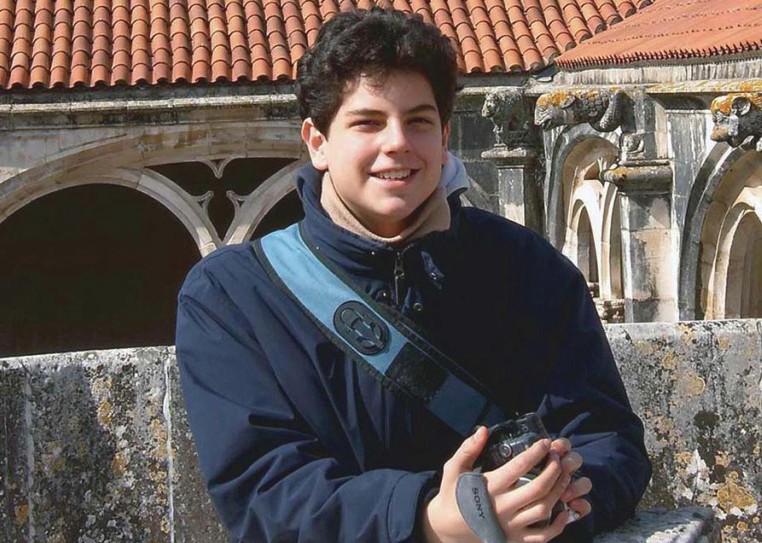
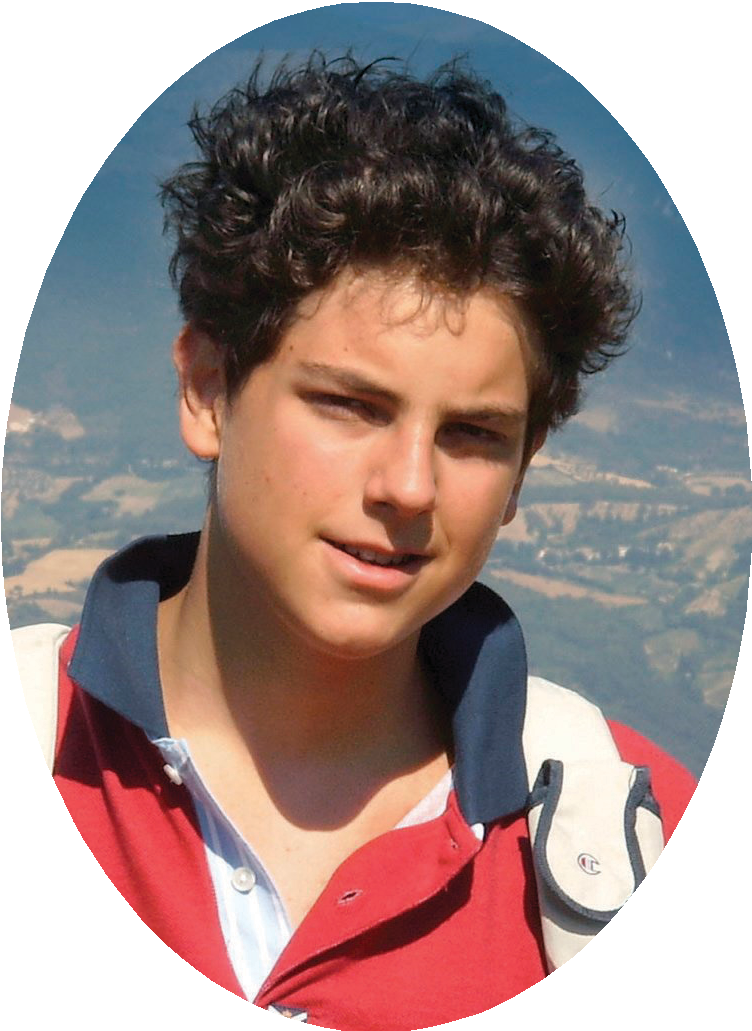
Carlo Acutis was a Gen-Y youth, considered the saint of the digital world and patron saint of computer users, whose short life set a shining example for the troubled youth of the modern age. He was born on 3 May 1991 in London, England. His modesty, openness and creativity will hopefully reach a growing number of followers around the world. To a certain extent, Carlo was an ordinary young man who was born into a well-off and not particularly religious family. He had been a believer from an early age, but as a man of the modern age, he wanted to become a Christian in a new way, in keeping with the age of technological progress, and this is what made him credible to the modern youth.
A few months after his birth, the family relocated to Milan. He lived there for 15 years, spending his summers in and around Assisi, a city dear to his heart. He went to primary school at a school operated by the Sisters of St Marcellina and then studied at the Jesuit Leo XIII Institute. He was a cheerful, lively boy who loved music; for example, he learned how to play saxophone on his own. He also loved cooking and created his own recipes. Although he was a computer whiz from a young age (he could program at the level of a software engineer), he did not become addicted to the virtual world: he used the computer with restraint only for good things, to serve God. He saw it as the means to bring the Eucharist closer to people.
After two years of work, and with the help of his parents, he created a website to collect the Eucharistic miracles recognised by the Church and created an exhibition of them. According to his mother “Carlo was the light answer to the dark side of the web”. He called on his peers to be critical of the world around them, and not become addicted to TV shows and technology. He believed that the purpose of life was to become a saint, and he himself tried to live up to this ideal. After his death, the previously unknown details of his life were revealed. The seemingly ordinary boy never failed to help the homeless, befriend people of various faiths or even outcasts, trying to bring out the best in them. He also coined the phrase of an “avalanche of goodness”, referring to the fact that every person is called to holiness of life and the practice of good deeds.
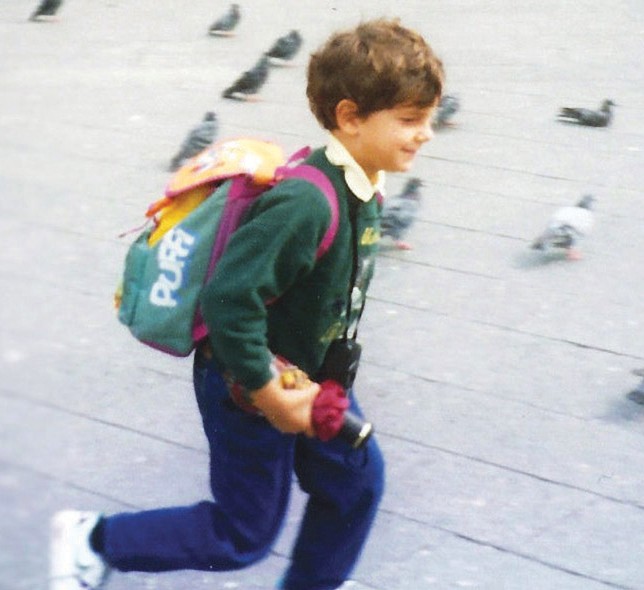
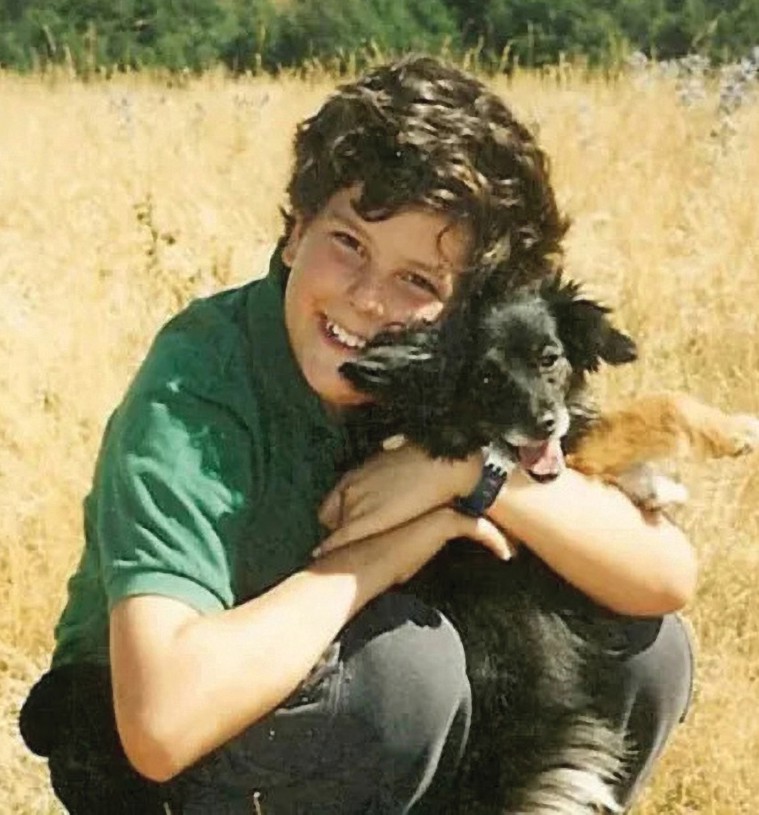
They said that “if you were feeling blue, it changed when he was around.” He was practically always smiling. He was characterised by gratitude, reconciliation and an attitude that comes from the certainty that God is love and is always with us. Once he learned the story of the three children of Fatima, he willingly made sacrifices for others, particularly sinners. His mother, Antonia, said that her son had always loved going to church and attending mass, but he did not settle with this and instead constantly developed himself, trying to get rid of his bad qualities and growing in faith. His goal was always to put Christ at the centre of his life.
After a sudden attack of what was initially thought to be the flu, his condition rapidly deteriorated and he was diagnosed with acute leukaemia, which wasted him away within a month. The disease left his legs and arms swollen and in immense pain. Yet he never complained or focused on his own pain, saying “there are people who suffer much more than me.” Despite his pain, he exuded calm and was always smiling and sometimes even helped those who tended to him. “Carlo is the kind of patient you stay with, not because of his complications, but because he fills your heart with warmth and peace,” said one of his nurses.
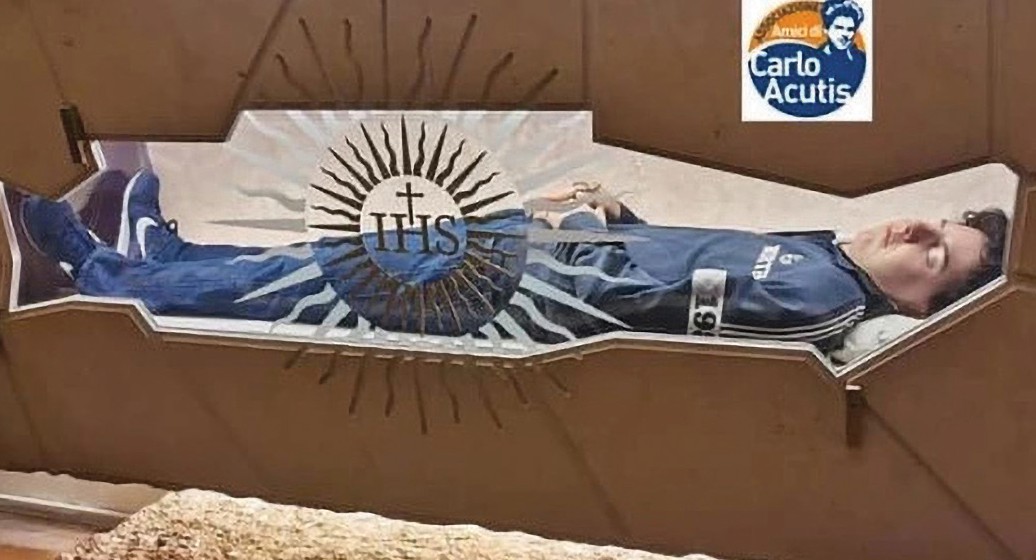
Shortly before his death, Carlo posted a video in which he spoke with a reassuring smile as he explained that it was his fate to die. On his website, he previously devoted a separate section to saints who died at a young age, prophetically adding: “I will die young”. He finally passed away at a hospital in Monza on 12 October 2006. His sudden death came as a shock for all. At his request, he was buried in his beloved city of Assisi in jeans and trainers with a rosary in his hands. 13 years later, his final resting place was relocated to the great Franciscan pilgrimage site of Santa Maria Maggiore. A huge crowd accompanied him on his final journey. It was a moving experience to see hundreds of young people walking up to the tomb to touch and kiss the coffin and pray at the feet of their role model.
“All people are born as originals, but many die as photocopies.”
“Sadness is looking at ourselves, happiness is looking towards God.”
“[I cannot understand] why many people are so concerned with the beauty of their bodies rather than spending time on the beauty of their souls.”
“Find God and you will find the meaning of your life!”
“The Eucharist is my highway to heaven.”
“Only those who do the will of God will be truly free.”
“Our soul is like a hot air balloon. If by chance there is a mortal sin, the soul falls to the ground. Confession is like the fire underneath the balloon, enabling the soul to rise again… It is important to go to confession often.”
“I’ll give you many signs, don’t worry,” he said before his death to his mother. He soon appeared to her in a dream and informed her that she would be a mother again. And so she did: after four years, she gave birth to twins.
“You too can be a saint. But you need to want it with your whole heart, and, if you do not yet desire it, ask the Lord for it with insistence.”
“A life is really beautiful only if we learn to love God above all, our neighbor as ourselves.”