Elijah
around 900-850 BCE, present-day Israel
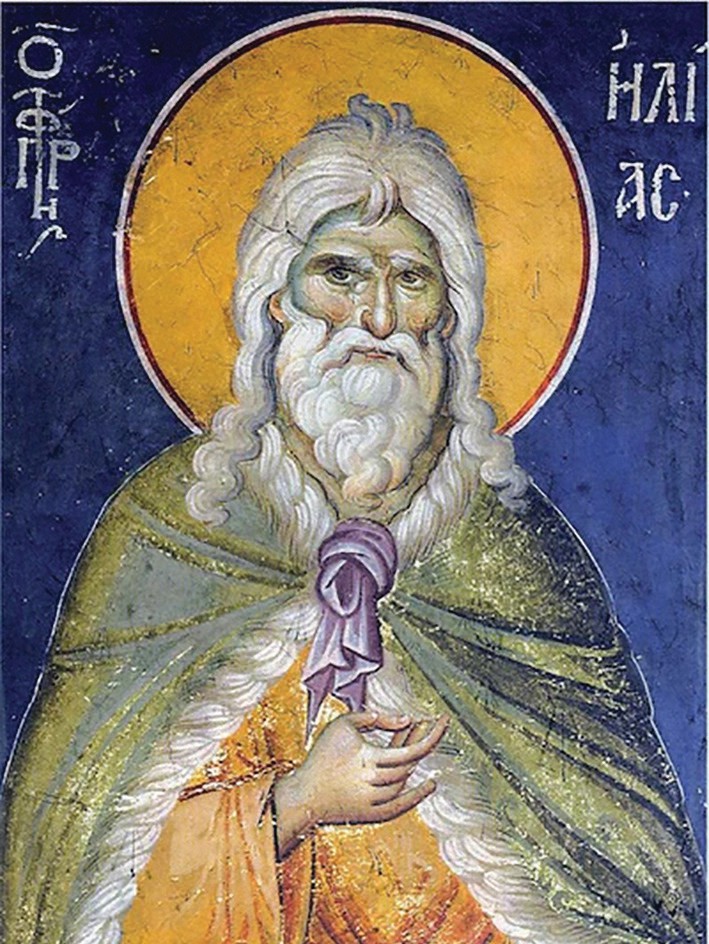
Elijah (also known as Elias or Elijahu), one of the most widely known prophets of the Jewish people, whose arrival was widely predicted, was born in Tishbae, Gilead, on the eastern banks of the River Jordan River, around 900 BCE. His name means: “My God is Jah”. He was tasked with the mission to promote the spiritual renewal of his people at an important and dark time of his people’s history. Elijah was the embodiment of a man who remained true to his faith and God throughout his life, and served as an important harbinger of God’s love and not his vengeance. His life was fraught with trials and tribulations. At times he was very firm and courageous or reluctant and full of fears in other situations, yet God supported him in the midst of all his difficulties.
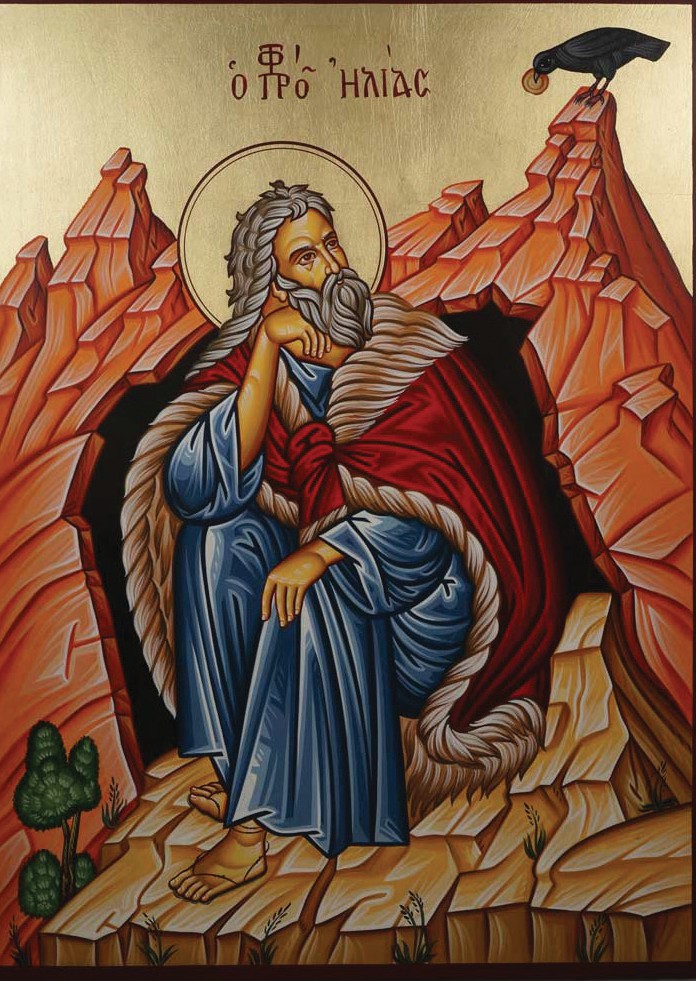
Elijah maintained a dialogue of sorts with God. Elijah heard the voice of the Lord and sought to do His bidding. In the story in the Old Testament, King Ahab (874–853 BCE) and his wife Jezebel worshipped the pagan fertility god Baal. God entrusted Elijah, the faithful servant of God, to go to Samaria and call on Ahab to repent and acknowledge the one true God. He promised that if this would not take place, the kingdom of Ahab would be afflicted by drought. As his words immediately caused a great drought, and Ahab blamed Elijah instead of repenting his sins, Elijah was forced to flee. During the manhunt to find him, he hid near the Kerith Ravine with his companions and then fled to Sarepta in Phoenicia. Elijah was fed by a raven during his hardships, and after three years he was again called to Samaria as a messenger of God, where he announced the coming rains.
Elijah called on the king to summon the people and the priests who followed Baal to Mount Carmel, and he said to the multitude, “How long will you go limping between two different opinions? If the Lord is God, follow him; but if Baal, then follow him.” He then asked for two bulls – one for the priests and one for himself – to be sacrificed on the altar. According to the scriptures, Elijah suggested that each party should ask their god to light a fire. The priests of Baal pleaded with their lord in vain, until Elijah turned to God and immediately, a fire was miraculously lit. The crowd began shouting in unison: “The Lord – He is God! The Lord – He is God!” before the wrath of the people swept the fake priests away. As God promised, the rainfall returned to end the drought that same day.
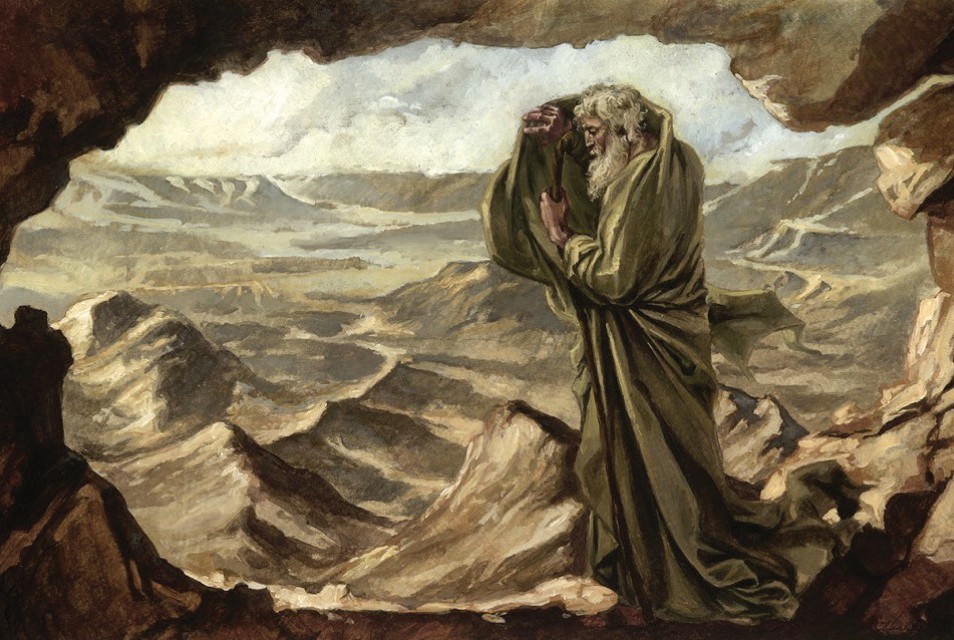
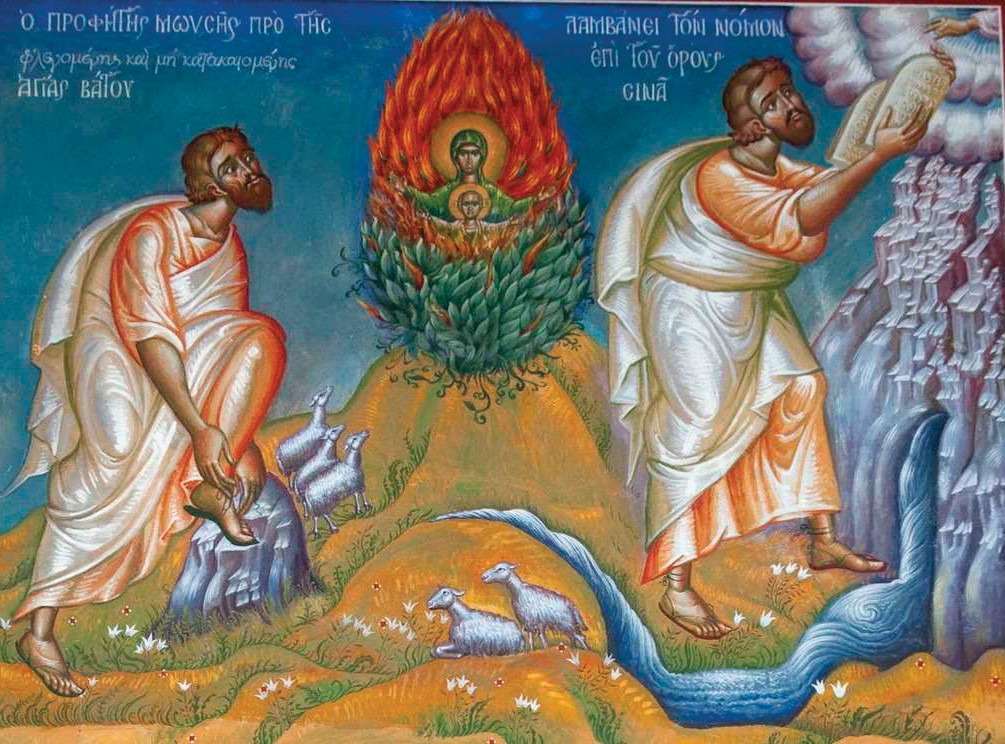
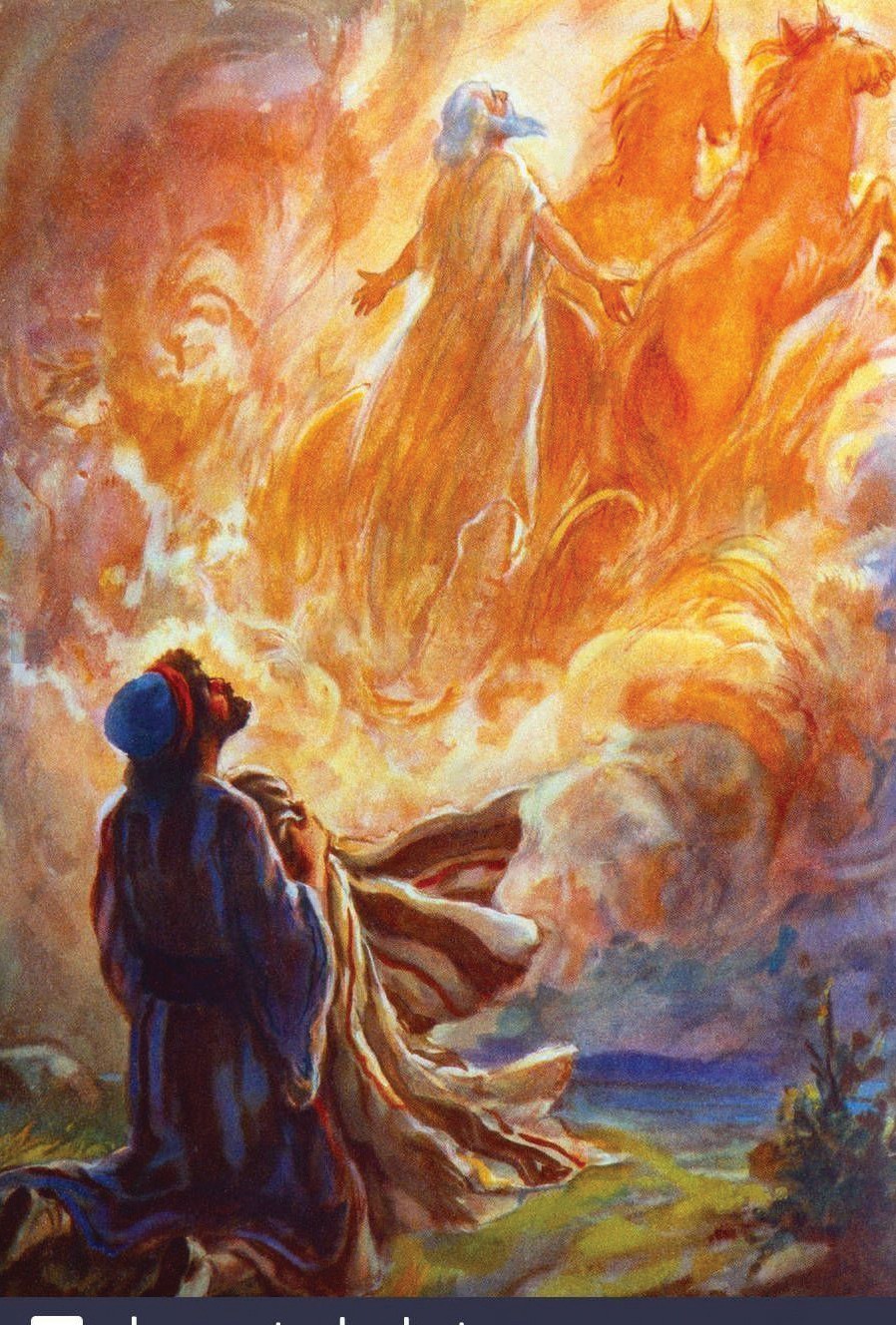
Still, Elijah was forced to flee Ahab again. After forty days of wandering, he came to Mount Horeb on the Sinai Peninsula, where God appeared to him, as he had appeared to Moses before him. With the Lord’s help, Elijah performed countless other miracles, seven of which are recorded in the scriptures. He multiplied oil and flour for a poor woman in Zarephath, raised her son from the dead and divided the waters of the River Jordan. Following the death of Ahab, he continued his activities for some time. His closest disciple was Elisha, whom he personally prepared for his service as a prophet. According to the scriptures, Elijah was granted a special favour by God: similarly to Enoch, he left the Earth in a “chariot of fire”.
To this day, Elijah has many followers and admirers in the Jewish, Christian and Muslim religions. Based on the prophecies of the prophet Malachi, the Jewish believe that Elijah will return to prepare the way for the Messiah. In esoteric Christianity, Elijah is identified with John the Baptist, revered as the man who prepared the coming of Christ in Jesus, the Messiah. In the Islam religion, he is considered one of the 25 prophets mentioned in the Koran. The Old and New Testaments make several references to Elijah’s spiritual greatness, saying that those who will work “with the spirit and power of Elijah” will be redeemed and taken up to heaven in his likeness. The early Christian hermits settled on Mount Carmel, following the ascetic life of Elijah and seeking to follow in his footsteps. The site is considered a holy mountain, home to the sites of Elijah’s life, including the spring, the cave and the house where Elisha lived. The Carmelite order, an important monastic order in Christianity, is dedicated to Elijah.
“The Lord comes. He will turn the hearts of the parents to their children, and the hearts of the children to their parents; or else I will come and strike the land with total destruction.”
(Book of Malachi 4:5-6)
“But I tell you, Elijah has already come, and they did not recognize him, but have done to him everything they wished. In the same way the Son of Man is going to suffer at their hands.” 13 Then the disciples understood that he was talking to them about John the Baptist.
(Matthew 17:12-13)
“At the time of sacrifice, the prophet Elijah stepped forward and prayed: “Lord, the God of Abraham, Isaac and Israel, let it be known today that you are God in Israel and that I am your servant and have done all these things at your command. 37 Answer me, Lord, answer me, so these people will know that you, Lord, are God, and that you are turning their hearts back again.” Then the fire of the Lord fell and burned up the sacrifice, the wood, the stones and the soil, and also licked up the water in the trench. When all the people saw this, they fell prostrate and cried, “The Lord—he is God! The Lord— he is God!”
(1 Kings 18:36-39)