Erzsébet Galgóczy
1905–1962, Hungary
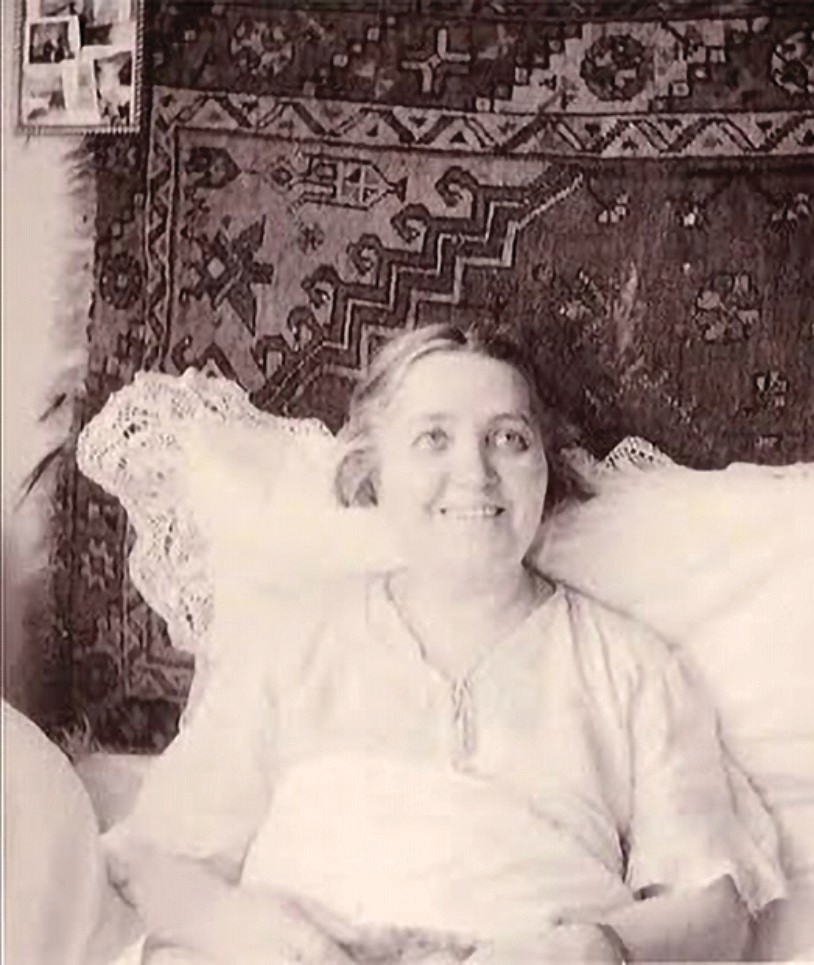
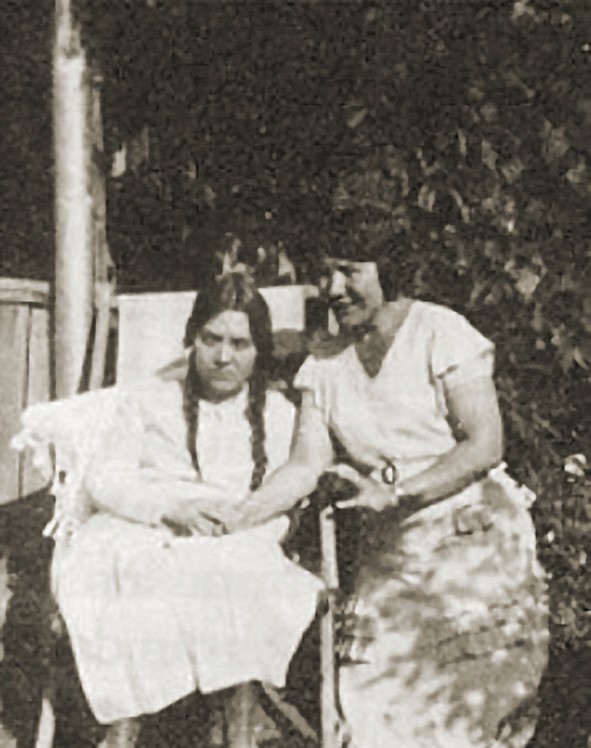
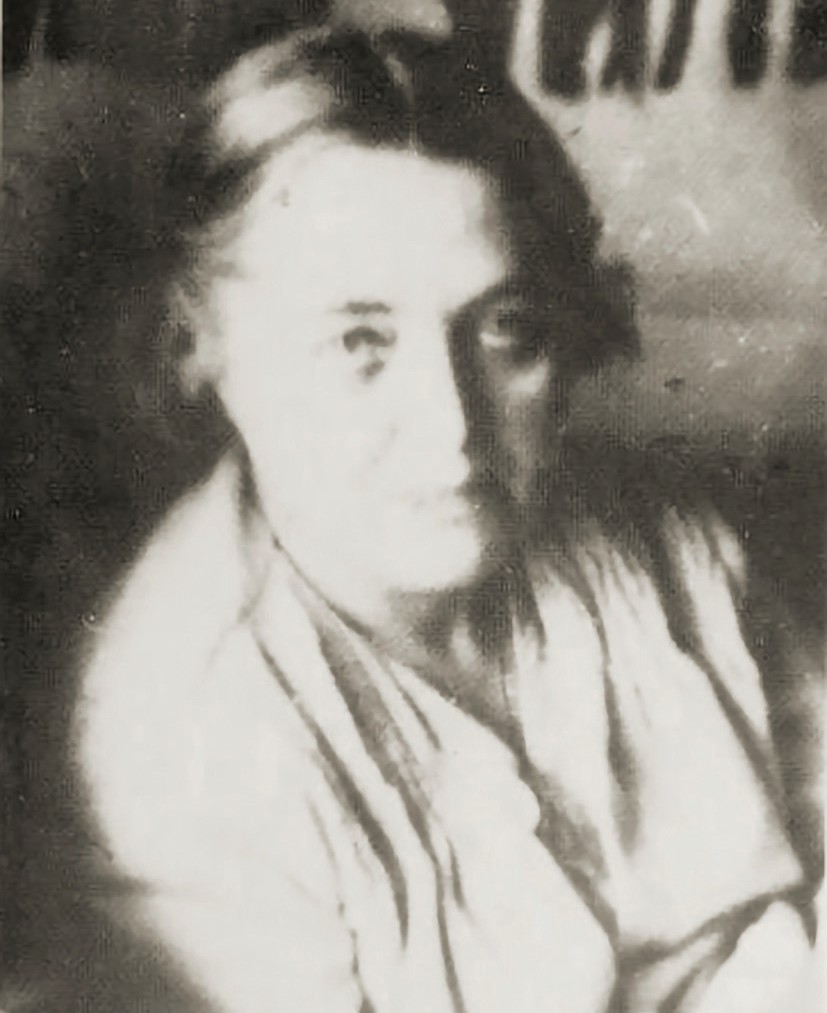
Erzsébet Galgóczy “the white martyr of Christ,” stigmatized visionary, was born on 27 June 1905 in Szolnok, as the tenth child of a family of eleven. She lived as a contemporary of two of Europe’s great stigmatists – Padre Pio in Italy and Therese Neumann in Konnersreuth, Germany – suffered as an atoning sacrifice for her country and for the salvation of sinners. It is said that the three of them, bearing the scars of Christ and living a life of continuous self-sacrifice, shone like a shining cross across the blood-stained skies of Europe.
While Padre Pio and Therese Neumann gained international fame, Erzsébet Galgóczy remained anonymous until her death at the request of the Virgin Mary. However, Padre Pio knew about the Hungarian stigmatist. To the Hungarian pilgrims who visited him, he said: “Why do you come here from Hungary? You have your own stigmatist!”
Erzsébet Galgóczy’s parents were simple and deeply religious people. From an early age, she suffered from diseases and accidents that harrowed her life and she could barely complete her primary schooling. Her love and devotion to Jesus and the Blessed Virgin Mary was thanks to her mother, who dedicated Erzsébet to both of them before her birth. Her special spirit of self-sacrifice was already evident at the age of 14, and even as a child she longed for martyrdom. In 1919, when the Romanian armies invaded the country as far as the River Tisza, Erzsébet rescued the blessed bread and wine from the Castle Church in Szolnok, which was being bombarded by canons at the time, and swam across the flooded Zagyva River, strapping the goods to her head and shoulders to save the precious burden.
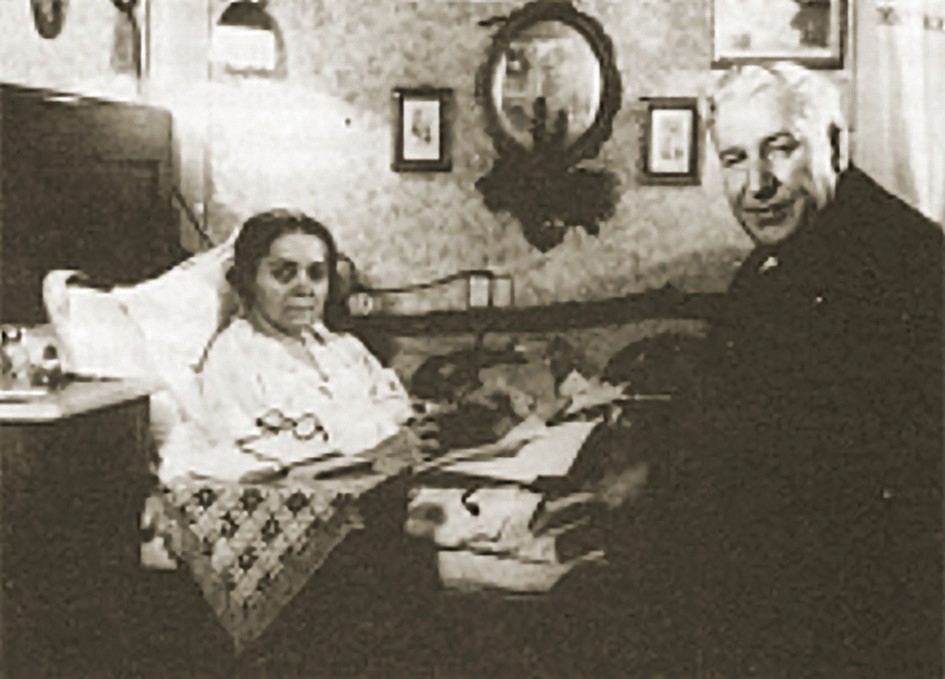
Her longed-for martyrdom unfolded in its totality through the sanctity of her life. For forty-two years she lived in intense physical and spiritual agony, lying in bed. Her illnesses, some of which the doctors suspected would be fatal, are almost impossible to list (she describes them in her autobiography). One of these diseases was tuberculosis contracted as a result of pneumonia, spreading from the lungs to the intestines and then to the bones. She was often feverish, with temperatures frequently over 42 °C. She also had degenerative musculoskeletal conditions as well as heart and circulatory disease. She is said to have had the capacity to take on the illnesses of others.
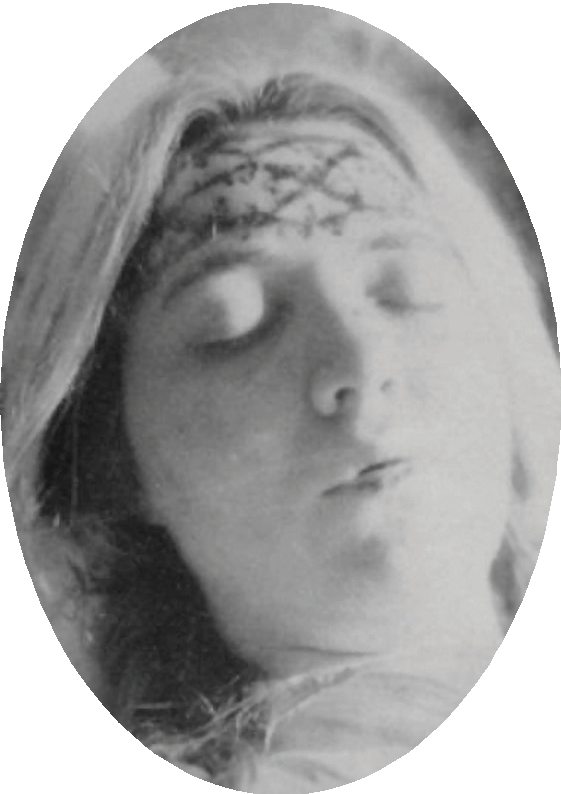
In July 1929, she claimed to have been visited by a ‘very beautiful and unspeakably charming lady’. She later believed that the mysterious visitor appearing at her bedside on a daily basis was the Virgin Mary. She taught her, consoled her and prepared her for her mission of atoning sacrifice. Initially, she imparted teachings as an introduction to mysticism and the mystic union with God. From December 1928, Erzsébet’s sufferings intensified when she offered herself as an atoning sacrifice for her country and all people. In 1929, at the time of Lent, she had a strange dream of bearing the cross of Jesus. From this point on, occasionally disappearing for certain periods of time, she bore the scars (stigmata) of Jesus Christ on her body for 33 years, experienced the agony of Jesus every Friday on a weekly basis.
In addition to her physical suffering, she had to endure the disapproval and suspicion of her surroundings, which was often more painful than her physical torments. We know from her diary that she also received many teachings in her dreams. She gained insights into purgatory and hell, and the inner worlds of countless people were revealed to her, and at times she could see the future. St Catherine of Siena, whom she had received as her fellow “sister” in their burdens, often appeared in her dreams. It is also said that although she was bedridden due to her diseases, she was often seen ‘visiting’ her loved ones – thus she had the power of bilocation, and was also seen levitating.
Erzsébet’s sickbed was usually surrounded by a fine floral scent as the presence of Our Lady was always indicated by a wonderful aroma. Only Erzsébet could see the Virgin, yet her fragrance could be sensed by all. Father Kálmán Doroszlai remained Erzsébet’s companion through her twenty year-long agonizing journey, serving as her spiritual guide and support. During the final years of her life they lived in Máriaremete, Budapest where she eventually passed away on 27 March 1962. On this day, as on other occasions, she experienced the Passion of Christ in the form of a reverie that she might never return from. She finally departed from the earthly realm after this final reverie. A heart-shaped, five-centimetre spot appeared on her face at the time and the room was filled with the scent of roses.
“Suffering is the kiss of God that makes one holy and great, possessing those like dew who open their heart to God.”
“My love led me to take on more and more suffering. I wanted to help everyone.”
“I feel deeply sorry for everyone who is suffering; I would love to take it on for them. I surely know what pain is and what it means to work in agony.”
“The baby Jesus is particularly fond of those who suffer for Him. I slowly began to comprehend suffering, and I practically felt honoured that I could now suffer too.”
“My body struggled helplessly, yet my soul’s longing reached the sky. I wished to atone. I searched my soul in an all-consuming fever, looking for what more I could give in atonement, when I had nothing but misery. I had already given all I could. I had even forsaken Jesus for the rest of my life. It was the greatest sacrifice of my life. Yet I had to do it. For now, my desires have been to the heavens. I offer up my entire being in unceasing atonement.”