Martin Luther King
1929–1968, United States
Nobel Peace Prize-winning American Baptist minister, civil rights activist and political leader of the Afro-American movement Martin Luther King Jr. was born in Atlanta to a middle-class ministerial family on 15 January 1929. He was baptised Michael King after his Baptist minister father. Subsequently, due to his father’s experiences on a trip to Europe in 1934, he changed his name and that of his son to Martin Luther King in honour of Martin Luther. This event foreshadowed the historical renewal that Martin Luther King Jr. himself would carry out in the world through his life. He attended school in his hometown of Atlanta, where his exceptional oratory skills began to flourish early on his life. At the age of fifteen, he won a public speaking contest with his first public speech on the incessant slavery of black people.
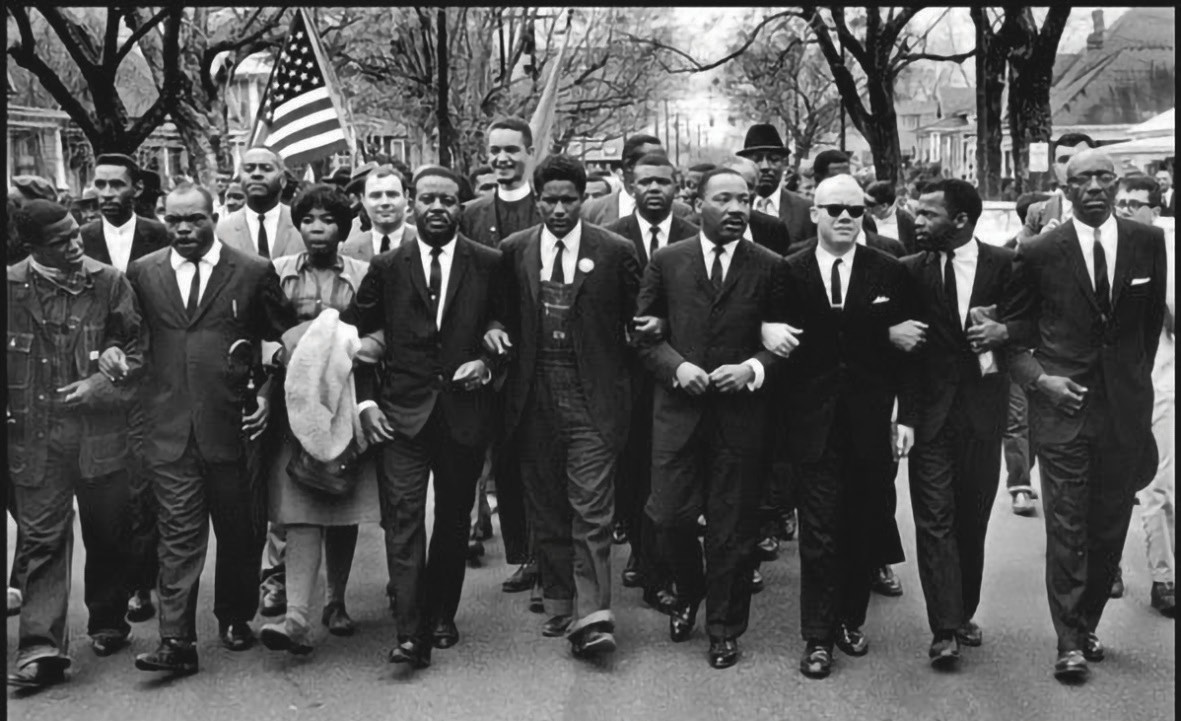
Pursuing his humanistic interests, he earned his first degree in sociology in 1948 and was awarded a doctorate in systematic theology at the Boston University in 1955. He began his pastoral ministry in Atlanta. In addition to his congregational ministry, he also championed revolutionary causes: as leader of the year-long Montgomery bus boycott in 1955 and inspired by the ideas of Gandhi, he peacefully protested even as the leaders’ homes – including that of his family – were burned and he was repeatedly arrested and tried. The boycott finally succeeded in 1956, and Martin Luther King, who stood for non-violent solutions that did not shy away from intimidation, became a leading figure in American civil rights activism.
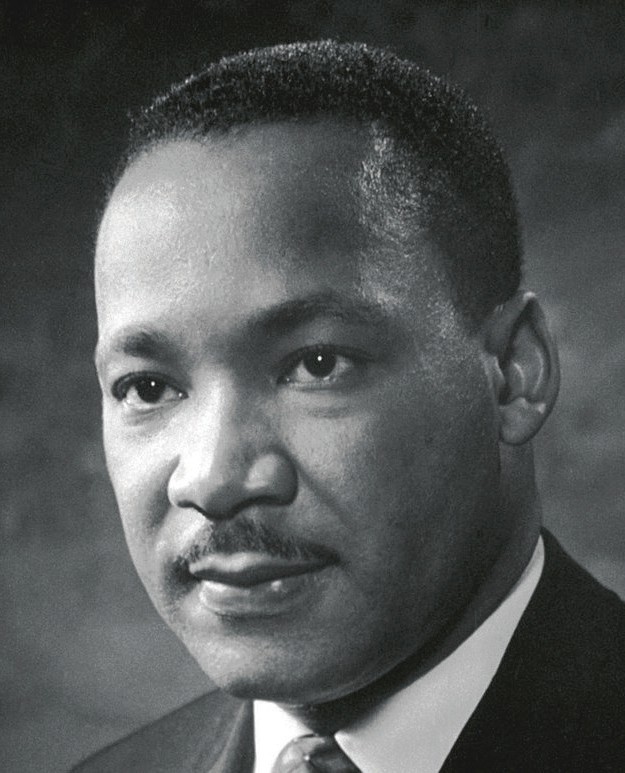
A year later, he became the founder and first president of the Southern Christian Leadership Conference civil rights organization, and in this capacity he worked tirelessly for eleven years to bring acceptance and equal opportunities to all people, regardless of gender, race or social background. His political presence was marked by a highly elegant style, always appearing in a suit. His appearance and behaviour both signified the seriousness of his words and actions, while also dispelling prejudices against people of colour. He encouraged his followers to do the same, even as he promoted non-violent civil disobedience. Paraphrasing the words of Gandhi, he told his followers: “If blood must be shed, let it be our own.”
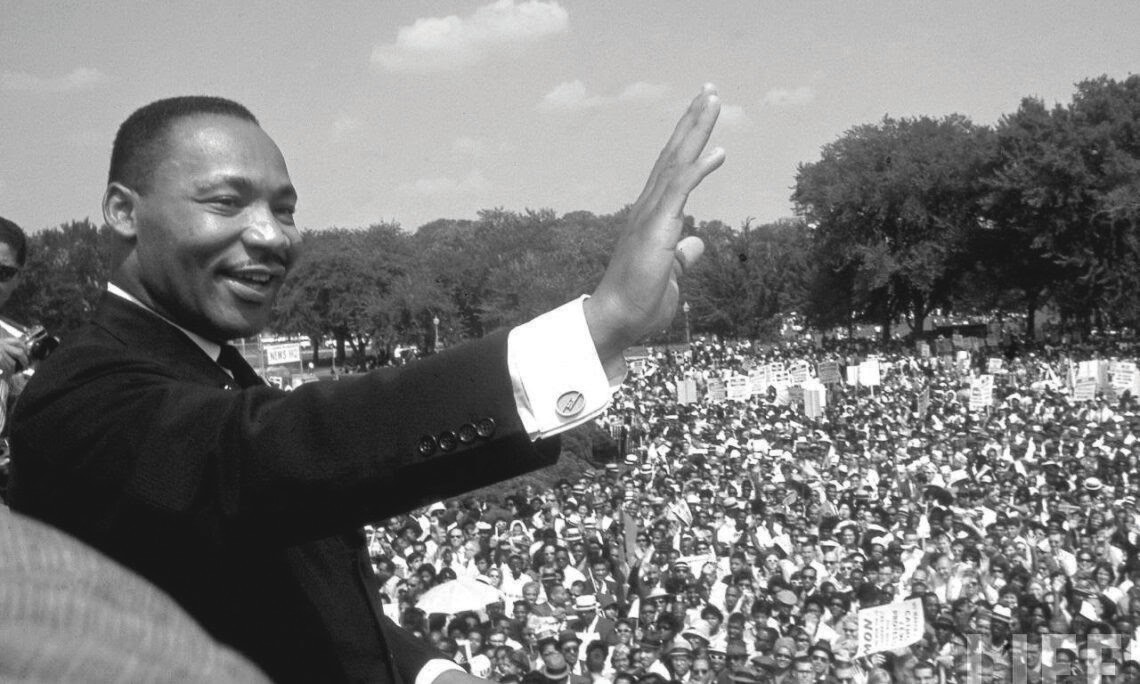
The largest of the rallies was the 1963 March on Washington, where two hundred and fifty thousand people listened to his famous ‘I have a dream…’ speech at the Lincoln Memorial. The speech led to the adoption of the Civil Rights Act a year later, which abolished discrimination in the United States and King became the youngest recipient of the Nobel Peace Prize that same year. His sense of justice and courageous stand was also manifested when he spoke out against the Vietnam War in 1968 while also launching a nationwide campaign to help the poor. His dream was to replace centuries of repressive, exclusionary social attitudes with an American culture that recognized and respected civil rights.
Martin Luther King’s sense of purpose was extraordinary, and his efforts as a civil rights activist were almost superhuman: between 1955 and 1968 he travelled ten million kilometres and delivered 2,500 powerful speeches. During this time, he was subjected to continuous attacks, threats, imprisonment and abuse. They first attempted to murder him in 1958 for his work to transform social conventions according to Christian morality, and on 4 April 1968 he was assassinated on the balcony of his hotel room in Memphis. His legacy is immense, his speeches are still taught today, and it is now a fact that his dream did make a difference in the world: following his death, the abolition of racial discrimination became part of international law, and Nelson Mandela successfully fought to end apartheid based on his principles. His birthday, 15 January, is a national holiday in the United States. Martin Luther King’s life is an inspiration to millions of people today. His name has become a symbol of peace, equality and hope.
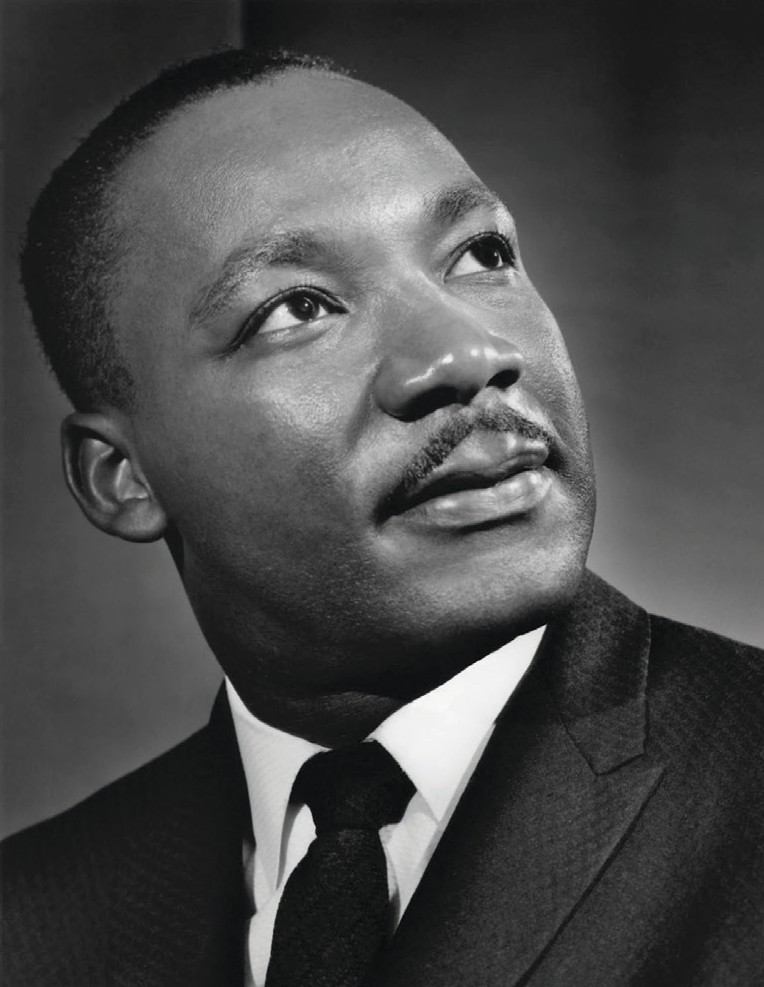
“Every man must decide whether he will walk in the light of creative altruism or the darkness of destructive selfishness. […] Life’s most persistent and urgent question is: What are you doing for others?”
“Forgiveness is not an occasional act, it is a constant attitude.”
“Everybody can be great…because anybody can serve. You don’t have to have a college degree to serve. You don’t have to make your subject and verb agree to serve. You only need a heart full of grace. A soul generated by love.”
“I have a dream that one day this nation will rise up, live out the true meaning of its creed: ‘We hold these truths to be self-evident, that all men are created equal.’ I have a dream that one day on the red hills of Georgia sons of former slaves and the sons of former slave-owners will be able to sit down together at the table of brotherhood.”
“If a man is called to be a street sweeper, he should sweep streets even as a Michelangelo painted, or Beethoven composed music or Shakespeare wrote poetry. He should sweep streets so well that all the hosts of heaven and earth will pause to say: Here lived a great street sweeper who did his job well.”