Rabbi Akiva
around 50 – 132 CE, present-day Israel
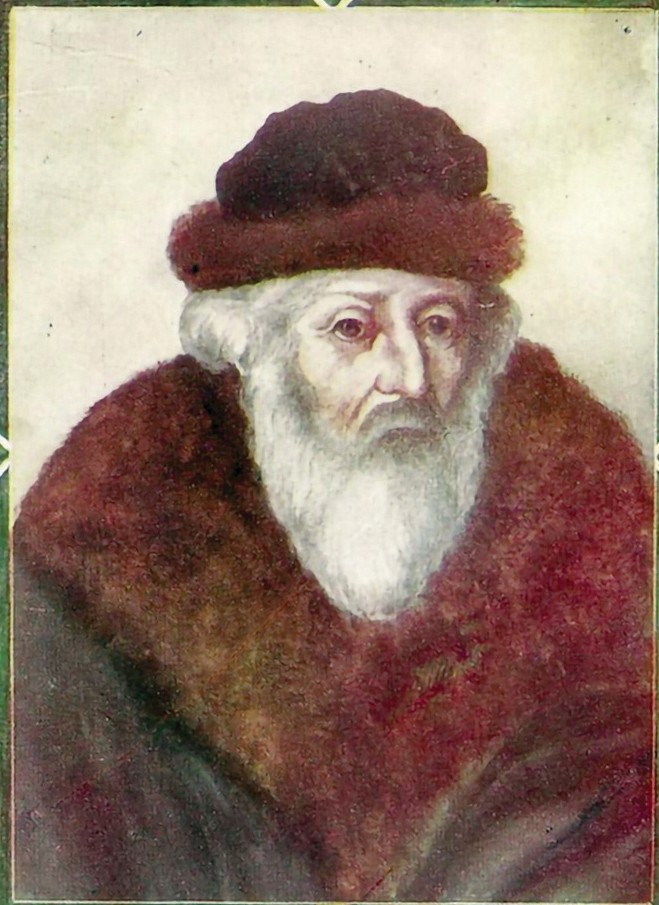
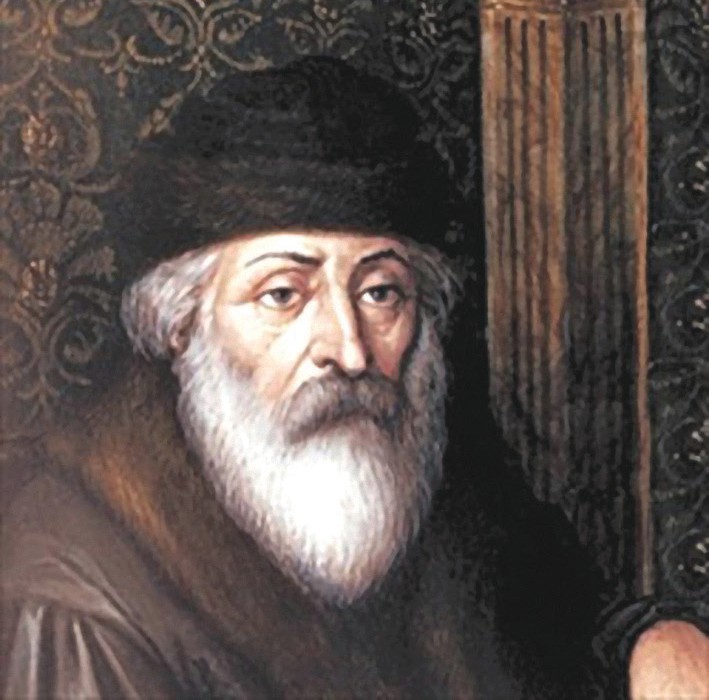
Rabbi Akiva ben Joseph, one of the most influential figures of Rabbinic Judaism, the common shepherd-turned wise Talmud scholar, freedom fighter and martyr was born around the year 50 in Caesarea, Palestine, in the area of the present-day Israel. His life is filled with many legendary details as well as real data and it is hard to precisely capture the story of his life. He was also known as the child of converts as he was not of Jewish descent. In light of this, and the late age at which he began his work as a teacher, all generations stand in awe of his life’s work. His disciples compiled the Mishnah and the Talmud based on his teachings. His importance within Judaism and the interpretation and passing on the teachings of the Talmud are of such great significance that he is considered one of the great figures of Israel.
Until forty years of age, he was an illiterate shepherd, yet thanks to his wife, he gave up his previous beliefs and began learning from the rabbis he previously belittled. Tradition has it that this period of schooling lasted for two times twelve years. His humility is shown by the way the adult man studied alongside little children. In fact, he became one of the great scholars of the Jewish people at 40 years of age without even knowing the letters of the Hebrew alphabet. As a young newlywed, he was faced with much hardship, living in a barn. In order to curb their despair, legend has it that the Prophet Elijah appeared to them as a poor man, asking for some straw. As they willing helped him, the teaching has it that even they were capable of helping someone and how relative their dire straits are to the sufferings of others.
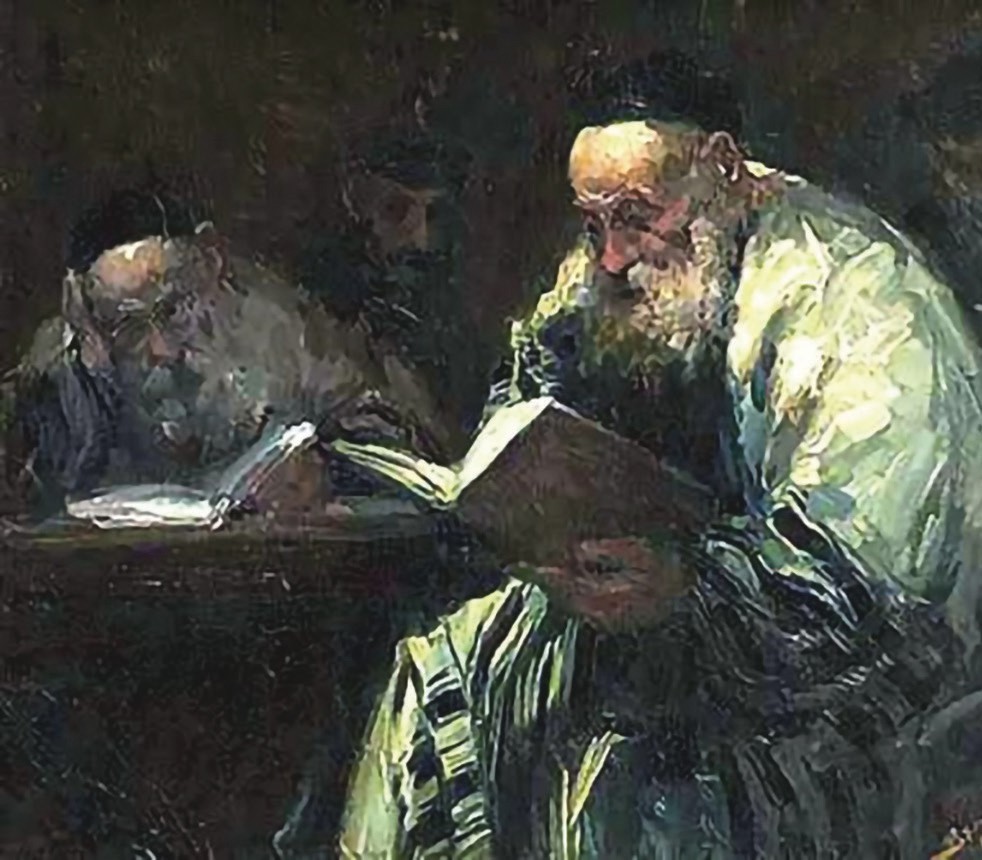
After he began working as a teacher, Rabbi Akiva reformed the traditions of teaching followed since the time of Moses, ending up with more than twenty-four thousand disciples. In fact, towards the end of his life, he became one of the leaders of the Jewish people. Not only was he respected by all, he was also rich as well. Still, he approached everyone with great humility and never forgot his humble beginnings. Apart from various religious measures, he was also responsible for introducing various liturgical features (such as the heart-wrenching Avinu Malkeinu prayer recited during the Ten Days of Repentance), as well as drawing up the canon of the Hebrew Bible.
Legend has it that after encountering a repentant soul who returned from the afterlife, he was responsible for introducing the ancient Jewish kaddish as the mourner’s prayer. Rabbi Akiva taught that the Torah has nothing superfluous, not a word, syllable or even a single letter and that the Ten Commandments and the Torah are entirely of divine origin. He also stated that everyone is capable of honouring God through living a proper life, prayer and by testifying to his greatness. He was said to have visited Paradise with several of his companions and Rabbi Akiva was the only one who survived this insight into heaven. As a man of deep faith, Rabbi Akiva was repeatedly and unsuccessfully tempted with various sexual practices to prove his fallibility and discredit him.
Thanks to the activities of Rabbi Akiva, the view that the continuous study of the Torah is the noblest goal in life thrived. Learning can heal and save man and is one of the reasons why the Jewish people thrives. Just like many other contemporaries, Rabbi Akiva died as a martyr for ignoring the Roman rule on the ban of the Torah. Although he visited Rome as a representative of the Jewish people, he finally joined the Bar Kokhba revolt. While he was executed, he recited the famous “Hear O Israel” prayer, which became the supplication of the martyrs.
According to Jewish traditions, the rabbi was executed on the eve of Yom Kippur. Within fifty days, the disciples of Rabbi Akiva fell prey to a mysterious epidemic (whilst others say they perished in the Bar Kokhba revolt). The tomb of Rabbi Akiva and his wife, Rachel is found in Tiberias, in the area of the present-day Israel. Rabbi Akiva finally chose only five of his twenty-four thousand disciples to carry on his life work, all of whom were of great significance, including Rashbi, the great Jewish mystic and tannaitic master, as well as Judah Bar Ilai, one of the most frequently mentioned sages in the Mishnah.
“The vain man is like a carcass lying on the road; whoever passes it puts his fingers to his nose and hurries away from it.”
“Silence is the fence around wisdom.”
“Everything is foreseen, yet freedom of choice is granted.”
The intimate relationship with his wife is captured in the following saying:
“Who is a rich man? One who has a wife full of beautiful deeds.”
“Always choose your place below your rank until you are asked to sit in a better place, because it is better to be asked to move up than to be asked to sit further back.”
“Beloved is man, for he was created in the image of God. Beloved are Israel, for they were called children of God. Beloved are Israel, for unto them was given the desirable Torah.”
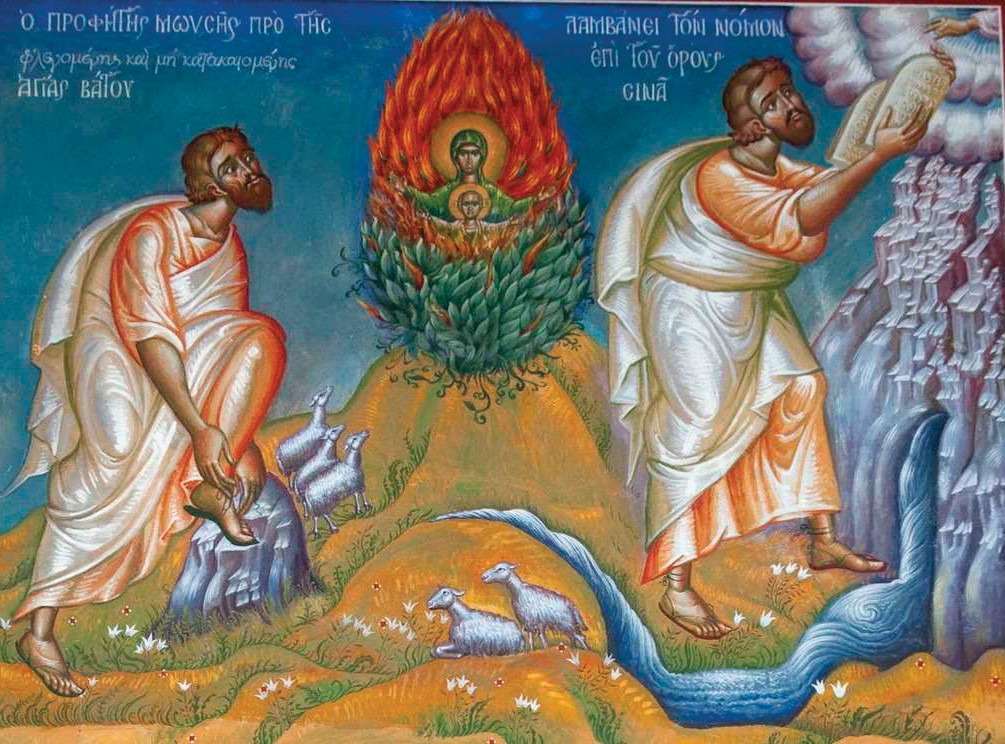
When receiving the Torah, Moses was puzzled by the crowns decorating some of the letters. God revealed to him that generations later there would be a wise man who would explain their significance. Moses asked to see this man. He travelled forward in time and sat in the back row of Rabbi Akiva’s school.
(contemporary tale of Rabbi Akiva)