Baal Shem Tov
1698–1760, present-day Ukraine
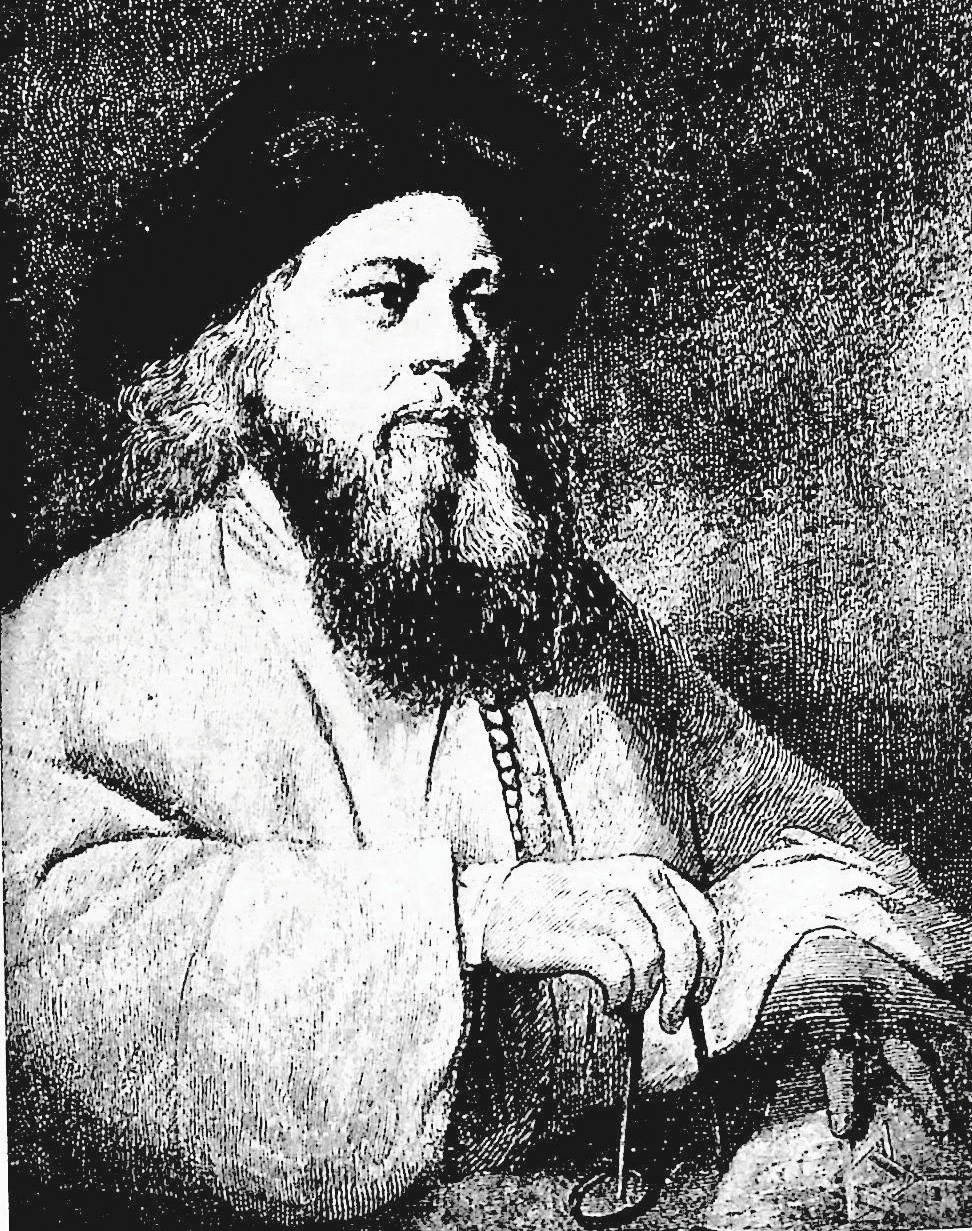
Rabbi Israel ben Eliezer, more commonly known as Baal Shem Tov (“Master of the Good Name”), Polish Jewish mystic and healer, founder of Hasidic Judaism, was born on 25 August 1698 in Wallachia, in the township of Okop, in the area of the present-day Ukraine. Before he was orphaned at five years of age, his father handed down two teachings to him: ‘Fear no one or anything but God’ and ‘Love every Jew with all the fire of your heart’. He took both pieces of advice to heart and lived his life in this spirit. The orphaned Israel was raised by his fellow villagers until, as a child, he joined a group of wise men (the Nistarim, or ‘Hidden ones’), absorbing the teachings of the Kabbalah and mysticism.
He married at twenty years of age and had two children with his wife, Chána. He then retired for ten years (some scholars say to the Carpathian Mountains) and immersed himself in the teachings of the Torah. He did not keep to himself the knowledge he had acquired through his study of the sacred writings and his close observation of nature and people, but rather used all his wisdom to help the people around him: he healed people, gaining a reputation as a miracle worker and as a friend of the sick and oppressed. In the 17th century, most Jews in Eastern Europe lived in ignorance and poverty, separated by a huge gulf from another narrow but wealthy stratum, the elite Torah scholars. Baal Shem Tov did his utmost to bring the truths of the Torah to the children of the poor, as knowledge belongs to all Jews. After the genocides of the pogroms and the demise of the Sabbatai Zevi-led false-Messianic movement, he was responsible for bringing great change to the impoverished Jews in the region, launching a movement through his life and teachings that spread throughout the world.
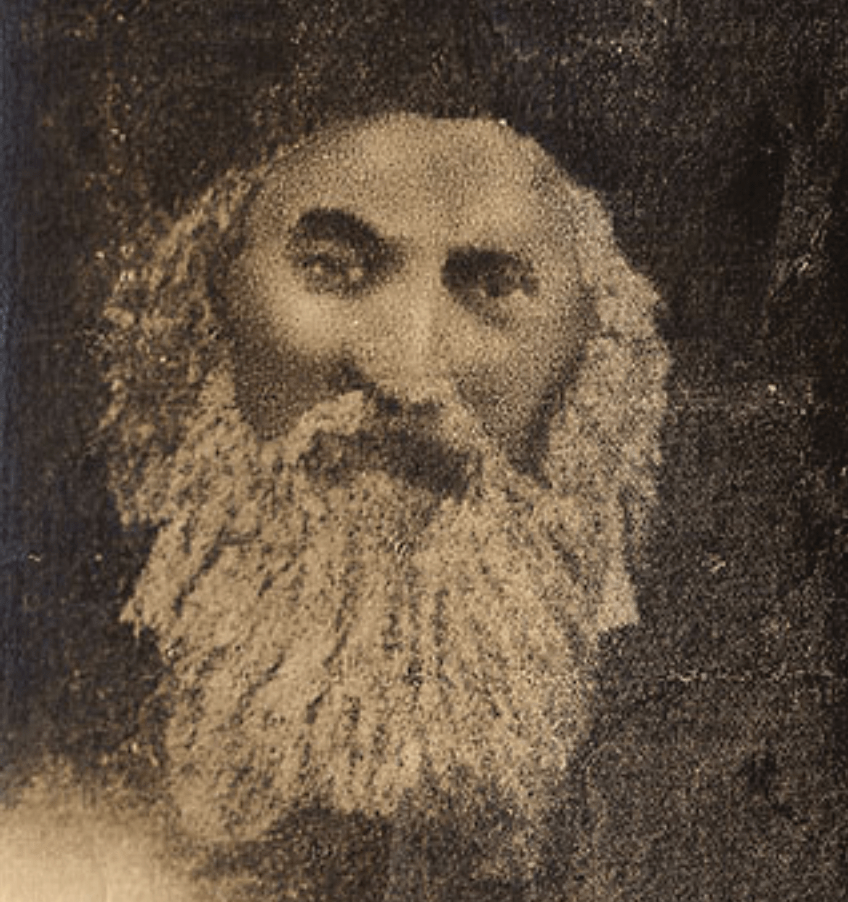
He began publicly teaching around the age of 36 in the town of Medzhybizh, after which time he preached the principles of Hasidism. The word Hasidism means: a movement of pious (zealous) Jews. Kabbalistic Hasidism is based on the notion that was passed on to him from his father: the love of all Jewish people, and beyond that, the love of all created beings and things, as everyone and everything is God’s creation and God is in everything. According to the teachings, God is not reached through the strictly religious study of doctrine. Instead of fasting and asceticism, Baal Shem Tov encouraged deep and joyful prayer (dvekut), singing, dancing and community participation. He taught that one is not sanctified by withdrawing from the world, but rather through active, joyful, loving deeds.
We serve God even through the smallest of actions, whether it’s eating a meal, doing our job, or even taking a breath. He advised his followers to rid themselves of their former sins and experience the rapture of God’s love. His teachings were accessible to the common people and to the wider masses, and it was partly because of this that the movement increased so rapidly. Hasidic communities are centred on the figure of the Rebbe (rabbi, spiritual leader, master). The entire community is built around his life, and he gives personal attention to each person. Just as other great Jewish teachers, the teachings of the Baal Shem Tov were not written down. Instead, the teachings and the often mysterious and mystical stories associated with his person were recorded and passed on by the disciples.
According to one account, he once entered the house of prayer with the local rabbi who harshly criticized the lumberjacks from coming inside in muddy shoes after work. Yet Baal Shem Tov defended the ashamed workers, saying that it was understandable that they were in a hurry as they had to arrive before the holy day (Sabbath), so they deserved a good word and should be welcomed with singing and dancing. The alleged miracle-worker Baal Shem Tov had a remarkable life and he also died at an important time during the year. He passed away in 1760 on the Feast of Shavuot, the ‘Feast of Weeks’, which is also the celebration of new bread and the Ten Commandments, and the giving of the Torah. To this day, Hasidic Judaism, which was started by Baal Shem Tov, remains one of the most prolific branches of Judaism.
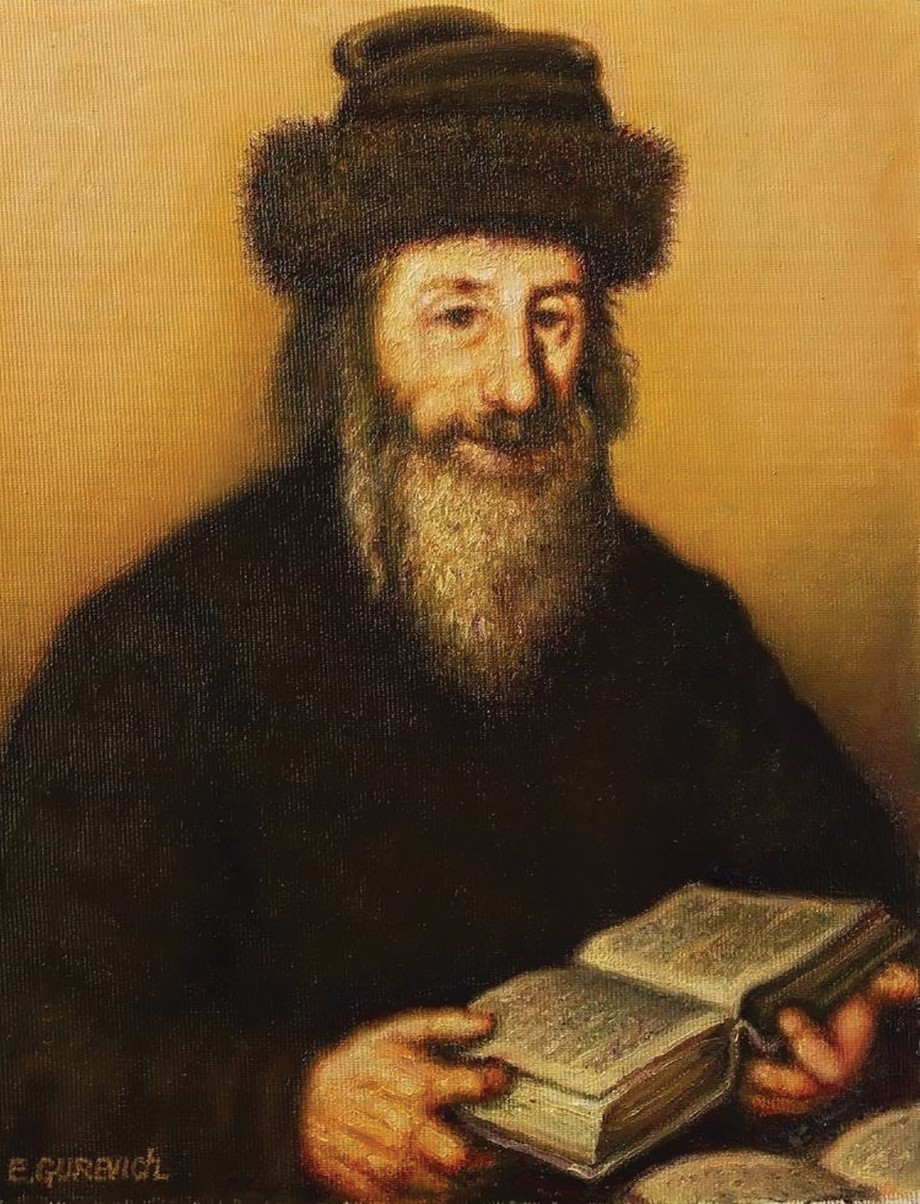
“Fear Builds Walls to Bar the Light.”
“Forgetfulness leads to exile, but remembrance is the secret of salvation.”
“Everyone is exceptional, unique and inimitable. Do not compare yourself to others, lest you will ruin the divine plan.”
“When discouraged, it is vital to remind yourself that the whole world was created for your benefit!”
“To pull a friend out of the mire, do not hesitate to get dirty.”
“When a father complains that his son has taken to evil ways, what should he do? Love him more than ever.”
“Unless we believe that God renews creation every day, our prayers grow habitual and tedious.”
“People should allow themselves the opportunity to really know what the unity of God means. To grasp a part of the nondivisible union is to grasp the whole.”