Bernard of Clairvaux
1090–1153, present-day France
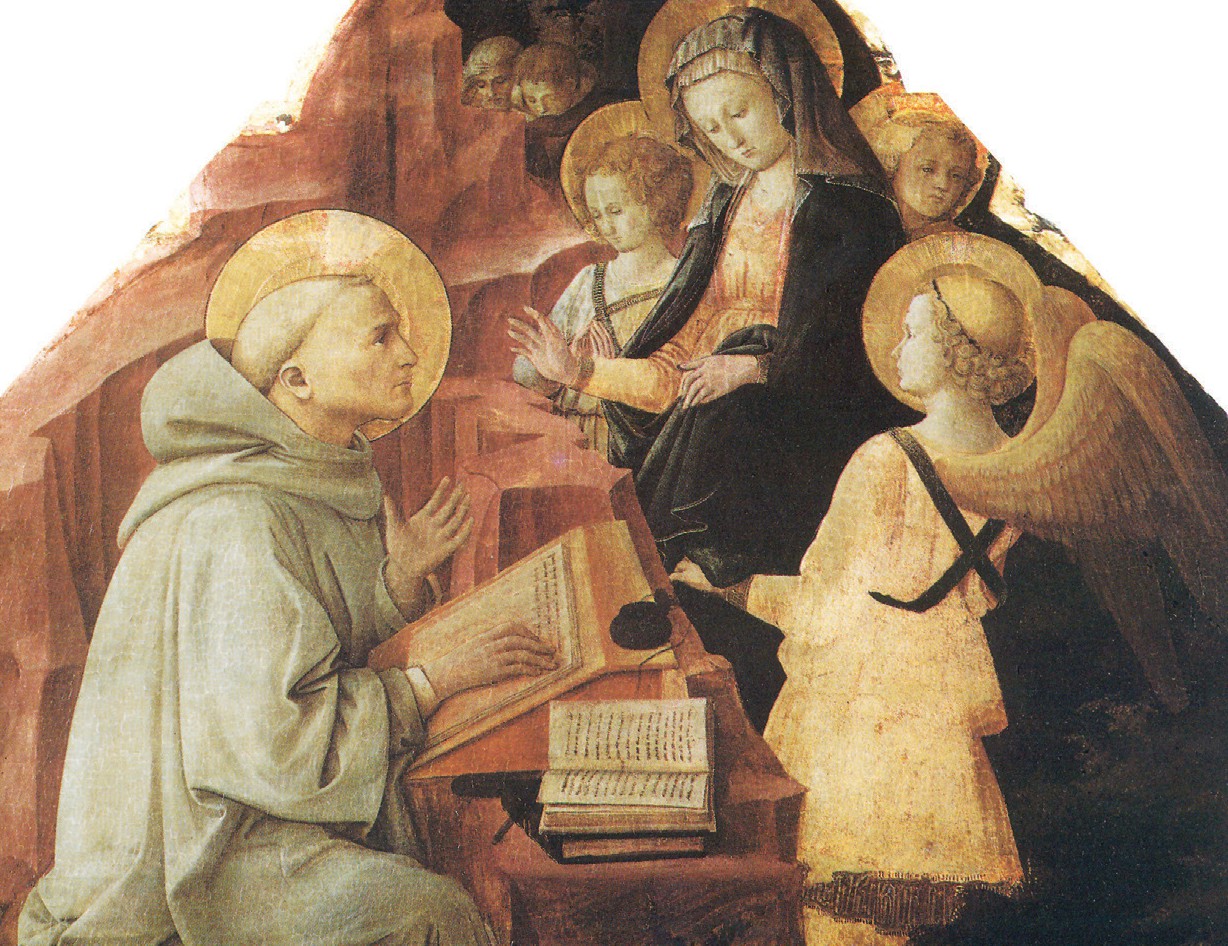
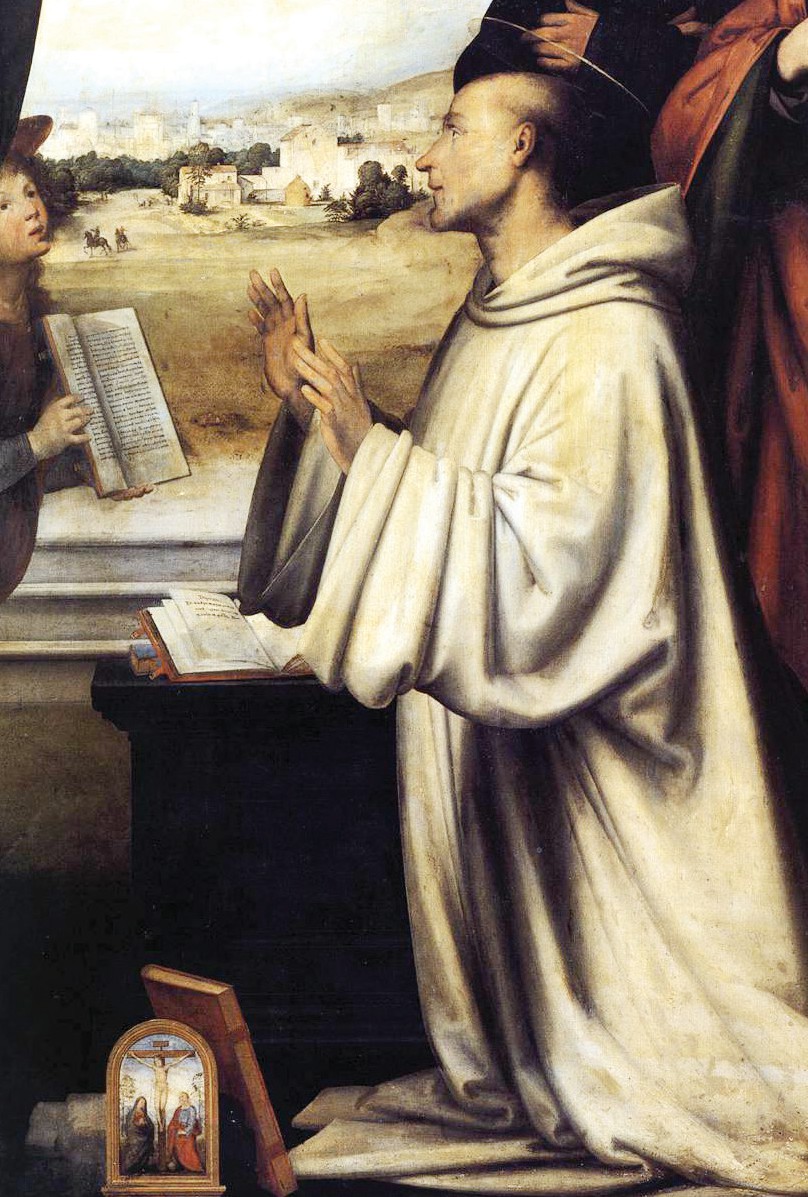
Bernard of Clairvaux, the outstanding figure of the Cistercian Order and the reformer of monastic orders based on Roman Christianity, mystic and theologian was born around 1090 in Fontaines close to the city of Dijon, as a child of noble birth from Burgundy. He was instrumental in the spread of the Cistercian Order, but his life’s work also served as the basis of the reform that brought new impetus to the practice of monastic life. He accomplished countless great deeds. He was also a great preacher, orator and theologian, unbeatable in debate, who established the foundations of mystical thought with the stepping stones of his life. He pointed out the mystical connection between the human soul and Christ with the soul as the bride and Christ as the groom. Thomas Aquinas said of his work that he “made the whole world drunk with the wine of its sweetness”, while the great seer and prophetess Hildegard of Bingen called him an “eagle gazing into the sun”. His work rekindled the fervour in young men to become monks. Shortly after his death, more than seven hundred Cistercian monasteries were reported to have been founded.
As a great religious reformer, he fought against the secularisation of Christianity and promoted the importance of a life devoted to the spirit of the Gospels. Following his reform, the monks once again consistently observed the Benedictine rule and faithfully followed the ideal of holy poverty. Bernard and his followers, the White Monks (the Cistercian line was known as the White Monks and the Cluny order as the Black Monks) set out to live like angels. They rejected earthly vocations, wore simple robes, and slept on hay in their clothes so they could turn to God immediately after the bell rang at dawn. They ate modestly, with ascetic discipline. They strove for the noble dignity of simplicity, not by forcing themselves, but through pure, inner determination and the burning desire of their hearts. Physical work was reintroduced in the order, which had a beneficial effect on the monks. Yet Bernard also excelled in the fields of thought, autonomy and freedom. According to his controversial thesis, an order must be denied if it is contrary to divine law.
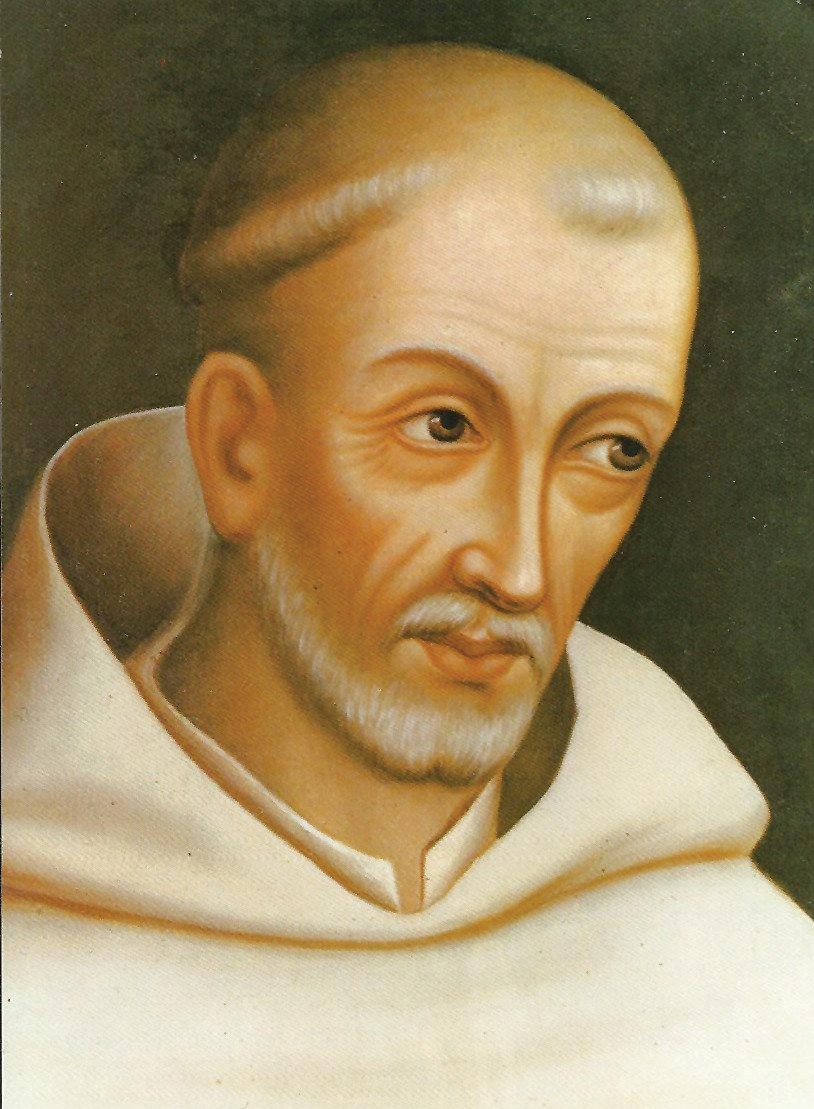
Bernard was a politician of pure soul, a liberator of people. Among his many teachings, it is important to highlight his Sermon on the Song of Songs, through which he helped the monks understand that contemplative and rapturous angelic life and active work together represent key pillars of monastic life. Bernard was thus a religious reformer whose life was a shining torch to those faltering in the dark. He was a handsome man of lean stature, who discovered at an early age the illusory glamour of life. Thus, at Easter in 1112, he became a monk at the Cistercian monastery of Citeaux along with thirty other young men. (The order was facing a major crisis at the time.) After three years of monastic life, he was sent to Clairvaux, a deserted region, to establish a new monastery. This was followed by long years of asceticism, full of deprivation that required great perseverance, during which he built the new monastery with his twelve companions without any financial support.
As a result of his fasting, prayers, unceasing work and vigils, Bernard became increasingly glorified and then fell into even great raptures. His grand mystical experiences and his shining example made it easier for his fellow monks to follow the path of renunciation. After establishing the first few monasteries, he travelled extensively and gave important sermons on the occasion of the major events of his time. It was through his intercession that the Knights Templar were formally recognised. He stood up to the gentility of the pampered clergy and fought great battles with the heretical thinkers of his day. His name is associated with countless extraordinary miracles: sometimes his mere presence healed the sick and at his beckoning the paralysed were capable of walking again. His life ended on 20 August 1153. Although he was only a simple abbot at the time of his death, his work and innovative ideas were of great significance for the entirety of Western monasticism. He was canonised in 1174, during the papacy of Pope Alexander III.
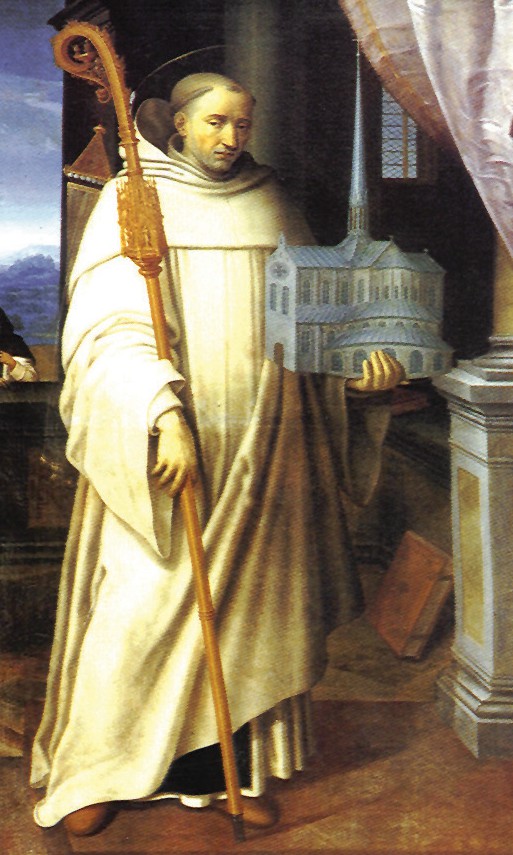
“O happy Kiss, marvel of infinite condescension, whereby there is not mere pressure of mouth upon mouth, but God is united to man! The contact of lips signifies the embrace of loving hearts; but this union of natures brings together the divine and human, “making peace as to the things on earth and the things that are in heaven.”
“Stones and trees will teach you that which you cannot learn from the masters.’’
“…If then you are wise, you will show yourself rather as a reservoir than as a canal. For a canal spreads abroad water as it receives it, but a reservoir waits until it is filled before overflowing, and thus communicates, without loss to itself, its superabundant water. In the Church at the present day, we have many canals, few reservoirs…”
“…burning and shining lamp, burning with charity, shining with knowledge.”
“In the eyes of the laity, we are performing feats of strength. We flee from everything they desire and desire what they flee from. We are like acrobats who walk with our hands, upside down, feet upwards, that is, standing in a non-human posture, and thus attract the gaze of the whole world.”
“I offer you three things I have observed in my life to the best of my ability: I gave less credit to my own opinions than to the judgments of others. I did not flare up in anger at the abuse I received from others. I have not sought to provoke anyone to anger, and if I have, to the best of my knowledge, we have been reconciled.”
(the alleged final words of Bernard of Clairvaux)