
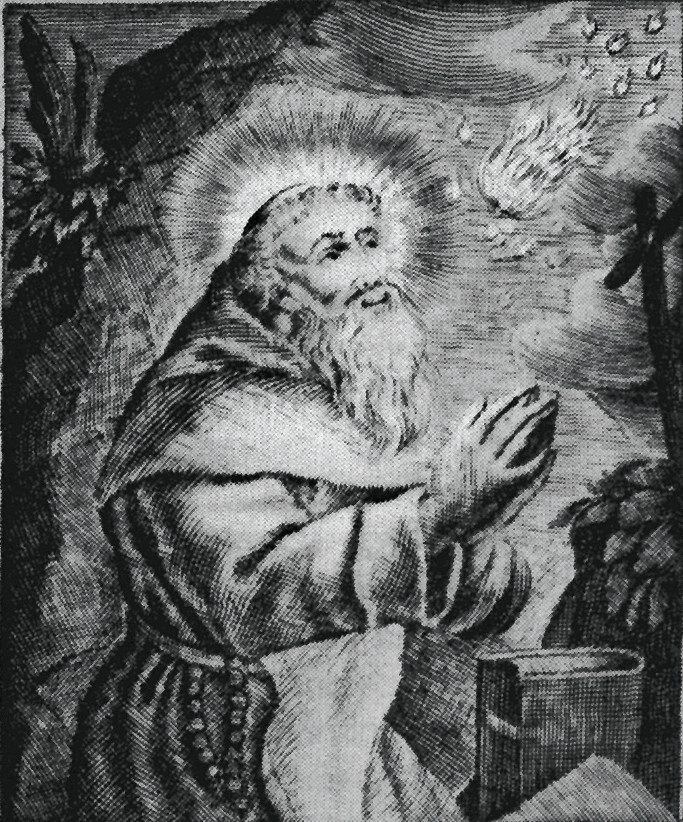
Blessed Eusebius
approx. 1200 – 1270, Hungary
Blessed Eusebius was the founder of the only monastic order with Hungarian roots – The Roman Catholic Order of Saint Paul – and a giant of Christian reformation. He was born in Esztergom around the year 1200, the capital of Hungary at the time. His parents raised him carefully and enrolled him in a chapter school. Even in his youth he was more interested in books than games and he was a gentle, grave and reclusive child. He became the grand master of the Knights of Saint Stephanus at a young age, before being ordained as a priest and becoming the canon of the city of Esztergom. His masses were celebrated with unusual devotion and thus they had an exceptionally intimate, mystic nature in a mood that brought one closer to the Love of God. He was also famous for his hospitality. Not only did he feed and clothe the poor, he tended to their souls as well. In the war-like years of the Mongol invasion, he suffered with the people and helped them in whatever way he could. Later, he also took part in the reconstruction. In 1246, he realized his old plan by renouncing his canonical title and distributing his goods amongst the needy and became a hermit with the archbishop’s permission, retreating deep into the Pilis mountains, in the rocky cliffs near Pilisszántó.
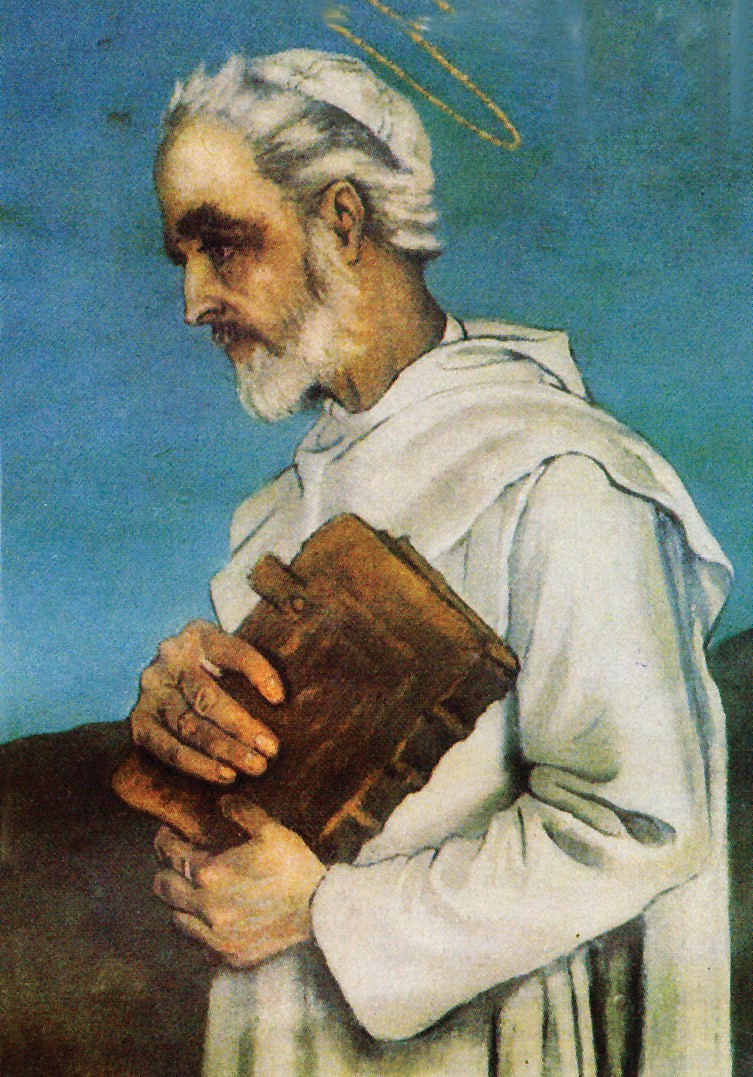
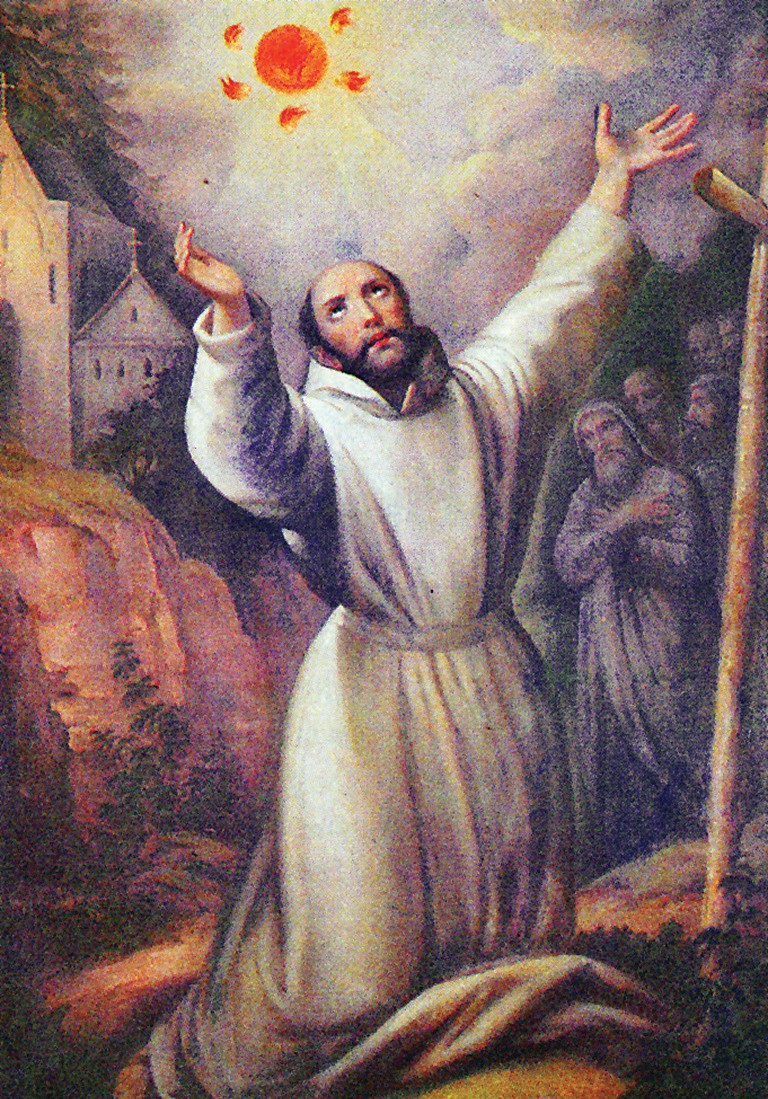
For 24 years, he lived an exemplary life, through constant work and deprivation. He often held vigils and lived in a strict, repentant way. Despite the fact that he hardly ate anything at all, he still had a princely, phenomenal stature with a determined and noble appearance. Thanks to his holy life, he gained an increasing number of followers who shared his fate and renounced their material possessions. His revelations were coupled by a miraculous visitation: he glimpsed a host of diminutive flames, which approached one another and melted into a single burst of fire. He suddenly realized what his task was: to join the hermits scattered across the country. Thus it was that in 1250, the first Hungarian-founded, male monastic order was established, which was recognized by the Roman Catholic Church in 1262 thanks to the efforts of Thomas Aquinas. Apart from the universal aims, their individual goals included the preservation and observation of the ancient Hungarian traditions. Still, the rules proposed by Eusebius were rejected by the Pope, who gave them the rules of the Augustine order instead.
The official name of the order is “The Order of Saint Paul the First Hermit”. According to some sources, the name of the order is related to Paulus, the son of Scythianus, which is why they are still referred to as the Pauline monks. They are also known as the “Brothers of the Holy Cross”, which refers to Eusebius’ credo: “in cruce salus”, or “salvation from the cross”. The Pauline founders – who were initially only chosen from physically and mentally healthy men of noble birth – thought of the Pilis as a highly important location, the “heart” of the Earth, thinking of themselves as the guardians of “Earth’s heart” and “Holy temples”. Eusebius aspired to establish a group of people which was healthy in every sense of the word, a kind of undaunted core of monks, who would show a good example to the world. Although they lived as hermits, they still regularly visited the people to heal their physical and mental needs. The white-robed Pauline monks held vigils and penance, praying and suffering for others. They were exceptional scientists, natural healers and botanists. According to common beliefs, they didn’t sleep at all and were in a state of perpetual consciousness. Many thought that that fates of the Pauline brothers and the Hungarian people are intertwined. It’s interesting to note that for many generations, the Kings of the Hungarian people and the leaders of the Pauline order always died in the same year. After a serious illness, Eusebius died in the same year as King Béla IV, on the 20th of January, 1270 in Pilisszentkereszt. The Pauline order still exists to this very day, maintaining the order through much hardship. Amongst their many other duties, they look after the world famous place of worship in Czestochowa.
“…there are many valiant man who would choose the path of Holy life…”
(an excerpt from the notices concerning the founding of the order)
“White is the color of this worldly flower, and white is its church, its monk’s attire,
Here is where lies the heart of this flower, and here lies its soul and true center..”
(Hungarian folk song about the Pauline order)
“Many entered the order and took upon them its strict rules. Their parents and friends did their best to dissuade them, but this is what Eusebius said to them: ‘Christ loved deeply his mother, yet his sufferings tore at her soul like a dagger through her heart. He had leave to come down from the cross, yet he did not, in order to fulfill the will of his Heavenly Father. Similarly, we wish not to abandon the cross of repentance, for others cry after us.”



