Bodhidharma
approx. 470 – 543, India
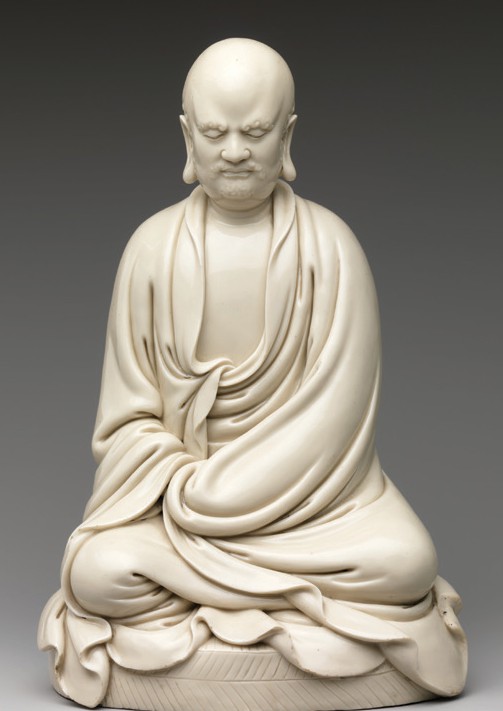
Bodhidharma, commonly known as Putidamo in China, was the founder of the Chinese “Chan” school of Zen Buddhism and also the 28th patriarch of the Indian Buddhist line and the first Chinese Zen patriarch. He was most likely born in 470 in Southern India, in the domain of Pallava as the third child of King Sugandhain. There is much controversial data in circulation about his life, yet the most important events still match in the various biographies. Although he was born in a Hindu family, he still became a Buddhist. His master was one of the most significant religious leaders of his age, the 27th Buddhist patriarch, Prajnatara, who personally taught the boy and gave him the name of Bodhidharma. He later appointed his disciple as his successor and in 526 sent him to China as a missionary. Bodhidharma first traveled to Northern China, where he met the emperor who patronized the Buddhist faith. This is where the famous discussion took place which mirrors Bodhidharma’s nature. When the emperor asked him how they would appreciate his merits in the support of Buddhism, Bodhidharma noted – much to the shock of the ruler – that such merits are worthless: these are lowly actions which are of a worldly nature. Wisdom is what is truly valuable, something that cannot be gained through such actions. Bodhidharma thus made it clear to the emperor that the path leading to the state of the Buddha cannot be purchased.
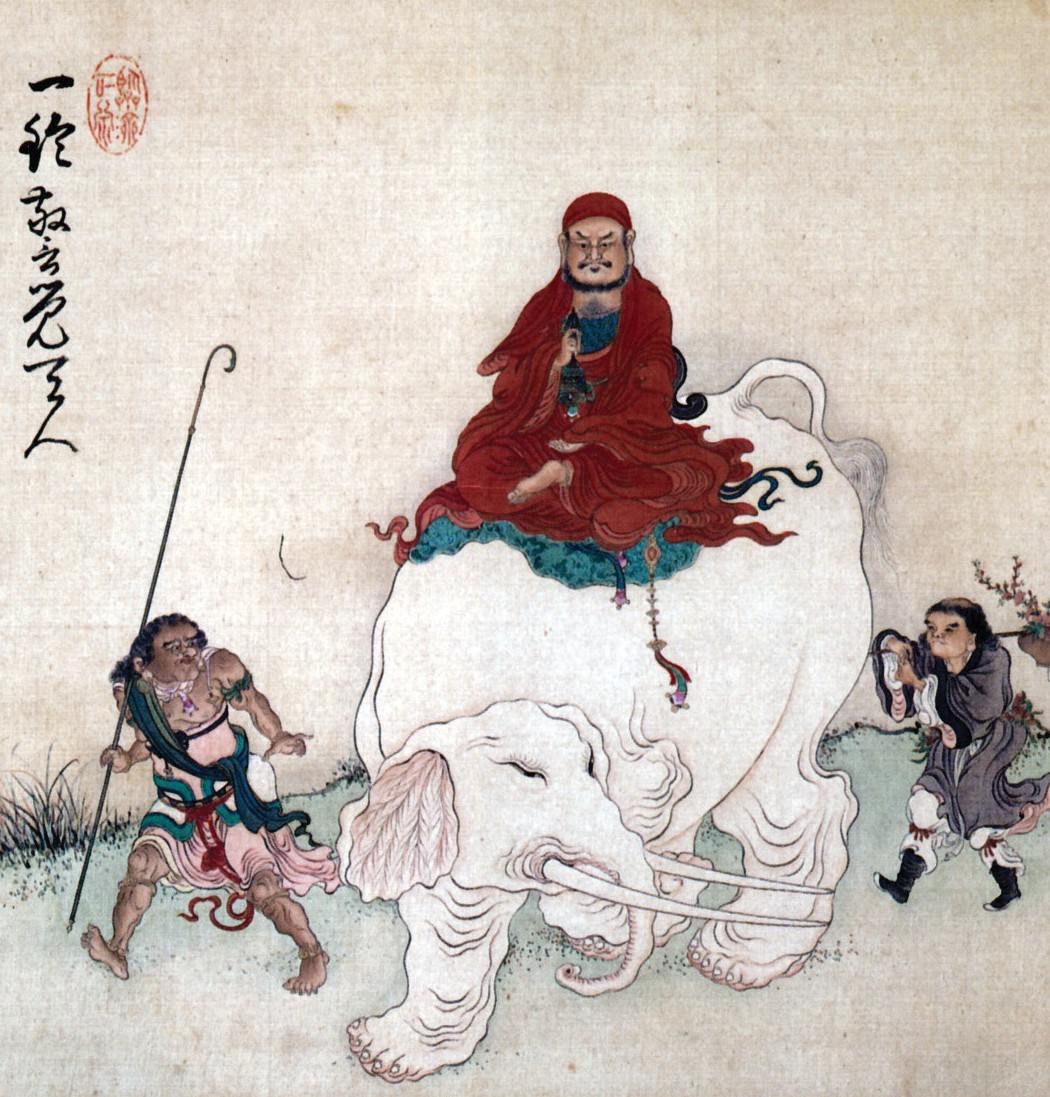
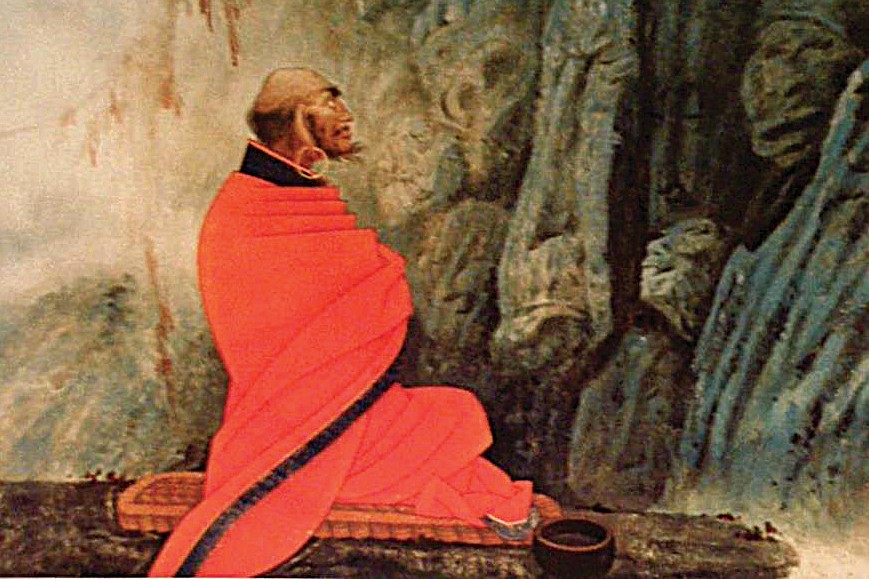
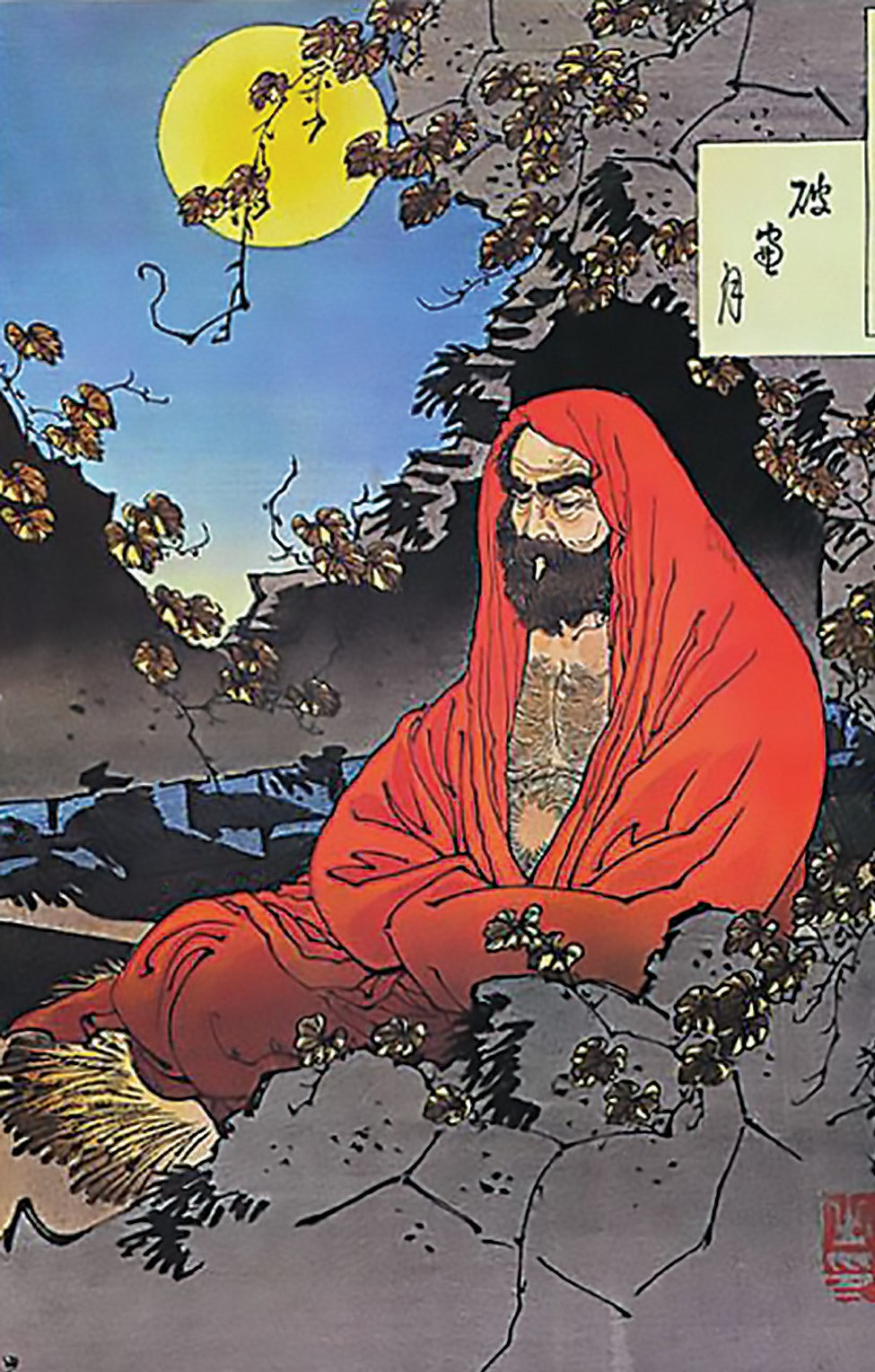
He then traveled to Loyang, the capital of Honan province, however, the superior of the Buddhist monastery of his choice felt the new teachings were dangerous and ordered for him to remain outside the walls of the temple. Thus the patriarch concealed his identity in order to seek refuge in a cave, where he lived a reclusive life devoid of any externalities. He stayed in the cave for nine long years, where he performed his routines facing a rock wall. In time, he was visited by a growing number of monks, peasants and scholars, who felt the master’s immense power. Rumor has it that the “wall-gazing Brahmin” – as the people called him – could even hear the shrieks of ants in the silence of his cave. According to an ancient tale, once when he became drowsy during meditation, he angrily cut off his eyelids in order to remind himself of the importance of awareness. According to yet another tale, his gaze was so powerful that “it bore holes in the rock”. His opponents often slipped venom in his drink, yet he was immune to such earthly hazards. He was so deeply revered that the religious superior finally asked him to return to the monastery and Bodhidharma began teaching the monks. Once he saw how weak they were, he devised a number of exercises for them in order to increase their stamina and help them master their inner energies. Through these exercises, a new form of martial arts took shape, which the monks of the Shaolin temple carried on, through which the system of Kung Fu was renewed as well.
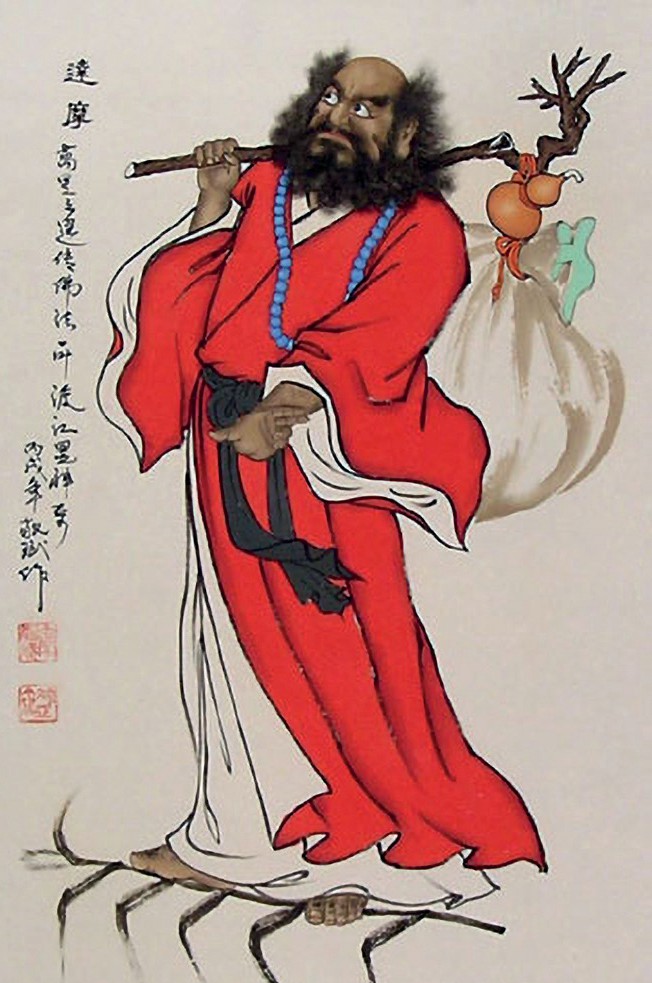
According to tradition, he introduced the monks to green tea to help them overcome their drowsiness. His most significant act was developing a new branch of Buddhism. He taught that there are two entries through the Gate of Dharma: through reason or practice. Bodhidharma translated a number of Sutras to Chinese from which he created the teachings known as “The Contemplative School”. He also devised a series of exercises to help empty ones thoughts, which serves as the basis of Zen Buddhism. The branch of Buddhism he helped created is known as “Chan” in China. According to this, there is a Buddha within everyone and with the help of meditation, we can recall our ancient nature. There are a number of controversial stories circulating about his death. According to some sources, he went to Japan, where he was known as Daruma. Following his death, both the Chinese Zen (or “Chan”) Buddhism and the Shaolin system of exercises spread throughout the world.
“As long as you are subject to birth and death, you will never attain enlightenment. To attain enlightenment you have to see your nature. Unless you see your nature, all this talk about cause and effect is futile.”
“Stop establishing all forms of external ties and liberate your hearts from all passionate desires! With a soul like, which is indifferent to outer cracks, you can enter into Truth.”
“Whoever knows that the mind is a fiction and devoid of anything real knows that his own mind neither exists nor doesn’t exist. Mortals keep creating the mind, claiming it exists. And Arhats keep negating the mind, claiming it doesn’t exist. But Bodhisattvas and Buddhas neither create nor negate the mind. This is what’s meant by the mind that neither exists nor doesn’t exist. The mind that neither exists nor doesn’t exist is called the Middle Way.”