Ceferino
1861–1936, Spain
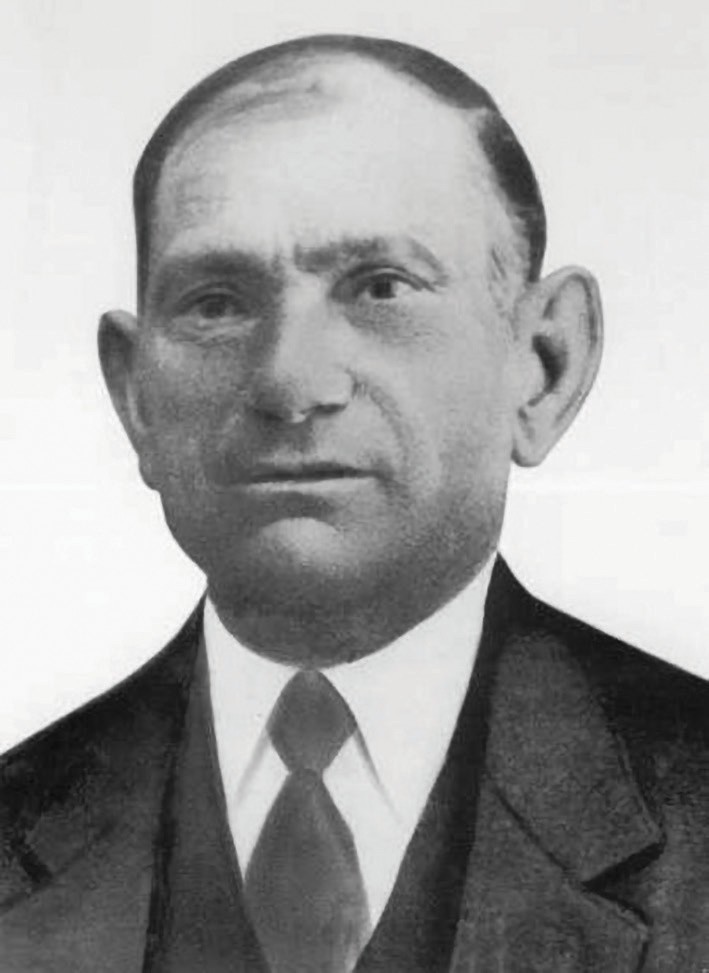
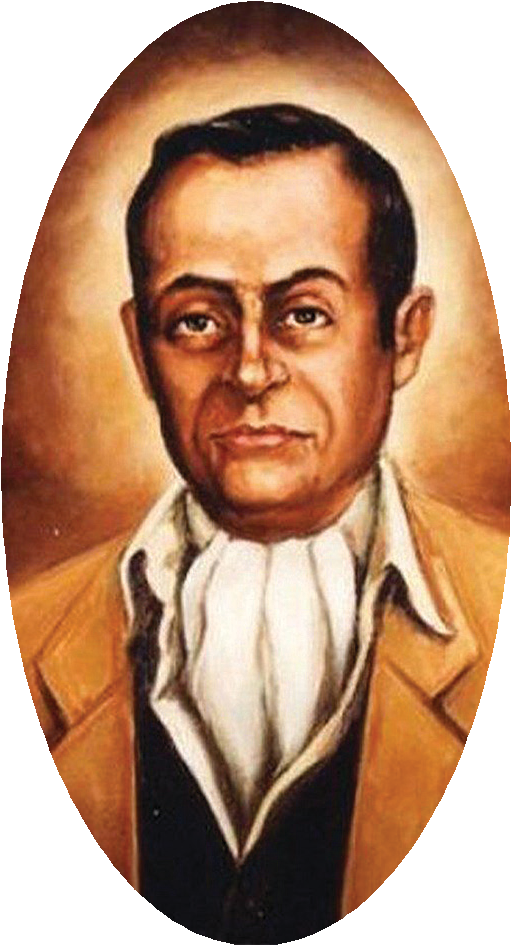
Ceferino Giménez Malla, the patron saint of the Romani people, was born on 26 August 1861 in the vicinity of Benavent de Segrià, in Huesca Province as the third child of a poor Spanish Romani family. He was named after the saint on whose day he was born, yet he was most commonly referred to as El Pelé or “the Strong One”. His father was a travelling horse trader, so the family was constantly on the move and the children didn’t go to school and thus didn’t learn to read or write. They helped the family make a living by mastering basket weaving from their elders as well as selling their wares in the streets of the surrounding villages.
Yet instead of being hardened by his struggles, he was made kind and sensitive through his hardships. As customary at the time, he followed in his ancestors’ footsteps until forty years of age: he sold and bought horses. He was an honest and trustworthy trader, so people gladly did business with him. As customary amongst the Romani, he married at the age of 18. Teresa, the girl he chose to be his wife, was at first reluctant to marry the ugly, prickly-eared boy, but in the end she said yes, because he was strong, kind-hearted and above all honest. When, shortly after their wedding, Ceferino’s father departed, he assumed the role of the head of the family and raised his youngest brother. Although they had no children of their own, they adopted Teresa’s orphaned niece, Pepita.
Yet Ceferino also cared for other children: he knew the stories of the Bible and was always willing to spend time telling them about the life of Christ, and soon he became a teacher of street children. He was famous not only for his truthfulness, but also for his straightforward character and selfless nature and was loved by all. People turned to him for advice and to resolve family quarrels, yet he also settled disputes between the Romani and Spaniards. When he heard people swearing, he felt almost physical pain. Even in his lifetime, he was referred to as the mayor and even the patron saint of the Romani. When he was accused of theft by a horse dealer, the Romani in the area lined up for forty kilometres on the day of the trial, protesting against the accusations. While Ceferino was in prison, he made a promise to the Virgin Mary that if released, he would go on a kneeling pilgrimage to a shrine.
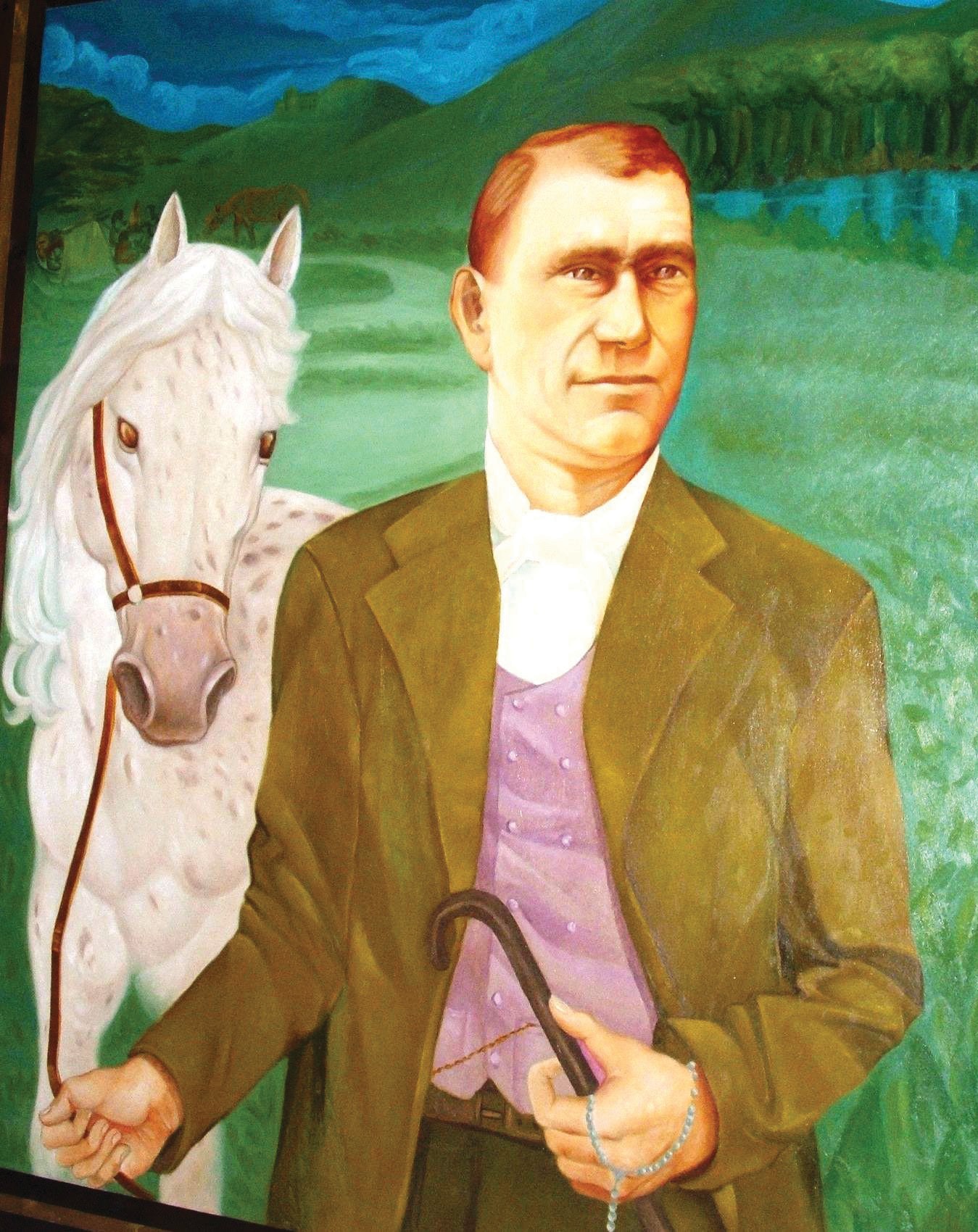
When he was proven innocent, he made good on his vow and made a pilgrimage to the cathedral in Barbastro. In this way, he was present when King Alfonso XIII consecrated Spain to the Sacred Heart of Jesus. He later witnessed a man collapse in the street and vomit blood. People ran away from the poor man to avoid catching pneumonia. Yet he overcame his fear and washed the patient at a nearby well and took him to a doctor, who later cured him. It turned out that the man was the former mayor, who then provided Ceferino with a great deal of help. His brother loved him so dearly that he gave him a large sum of money, telling him that mules were cheap in France, so he should buy as many as he could. Once he sold the mules, Ceferino suddenly became a rich man. He bought their rented homes, and did even more to help the people in his surroundings.
Thanks to his growing faith and following his inner voice, after 33 years of marriage, he was finally married to Teresa in a church – and after her death, he joined the Franciscan Third. When thousands of Christians were murdered in the first month of the Spanish Civil War, he personally witnessed the capture of a young priest. He stepped in to protect him, calling on the Virgin Mary. He was asked if he had a weapon, to which Ceferino replied in the affirmative and took out his rosary. He was imprisoned and two weeks later, on 2 August 1936, he was dragged to the cemetery in Barbastro with some of his companions and executed.
Ceferino never stopped praying during his ordeals. His body was found tied to that of a priest. His final words were: “Long live Christ the King!” Ceferino was the first person with a Romani background to be beatified. To this day, schools and orphanages around the world are named after him. Some of the Romani follow his example by dedicating their lives to the service of Christ and living a pure, honest and loving life. Ceferino is also known as the patron saint of the rosary and the innocently imprisoned. His example shows that living a holy life requires nothing but selflessness and a heart overflowing with love.
“Dear Lord, You allowed blessed Ceferino to profess his faith in Christ to the point of shedding his blood. Support your church with men and women who will boldly bear witness to your Gospel, to serve their brothers and sisters among your people with devotion!”
(A supplication used at Romani masses)
“El Pelé’s life shows how Christ is present in the various peoples and races, and that all are called to holiness which is attained by keeping his commandments and remaining in his love.”
(The words of Pope John Paul II on the occasion of the beatification of Ceferino)
Ceferino was once kicked by a horse. With great difficulty, he hobbled over to the church and a little girl followed him to ask him about his talk with God. Ceferino knelt down and said, “Lord of infinite kindness, if you chastise me, it will be for my good! Thy will be done!”
When Ceferino heard someone cursing, he felt almost physical pain. He would often go up to the person who was swearing and say to him: “Why are you causing God pain? He hasn’t hurt you. He gave you life.”
Ceferino once said to a friend in need, “Go to the stable and take what you need.” And when he invited beggars into his house, he often gave them not only food but also money.