Daskalos
1912–1995, Cyprus
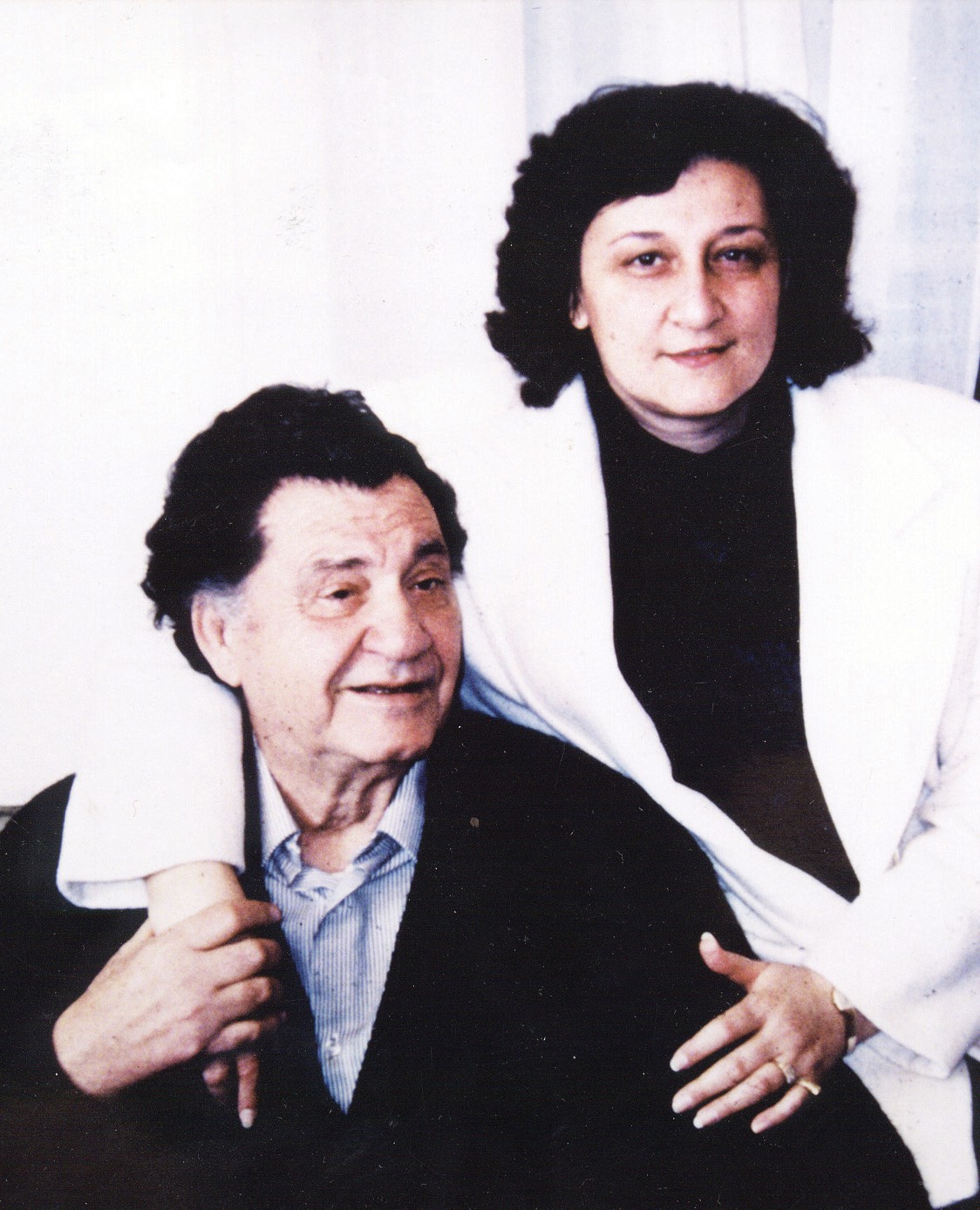
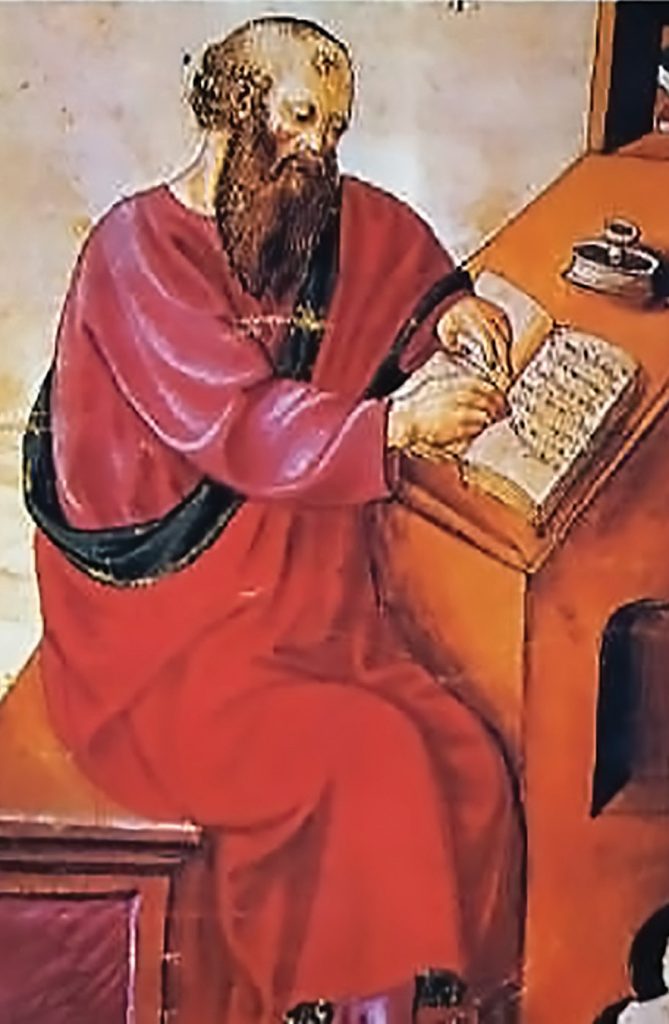
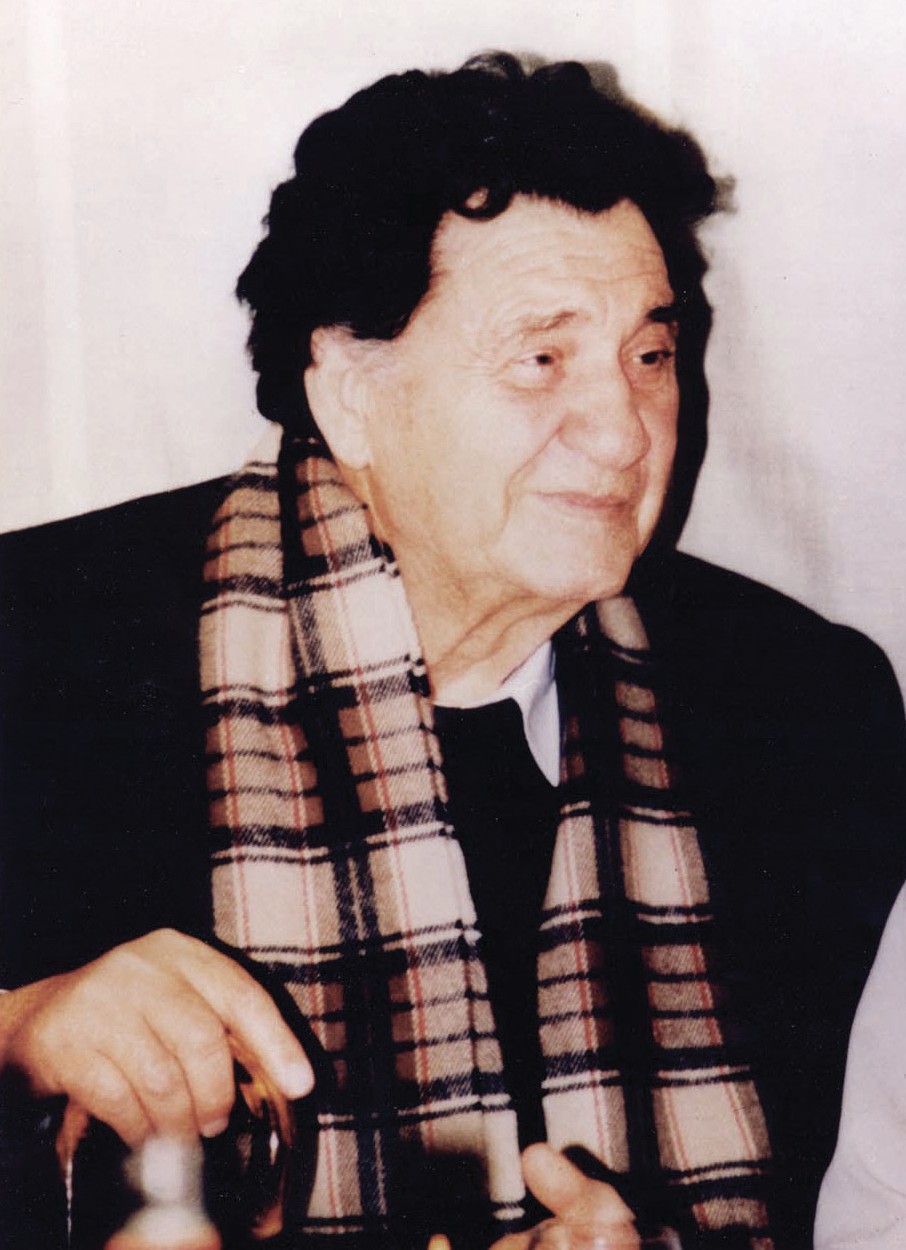
Dr. Stylianos Atteshlis, the mystic healer, teacher and the great figure of esoteric Christianity known to the world as Daskalos, was born on 12 December 1912 on Cyprus. His childhood was unhappy and fraught with challenges. His unique abilities surfaced early on in his life, for example, his knack for reading people’s minds. He was in continuous contact with various invisible nature spirits, the so-called elementals and like Socrates, he spoke of a helping spirit that aided him in difficult situations. There are a number of extraordinary stories about how the spirit helped him solve high-level mathematical, linguistic and other problems at school, which even his teachers were unable to tackle. On other occasions, they asked him to translate complex texts in Latin, to which he simply asked whether they would like him to translate the text to modern or ancient Greek. The principal of his school pondered: “What could we possibly teach the boy? He knows more than we do.” A number of other stories relate in great detail the lives that his spirit had lived in other bodies on Earth. He referred to himself as a disciple of John the Apostle, or ‘Yohannan’ as he called him and later referred to himself in his teachings as the mouthpiece of Yohannan.
At the age of seven, he is reported to have received from John the Apostle the „seven vows” which became the vows of his future circle of disciples, the Researchers of Truth. The goal of this group was to learn and develop together while aiding mankind. Their seven vows clearly mirrored the high level of morality and spiritual endeavours that transfused them. The young Stylianos spent his youth in a rather lonely fashion as he was unable to share his unique inner experiences. He quickly developed his talents in music – he played the violin and piano, and composed his own songs – the arts – he created beautiful paintings – and in language, developing fluency in more than ten different languages. He earned a PhD in England in philosophy and theology, worked as a civil servant, married and had a child. He spent most of his life in the Strovolos district of Nicosia, Cyprus, leading an exemplary family life. Following the death of his wife, he increasingly devoted himself to helping others.
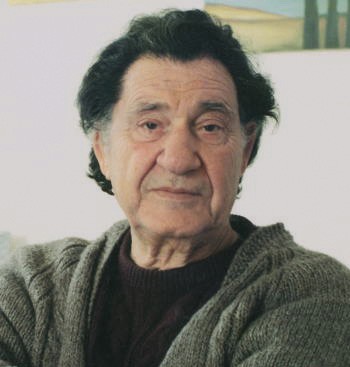
The house in Strovolos was always full of people who wanted to learn and heal. On some days he received as many as eighty people. He healed most of them and when they thanked him, he simply said: “Don’t thank me, thank God!” Some of the healings were so extraordinary, that some considered them miracles. Of the following, he simply said: “If you knew the laws of nature, you would not call them miracles.” On some occasions, he took on the burdens of others and carried them for some time. On one occasion, he bore such severe wounds that he couldn’t walk from the agony and was hospitalized – which enabled him to display a miracle to one of his friends. For a short time, he “removed” the injury, causing his disability to simply vanish, allowing him to jump up and down, before returning the injury to his leg.
He was characterised by a great sense of humour and intelligence and was a natural, modest person who often smiled. His behaviour lacked all forms of pretence. He had a kind word for everyone, combined with a simple and open manner that made people flock to him. In his own house, he set up a special room with a unique magical atmosphere, which he referred to as the Stoa, where the teachings took place. This is where his disciples gathered (although he personally despised this word) and developed themselves. Daskalos delivered hundreds of lectures, which were recorded. He wrote a number of important books, yet his name became truly well-known thanks to the trilogy of books entitled the Magus of Strovolos. In relation to the title, Daskalos said: “Not the word ‘magus’ for God’s sake!” Due to his special abilities and free-spirited teachings, he faced many attacks, particularly from the Church. He passed away on 26 August 1995 on Cyprus. His group of disciples and friends remains intact to this day. One of his assistants said the following about him: “Thanks to the way he lived his life, he truly deserved to bear the title of a human.”
“Within us lies holiness, an inner sanctuary that lives in the heart of every man and woman. A temple that cannot be defiled or destroyed. Go there, beg, pray and fulfill your mission. You will find Christ there. He is waiting for you!”
“The final goal is to return to the source, carrying with us the accumulated experiences of our earthly lives.”
“Nationality, religion or race plays no role in our work.” “It is impossible to study the Universe until we know ourselves. Once we know ourselves, we know the Absolute Being. The part of us that resonates with the Absolute Being is our Supreme Self, the Holy Monad…”
“When we hurt someone, we hurt ourselves. When a child is starving in Africa, it is a part of us that is suffering. (…) When soldiers die in Bosnia, a part of us is destroyed. We are both the attacker and the attacked …”
“I promise to myself…
To serve at all times and in all places Absolute Beingness to whom I wholeheartedly belong. To be ready at all times and in all places to serve the Divine Plan. To make good use of the Divine Gifts of thought and word, at all times, in all places, and under all circumstances. To endure patiently without complaining all forms and trials and tribulations which the most wise Divine Law may bestow on me. To love and serve my fellow human beings sincerely from the depths of my heart and Soul, no matter what their behaviour may be towards me. To meditate and to contemplate daily Absolute Beingness, with the objective of total coordination of my thoughts, desires, words and action with Its Divine Will. To investigate and check every night whether all my thoughts, desires, words and actions are in absolute harmony with the Divine Law.”
(Oath of the Researchers of Truth)
“Our mission in life is to be of service to our fellow man.”