Dogen Zenji
1200–1253, Japan
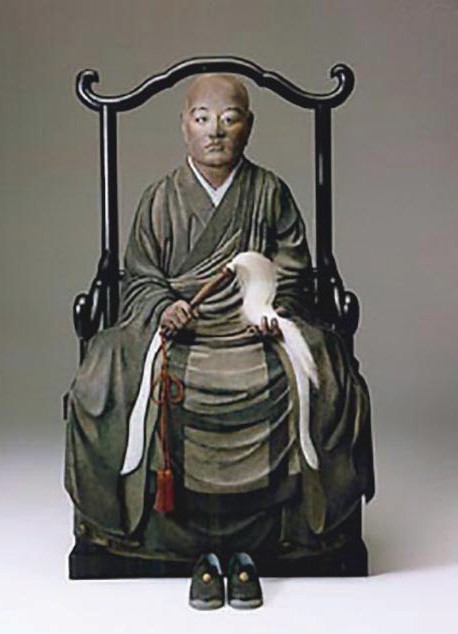
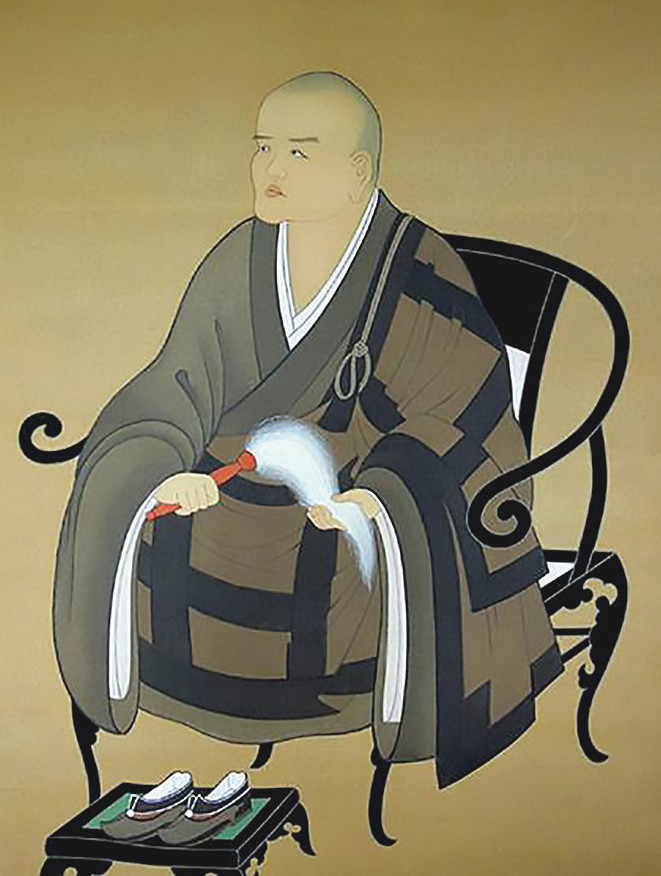
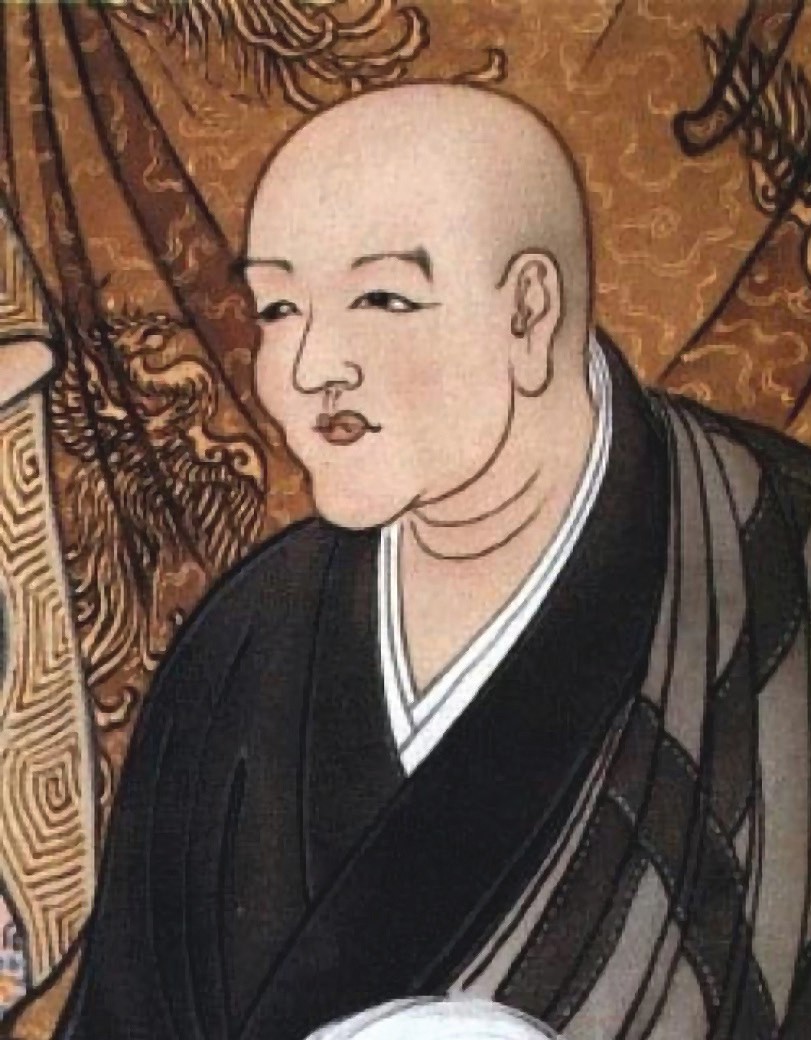
Dogen Zenji, Japan’s most outstanding Zen master and the founder of the Soto school of Zen Buddhism in Japan who spread the pure tenets of the Dharma (“true teachings”) in his country was born on 19 January 1200 in Kyoto, Japan as the ninth-generation descendent of Emperor Murakami. As a child, he excelled with his sharp wit and incredible abilities. By the age of three he was reading sacred texts in Chinese, and by the age of seven he was writing poetry in Chinese. From his early childhood, he longed for enlightenment, not for himself but to help others. He lost his parents at a young age. At his mother’s deathbed, he promised to devote his life to serving people as a Buddhist teacher. Although his uncle intended for him to pursue a political career, he eloped from the family estate at the age of 13 and deliberately set out on a carefully planned path that he hoped would lead him to finding the truth.
His quest led him first to Mount Hiei, the most prestigious Buddhist monastery in Japan at the time, where he was soon ordained a monk under the name of Dogen Kigen. He later wandered for years throughout Japan and later in China. Many books could be filled with the accounts of the many encounters that Dogen experienced during his years of searching. Dogen also studied with the renowned enlightened Zen master Eisai, and following Eisai’s death, he was trained by one of his outstanding disciples, Myozen. In Dogen’s time, the most important masters and sacred scriptures of Buddhism were mainly found in India and China, and he spent years wandering throughout China, visiting its spiritual sites.
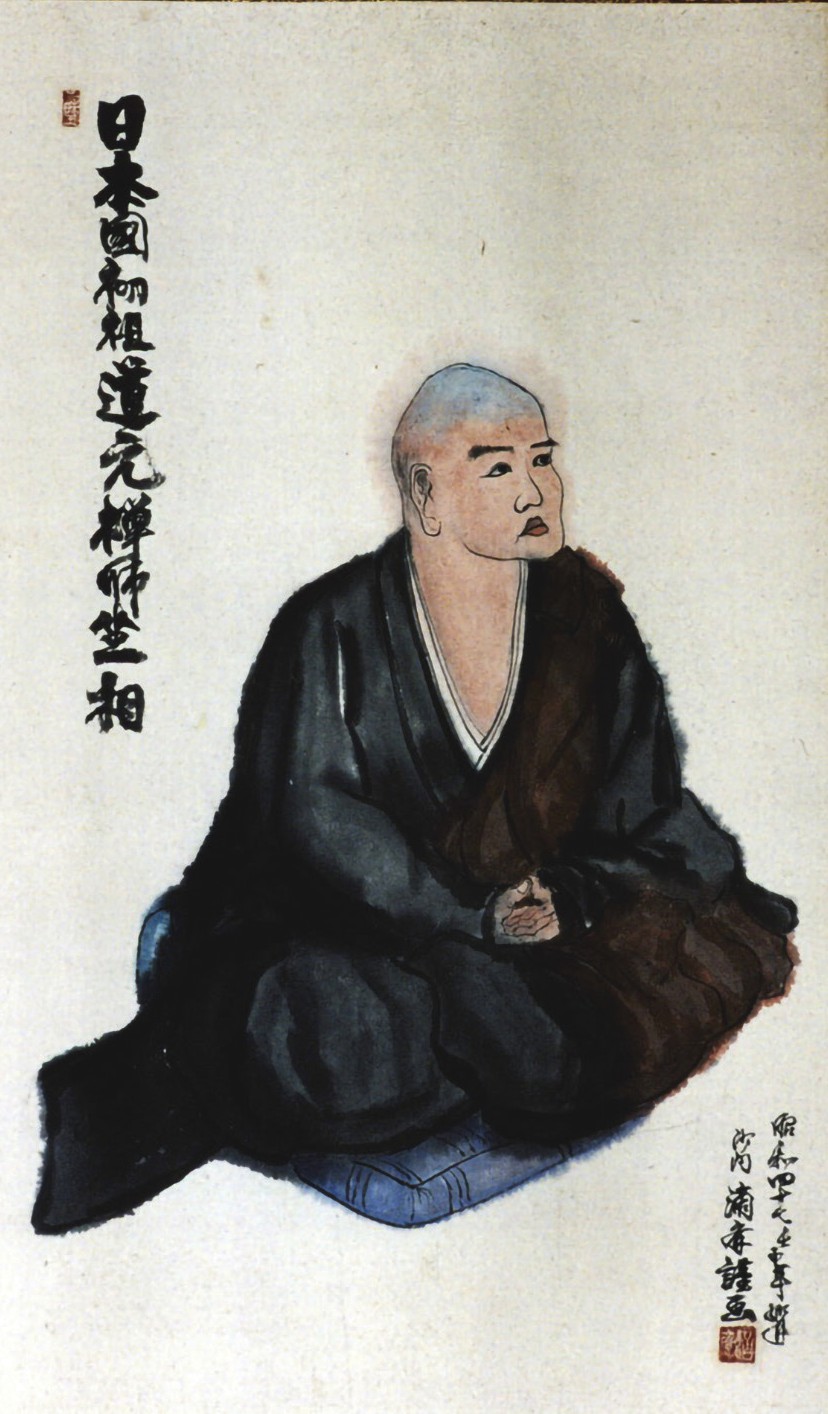
Finally, he came to Mount Tiantong, where he met Master Rujing, who helped him attain enlightenment. Previously, Master Rujing imparted this key teaching to him: “The gateway that reveals the Dharma from spirit to spirit, Buddha to Buddha, ancestor to ancestor is open and can be passed through.” Dogen became the 51st patriarch of the Zen tradition. Following his enlightenment, he continued studying with his master for a while before returning to Japan in 1227 to bring a fresh approach to the declining Japanese Buddhism, which had by then had become distanced from its roots. He is also credited with founding Kosohori-ji, the first independent Zen monastery in Japan, and Eihei-ji (the Temple of Eternal Peace). The latter is still the main temple of the Soto Buddhist school in the Fukui Hills.
In an effort to unify the various Buddhist approaches, teachings and trends and introduce the practice of Zen, Dogen’s most famous work, the sacred book of Japanese Buddhism, The Shobogenzo, was written between 1231 and 1253. Its 95 chapters explore not only Zen Buddhism but also the world of Oriental philosophy and culture. Dogen is also regarded by many as a great philosopher, yet instead of sourcing them from intellectual work, his thoughts originate from immediate spiritual insights into living truth. Until the last moment of his life, Dogen took great care in training his students. Although he was strict and demanding, he encouraged his disciples to fully submit to the true realisation of the path, even in the activities of daily life, in order to recognise impermanence and to free themselves from the egocentric self.
“Brothers, please have compassion on me and forgive me for my deeds,” he asked from his disciples, with whom he was often very strict in order to dispel their illusions. Dogen retired to the solitude of Eihei-ji and attained nirvana on 22 September 1253. He always referred to himself as the one who brought the Buddha’s teachings back to Japan. The title of Founding Grand Master was bestowed on Dogen Zenji in 1879. He left a rich spiritual legacy for his country and for all mankind. To this day, his timeless writings and poems provide intellectual nourishment for seekers, philosophers and scholars alike. His way of thinking, practical and spiritual approach far surpassed the Buddhist approaches of his time. His great merit lies in the fusion of the various schools of Buddhism, but his teachings also provided forward-thinking answers to the most important questions of the contemporary Western world. Perhaps that is why, eight hundred years on, Dogen Zenji’s teachings still speak to the hearts of – Buddhist and non-Buddhist – people all over the world today.
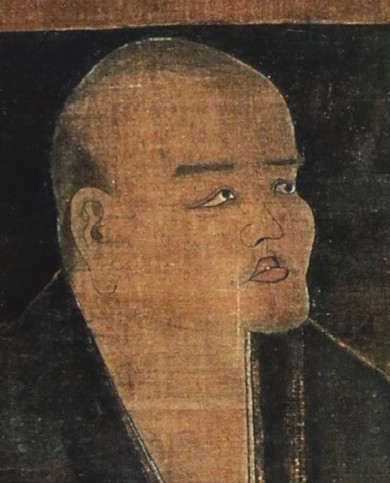
“Mastering the practice and persevering on the path is to stop clinging to the ego and follow the teacher’s instructions. The point is that you must be free from greed. In order to end greed, you must first get rid of the egocentric self. And to get rid of the egocentric self, the most important thing is to recognize impermanence.”
“If you open your hand, you may receive everything.”
“To study the way of the Buddha is to study oneself.”
“If one hand receives, the other loses.”
“I live by letting things happen.”
“The bodhisattva, the one who selflessly aspires to enlightenment, cannot escape from the samsara as long as there is a single being who can be saved.”
“What is best for the sake of the Buddha-Way and for the benefit of others should be considered in each situation. Forget personal profit and do not be concerned with your reputation!”