Don Juan Matus
around 1900, United States of America–around 1980, Mexico
“I am already given to the power that rules my fate. And I cling to nothing so I will have nothing to defend. I have no thoughts so I will see. I fear nothing so I will remember myself. Detached and at ease, I will dart past the Eagle to be free.”
Don Juan Matus nagual, a teacher of the Mexican Toltec tradition, was born in the early 1900s to Yagui Indian parents in Tucson, Arizona, USA. Without the books of Don Juan’s well-known disciple Carlos Castaneda, the world would most probably know very little about him and the Toltec spiritual tradition. Don Juan Matus was also referred to as Mariano Aureliano and Mister Abelar. He was still an infant when his family moved to Sonora, Mexico to live with the Yagui Indian tribes. At the age of 10, the Yagui tribes rebelled against Mexican oppression. The freedom fight was crushed, Don Juan’s mother was killed, and the majority of the Indians were scattered across various states in Mexico. Don Juan ended up with his father at the southernmost part of the Yucatan Peninsula.
As a young man, he lived on casual labour, working in tobacco fields and sugar cane plantations. When he was 20 years old, he tried to escape the inhuman conditions, but was shot dead by his foreman. That is when Julian nagual found him and recognized him to be the new nagual. The Toltecs are also known as the ‘keepers of knowledge’ and the heirs of a spiritual tradition that dates back tens of thousands of years. After the arrival of the cruel and greedy Spanish conquerors, they took particular care to ensure that the knowledge they safeguarded would not fall into the hands of the uninitiated. In their tradition, a nagual is a person who possesses spiritual powers. According to their beliefs, no one can be a nagual by choice or a member of their society, which consists of at least eight persons, four women and four men. Power determines and selects the nagual candidates.
Julian recognised the ‘energies’ of Don Juan and he chose him as his successor with the help of the Spirit. Don Juan Matus was trained in extraordinary circumstances. The first phase consisted of three years, at which point he felt he could take no more and he left Julian nagual. By that point, he had identified the assemblage points that could help him in extremely difficult situations. In Toltec tradition, an assemblage point is a place where perception is focused inside one’s light envelope. As the position of the assemblage point determines the planes one accesses and the worlds they experience, learning to move the assemblage point is an important part of the training. Without the ability to move the assemblage point, consciousness disintegrates at the moment of death.
Following his failure, Don Juan travelled north to Sinaola, where he met the widow of an old benefactor, a young Yagui Indian widow and her two children. He decided to stay and help the widow. In just one year, he lost the new identity he had acquired with Julian nagual, and the most painful thing for him was that his physical strength also diminished. He realised that he had failed because he had no ‘abstract goal’ and thus his motivation was not to achieve freedom. The next year was spent by making a sort of summary of his life, a recapitulation. In Don Juan’s teachings, a recapitulation is a breathing technique to recall the important events in our lives and recover the energy lost in the events, while returning the foreign emotional energy sent back to us during the event.
After a number of painful confrontations and realisations, he underwent a death experience, after which he literally returned as a new and free man. He died while working in the fields, and was buried by the other workers on the site so his body would not be eaten by birds. They built an improvised grave of earth and stones around him. Don Juan Matus remained buried for a whole day. He then dug himself out of the ground and returned to Julian nagual. He later told Castaneda that “the Eagle did not let me go.” In the Toltec tradition, the Eagle is a symbolic figure. If the warrior is able to fully summarize his life and become faultless, this power can guide him to the higher spiritual planes. Don Juan Matus later said: “From that day on, I have only accepted the company or the care of people or warriors who are dead, as I am.” Don Juan Matus met Carlos Castaneda in 1960 and began his training – according to Castaneda, he left the earthly world towards the end of the 1970s. As an anthropologist, Castaneda wrote 12 books on the time he spent with Don Juan. Carlos Castaneda was the last nagual of the branch of Don Juan Matus. In Mexico, this kind of knowledge lives on, and there are many other closed groups apart from that of Don Juan Matus.
“Don’t wish for it,” his benefactor had said. “Just wait until it comes. Don’t try to imagine what death is like. Just be there to be caught in its flow.”
(Words spoken by Julian nagual to Don Juan Matus)
“I died in that field,” he said. “I felt my awareness flowing out of me and heading toward the Eagle. But as I had impeccably recapitulated my life, the Eagle did not swallow my awareness. The Eagle spat me out. Because my body was dead in the field, the Eagle did not let me go through to freedom. It was as if it told me to go back and try again.”
(Castaneda’s record of Don Juan Matus’ death experience)
“As long as you feel that you are the most important thing in the world you cannot really appreciate the world around you. You are like a horse with blinders, all you see is yourself apart from everything else.”
“Make yourself available to the spirit by being aware of it!”
“The first truth is that the world is as it looks and yet it isn’t. It’s not as solid and real as our perception has been led to believe, but it isn’t a mirage either. The world is not an illusion, as it has been said to be; it’s real on the one hand, and unreal on the other […] We perceive. This is a hard fact. But what we perceive is not a fact of the same kind, because we learn what to perceive.”
“One of the strictest commands of the new seers,” don Juan continued, “was that warriors have to learn dreaming while they are in their normal state of awareness. Following that command, I began teaching you dreaming almost from the first day we met.”
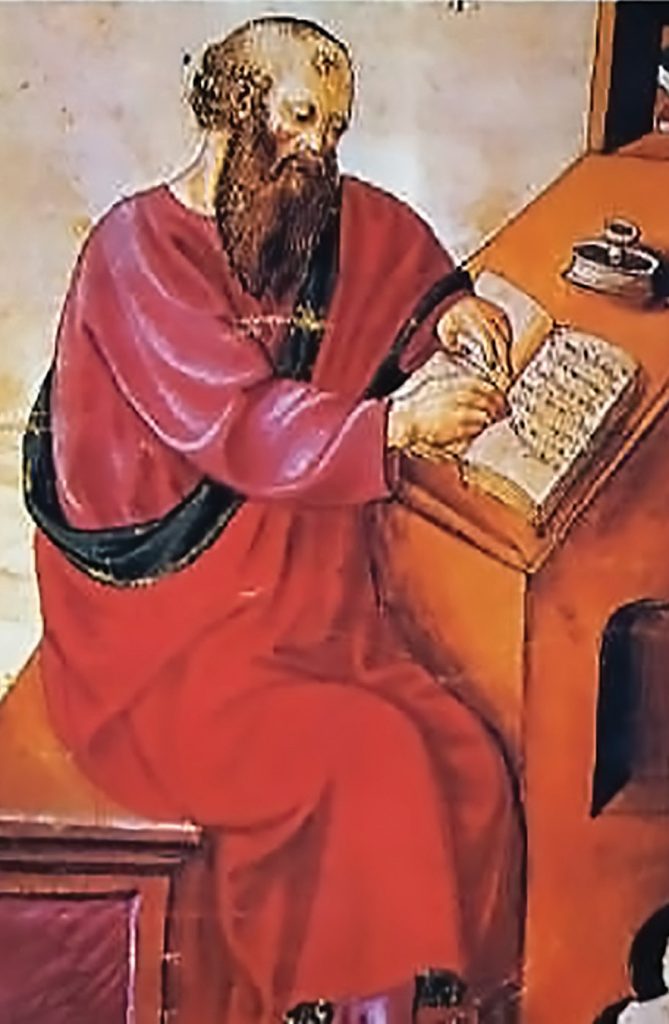
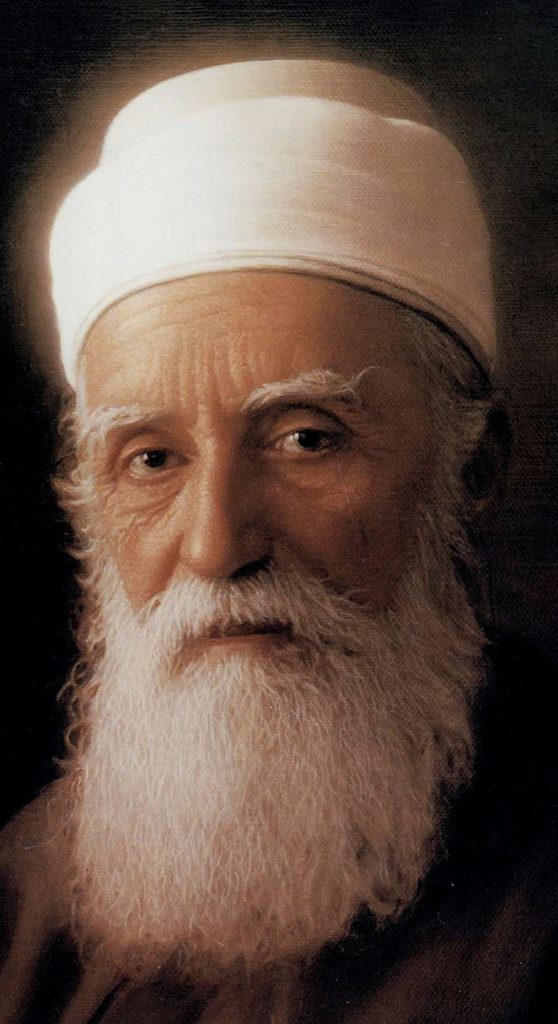
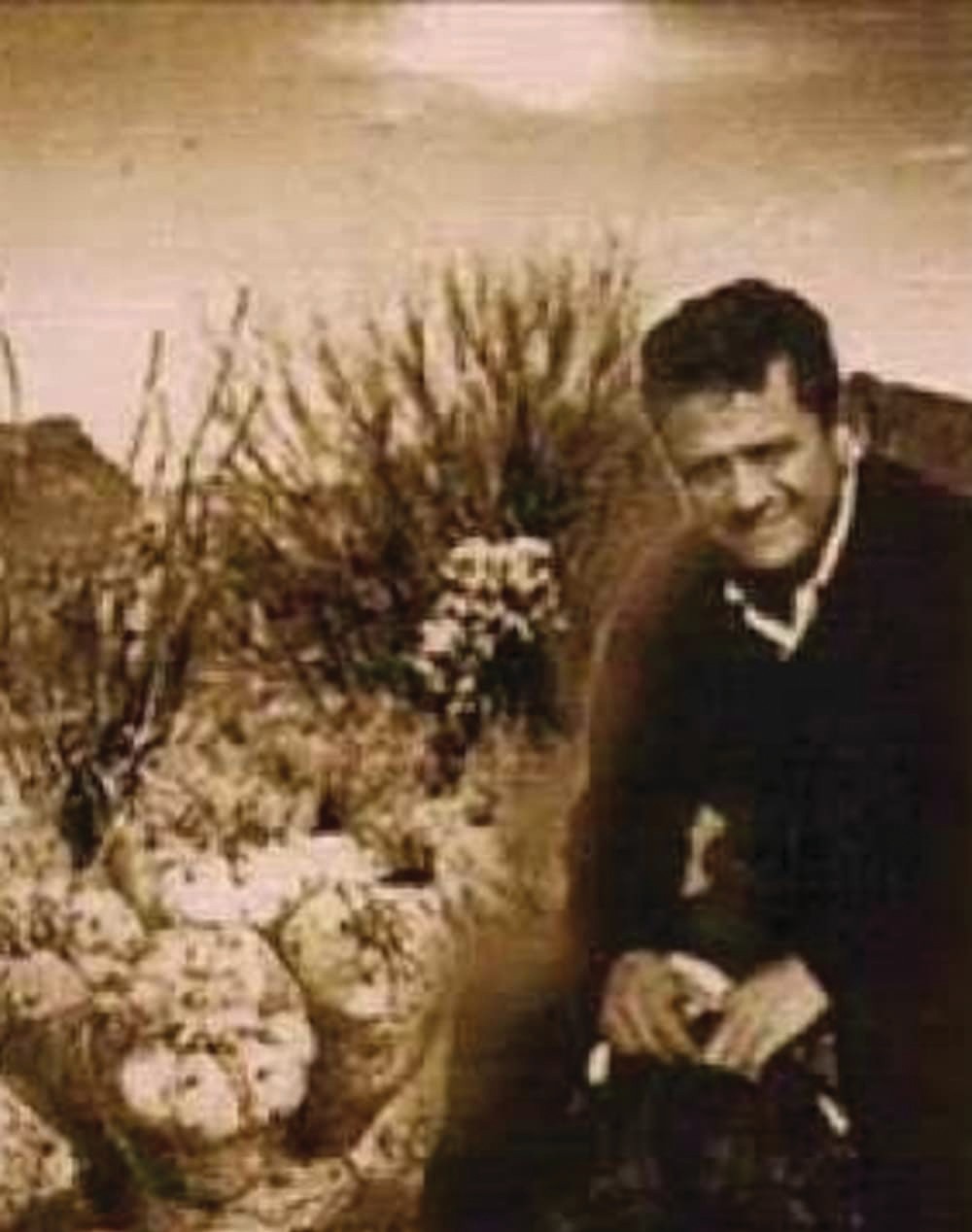
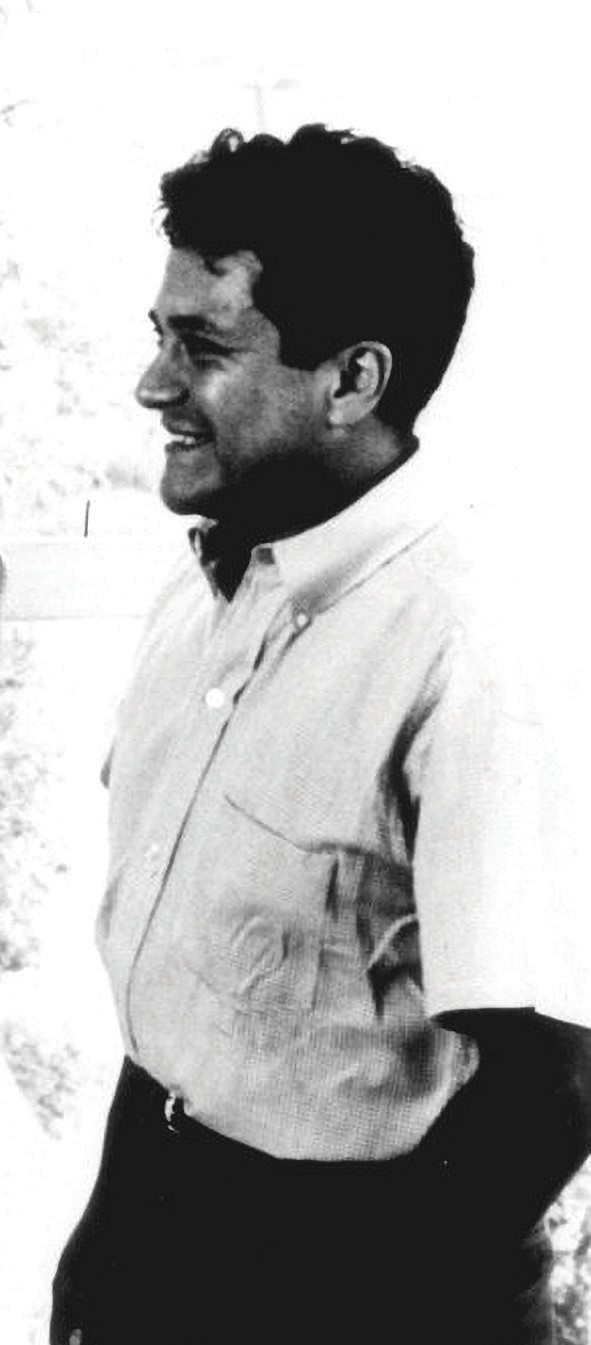
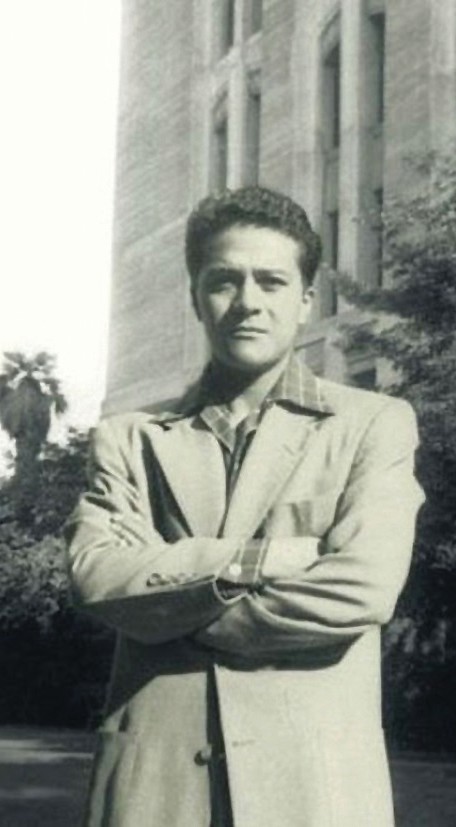
There are no remaining pictures of Don Juan Matus. The pictures above are of his disciple, Carlos Castaneda.