Faustina Kowalska
1905–1938, Poland
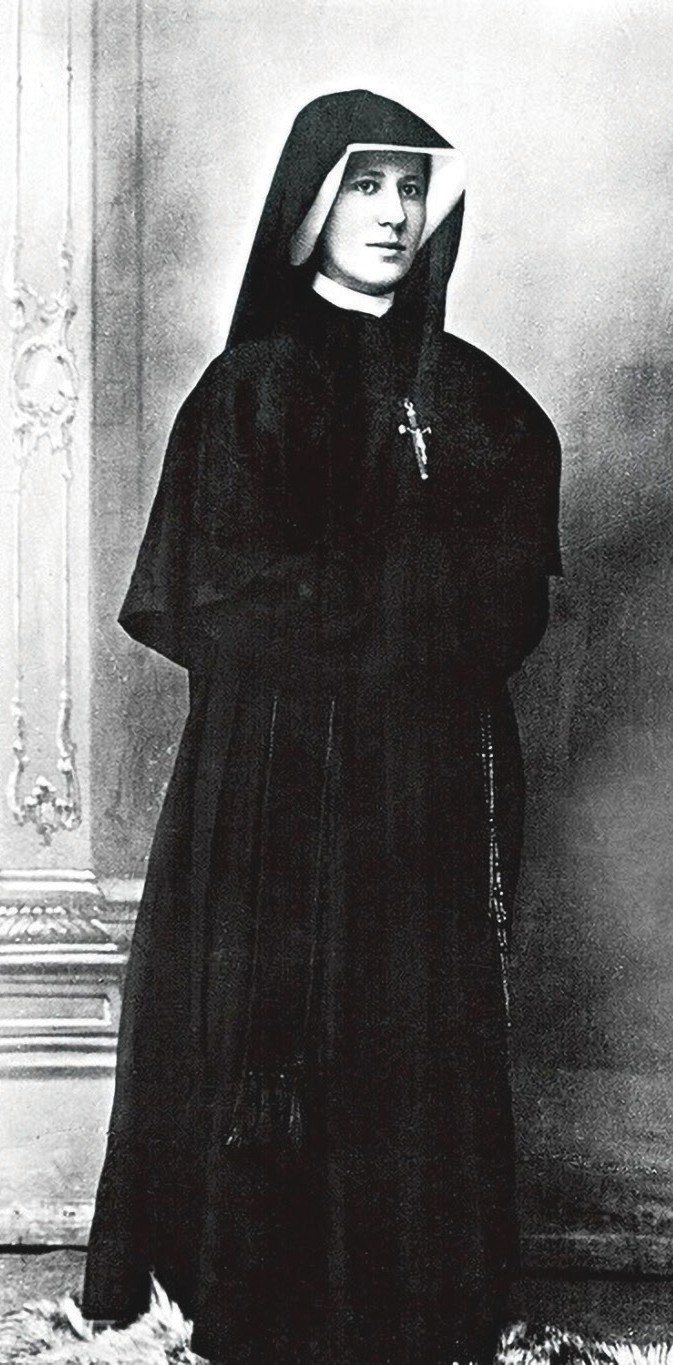
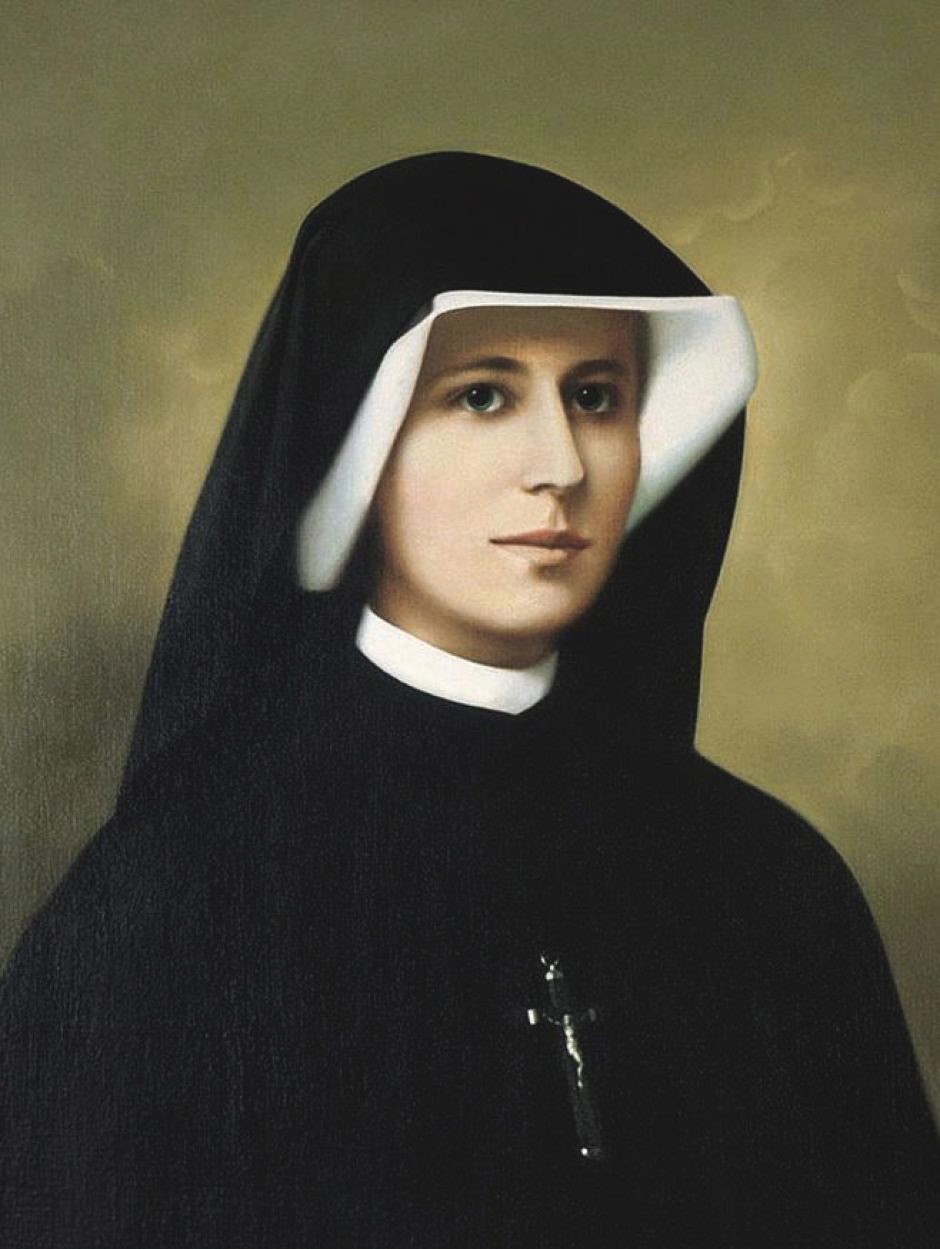
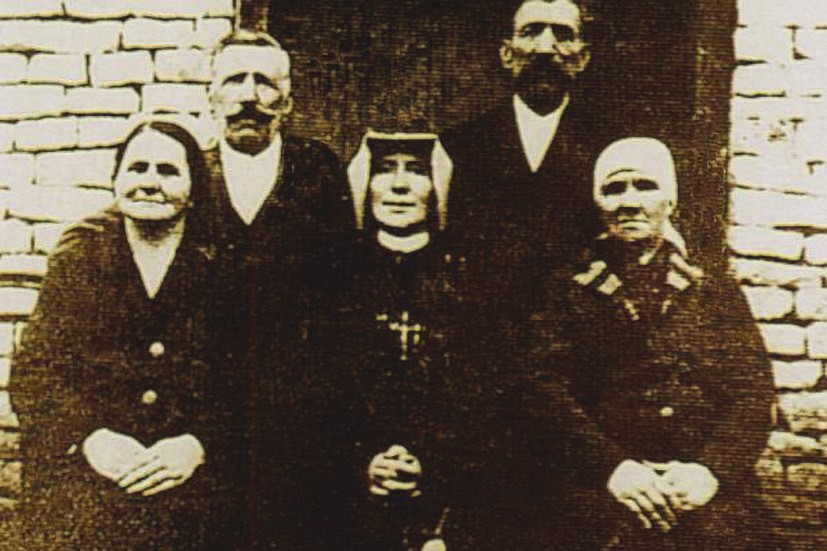
Sister Faustina, one of the great saints of Christian mysticism, also known as the Apostle of Divine Mercy, was born Elena Kowalska on 25 August 1905 in Glogowiec, Poland, as the third child of a peasant family of 10. The life of the simple nun who had only three years of elementary school education was a continuous series of mystical events. Her diary, which has become one of the best-known works of Christian mysticism, exudes wisdom that could not have been formulated without heavenly aid. Her writings reveal that Elena was talking to Jesus Christ the way one talks to a friend. Even as a small child she wanted to be a nun. At the age of five, the Virgin Mary appeared to her in a dream and took her by the hand. When her mother would enter her room at night, she would often find her kneeling on the floor in prayer.
Since early childhood age, her obedience and sensitivity to the suffering of others was striking. After her first Holy Communion at the age of 9, she became aware of God’s presence in her soul. She felt the calling to become a nun, yet her parents wouldn’t allow it as they needed every penny to help with the household. In order to avoid hearing her inner voice, Elena threw herself into secular life and went to dance parties. This was where she had one of the most mystical experiences of her life: while dancing, she saw a vision of Jesus, stripped of his clothes, bleeding from his wounds, saying to her: “How long will I put up with you and how long will you keep putting me off?” Suddenly, the music stopped and the people around her vanished, leaving her alone with Jesus. She immediately rushed to a nearby church, where she heard Jesus command her to go to Warsaw and join a convent.
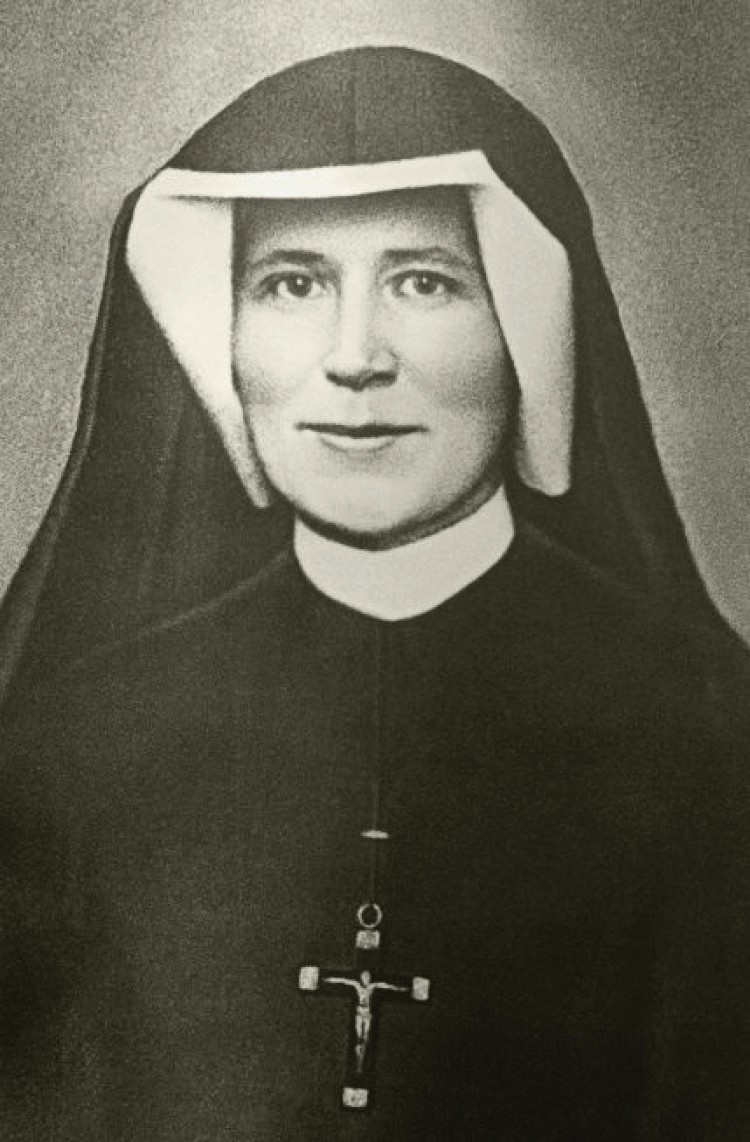
After many years of struggling and a great deal of divine aid, she was finally able to enter the novitiate of the Convent of the Sisters of Our Lady of Mercy in Warsaw in 1926. Yet as a novice and later as a sister, she had a rather unhappy life. She lived in convents in Warsaw, Vilnius, Plock and Krakow. The first years yielded hellish experiences for her. The inner trials and tribulations, commonly referred to by Christian mystical saints as the ‘dark night of the soul’ was particularly intense in Faustina’s case. It is a testament to her greatness that she endured the deepest inner darkness with acceptance and without complaints. “I will suffer silently like a dove, without complaining,” she wrote. She believed that the trials of “the night” prepared her for the agonies that the soul endured by those who sought to help in the work of redeeming the world.
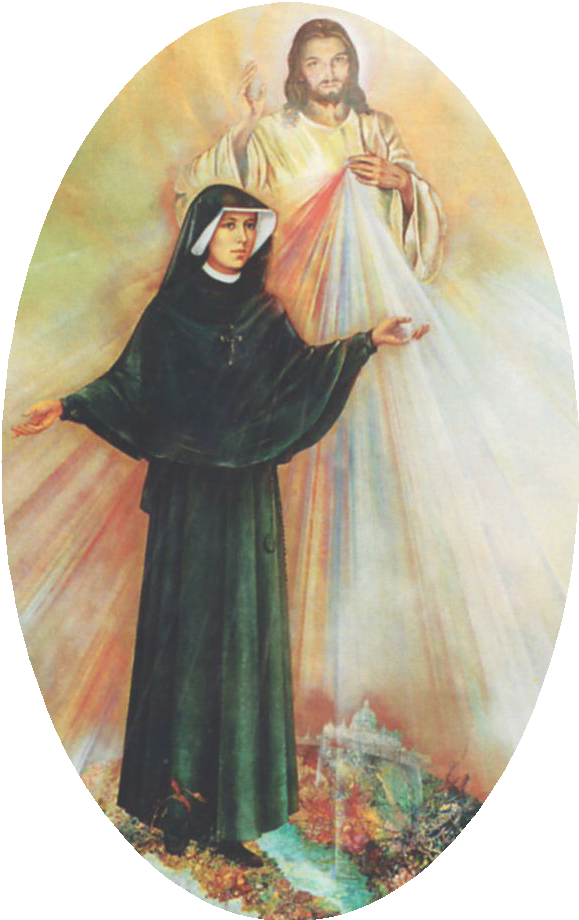
One of the most important tasks of her life was to spread the notion of divine mercy. Jesus specifically asked her to spread the message of God that the Father’s supreme attributes are mercy and love. Thus, at divine request, this led to the veneration of the nine days of Divine Mercy from Good Friday to the Second Sunday of Easter, the Chaplet of Divine Mercy as well as a painting of Divine Mercy inspired by Jesus Christ. The latter is one of the most striking paintings of Jesus, and has also become an important symbol of divine mercy.
They recorded that at times, her innocent, agonized body literally reeked of the sins she had taken upon herself from others. She suffered many severe illnesses and the last ten years of her life were burdened by lung disease. Faustina, who had done so much to help others, was surrounded by countless misconceptions and criticisms. Even her fellow nuns doubted the authenticity of her suffering – they thought she was faking her condition to attract attention. Only after her death did her companions realise the greatness of her being. Despite a great deal of incomprehension and ridicule, she continued to make secret offerings for others until the end of her life. “There is but one price at which souls are bought, and that is suffering united to My suffering on the cross,” said Jesus to Faustina.
Although she had been unable to get out of bed towards the end of her life, she still felt the need to stand before the entire community of the Krakow Convent before her death and apologise to them. She departed from the world on 5 October 1938 – at 33 years of age, the same age Jesus was crucified – while gazing at the image of Christ. Although her messages were not sanctioned by the Church for many years after her death, in April 2000 she was finally canonised by Pope John Paul II, another great Polish saint of the 20th century, who later became a great promoter of the cause of Divine Mercy. It is rather telling that Sister Faustina became the first saint of the new millennium.
“The Lord revealed to me the sins of the world today. I fainted from the horrors I saw! Although I know the depths of His immeasurable mercy, I was amazed that God would let the world go on like this. Then He made me understand that the chosen ones maintain the balance.”
“Eternal Love, I want all the souls You have created to come to know You!”
“I am burning in the desire to save souls.”
“I fully submit myself to the will of God and take upon myself all the suffering, fear and anxiety in the souls of sinners, and in return I give them all the comfort of my soul which I derive from the communion with God.”
“I will cast myself beneath the feet of the sisters, like a carpet on which they can not only tread, but also wipe their feet. My place is under the feet of the sisters. I will make every effort to obtain that place unnoticed by others. It is enough that God sees this.”
“My soul is in a sea of suffering. Sinners have taken everything away from me. But that is all right; I have given everything away for their sake.”