Heinrich Cornelius Agrippa von Nettesheim
1486, present-day Germany – 1535, present-day France
“Truly, God alone is the source of truth, from which he who desires true doctrine must drink. For there is not, nor can there be, a science of the mysteries of nature which is not revealed by divine inspiration… For he has given me a sure knowledge of things, that I may understand the structure of the universe and the workings of the elements, the beginning, the end, and the middle of time…”
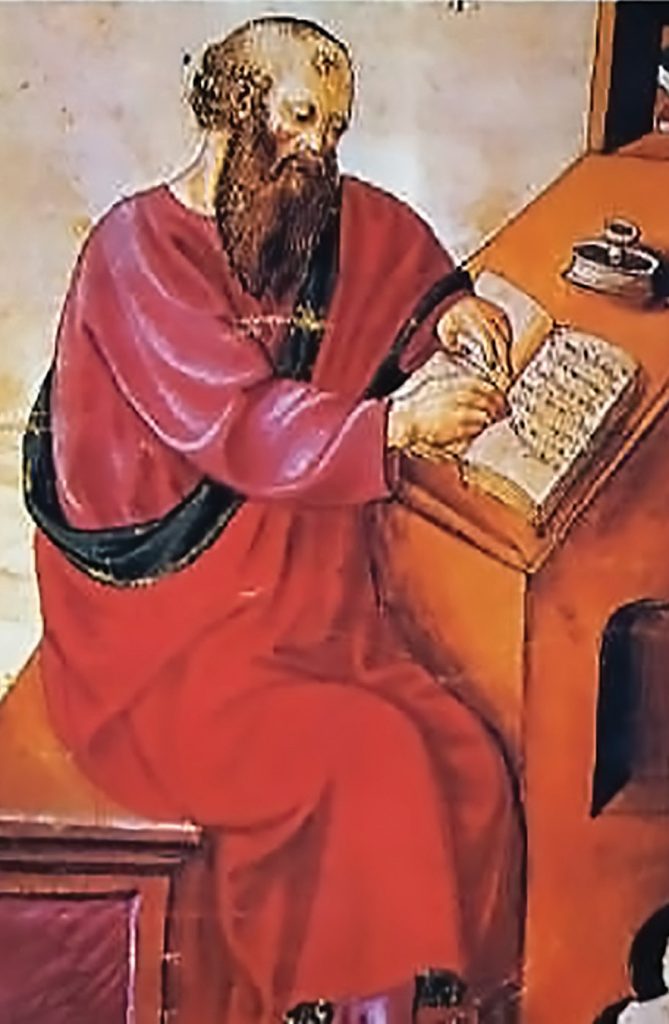
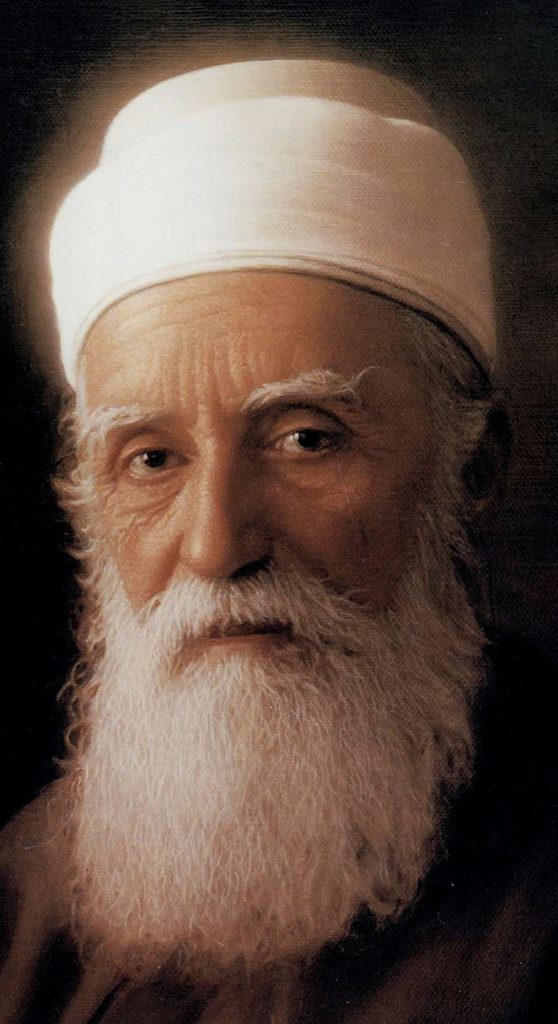
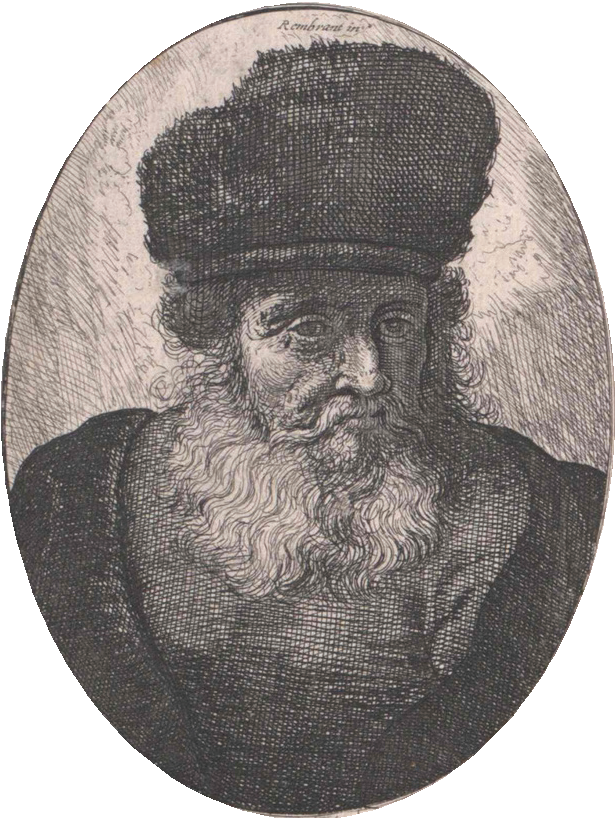
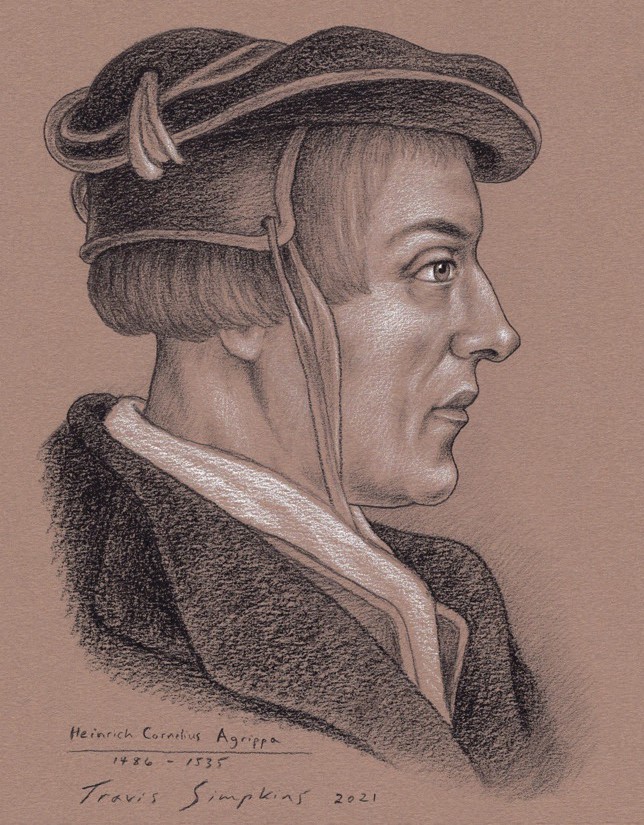
Heinrich Cornelius Agrippa von Nettesheim, the German polymath scientist, theologian, doctor, scholar of law, historian, teacher, alchemist, astrologer and occult philosopher and one of the most original and thrilling personalities of the 16th century was born in Cologne on 14 September 1486. His whole life was characterised by the search for truth and the uncompromised sharing of truth, which is why he often came into conflict with others. Due to this, however, this exceptionally erudite and multi-faceted thinker was basically forced to spend his whole life in persecution. Throughout his 49 year-long life he experienced so many events and adventures that it’s hard to imagine how he had time to witness all these events. For a while, he was a royal courtier, serving the likes of Maximilian I, Holy Roman Emperor and Francis I of France.
He adopted the name Agrippa as an adult, thus referencing the Latin name of his hometown (Colonia Agrippina). According to contemporary records, he already studied law and medicine at the University of Cologne at the age of twelve. The intellectual environment and the world of classical Latin texts had a decisive influence on the young man with a thirst for knowledge, who earned his Master’s degree and fluently spoke eight languages. He later made good use of this knowledge in his political activities. In 1507, he established a secret, occult society in Paris and worked as an alchemist. As he returned to Germany, he studied under abbot Johannes Trithemius, who suggested he keep his interest in the occult a secret.
He lashed out against the science and scholastic philosophy of the age, while sympathising with magic and mystical teachings. Some religious scholars believe that for Agrippa, magic was a sacred science, a kind of synthesis of wisdom and self-control. In his philosophical writings, he called for the reform of the Church in the spirit of the ancient Christian communities. He was also an ardent adherent of Jewish Kabbalah, while also attempting to combine various elements of Neo-Platonism with magic. In Cologne, he attended the lectures of legal scholar Petrus de Ravenna. It was around this time that he first came into conflict with the Church. He fled the local Dominicans by first journeying to Mainz and then to Spain, where he supported himself by swordsmanship.
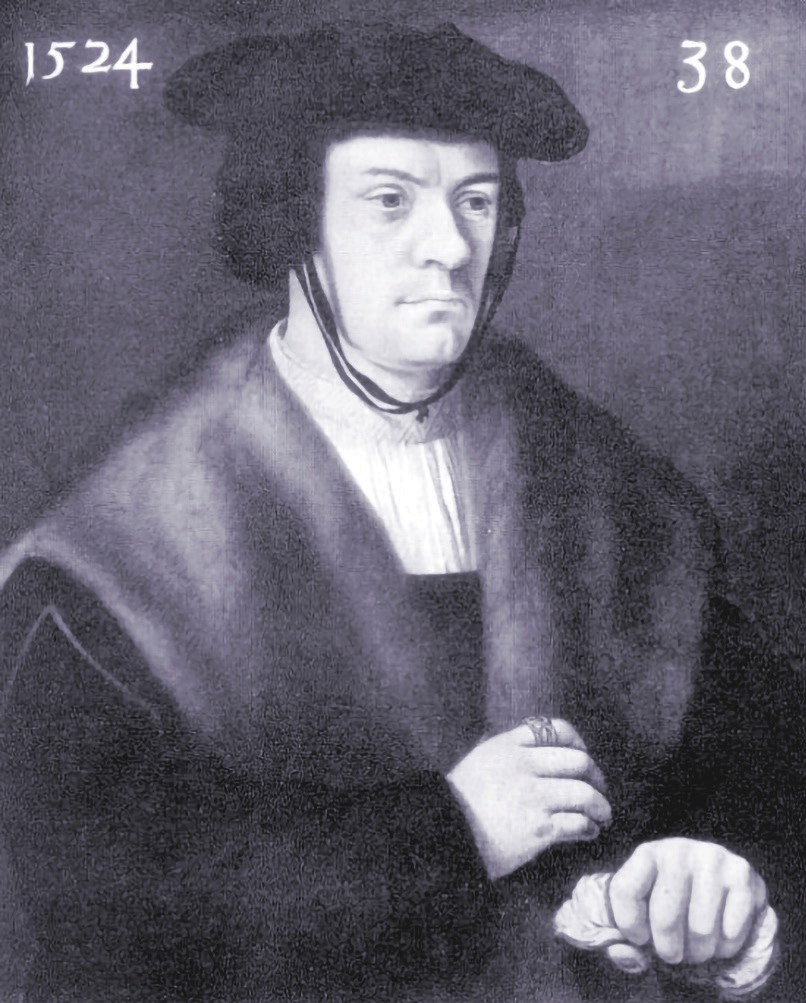
In 1509, he returned to sciences and taught Hebrew at the University of Dole in Burgundy. Here he was accused of heresy by Franciscan monks and was forced to flee again. With the help of his patron, Margaret of Austria, he managed to find passage to London before returning to Cologne, where he taught theology, before engaging in an open dispute with the church inquisitor of Cologne, forcing him to flee the city. With the support of his benefactors, he managed to join the Emperor’s service as a diplomat-turned-spy before heading to northern Italy with the forces of Maximilian I sent against Venice. He finally found it was time for him to settle down. He married (according to some sources, he married three times) and he found a job at the university, where he interpreted the teachings of Hermes Trismegistus, amazing his students with his knowledge.
However, history intervened again and after the imperial forces lost a series of battles, Agrippa was forced to flee again. He went to Turin before heading to Switzerland and finally the city of Metz. Here he got a job as a lawyer, yet represented a young peasant woman accused of witchcraft, for which he himself was convicted. He was forced to set out wandering again, pursuing medical practices in Cologne, Freiburg and finally, in Lyon. He was appointed physician to Louise of Savoy, yet soon lost her favour. He subsequently went to Antwerp, where he served as court historian, while also continuing his medical practice. His therapies proved to be so successful that he was even invited to consultations in other cities. He then wrote his first great influential work entitled Declamation Attacking the Uncertainty and Vanity of the Sciences and the Arts, which generated an enormous uproar. In the work, he denounced the pomposity and contradictions of the sciences, including medicine.
Shortly after this, he published the Three Books Concerning Occult Philosophy. He was then forced to flee again, yet by this point he was not welcome in any part of the continent and he was repeatedly arrested. Supposedly, by the end of his life, his only faithful companions were his two black dogs named Monsieur and Mademoiselle. Agrippa, the scientist with a great influence on the spiritual life of our world, passed away in 1535, in Grenoble, entirely alone and according to some sources, in abject poverty.
“Seeing man is the most beautiful and perfect work of God, and his Image, and also the lesser world; therefore he by a more perfect composition, and sweet Harmony, and more sublime dignity doth contain and maintain in himself all numbers, measures, weights, motions, Elements, and all other things which are of his composition; and in him as it were in the supreme workmanship, all things obtain a certain high condition, beyond the ordinary consonancy which they have in other compound.”
“Seeing there is a three-fold world, elementary, celestial, and intellectual, and every inferior is governed by its superior, and receiveth the influence of the virtues thereof, so that the very original, and chief Worker of all doth by angels, the heavens, stars, elements, animals, plants, metals, and stones convey from himself the virtues of his omnipotency upon us, for whose service he made, and created all these things: wise men conceive it no way irrational that it should be possible for us to ascend by the same degrees through each world, to the same very original world itself, the Maker of all things, and First Cause, from whence all things are, and proceed; and also to enjoy not only these virtues, which are already in the more excellent kind of things, but also besides these, to draw new virtues from above.”
“All things which were first made by the nature of things in its first Age, seem to be formed by the proportion of numbers, for this was the principal pattern in the mind of the Creator. Hence is borrowed the number of the Elements, hence the courses of times, hence the motion of the Stars, and the revolution of the heaven, and the state of all things subsist by the uniting together of numbers. Numbers therefore are endowed with great and sublime virtues.”