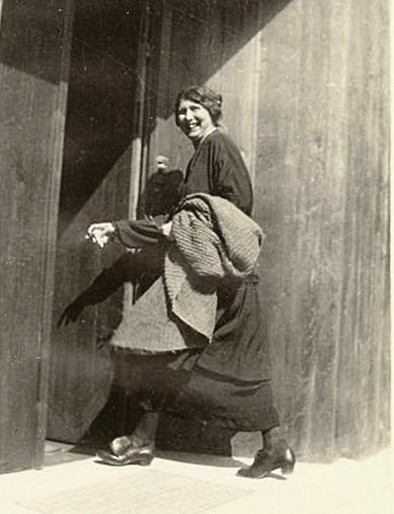
Ita Wegman
1876, Indonesia – 1943, Switzerland
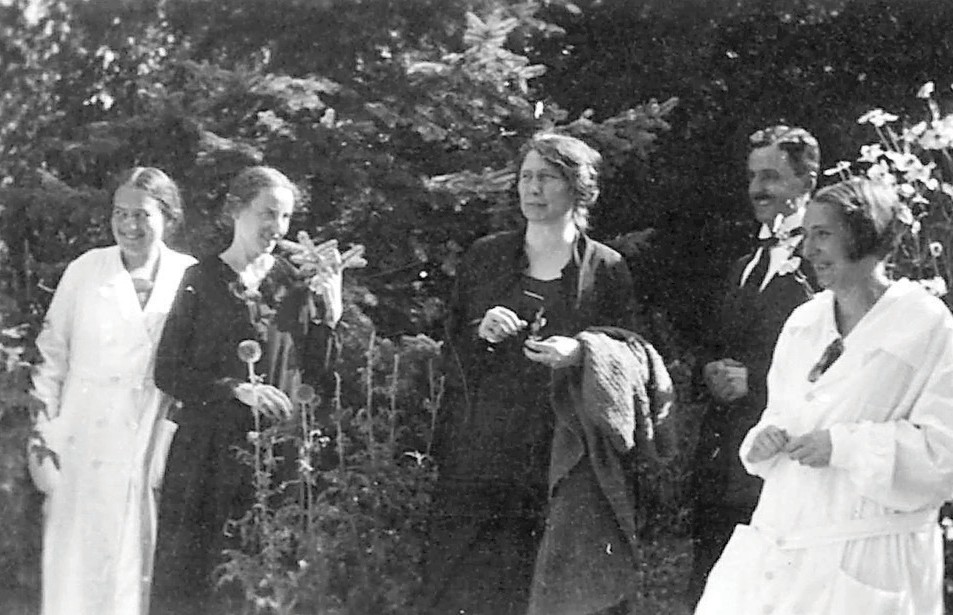
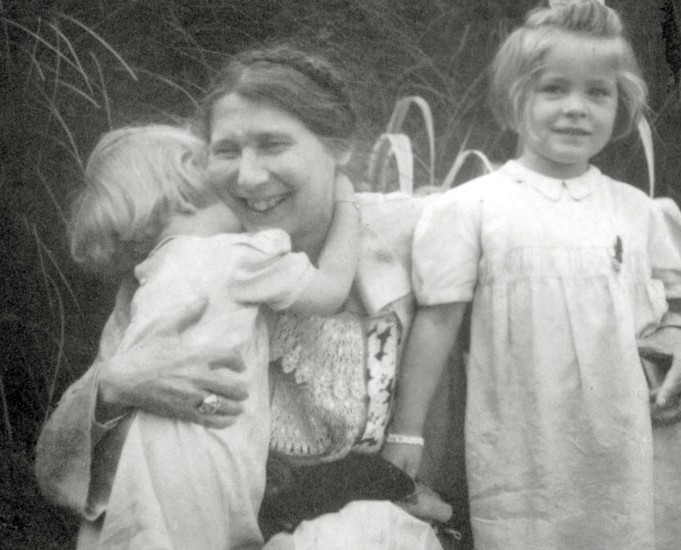
Ita Wegman, one of the key figures of Anthroposophy responsible for establishing Anthroposophical medicine and therapy, was born on 22 February 1876 in Karawang, Indonesia as the first-born child of Dutch parents. As one of Rudolf Steiner’s key collaborators, she played a major role in disseminating the approach of Anthroposophy throughout the world. As a physician, she helped establish the system of Anthroposophical medicine and therapy together with Rudolf Steiner while also establishing the Ita Wegman Clinic in Arlesheim, Switzerland, which continues to operate to this day. For some time, she served as the head of the medical section of the School of Spiritual Science, and was also one of the founders and teachers of the esoteric Michael-School established by Rudolf Steiner. Wegman was also a member of the Executive Council of the Anthroposophical Society reformed in 1923 and was responsible for leading its medical section.
One of the key periods of her life were the twelve years from 1923 to 1925. Together with Rudolf Steiner, this was when they wrote the volume entitled Extending Practical Medicine, followed by a nearly six-month long period when she nursed the terminally ill master practically twenty-four hours a day in Dornach, until Steiner’s death. The two of them had countless important conversations, yet even more important was the loving spirit that characterised the cooperation of these two great human beings. Even as a child, Ita Wegman (born Maria Hendrika) showed affinity for spiritual matters. At twenty years of age, she came in contact with the Theosophical Society in Indonesia and moved to Europe in 1900. She first studied physical education, physiotherapy and massage techniques, and between the age of thirty and thirty-five she completed her medical studies in Zurich and Munich.
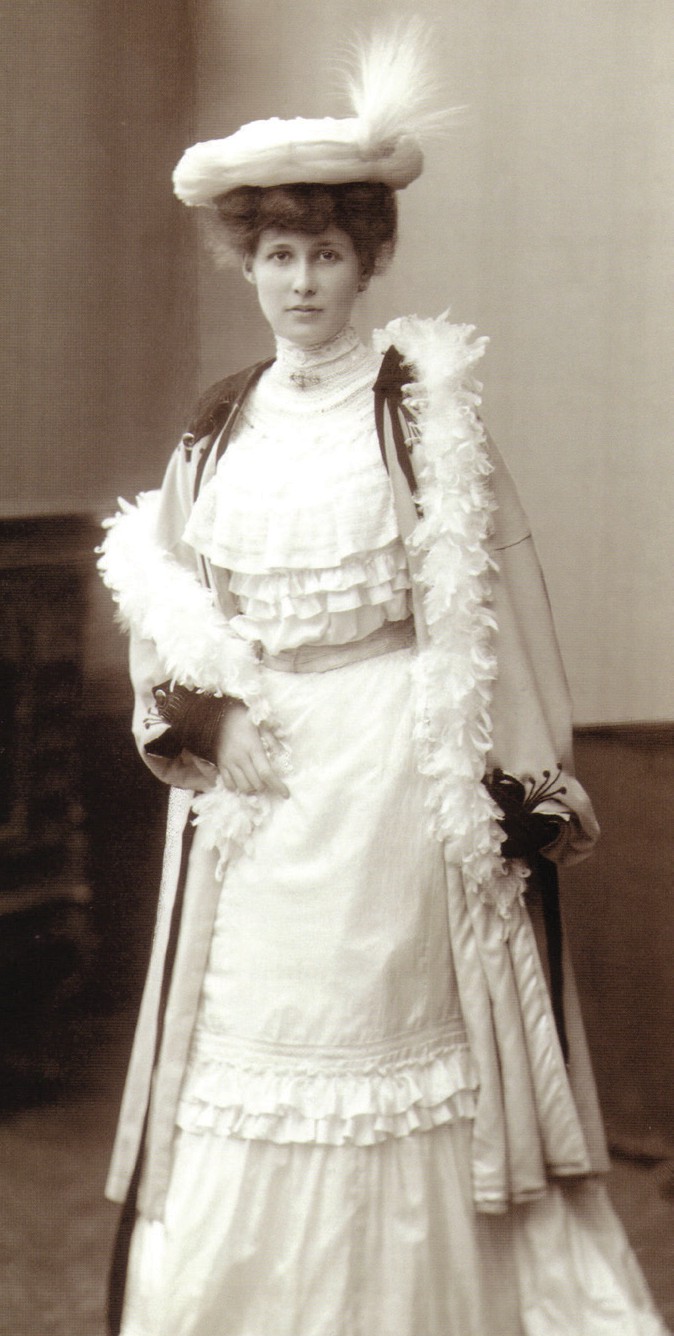
Her meeting with Rudolf Steiner in 1902 proved to be a life-changing encounter. She opened her first private clinic in Arlesheim in 1921. For a while, Steiner himself also served as an adviser in the treatment of patients and in the following year, she established a separate clinic for children. Under Steiner’s supervision, she later spread the approach of Anthroposophical medicine throughout Europe, establishing clinics in Austria, London, Berlin and Paris. She devoted her life to her work as a physician. Due to her work, she often stayed up throughout the night, yet would continue working the following day without showing the slightest signs of fatigue. Ita Wegman was an excellent diagnostician who also used her intuition in her healing efforts. She was also engaged in training others in Anthroposophical medicine, yet her experimental medical research was also of great significance. Anthroposophical medicine draws attention to the fact that it is not enough to treat the physical body, and also considers the invisible, so-called “higher bodies” of man while taking the entirety of one’s being into consideration during the therapeutic process, including various energetic, mental and spiritual aspects.
In 1913, Ita Wegman joined the General Anthroposophical Society upon its establishment. She put her superb organisational and networking skills to good use in her work with the Society, combined with her deep sense of compassion – she was greatly concerned by the well-being of the entirety of humanity. She was a ‘giving’ spirit, committed to helping others, yet with a firm consistency to the application of her principles. The other outstanding period of her life were the so-called ‘crisis years’ between 1933 and 1935. The people who envied her position and were opposed to her work turned against her after Steiner’s death. In the most dramatic event of 1935, Ita Wegman was expelled from the Anthroposophical Society, along with many of her other fellow members. The unresolved conflicts within the Society led to a split, and the Anthroposophical movement later centred on these two prominent figures, Marie Steiner and Ita Wegman. Following her expulsion, Ita Wegman continued to devote her life to her profession. In the words of her biographer, Count Ludwig Polzer-Hoditz – who was also one of Rudolf Steiner’s prominent disciples – she “continued her work despite the unjust persecution”. Ita Wegman continued practicing until 1940. Finally, she passed away as a result of a sudden illness in Arlesheim, one of the main sites of her life, on 4 March 1943. Shortly before her death, she allegedly said: “I want nothing to be said about me at my cremation other than that I will always serve Rudolf Steiner.”
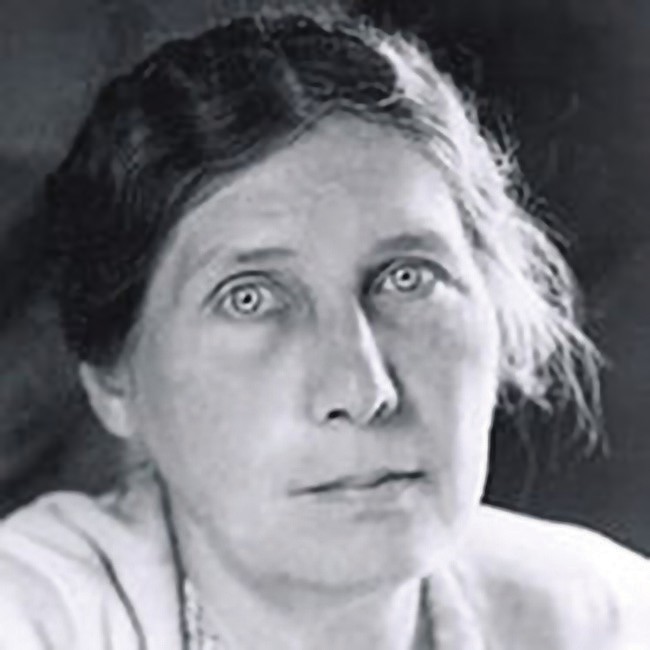
“There must also be some force that leads man to the Spirit. A force that lives in the present and secures the future. Man comes to this power by being filled with goodness. The goodness that comes from being concerned with others. A good man is one who can transfer his own soul into the other’s soul.”
“Anthroposophy must come as a light in the soul, and this light must form a bridge between earth and the heavens. This luminous celestial ladder must provide man with inspired thoughts to strengthen and expand the spirits, to overcome hatred and infuse into man’s soul an understanding of others’ nature.”
“Anthroposophical truths were still considered too abstractly and not accepted in concrete terms. And scientific research was conducted in such a way that it was used to prove what spiritual science had previously revealed. Yet it also requires a strong inner disposition to perceive the spirit behind the matter and to wholeheartedly say ‘yes’ to it. This spirit of acceptance is what Dr. Steiner spoke of, along with the courage to choose the spirit without compromise and without being deceived by hostility or attacks.”