
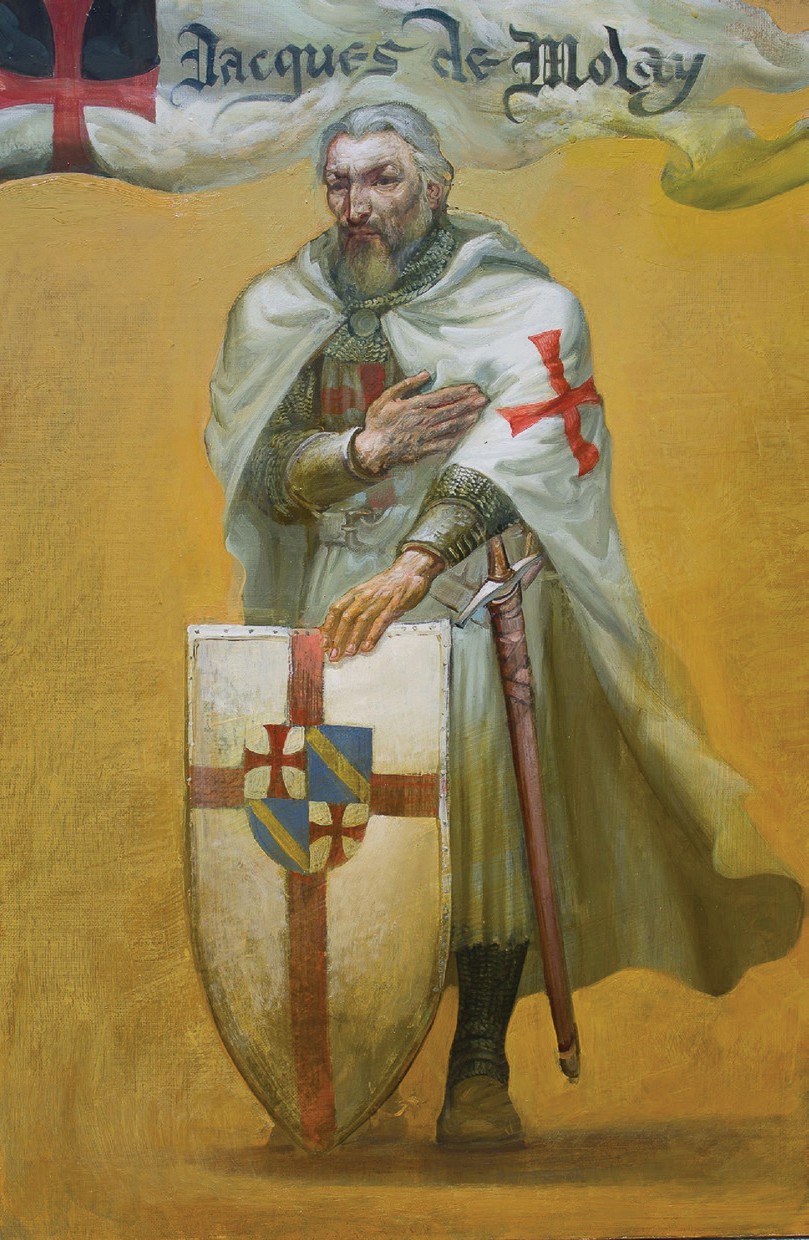
Jacques de Molay
around 1243/44–1314, present-day France
Jacques de Molay, the last Grand Master of the Knights Templar, was born in the mid-13th century into a noble family in the Franche-Comté region of the Holy Roman Empire. Little is known about his early years. Molay, who led the Templars through their most difficult period, joined the Order at the age of 21 in Burgundy. He spent much of his life overseas. The young knight arrived in the Holy Land in the 1270s. After nearly thirty years of service, he was elected Grand Master of the Templars in 1293. He became the head of an organisation that was the largest and most influential order in medieval history.
The “Poor Fellow-Soldiers of Christ and of the Temple of Solomon” was founded in Jerusalem by nine knights led by Hugues de Payns in 1118, originally to protect pilgrims journeying to Jerusalem. Their Rule was established by Bernard of Clairvaux. Those who joined the Order had to take vows of chastity, poverty and obedience. The order was led by the Grand Master. When Molay was appointed leader, the Order had vast sums of money at their disposal, and were involved in both banking and credit deals, as well as in trading and agriculture. The Templars are also associated with the protection of the Holy Grail, one of the most important relics of Christianity, and the key sites of the Order frequently coincide with the sites where the Grail is known to have been kept for some time.
As the head of the Templars, Molay was in contact with all Western European rulers, either in person or by correspondence. His aim was to bring about change in the Holy Land by renewing his Knights Order. In 1294, the Grand Master travelled to Europe to seek support from the Pope and European rulers. The influence and growing wealth of the Templars in almost every aspect of society displeased many by this time. King Philip IV, who had spent almost his entire treasury on wars of dubious importance, set out to take the Templars’ wealth, while Pope Clement V saw them as a rival to the struggling Catholic Church. The Pope presented them with Philip IV’s accusations based on slander, which prompted the Knights to demand an investigation. Yet the king would not wait for the results of the papal inquiry.
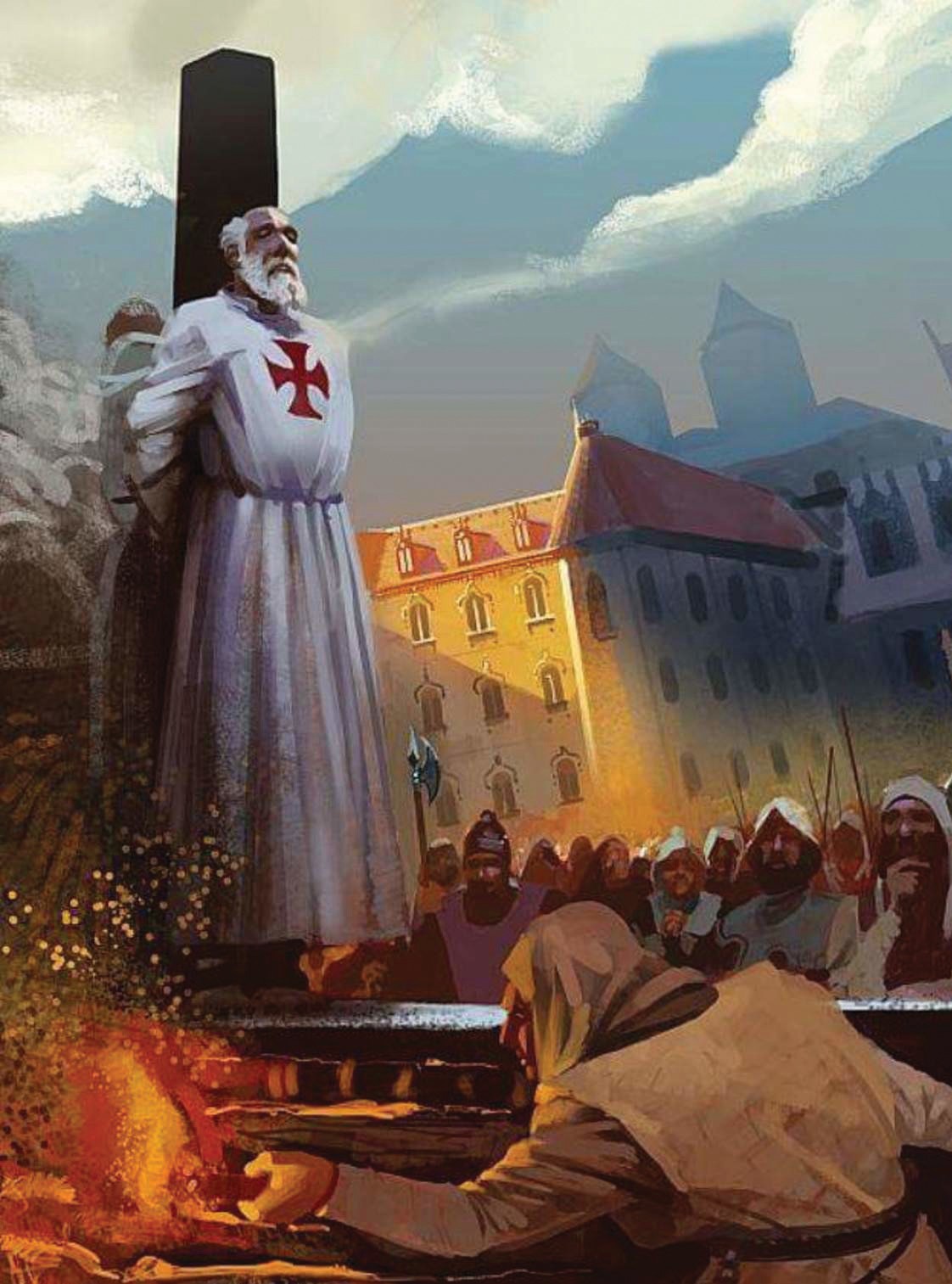
Thus on Friday 13 October 1307, the ordeals of Jacques de Molay and the Templars began. In the course of a single day, the Grand Master and all those related to the Templars were arrested in the territory under the King’s rule. As members of an ecclesiastical body, the Templars enjoyed immunity, yet Philip IV confiscated their vast wealth and launched one of the first show trials in history. The story bears many similarities to the crushing of the Cathar movement. The captured Templars, after exposed to extended torture, made false confessions. Many died as a result of these agonies, and the Grand Master himself signed statements that his torturers wanted in order to justify their accusations. The main charges and slanders included the renunciation of Christ, idolatry and devil worship. The accusations were subsequently proven false.
Molay, who survived the interrogations, was brought before a papal delegation two years later, in November 1309. According to one account, he tore open his shirt to show the marks of torture on his body, which brought the two cardinals to bitter tears. He denied the accusations and was questioned again in March 1310. He refused to confess and requested a papal audience. His request was denied and he was forced to spend another four years in prison. In the meantime, on 22 March 1312, the synod dissolved the Order of the Knights Templar.
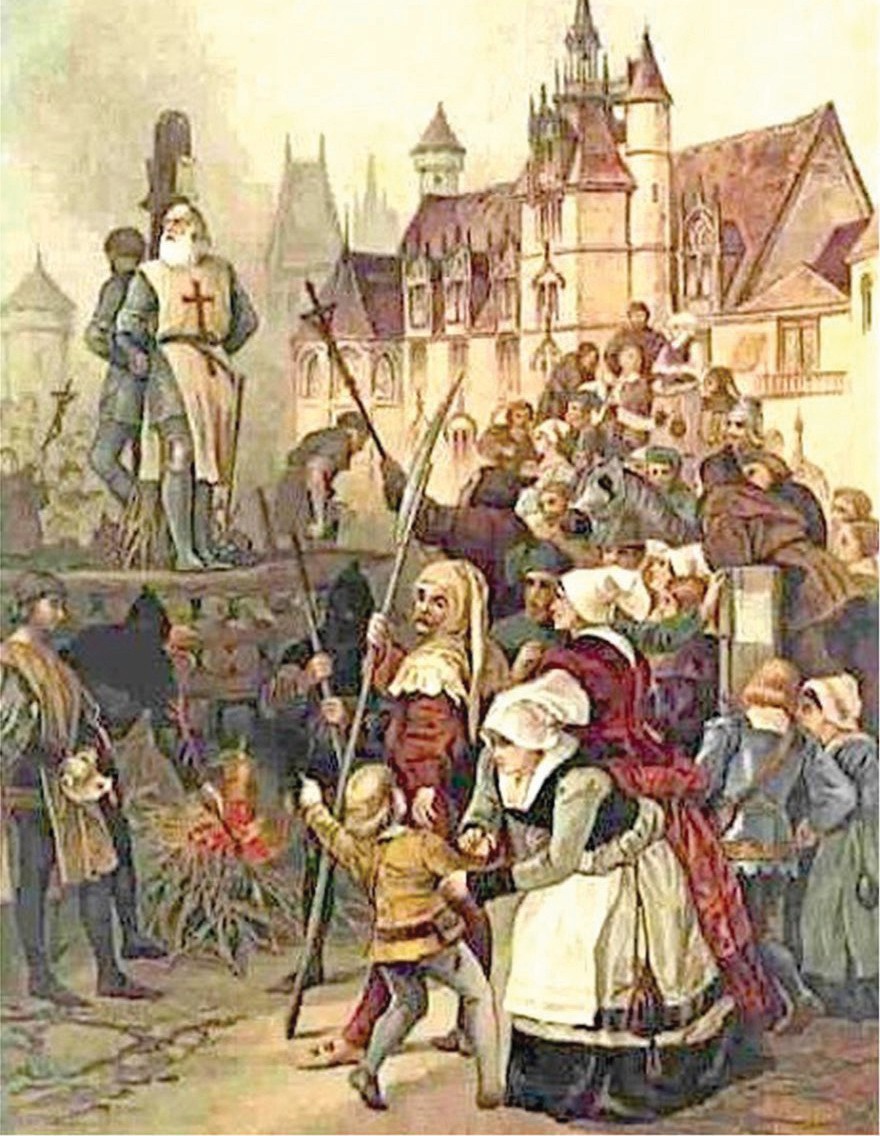
On 18 March 1314, Jacques de Molay and Geoffroi de Charney withdrew their initial confessions, made under duress of torture, for the last time in front of the Notre-Dame and defended the purity and innocence of their order in public. The King decided on his own accord to burn the two Templars on the stake on a small island in the Seine that very day. Thus the last Grand Master of the Knight Templar perished, as a leader of an order which, in addition to guarding the Holy Grail, set out to bring about the moral and economic transformation of society. Following the execution, under the cover of darkness, a handful of monks and believers crept onto the island to carry away and safeguard the charred remains of the deceased knights as holy relics.
The motto of the Knights Templar: “Non nobis, Domine, non nobis: sed Nomini Tuo da Gloriam” (Not unto us, O Lord, not unto us, but to thy name give the glory!”)
“Gentlemen, let me join my hands a little and make my prayer to God. It is truly time for it, for I am going to die immediately. God knows that I have not deserved my torture. Misfortune will soon come to those who have condemned us. God will avenge our death upon our enemies. I die with that conviction. For you, gentlemen, turn, I pray you, my face toward the Virgin Mary, Mother of Jesus Christ.”
(The last words of Jacques de Molay before his death according to Godefroy de Paris, an eyewitness of the execution)
“God works well with us [The Knights Templar] and our saviour Jesus Christ; He has sent his friends from the Holy City of Jerusalem to the marches of France and Burgundy, who for our salvation and the spread of the true faith do not cease to offer their souls to God, a welcome sacrifice.”
(excerpt from the Rule of the Templars)



