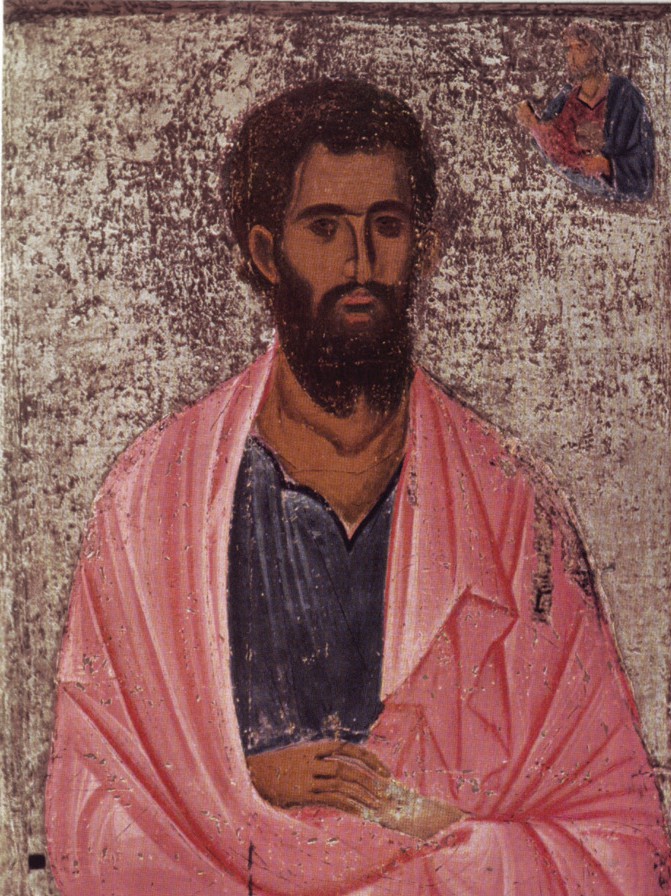
James the Great
? – Kr. u. 44., present-day Israel
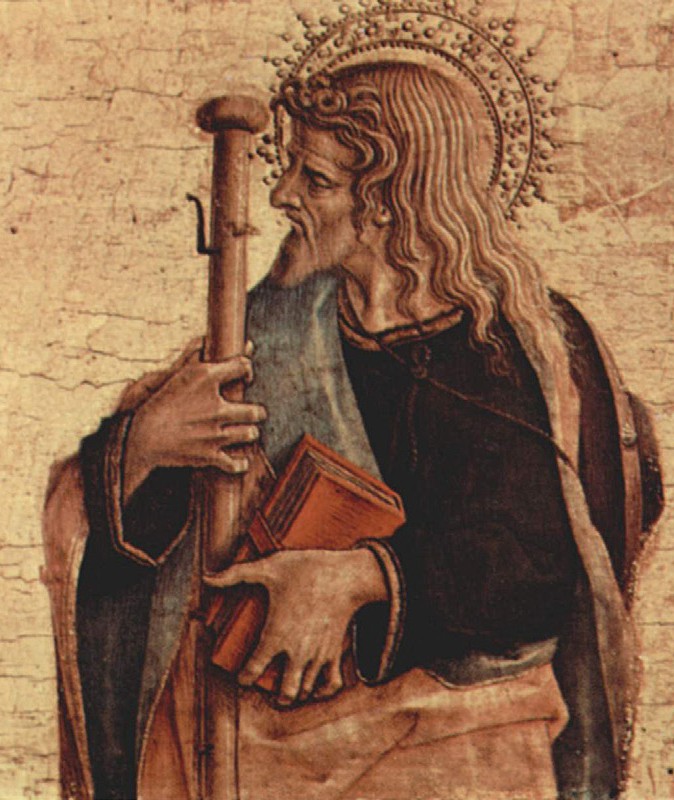
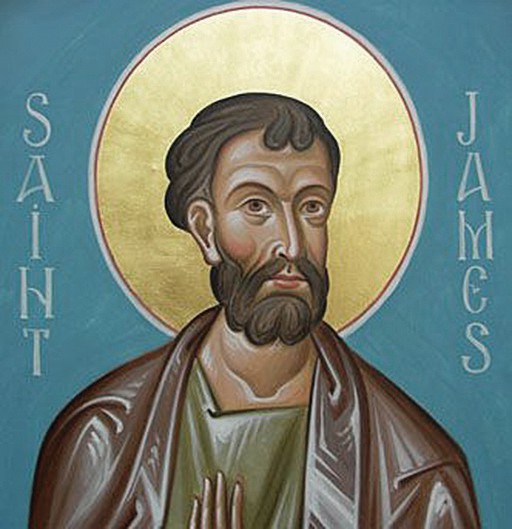
James the Great, one of the twelve Apostles of Jesus Christ, was a great Christian missionary who played an important role in the spread of Christianity through his organisational and missionary work. James the Great is still a highly venerated saint today and many people come from all over Europe to visit his final resting place in Spain. According to the Bible, James is the son of Zebedee and the brother of John the Apostle. Apocryphal sources indicate that Jesus and James were blood relatives: Jesus was the son of James’ uncle. Some sources indicate that James was particularly close to Jesus and Mary, and knew a great deal about Jesus and his mission, and played a pivotal role in the community following the crucifixion of Jesus.
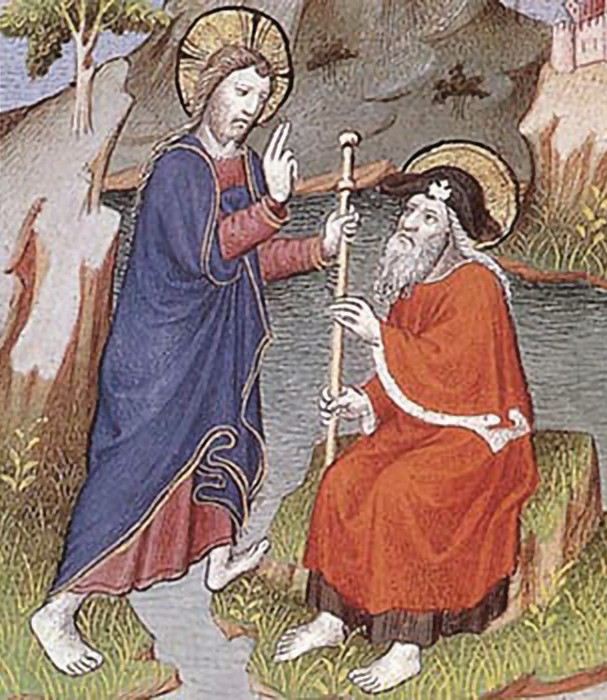
Jesus asked him to follow him at the Sea of Galilee at the same time he called on Peter and Andrew. James and John immediately abandoned their fishing boats and joined the ranks of the apostles. In the Catholic tradition, James is said to have been the third in line, alongside Simon Peter “The Rock” and John “the beloved disciple”, who was charged with a special task by Jesus and whom he honoured with his close friendship. The three of them were witness to a number of important events in the life of Jesus Christ, when the other apostles were absent, including the resurrection of Jairus’ daughter, the Transfiguration of Jesus, when Jesus sweated blood on the Mount of Olives, and when Jesus shared his teachings on the end of the world with his key disciples. James and his brother John were together referred to as the ‘Sons of Thunder’ (Boanerges) due to their fiery temper and stirring sermons that deterred the wicked, shook up the slothful, and astonished people with their loftiness. There are a number of passages in the Bible on James’ ‘self-righteous’ anger when he stood up for Jesus against injustice.
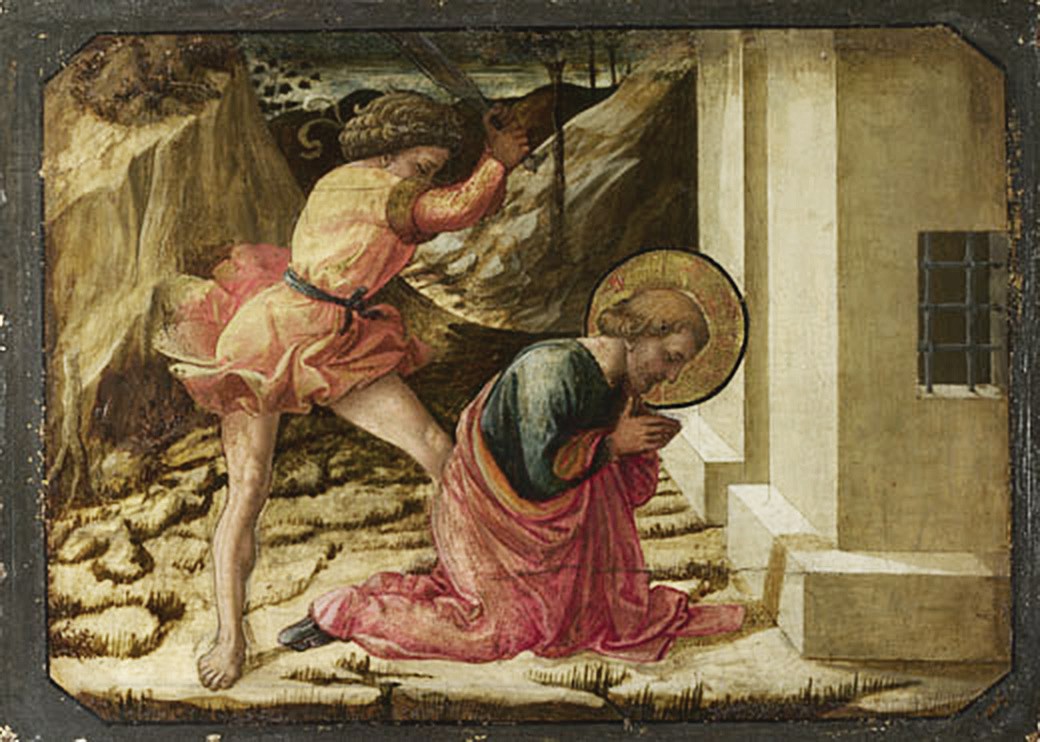
Following Jesus’ ascension, James remained in Jerusalem for many years and was instrumental in the formation of the first Christian community before setting out on his missionary journeys. He wandered throughout the Iberian Peninsula preaching the Gospel, particularly in the area known today as Galicia, yet returned to Jerusalem in his old age. James was the first of the apostles to be martyred in the name of Christ, when the Jews rose up against him following the conversion of a sorcerer known as Hermogenes. King Agrippa, who last united Palestine (in CE 41–43), had him arrested and sentenced him to beheading. Tradition has it that the soldier who took him to his execution saw how he preserved in his belief in Christ and was converted by his example.
They did not allow his body to be buried following his beheading, but the disciples stole the corpse and took it by boat to the capital of the Roman province of Galicia. From the boat, the body was placed on a huge stone, which slowly moulded itself like wax and miraculously shaped itself into a sarcophagus. Subsequently, the whereabouts of the tomb were unknown, yet was later discovered with the help of various signs. A shrine was built on the supposed site of the tomb, and in 1082 a beautiful cathedral was built over the ashes of the apostle in Santiago de Compostela, “the Field of Stars”, which became one of the most important Christian pilgrimage sites in the Middle Ages. The El Camino to Compostela is still one of the most important Christian pilgrimage routes and many miracles continue to take place along its route. The Way of Saint James is highly revered in both esoteric and exoteric Christianity tradition. The importance of James the Great is reflected by the fact that his figure appears in multiple apocryphal sources: the First Apocalypse of James, the Apocryphon of James, the Epistle of Peter to James and the Epistle of Clement to James.
“Peace be with you from Peace, love from Love, grace from Grace, faith from Faith, life from Holy Life!”
(the initial sentence of the Apocryphon of James)
“I have forsaken everything, but confessed you openly. Free me from the evil one’s grip. Now is the time and the hour. Holy Spirit, send me deliverance. Light from the light, crown me with incorruptible, eternal power!”
(an excerpt from James the Great’s final prayer before his death as a version of the Lord’s Prayer)
“James’s remains were most probably taken from Jerusalem to Spain to save them from destruction after the Arab occupation in the early 7th century. Legend has it that the site of the forgotten tomb was marked by miraculous lights at night and that the tomb has been venerated since 800. First a small chapel was built over the tomb, which was enlarged in 899 by King Alfonso III. The chapel was destroyed by the Saracen in 997, but the tomb itself was spared. The cathedral, which still stands to this day, was built between 1075 and 1128. James the Great was revered as ‘the most benevolent and powerful patron after God’ and pilgrims from all over Europe flocked to his tomb.”