Jamyang Khyentse
1893–1959, Tibet
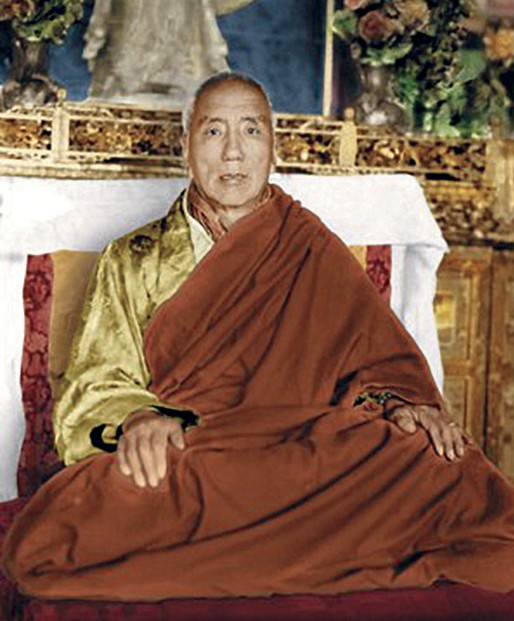
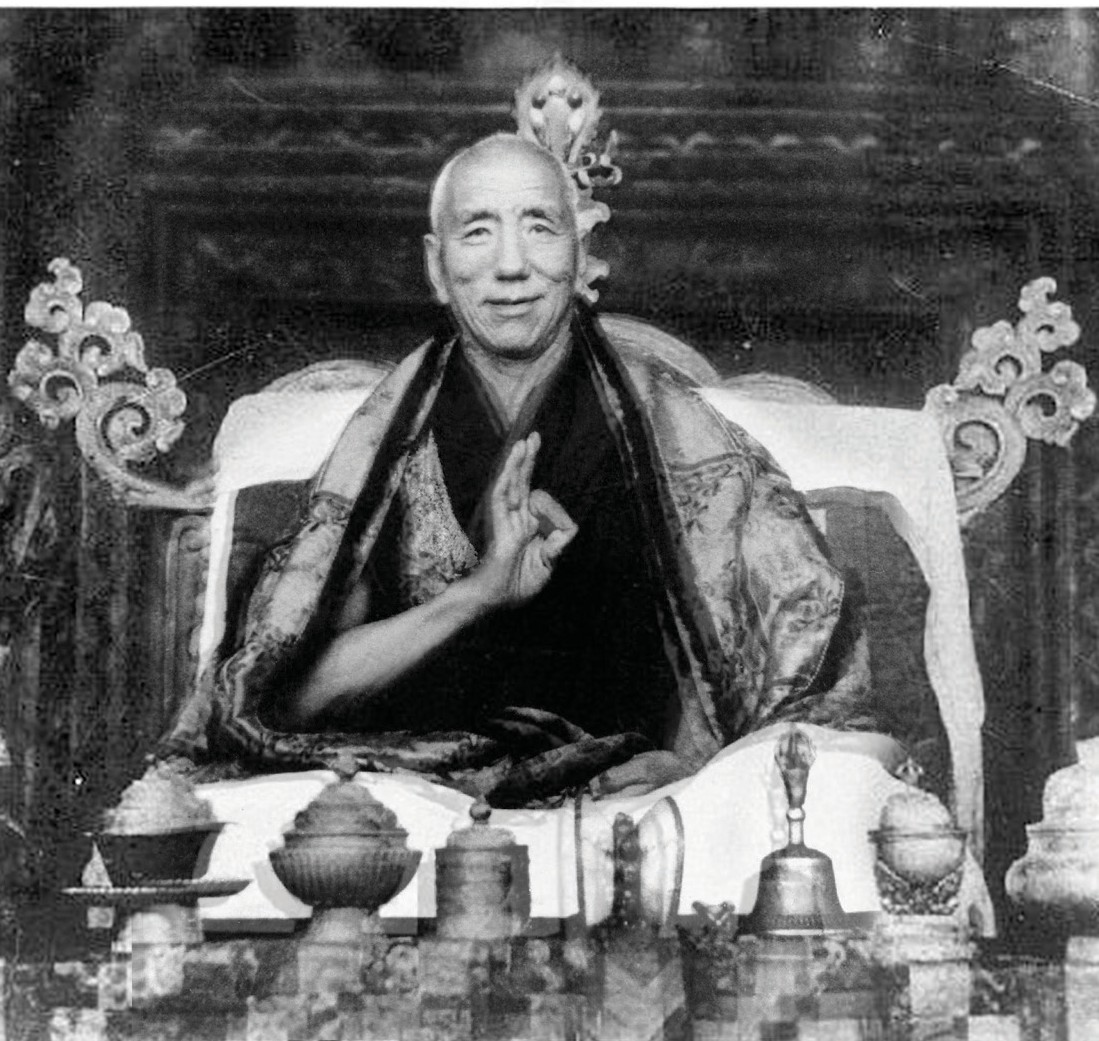
Jamyang Khyentse Chökyi Lodrö is one of the most influential Tibetan masters and the great 20th century reformer of Tibetan Buddhism, a major figure of the Rime school. He was born in Eastern Tibet in 1893. He was the descendant of many masters of different Tibetan traditions. He is thought to have attained enlightenment in a previous life and that he was a manifestation of Manjushri, the Buddha of Wisdom. In his incarnation before Jamyang Khyentse, he gave a detailed description about where and how he will reincarnate. Once they successfully identified the child based upon the signs he left behind, they tended to his education with special care. Through the Tulku, he received a far stricter and more intensive education than the average monks. He had a terribly hard-handed teacher, who set high standards for his young disciple. For example, he once gave him the task of learning an entire book under a single day, which listed the various names of Manjushri. The child played all day and then quickly read the text at the end of the day and recited the entire book to his teacher. He grew ill in his youth and during his illness, he was initiated by the grand Tibetan master Padmasambhava. According to some sources, all obstacles were then removed from his path and his body turned into one of a higher nature, similar to Manjushri’s spiritual essence.
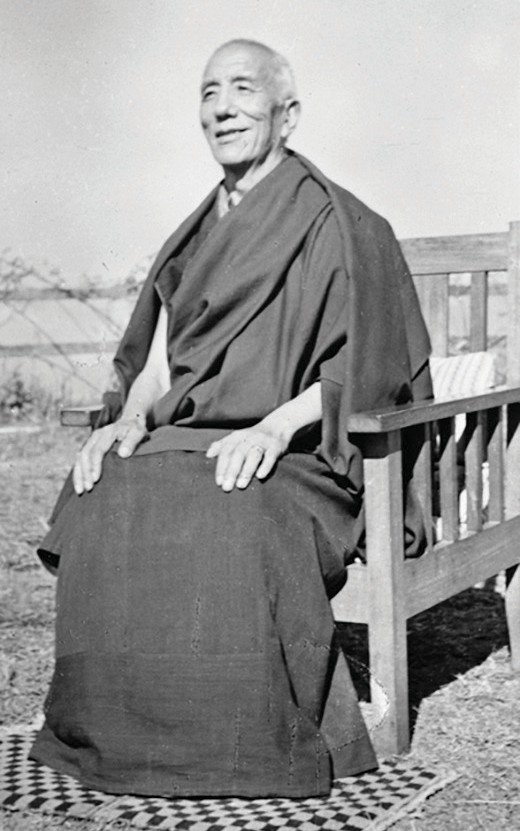
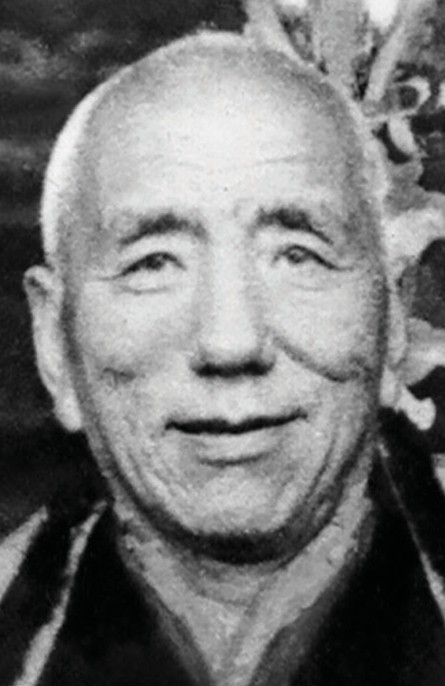
He learned much in the monasteries of Tibet, where he became acquainted with the most important traditions, receiving a number of teachings in a deep, meditative state. He was skilled in all of the major spiritual heritages of Tibet. His glance and behavior signified a wise and holy man. He had a tall stature and his earlobe was as long as the Buddha’s and his most noticeable characteristic was his unwavering attention. His voice charmed the people in his surroundings. He was like a living encyclopedia: he knew the answer to every question. His study, which was also known as the “heaven of Buddhas” and the “room of enlightenment” had a magical atmosphere: it was full of holy artifacts, paintings and books. Jamyang Khyentse was called a Rinpoche by everyone, but some also called him the “ancient Buddha” who only came to Earth for the sake of humanity. His being radiated a great sense of love, power and wisdom. Many were afraid that he would sense every ripple of their soul, which is why they hardly dared to look him in the eye. The Tibetan masters of the various schools all came to him for advice. His residence, the Dzongsar monastery of Eastern Tibet became one of the most important spiritual centers of the country, where the great Lamas of Tibet convened regularly.
In 1955, he left for a lengthy pilgrimage. He visited the holy sites of South and Central Tibet before traveling to India, where the king invited him to his palace in Sikkim and thus Jamyang Khyentse lived in the Royal Chapel for the rest of his life, where he was followed by a number of Tibetan masters. He kept teaching and initiating his disciples even when he was deathly ill. It’s odd that his death coincided with the loss of Tibet’s independence. His departure was marked by a huge earthquake, which according to the Tibetan tradition signified the earthly death of an enlightened spirit. He died in the “sleeping lion” posture, in the state of deepest meditation, ceaselessly maintaining his consciousness and attention. In the meantime, the Royal Chapel was shrouded in a fiery white, mystically glowing fog. His body didn’t show the slightest sign of decay and thus they only burned his body six months after his death in Tashiding. Through the joint efforts of the masters and the followers of Jamyang Khyentse, a Stupa was raised over his remains. His disciples took his spiritual legacy with them to the west, establishing the Rigpa network; thus the Rime schools began progressing and a number of further Tibetan traditions spread throughout the world.
“I shall always remember the death of my own beloved master, Jamyang Khyentse Chökyi Lodrö, in the summer of 1959. During the last part of his life, he would try and leave his monastery as little as possible. Masters of all traditions would flock to him for teachings, and holders of all lineages would look to him for instructions, as he was the source of their transmission. The monastery where he lived, Dzongsar, became one of the most vibrant centers of spiritual activity in Tibet as all the great Lamas came and went. His word in the region was law; he was such a great master that almost everybody was his disciple, so much so that he had the power to stop civil wars by threatening to withdraw his spiritual protection from the fighters of both sides.…”
“Jamyang Khyentse Chökyi Lodrö died at three o’clock in the morning, on the sixth day of the fifth Tibetan month. Ten days before, while we were doing a whole night’s practice for his long life, suddenly the ground was shaken by an enormous earthquake. According to the Buddhist Sutras, this is a sign that marks the imminent passing of an enlightened being… My master passed away in “the sleeping lion’s posture.” All the signs were there to show that he was still in a state of meditation, and no one touched the body for three whole days.…”
(A passage on the death of Jamyang Khyentse Chökyi Lodrö – excerpts from Sogyal Rinpoche’s work entitled The Tibetan Book of Living and Dying)