Jeremiah
approx. 645 BCE, Israel – approx. 580 BCE, Egypt
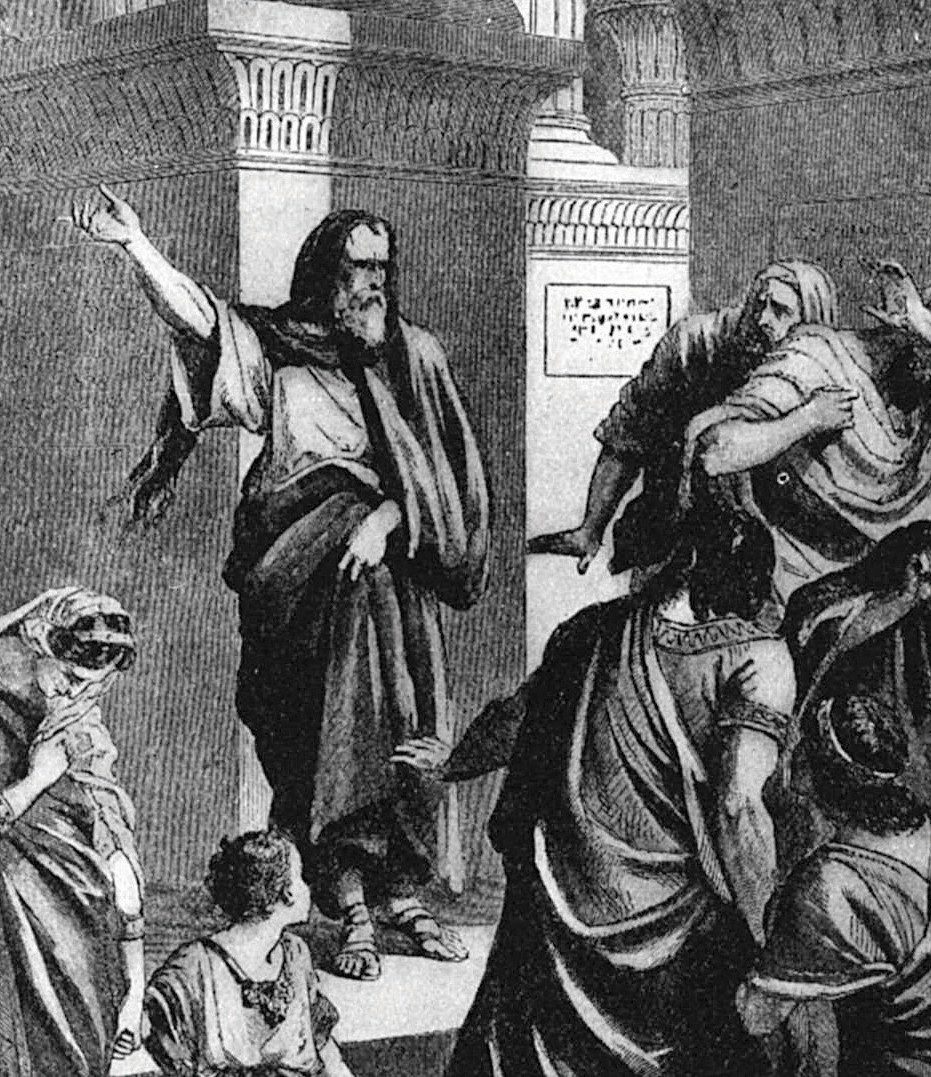
Jeremiah, the great prophet of the Jewish people, was born in Anathoth, in the vicinity of Jerusalem, around the year of 645 BCE. His exemplary life is of particular importance in our time, as his prophecies of catastrophes for the Jewish people can be related to the current affairs in the world. Jeremiah, who foretold the decline of the Jewish people and the Babylonian captivity, was disregarded by his own people, who did everything in their power to silence him: they imprisoned him, attempted to kill him, and branded him a public enemy. The modern man is also oblivious to environmental catastrophes and the ‘prophetic’ messages of our times, carrying on with their day-to-day life rather than making any changes. Another noteworthy motif of Jeremiah’s life is the way he interpreted God’s messages in the midst of continuous spiritual struggles, doubts and temptations. Despite the conflict raging in his soul – he did not wish to be a prophet – ultimately he still obeyed the Lord, even in the greatest of crises. This makes him one of the most likeable prophetic individuals.
In the Jewish tradition, they recognise twelve minor and four major prophets. The latter consists of Isaiah, Ezekiel and Daniel, as well as Jeremiah. There were many others as the prophets were an institution that supported the reign of kings, yet there were also false prophets – it was a rare thing to find someone who could authentically communicate God’s will to the people. Jeremiah was such a man, who was born into a family of priests. He received his calling as a prophet from the Lord around the year of BCE 626: “…uproot, tear down and destroy!” The main events of his life are recorded in the Old Testament, in the Book of Jeremiah and the Book of Lamentations. His mission was synonymous with the life of the Jewish people and the messages they received. For forty-six years, he served the Kingdom of Judah in a troubled period, when hundreds of years of idolatrous immorality and its consequences could no longer be averted. The only question was whether the punishment would be short or long term, lighter or more severe. In order to indicate this predicament, Jeremiah wore a yoke around his neck, which was broken by the false prophet Hananiah, claiming that God’s people must not suffer such disgrace.
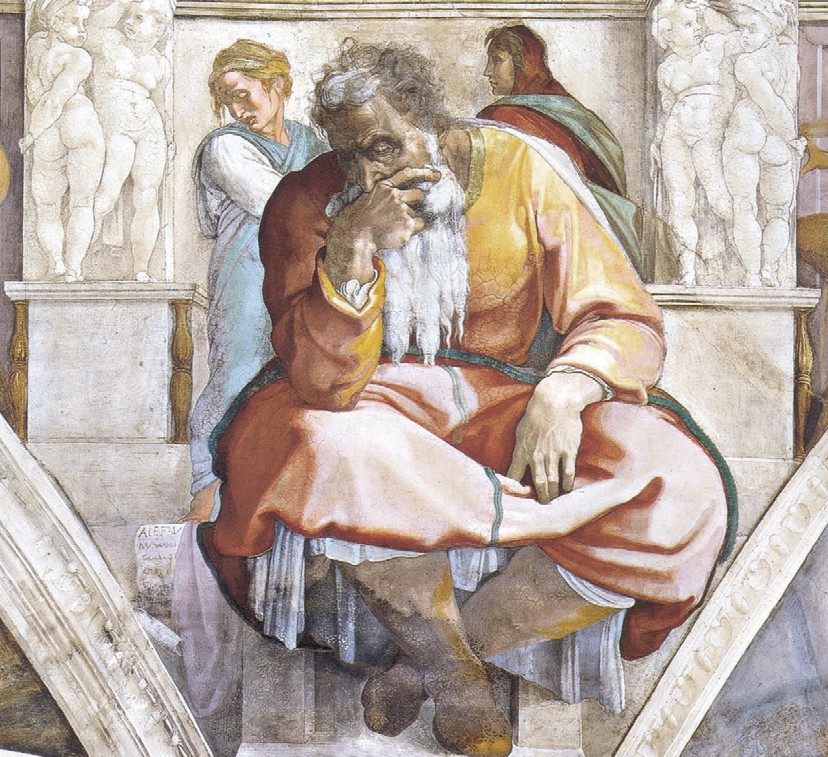
In response, Jeremiah wandered through Jerusalem in a yoke of iron, signifying that the captivity would be long and arduous: their people were faced with seventy years of exile. As he foretold the Babylonian invasion and captivity, and refused to say what the masses wanted to hear instead of the truth, he was considered a traitor or a madman, and lived for a long time as a hunted beast. He deliberately did not marry as the Lord made it known to him that his loved ones would be destroyed by the attacks against him. The people refused to listen to his unpleasant advice, preferring to silence the voice of truth, despite the fact that he never proclaimed the ‘end of the world’ and always hoped for a great renewal, saying: “… no one is cast off by the Lord forever. Though he brings grief, he will show compassion, so great is his unfailing love.” He often appeared unexpectedly before the king and celebrating crowds to interpret Yahweh’s messages.
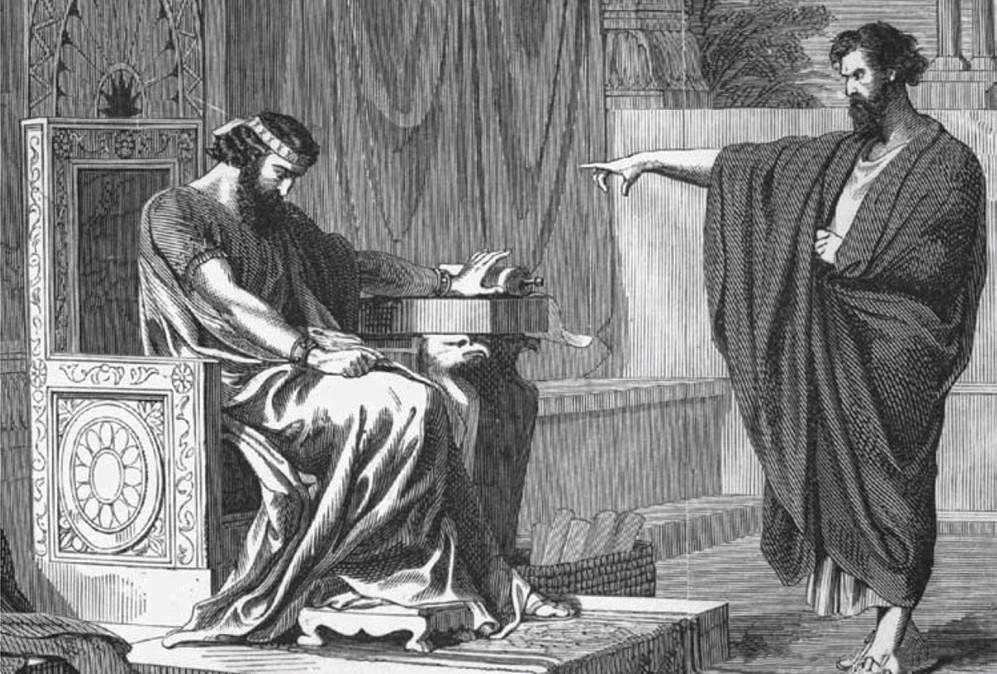
Despite the protestations against his prophecies – King Jehoiakim, for example, burned the scroll that contained Jeremiah’s message to him, as a result of which Yahweh commanded the prophet to go into hiding and dictate it again to his faithful scribe Baruch – in the end all his prophecies were fulfilled: Jerusalem was destroyed by the Babylonians, the Jewish people were taken into captivity for seventy years, and many fled to Egypt. However, the Babylonian king, Nebuchadnezzar treated the prophet who foretold his victory generously – it seemed as though he was left alone in his struggle. He experienced deep spiritual crises and often felt as though he didn’t have enough strength to carry out the task he was charged with, yet ultimately his faith helped him through these dark times. One of his bouts of uncertainty led to the famous exclamation: “You deceived me Lord, and I was deceived!” Under Babylonian rule, he was allowed to remain in Judah, where he bought a small plot of land. Subsequently, when Babylon’s governor of Jerusalem was murdered, Jeremiah was taken to Egypt by the fleeing Jews. That is where he perished – some sources indicate that he was stoned to death by his enraged people. The key messages of Jeremiah also apply to the people of today: returning to God and living a renewed life that is pleasing to God.
“My people have committed two sins: They have forsaken me, the spring of living water, and have dug their own cisterns, broken cisterns that cannot hold water.”
(Jeremiah 2:13)
“Then you will call on me and come and pray to me, and I will listen to you. You will seek me and find me when you seek me with all your heart. I will be found by you,” declares the Lord, “and will bring you back from captivity.”
(Jeremiah 29:12–14)
“Circumcise yourselves to the Lord, circumcise your hearts!”
(Jeremiah 4:4)
“This is what the Lord Almighty, the God of Israel, says: Reform your ways and your actions, and I will let you live in this place!”
(Jeremiah 7:3)
“The Lord is good to those whose hope is in him, to the one who seeks him; it is good to wait quietly for the salvation of the Lord.”
(Lamentations 3:25–26)
“Your wickedness will punish you; your backsliding will rebuke you. Consider then and realize how evil and bitter it is for you when you forsake the Lord your God and have no awe of me,” declares the Lord, the Lord Almighty.”
(Jeremiah 2:19)
“Who can hide in secret places so that I cannot see them?” declares the Lord. “Do not I fill heaven and earth?” declares the Lord.”
(Jeremiah 23:24)