Joan of Arc
1412–1431, France
Joan of Arc, the warrior saint and patron saint of France, was born on the day of the Epiphany in 1412, during the Hundred Years’ War, in a simple peasant family in the village of Domrémy in Lorraine. At the age of twelve, she heard voices in the sky that would shape the course of her life. Her patron saints, St Catherine of Alexandria, St Margaret of Antioch, the Virgin Mary and St Michael, spoke to her in these voices. Joan then swore a vow of virginity and offered her life to God. At the age of seventeen, Archangel Michael appeared to her to inform her it was her mission to expel the English from France and ensure the coronation of the heir to the French throne. Joan was determined to go to the court of King Charles and Merlin’s prophecy that the French would be saved by a virgin was revived among the people.
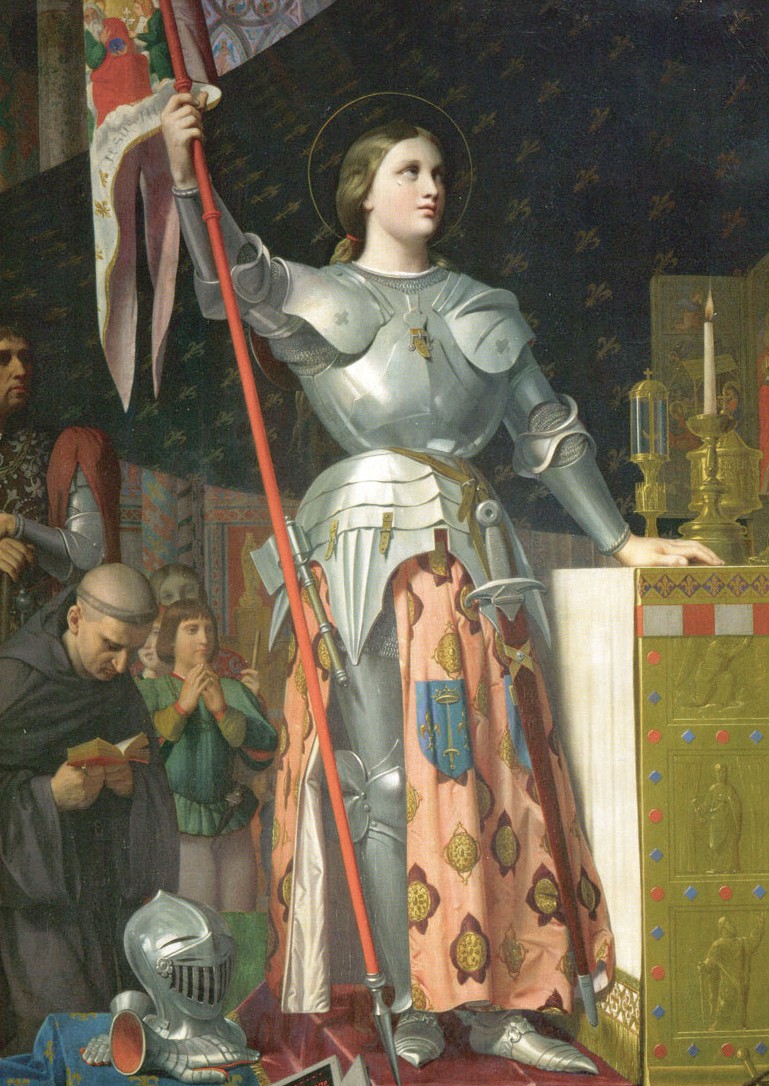
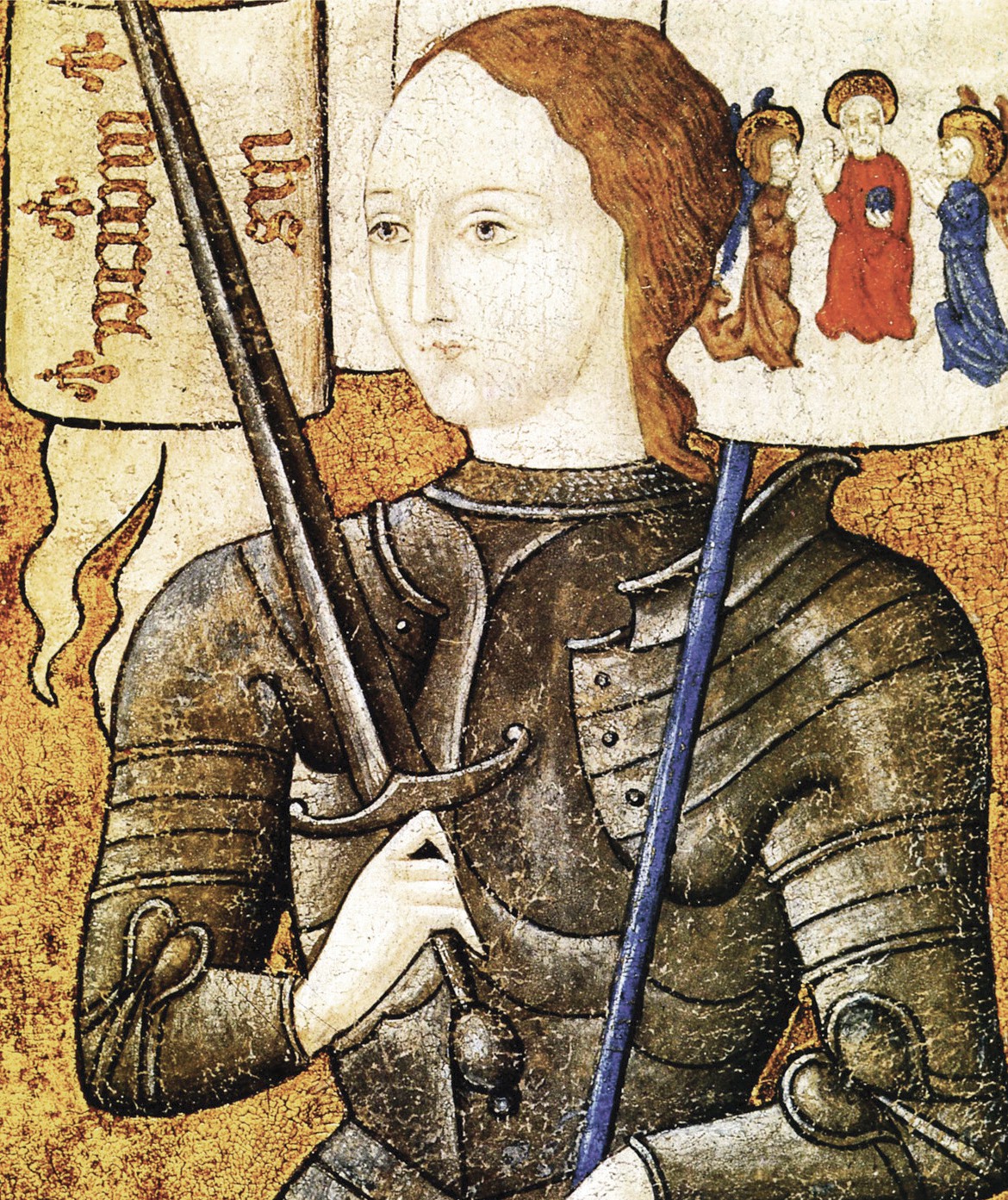
Upon her arrival in the town of Chinon, she was put to the test and successfully recognised the heir apparent hiding among the courtiers, fearing assassination – following their conversation he himself had a vision. Once the Church was convinced of the purity of her intentions and character, she was given a banner, a sword and armour, and placed at the head of the royal army. According to the accounts of the knights who fought with her, she was simple and ignorant, yet still raised armies and inspired soldiers like the most experienced captain of all. Her purity banished all thoughts of fornication from the minds of the men around her. She called on her soldiers to confess their sins before every battle, forbade them to swear, plunder or fornicate with immoral women. She offered her opponents the opportunity of peacefully retreating before every battle, yet always exercised mercy on them even when she was victorious.
In many battles she rode at the head of the host, yet killed none of her enemies. In 1429, she was gravely wounded during the siege of Orléans – she retreated to a nearby vineyard where she prayed in silence before returning reinvigorated and thus the English thought she was a witch and wished to have her executed. However, she was proven victorious in the battle and shortly afterwards Charles VII was crowned king at the Reims Cathedral, thus fulfilling one of Joan’s earthly missions.
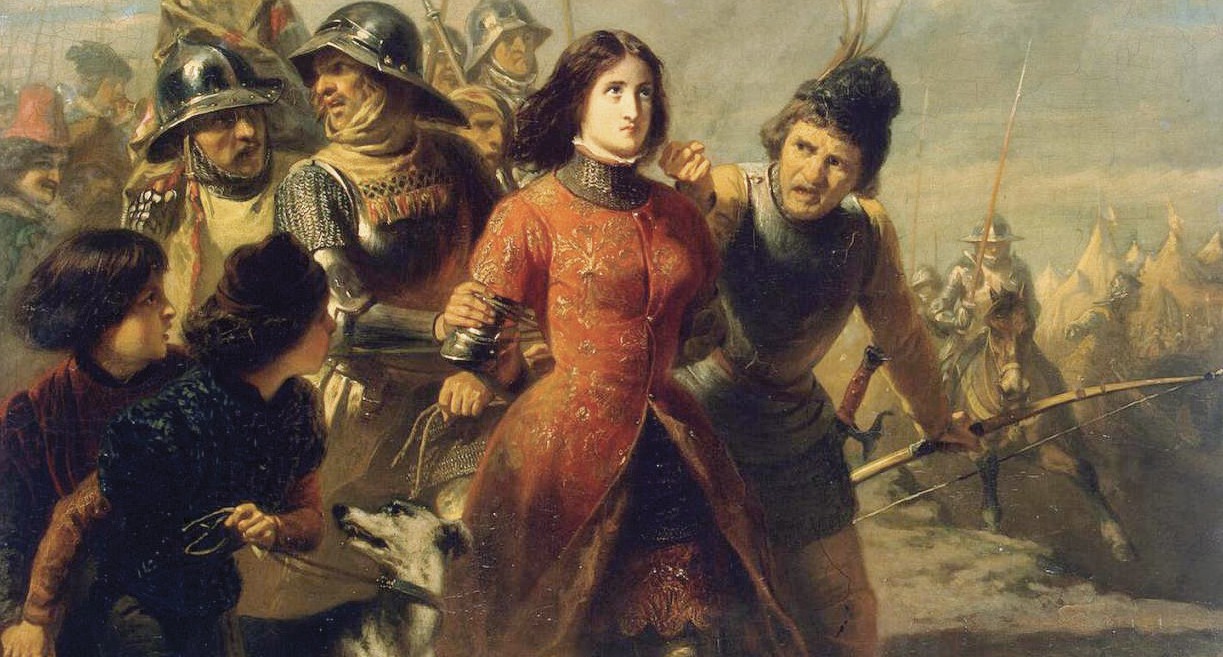
After the coronation, however, Joan’s army was increasingly weakened due to a lack of reinforcements, and she was finally captured by the Burgundians at Compiègne and sold to the English for a kingly sum. The French king made no attempt to ransom her. This marked the beginning of the second phase of her ordeals, which she fought alone against her corrupt judges who supported the English. Previously, she had to cope with external challenges, but following her capture, she was faced with an inner struggle of a new kind. She underwent an internal crisis as the voices that had directly conveyed to her the wisdom of the heavens and the divine will were now silenced. She was plagued by doubts and had to draw on her own experiences, wisdom and faith. She fended off all the accusations levelled at her with logical reasoning and theological truths that would put professors of philosophy and theology to shame. Finding no defect in her blameless character and seeing how her accusers’ questions seemed to be answered by the wisdom of heaven, they set her a deceitful trap.
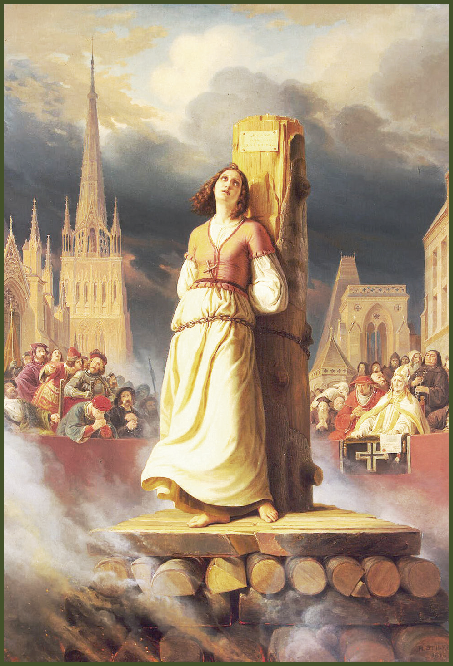
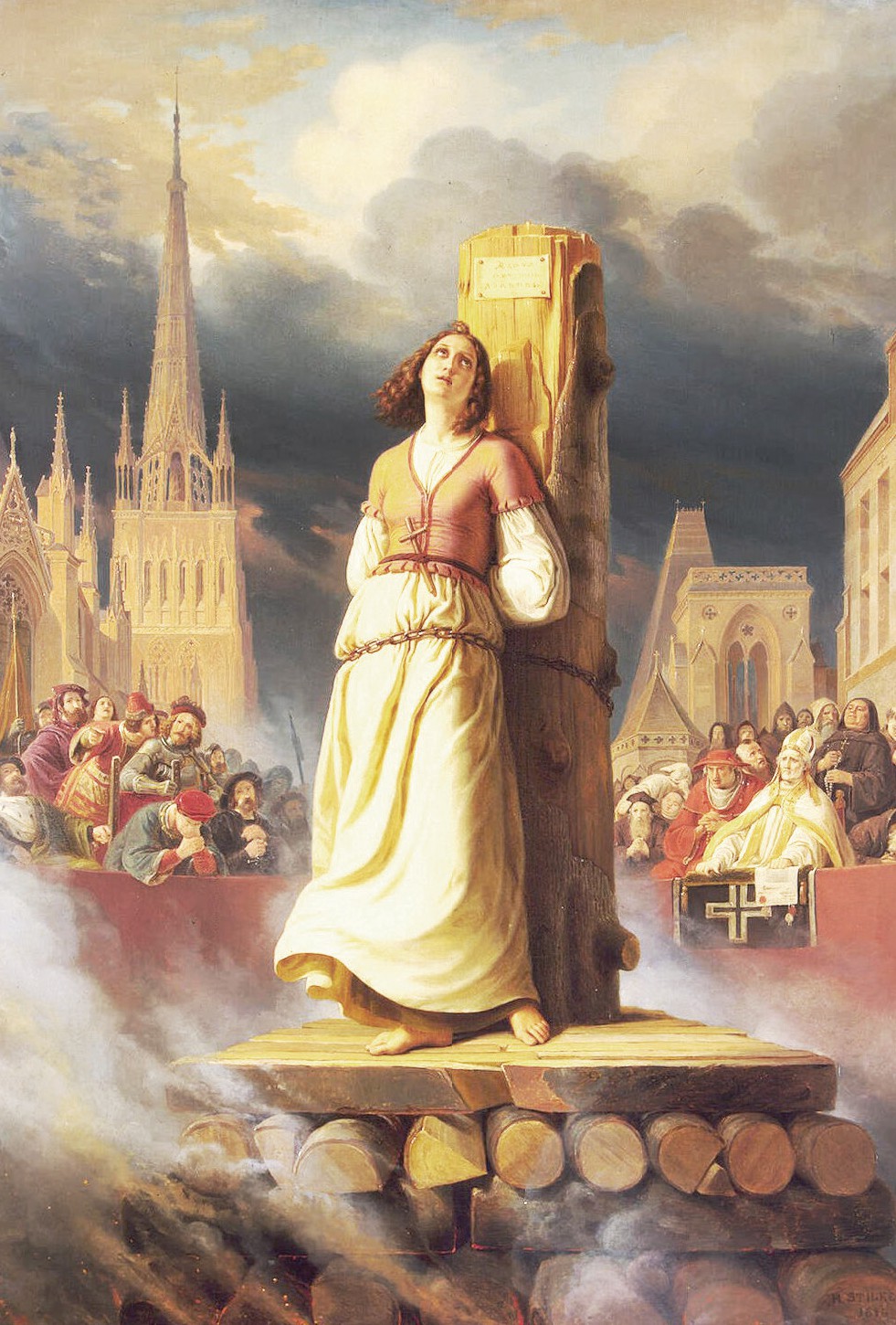
Firstly, she was accused of wearing men’s clothes during the battles, as a Christian woman. They subjected her to violence in prison and gave her nothing to wear but men’s clothes. When she finally donned the clothes in protest at the incidents she had been subjected to, she was declared a recidivist and sentenced to death based on false charges: she was to be burned at the stake. She was executed on 30 May 1431 in the market square of Rouen. Before her death, she prayed to the Holy Trinity, the Virgin Mary and the saints; she asked the forgiveness of those in attendance and for them to pray for her soul; she then forgave those who had wronged her, moving many of the English to tears. She cried out to Jesus while she was consumed by the flames and some saw a dove soaring from her head into the sky. Although her body was consumed, her heart was found intact among the ashes. Despite the death of the Maid of Orleans, the English soon suffered a decisive defeat and were driven from the continent. In 1456, Joan was found innocent of all the charges brought against her and was rehabilitated. In 1909, she was beatified and later canonized in 1920.
“One life is all we have and we live it as we believe in living it!”
“Great and formidable Prince, Duke of Burgundy, Joan the Maiden requests of you, in the name of the King of Heaven, my rightful and sovereign Lord, that the King of France and yourself should make a good firm lasting peace. Fully pardon each other willingly, as faithful Christians should do; I beg and request of you with clasped hands to not fight any battles nor wage war against us – neither yourself, your troops nor subjects; and know beyond a doubt that despite whatever number of soldiers you bring against us they will never win”
(Joan of Arc’s letter to Duke Philip of Burgundy on the coronation day of Charles VII)
“Inquisitor: Do you know whether or not you are in God’s grace?
Joan: If I am not, may God put me there; and if I am, may God so keep me. I should be the saddest creature in the world if I knew I were not in His grace. But if I were in a state of sin, do you think the Voice would come to me?”
“Joan was very pious and felt great pity at such massacres. Once, when a Frenchman was leading away some English prisoners, he struck one of the Englishmen on the head so hard that he left him for dead. Joan, seeing this, dismounted from her horse. She had the Englishman make his confession, supporting his head and consoling him with all her power.”
(Louis de Coutes, Joan’s squire account on Joan)
“Jhesus Maria”
(Joan of Arc’s battle standard)