John of Kronstadt
1829–1908, present-day Russia
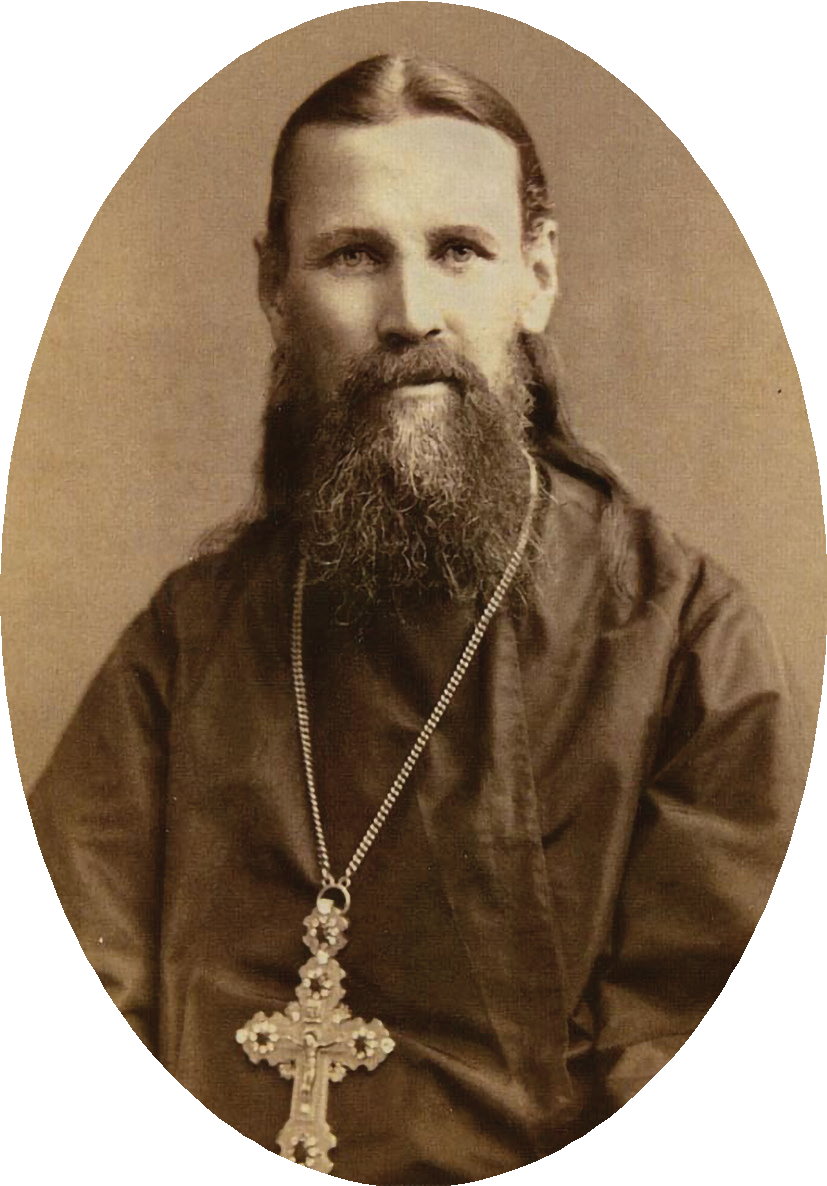
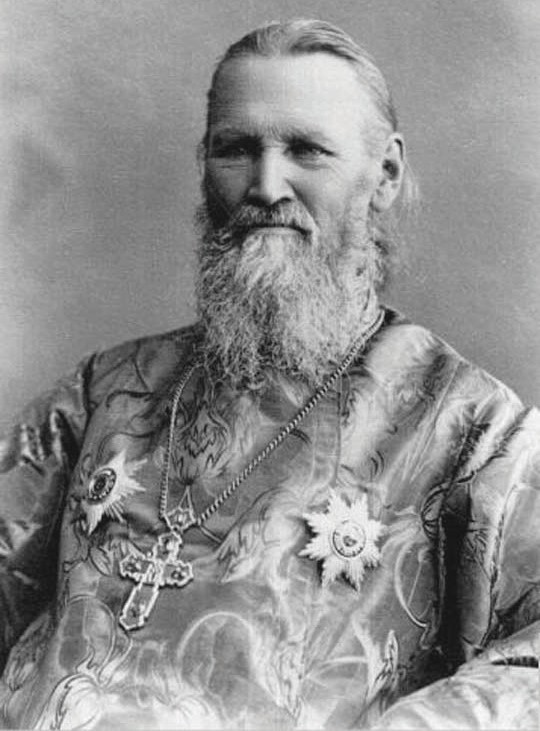
John of Kronstadt, the great miracle-working saint of Orthodox Christianity, was born Ivan Ilyich Sergiyev on 19 October 1829 in the village of Sura located in the Arkhangelsk Governorate. As the spiritual leader of the Russian people, he greatly influenced the lives of millions. As his fame spread throughout the Russian lands, wherever he appeared, he was thronged by crowds. He maintained a strict daily routine and got up every day at three in the morning. He went to church at around four in the morning, where a crowd of pilgrims and beggars were waiting for his arrival. Due to the large number of people who wanted him to hear their confessions, he introduced the practice of group confessions – people unashamedly confessed their sins in front of one another. Saint Andrew’s Cathedral, with a capacity for five thousand people, was always full and the service never ended before noon due to the mass of people taking communion. John served as a true mediator between God and man. Even the unbelievers and the curious were transformed and underwent deep introspective experiences as a result of his efforts.
This great saint was so sickly and weak as a newborn baby that his family baptised him immediately, assuming that he was close to death. The child’s early exposure to poverty and suffering awakened in him a compassion for those in need. He was only interested in things that brought him closer to God and prayer was his consolation in difficult situations. Although he was not good at studying, his prayers miraculously improved his memory. He studied at the Theological Seminary in Arkhangelsk and subsequently at the Theological Academy in Saint Petersburg. He wanted to go to Siberia as a missionary, yet realised that he was already surrounded by great spiritual deprivation, so there was no need to journey so far.
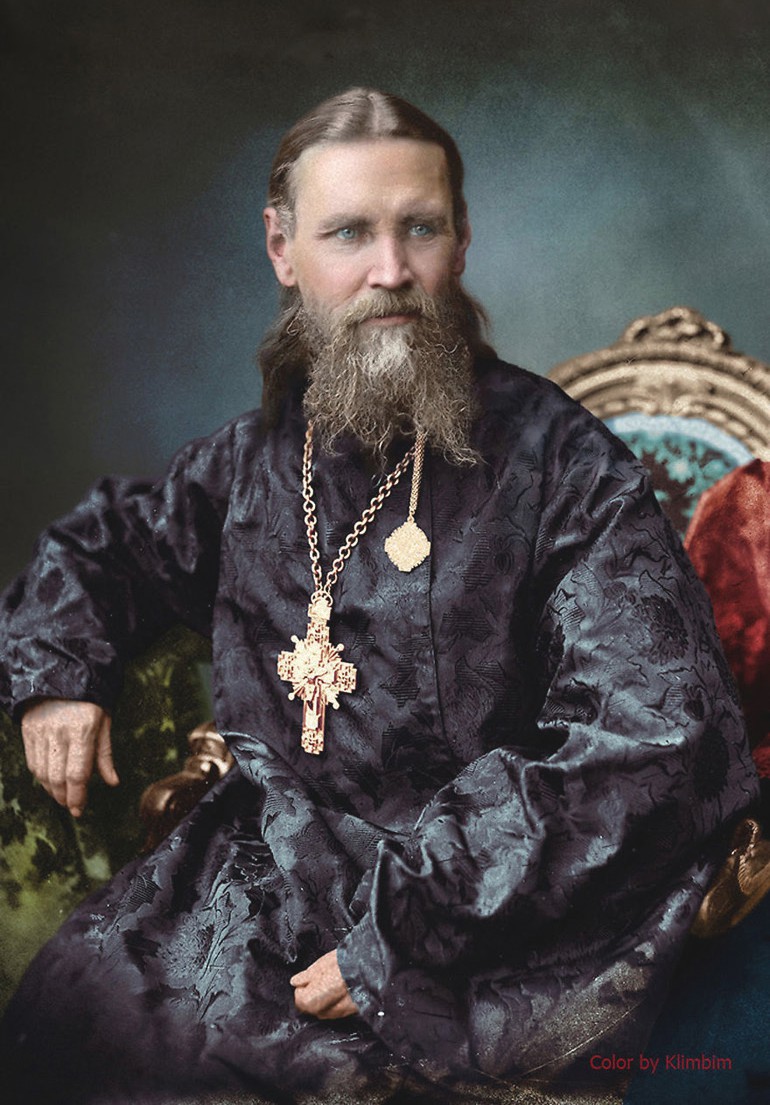
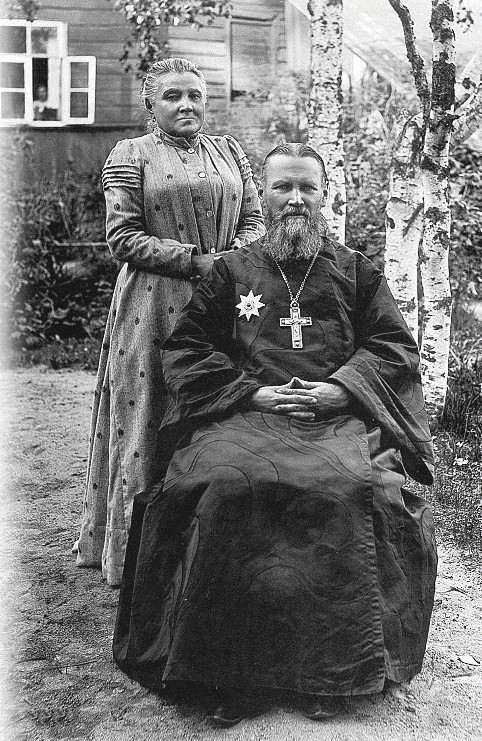
He was ordained a priest in 1855 and was sent to St Andrew’s Cathedral in Kronstadt, the place he had seen many times in his childhood visions. His church expected lay priests to marry. He complied with this demand, yet agreed with his wife that they would keep their chastity and live together as brother and sister. His fasts and abstinences were always carried out in private. He tried to avoid every wrong thought and the smallest of sins in the belief that small transgressions set off a chain of ever greater sins. A district in Kronstadt served as the residence of exiles of criminals deported from the capital. These people, excluded from society, were called ‘outsiders’. John visited these groups the most frequently. He is said to have distributed everything he owned during his visits, sometimes returning home without any shoes.
He increasingly earned the trust of ordinary people. They affectionately called him “batiushka” (“little father”) and shared their problems with him, and as his diary shows, he never refused anyone’s request. Once an old woman came to him to pray for the recovery of a sick person. At first, John refused to do so as he thought it was impertinent for him, a miserable sinner, to ask such a great thing from the Creator. Through his humble intercessory prayer, however, the patient was miraculously cured. From that time on, through his prayers and the laying on of his hands, even the gravest of illnesses were healed through his intercession. He restored the eyesight of the blind, healed the possessed and provided for rain in drought-stricken areas. Sometimes, it was enough to write a letter to him for the healing to take place.
John helped everyone without exception. He received vast donations of money and passed on everything, feeding and clothing thousands of poor people every day. Still, he considered it his most important task to perform the liturgy. He considered it a heavenly ministry, and tears of emotion often flowed from his eyes at such times. He was an excellent educator and teacher whose success came from his warm love and empathy for his students. In the latter half of his life, he even had to give up his teaching job due to his many commitments. His constant service was so taxing that he was capable of dozing off for a few minutes wherever he was.
His death, the date of which he foretold, took place on 20 December 1908. His funeral, one of the most important events in the spiritual life of the Russian people, was attended by tens of thousands of people. Almost everyone was weeping, yet despite the many tears, there was a rather sublime atmosphere and a joy in the realisation of a triumphant human life dedicated to God. Father John’s resting place is in the crypt of the convent of St John of Rila, which he established and now serves as a place of healing and pilgrimage visited by many to this day. The diary of Saint John of Kronstadt, My Life in Christ, is a true gem of Christian literature.
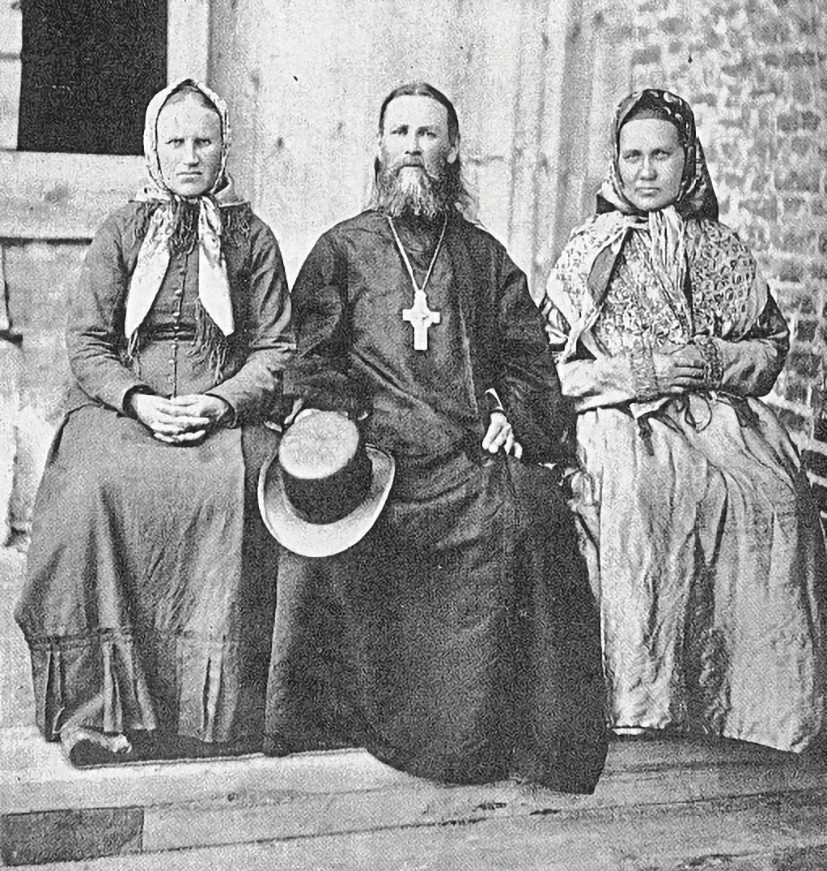
“A priest, while living on earth, should be of heaven, setting his affection on things above, not on things on earth and completely devoted to God and to the salvation of men.”
“To what end do fasting and penitence lead? For what purpose is this trouble taken? They lead to the cleansing of the soul from sins, to peace of heart, to union with God; they fill us with devotion and sonship, and give us boldness before God. There are, indeed, very important reasons for fasting and for confession from the whole heart. There shall be an inestimable reward given for conscientious labour.”
(excerpt from the diary of John of Kronstadt)
“One must love every person, both in his sin and in his shame… One should not confuse the individual, who is an image of God, with the evil that is within him.”
“Prayer is the living water, by means of which the soul quenches its thirst.”
“By its very nature, pride defiles every decent thought, every word and act. It is the death-dealing breath of Satan.”
“Do not neglect anything in the spiritual life; do not consider anything unimportant, unworthy of great attention: it is through little sins that the Devil leads us to great ones.”
“You would ask me what there is for you to rejoice at when you are racked all over with pain? Rejoice that the Lord has sent you this temporary chastisement in order to cleanse your soul from sins. For whom the Lord loveth He chasteneth.”