József Mindszenty
1892, Hungary – 1975, Austria
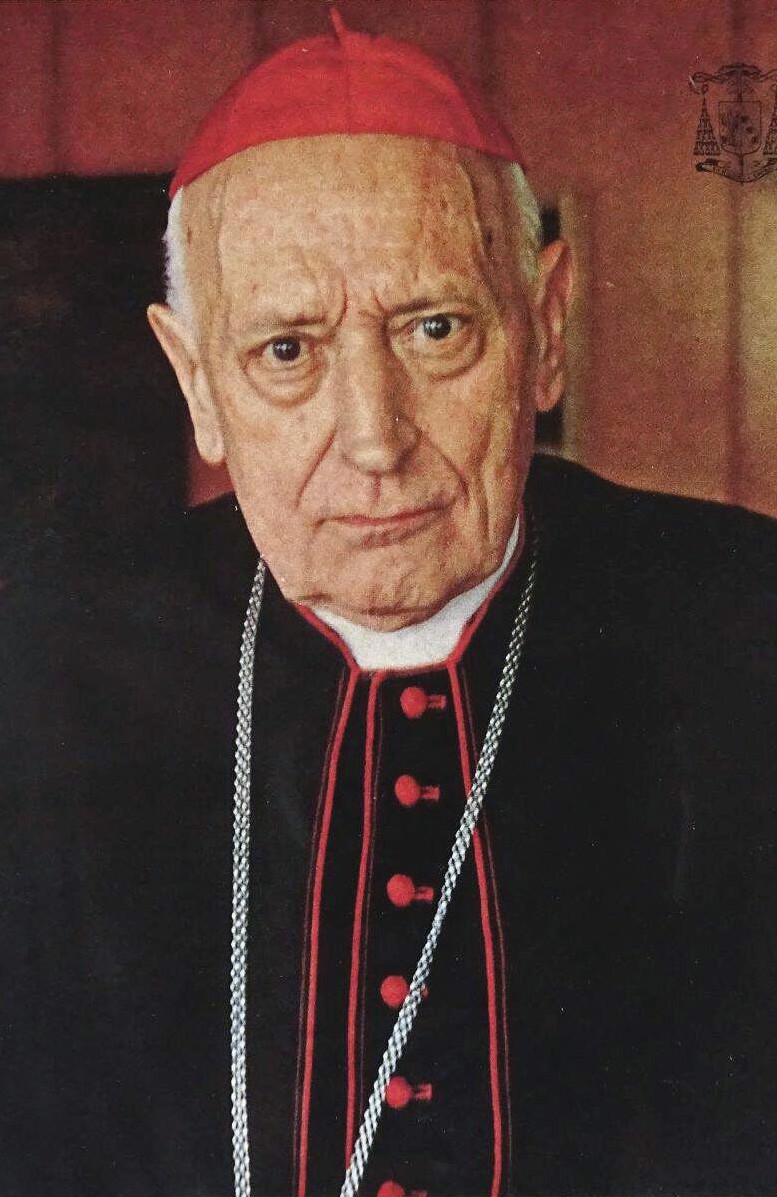
Cardinal József Mindszenty, “the man of prayer” and the great martyr of the Hungarian people, was born József Pehm on 29 March 1892 in Csehimindszent, Hungary. His life is a fine example of how to walk the path of gentleness and self-sacrifice of the Gospels even in the darkest days. His figure was closely tied to the spirit of the Hungarian people: his fate and the story of the Hungarian people’s ordeals are closely intertwined. Mindszenty is also a venerable saint of the Catholic Church, courageously standing up to both the Nazi and communist dictatorships in the face of the greatest terror. He changed his name in honour and love of his hometown and the Hungarian people. The young man’s ordainment was preceded by eight years of praying for his mother. He was greatly influenced by his meeting with Ottokar Prohászka, the great religious scholar and social apostle.
He was ordained as a priest in Szombathely in 1915, in the midst of the First World War, before moving to Felsőpaty, and from there to Zalaegerszeg, where he worked for twenty-five years. After a brief stint as a high school teacher, he became a parish priest, deacon, abbot, bishop’s commissioner and finally Papal Prelate. He was imprisoned for the first time Zalaegerszeg, for his open defiance against the extremities of the dictatorship of the proletariat. During the years spent in Zalaegerszeg, “the good abbot” as he was known at the time did as much good as he could locally. He divided the city into streets and organised a “street apostleship” of sorts. He gathered all the information he could about the hardships and distress the local families faced and supported them through a network of small-scale family support services. He merged farmers’ fragmented estates into a single estate. He set up a press company and bought the Zala County Newspaper, which became a daily sold in fifteen thousand copies, and even ran a printing press.
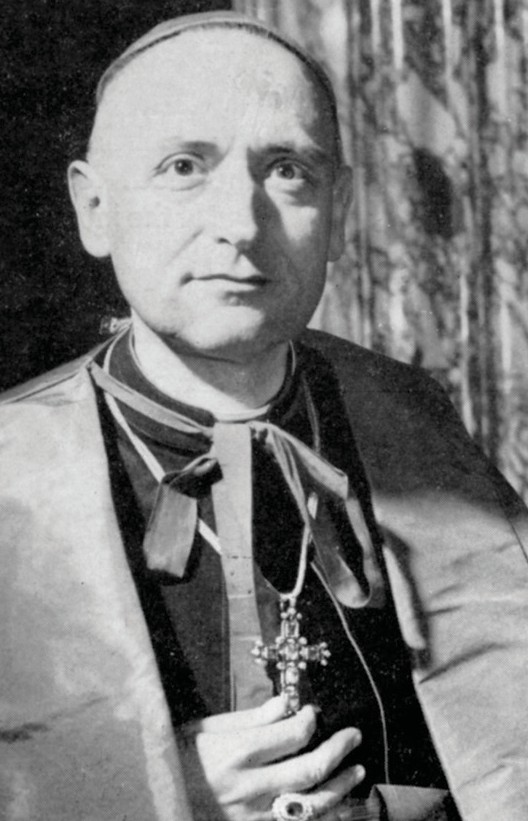
In the meantime, he organised a network of schools for the acolytes, educated children free of charge and made sure they had something to eat every day. He used the money he raised for charity to send anonymous envelopes to the needy and also built houses and set up social homes as well as serving as a key figure in the local credit unions. His work in the archives, significant historical studies, masses, sermons and important writings in newspapers are also noteworthy. He worked an astonishing amount of hours, sleeping only three or four hours a day. He himself only wore simple, worn out clothes, remaining as modest as possible. His sole pleasure was said to be a cigar smoked in two parts after lunch and dinner. He left the parish of Zalaegerszeg after twenty-five years, just as poor as when he arrived.
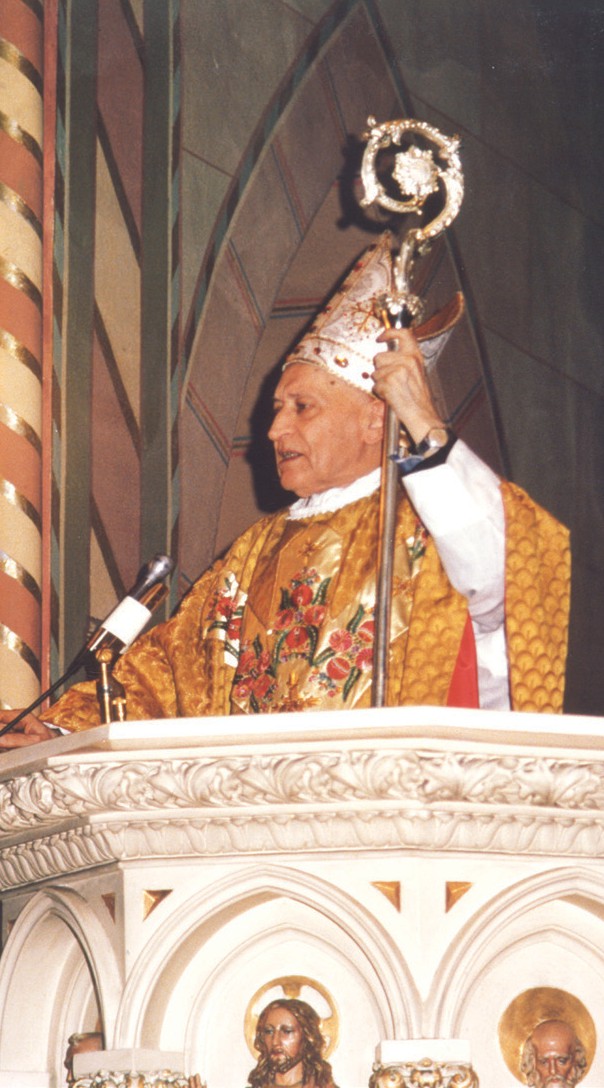
He was subsequently taken prisoner by the Nazis, and after the tides turned, he was one of the first to start the reconstruction of the war-torn country. In the fall of 1945, Pope Pius XII appointed him Archbishop of Esztergom (the spiritual leader of the Hungarian people) with the following prophetic words: “You will be the first of the new cardinals to suffer the martyrdom symbolized by this red colour.” Subsequently, Mindszenty participated in the Marian Congress in Ottawa and launched one of the most important movements in the spiritual life of our time, the Atonement Movement, and announced the so-called Memorial Year of the Blessed Virgin Mary in honour of the Mother of God. His efforts were not appreciated by the socialist state leadership at the time, and after years of persecution, he was arrested on 26 December 1948. This marked the beginning of his eight-year-long ordeal, in which he was subjected to extreme physical and psychological terror.
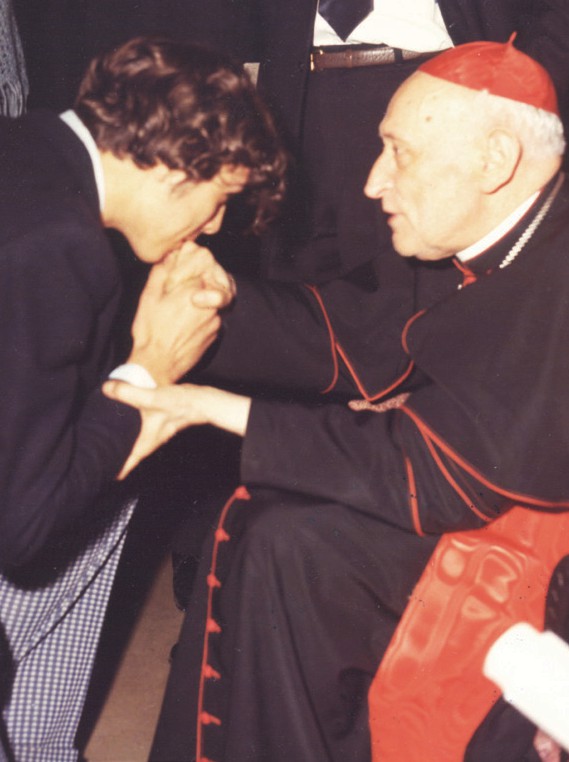
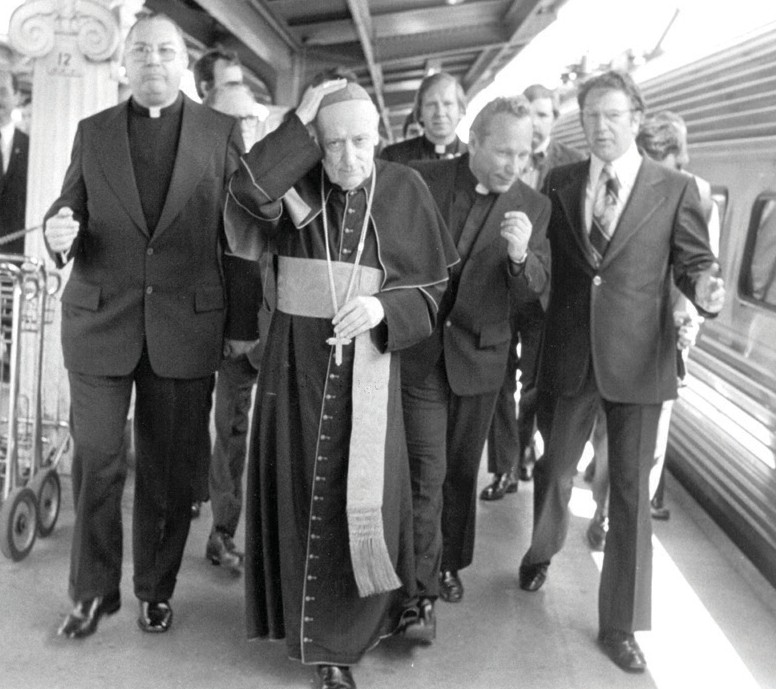
Many made false accusations against him, and he was subjected to a show trial, which was met with shock in the foreign press. These eight years yielded endless suffering and torture: he lost half his weight, he was beaten senseless and given mind-numbing drugs, but it was precisely these trials that made him a true saint and provided him with a deeper understanding of human frailty and suffering. When the Hungarian revolution broke out in 1956, the Cardinal enjoyed four days of freedom before spending fifteen years in semi-captivity at the United States Embassy in Budapest. He was released in September 1971, and for four years he travelled the world, uniting dissident Hungarians across the globe. He passed away on 6 May 1975 and was buried at the Mariazell Basilica. When he was reburied in the crypt of the Esztergom Basilica in 1991, like so many other great saints, his body was found in an uncorrupted state.
“I want to serve as the conscience of my people! I have knocked on the door of their souls as a wake-up call, and in the face of the rising delusions I will convey the eternal truths to my people and my nation.”
“…there is hardly a soul who has not asked absolution in my confessional. There is hardly a family I have not known, hardly a child whose eyes I have not looked into. And there is hardly a family’s cross that I have not sought to alleviate… I have sought to serve Jesus in the souls of all walks of life.”
“Our hearts may tremble at the tribulations, the unknown, the seemingly impossible, but God has often hidden the future of individuals and nations in the apparent possibility of tomorrow; we must set about bringing it forth.”
“We, believers, must take up the holy cause of peace by besieging heaven with the humble, steadfast prayers and devotional lives of millions and millions of people.”
“…we ask ourselves today: quo vadis? Where are you going? The answer is: on the path of revelation and millennial history, guided by Mary to Jesus, who is the Way, the Truth and the Life. If anyone is even a little concerned about worshipping Mary, let me reassure you: we are only worshipping Mary as much as Jesus Christ did. Jesus lovingly revered Mary; he obeyed her and involved her in the most sublime moments and mystery of our salvation.”