King Arthur
5th–6th / 9th century, present-day Great Britain
King Arthur, the great initiated ruler of the Celts and founder of the spiritual school known as Camelot was certainly one of the most influential minds on Earth. Over time, his figure was shrouded in mystery in an attempt to make it seem as though he was only a mythological figure who never truly existed. According to some theories, they intentionally attempted to erase and distort his biographical details in order to obscure the essence of his being. Some scholars place King Arthur’s historical emergence in the 5th and 6th centuries, whilst others believe he lived much later, in the 9th century, at the same time as Parsifal, the great Grail initiate and the major figures of the Knights of the Round Table.
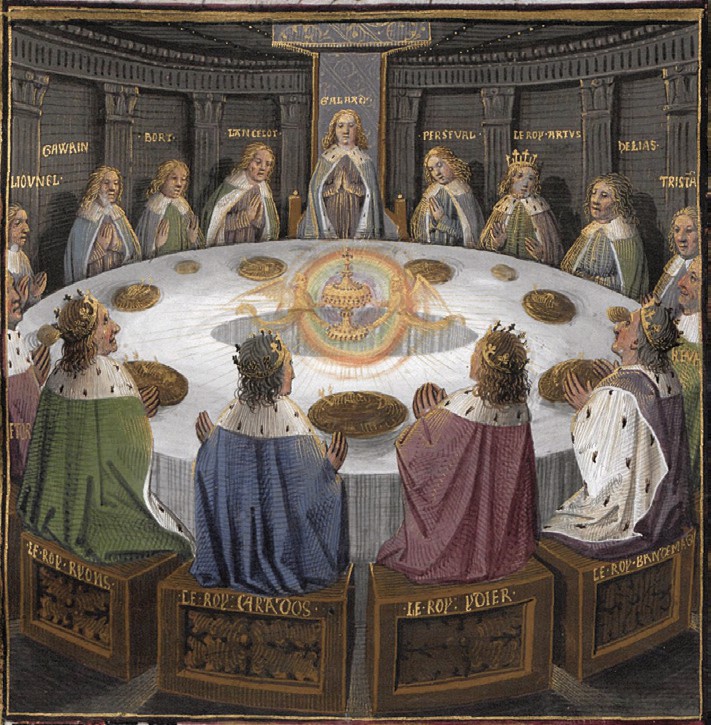
Despite a great deal of contradictory information, they agree that Arthur, the King of the Round Table was a real person, just as Merlin, the magician, Arthur’s wife, Guinevere and the Knights of the Round Table as a company of twelve disciples who followed Christ. The main knights included Sir Galahad, Sir Bors and Sir Parsifal – tradition has it that the three of them found the Holy Grail. In Arthur’s time there were hundreds of famous knights and the presence of these noble knights triggered a veritable spiritual revolution on Earth. They lived in a kind of “holy fervour” and were devoted themselves to living virtuous, noble and knightly lives. Their goal was to find the Grail – man’s eternal essence or higher self, the divine, immortal core of man. Therefore, we can identify those who found the Grail, the so-called Grail kings as well as its guardians, whose task was to ensure that the physical Grail wouldn’t fall into the wrong hands.
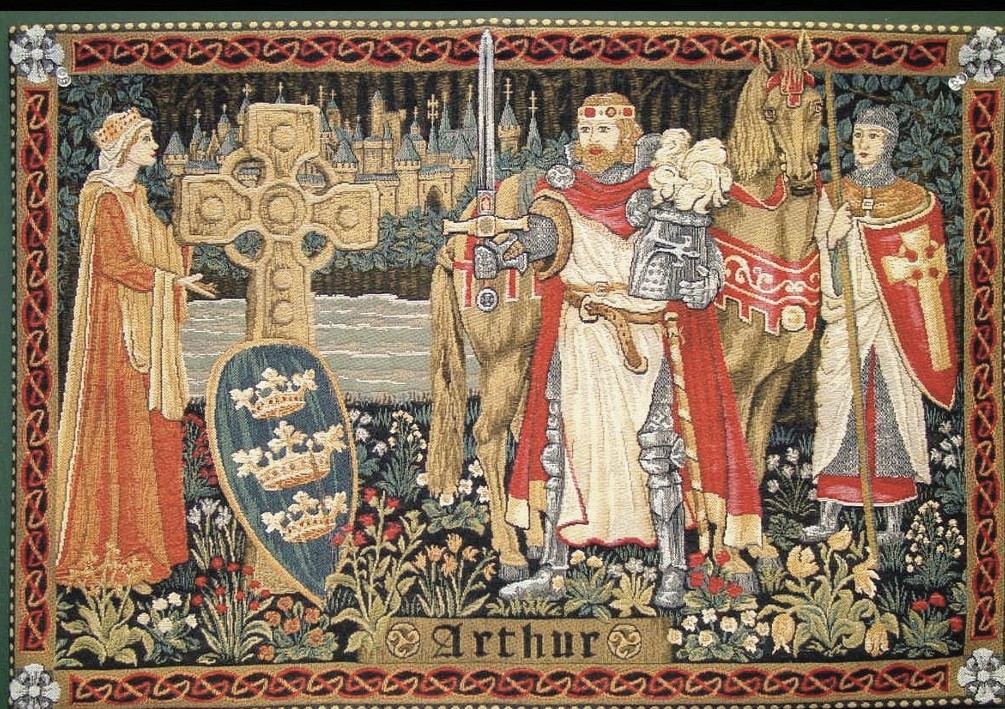
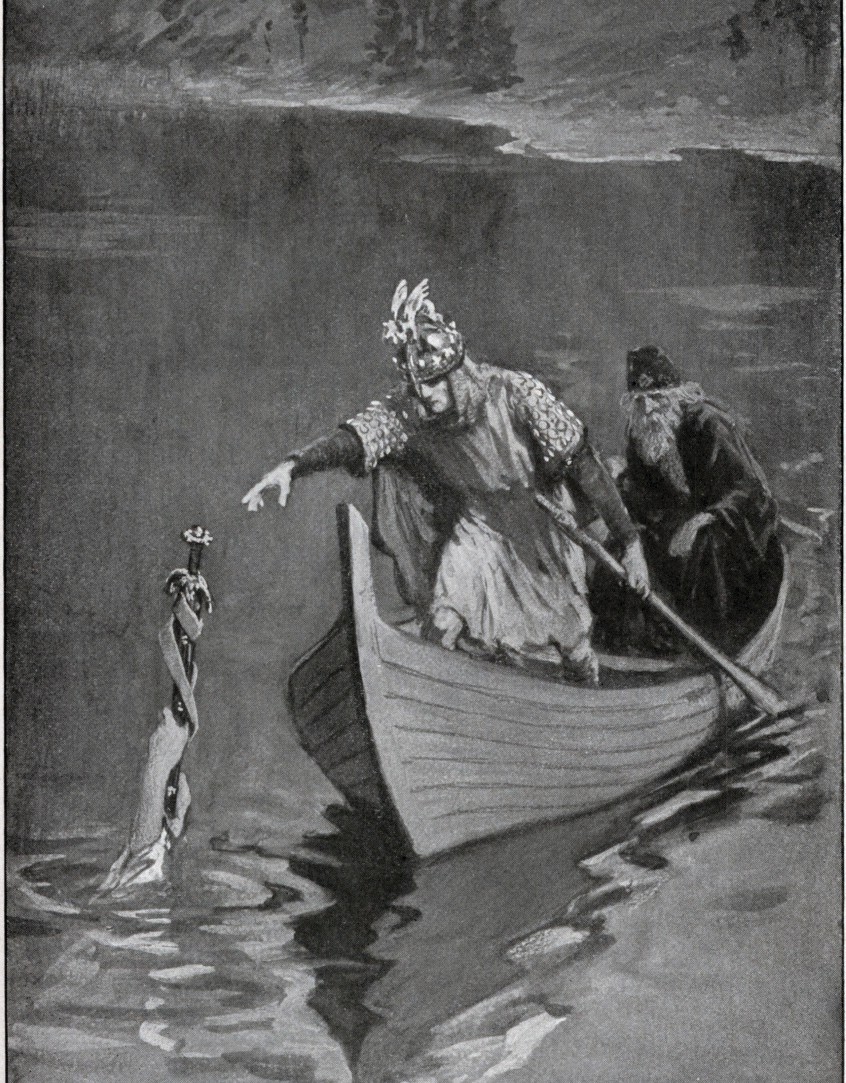
As the child of the English King Uther Pendragon and Princess Igraine of Cornwall, Arthur was raised in secrecy in order to fend off the dark schemes of evil forces – Merlin was charged with the task of helping Arthur and his disciples. Indeed, there was great need for his support as many scholars believe that Arthur and the knights’ battle with their opponents was not just about protecting the innocent and helping the weak, but about an even greater struggle: a clash between the forces of darkness and light. At twenty years of age, Arthur drew the sword named Excalibur from the stone, which also served as the symbol of his power and will. According to other sources, the sword emerged from water or earth, yet almost all major researchers agree that the sword indeed existed. Spiritual tradition tells us that the sword was forged from “celestial iron” or meteor rock. Some draw a comparison between the sword and two other sacred objects, the Holy Grail and the Hungarian Holy Crown, and venerate all three as living, holy beings.
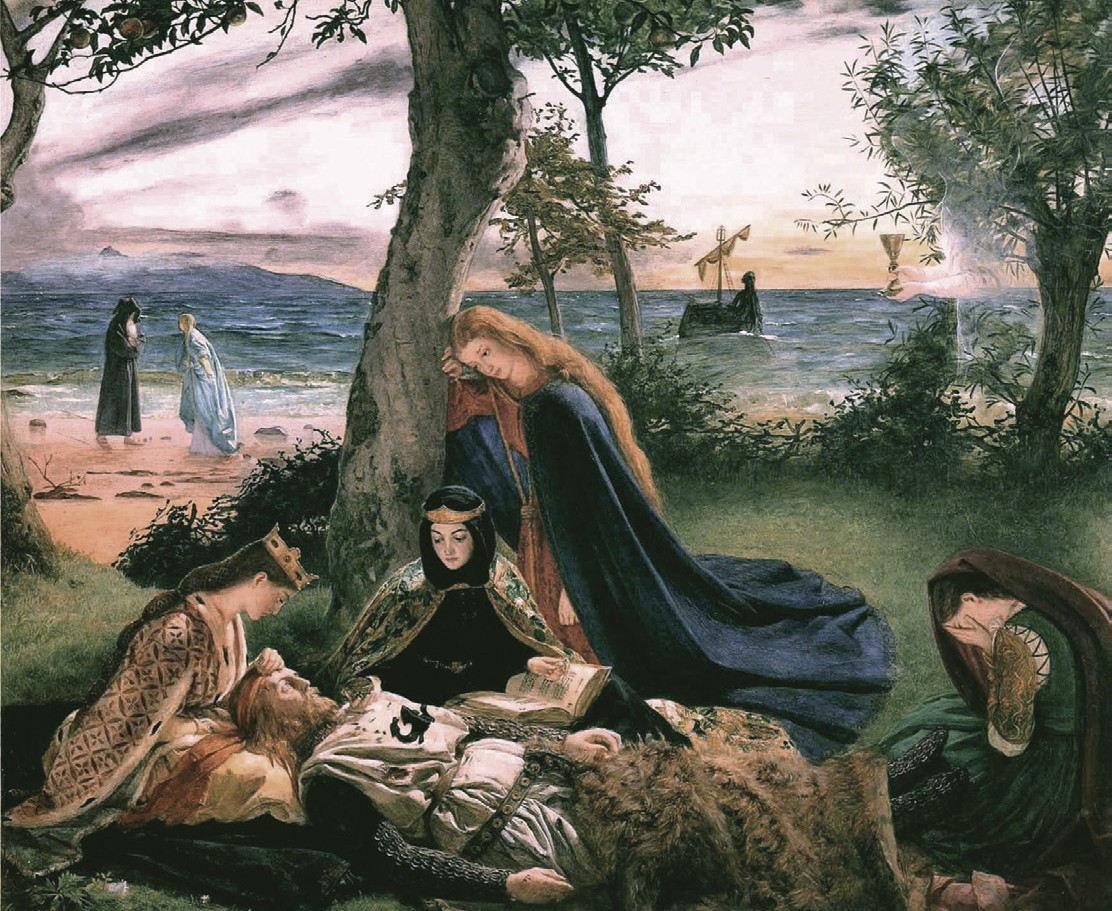
Arthur’s life was clearly devoted to the Grail, the chalice from which, according to Christian faith, Jesus and his disciples drank at the Last Supper, and in which Joseph of Arimathea received the blood of Jesus Christ on the cross. The grail is said to be filled with the love of Christ, who renewed all of Creation and whoever drinks from the chalice will be granted eternal life. Arthur’s exceptional life was extensively documented. One of the most illuminating of these stories is the love between Lancelot and Guinevere, which led to Lancelot’s downfall. Another event of Arthur’s life was the twilight of the roundtable, the period in which the balance was disrupted. Yet another tale concerns Mordred, the traitor of chivalric ideals, who struck the blow that would lead to Arthur’s demise. Upon his departure, Arthur’s holy sword also left the earthly realms – allegedly disappearing into a lake – only to later reappear in the hands of other sacred rulers.
The Arthurian legends have inspired countless great artists over the centuries. A great number of books and works of art about Arthur, Guinevere and the Knights of the Round Table have been created over the years. King Arthur has become a symbol of chivalric values and the virtues of leadership.
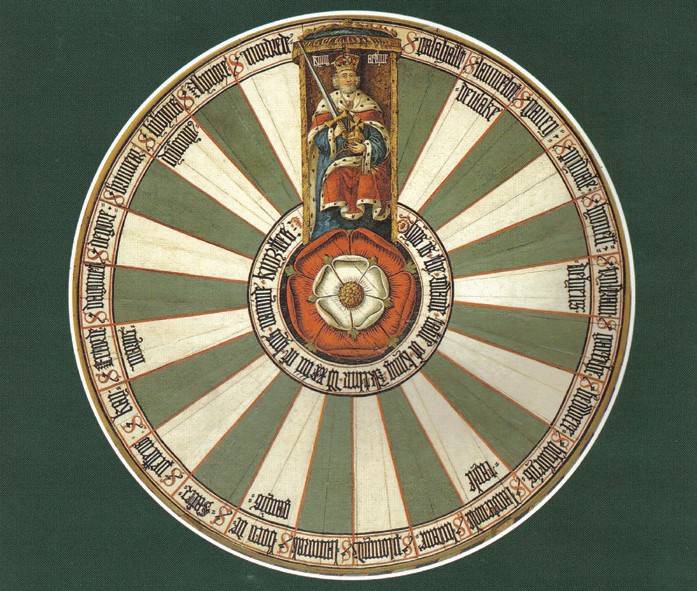
“The round shape of the table symbolizes the heavens. In the centre stands the Grail, yet this hub is not a defined space of attraction as the goal of the quest itself. Throughout the quest, the knights must not make any compromises. The symbol of the “heavens” is underlined by the fact that there are twelve knights like the signs of the zodiac. The goal is to reclaim the paradisiac sphere of life – for themselves and the community in which they carry out these deeds.” (excerpt from Angela Cerinotti’s The Grail)
“Upon the founding of the Round Table, Merlin the wizard foretold that many would seek out the Grail, yet only few would achieve their goal.”
“…there shall be born three bulls who shall achieve the Grail. Two would be virgins and the third would swear an oath of celibacy. One would best his father as the lion passeth the leopard both in strength and hardiness…” (Merlin’s prophecy of the three knights who would find the Grail: Sir Bors the chaste, Sir Galahad, Lancelot’s child and Parsifal)
“…he immediately fell to his knees before the Grail table and murmured a prayer, before his spirit suddenly departed to Christ. A great host of angels lifted him up to heaven, in full witness of his two companions…” (Galahad’s encounter with the Grail)