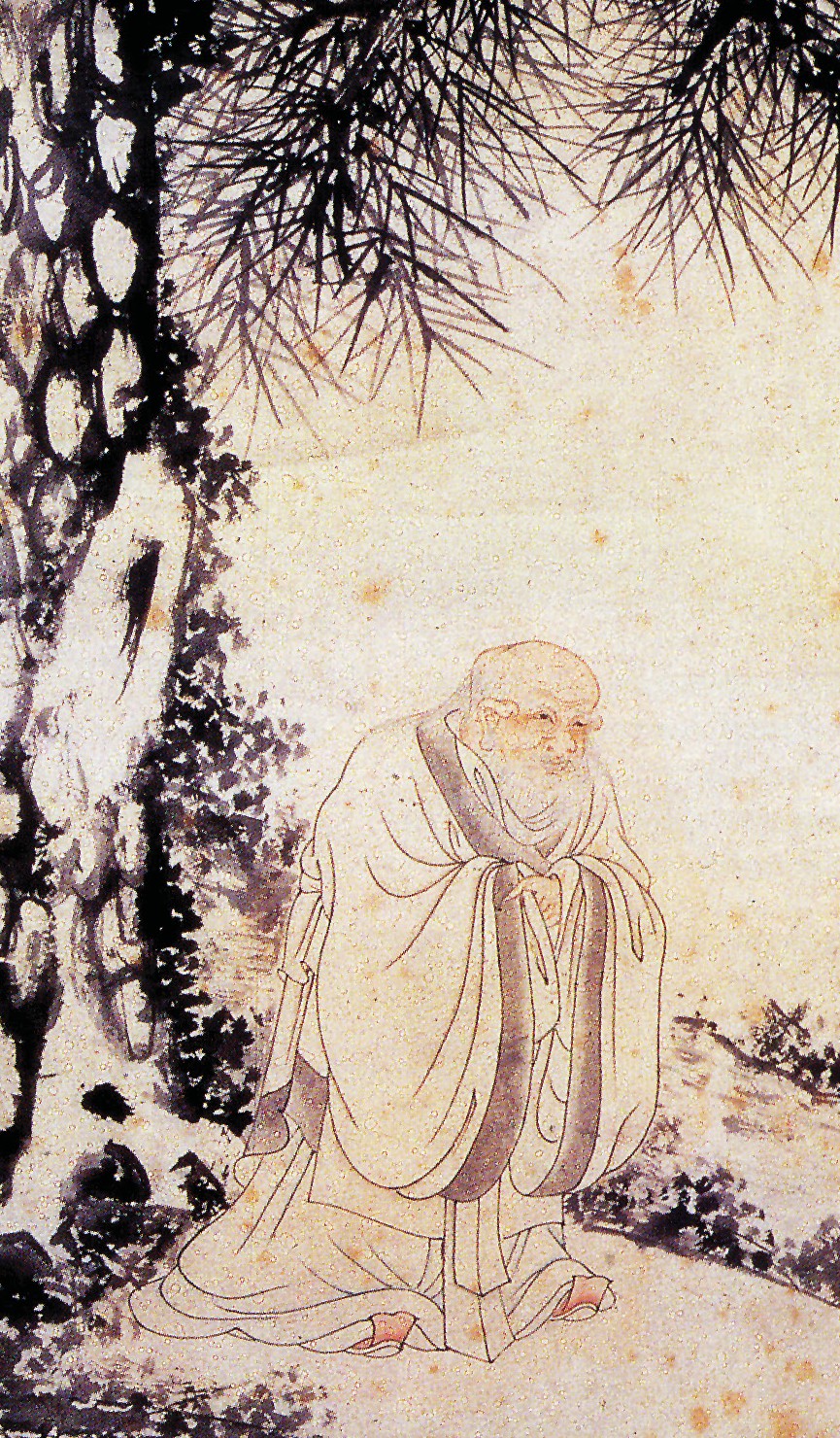
Laozi
6th century B.C., China
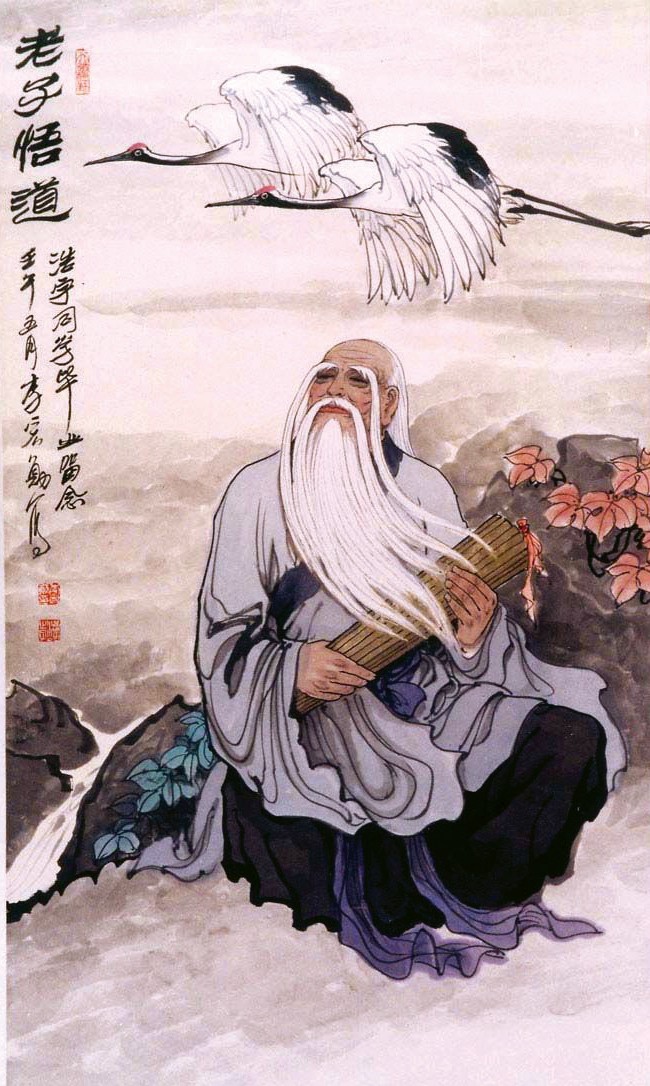
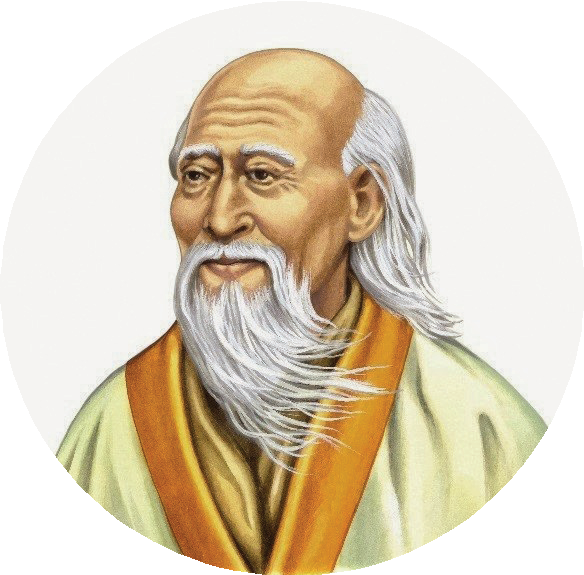
Laozi, as known as Lao Tu or Li Er, is the founder of the system of thought and religion known as Taoism, and who is also referred to as the “Old Master” in respect of his spiritual greatness. He was born at the end of the 7th century B.C. in China, most likely in the province of Li, in the vicinity of the Yangtze river. His life’s story is rich in symbolic, slightly mystical events. According to some sources, his mother was 81 years old when she was expectant with a child. It is known from other sources that similarly to other great masters (Christ, Krishna, and Buddha, for example), he was immaculately conceived, since his mother was impregnated by the rays of the Sun. According to another contemporary tale, Laozi was already old at the time of his birth, which is why he was also known as the “Elderly Child”. Some biographical sources indicate that he was an archivist in the capital of the Chinese Zhou principality, Louyang, before retiring to the city of P’ei in the southern region of the current-day Shantung province, where he established a school and conveyed his knowledge to his disciples. Here he met another great teacher of the time, Confucius.
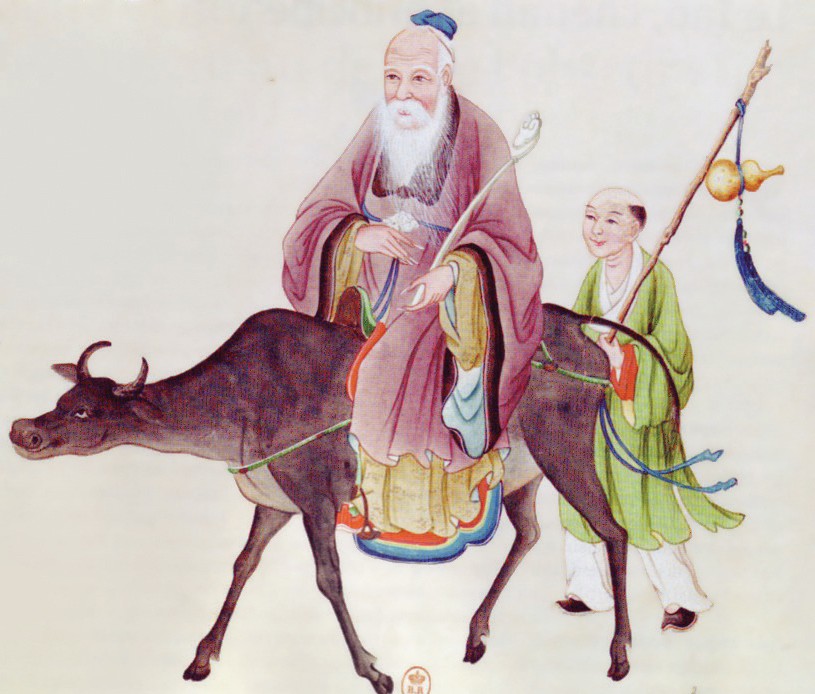
According to legend, the old master headed off west towards the end of his life on the back of a black ox, yet he was stopped by the captain of the border and told him that he would only let him pass if he would note down his thoughts on life and the world. This is how the Taoist work, the Tao Te Ching came about, “The Book of the Way and Its Virtue”. Despite the fact that based upon its length, the Tao Te Ching is merely a brief booklet, it is still one of the most important and influential spiritual works of all time. It is written in a symbolic language and can be interpreted in many different ways. The knowledge conveyed by Laozi and contained in this book gave rise to Taoism, the second greatest Chinese religion alongside Confucianism. The Taoist tradition is regarded as an ancient system of thought, which Laozi made readily available for humanity. The Tao, or the Way, is simultaneously an impersonal form of God. It is a term that it similar to the western term of Logos. The Tao was not created or brought into existence by anyone, yet everything is derived from and returns to it. The goal of the virtuous man is to live his life according to the Tao. Taoism is also an expression of complete unboundedness and the independence of consciousness. It is a system which contains both contentedness with what exists and the pursuit of living in harmony with the laws of nature. One of its central thoughts is the tenet of Wei Wu Wei, or “doing without acting”. According to one of the verses of the Tao Te Ching: “The Tao never does anything, yet through it all things are done”.
Taoism didn’t just spread throughout China, but across the whole world as well, and had a significant influence on many great thinkers. The pure system conveyed by Laozi went through a number of changes over the centuries, for example, the system of thought didn’t mention any personal deities, yet in time, the veneration of certain Gods nevertheless appeared. According to religious scholars, 8 different schools of Tao were formed: 5 strictly ascetic schools – which ended in time – and 3 philosophic schools. The two great teachers of philosophic Taoism are Chuang Tze and Lie Yukou. They were Laozi’s first followers, who amended the “Old Master’s” teachings with their work. Within the Taoist system – which is also known as the “the Royal Path of initiation” – there are number of esoteric schools as well (for example, The Way of the Heavenly Masters), the main concerns of which include the achievement of immortality and continuous consciousness. As part of this, the systems of Taoist Healing, Taoist Alchemy and a Taoist way of life appeared as well. To this very day, there are many ways and schools of Taoism, with countless Taoist masters spreading its teachings throughout the world.
“The wise follow their true nature, that is all: they eat according to the size of their stomachs and dress according to the size of their bodies. Since they are moderate, greed doesn’t soil their minds easily. You can only rule the world if you have nothing in common with the world, and you can only handle your reputation properly if you don’t strive to increase it. If you truly recognize nature and the real state of life, you will be awarded with kindheartedness and righteousness. If nothing subdues the glow of your eyes and nothing burdens your mind, you will be perfectly pure, peaceful and untroubled, living a balanced life. Power and fortune cannot seduce you, sound and form will not deceive you. Orators cannot sway you, scientists cannot stir you and warriors cannot terrify you. Such is the freedom of true people.”
(excerpt from the collection entitled The Final Teachings of Laozi)
“Heaven is eternal, earth is everlasting. The reason they can be eternal and everlasting is that they do not foster themselves, that is why they can live forever. For this reason sages put themselves last, and they were first; they excluded themselves, and they survived.”
(excerpt from the Tao Te Ching)
“Joy and rage divert from the Way, concerns and grief weaken virtue. Sympathy and animosity are excesses of the mind and common desires are the burdens of life. The peace of the angry dissipates and the content are unable to act properly. They become listless and silent, terrified when they are perplexed, losing their mind. Worries and terror burn our their hearts and they grow ill…”
(excerpts from the collection of Laozi’s teachings, known as the Wen Ce)