Mahakasyapa
6th century B.C., India
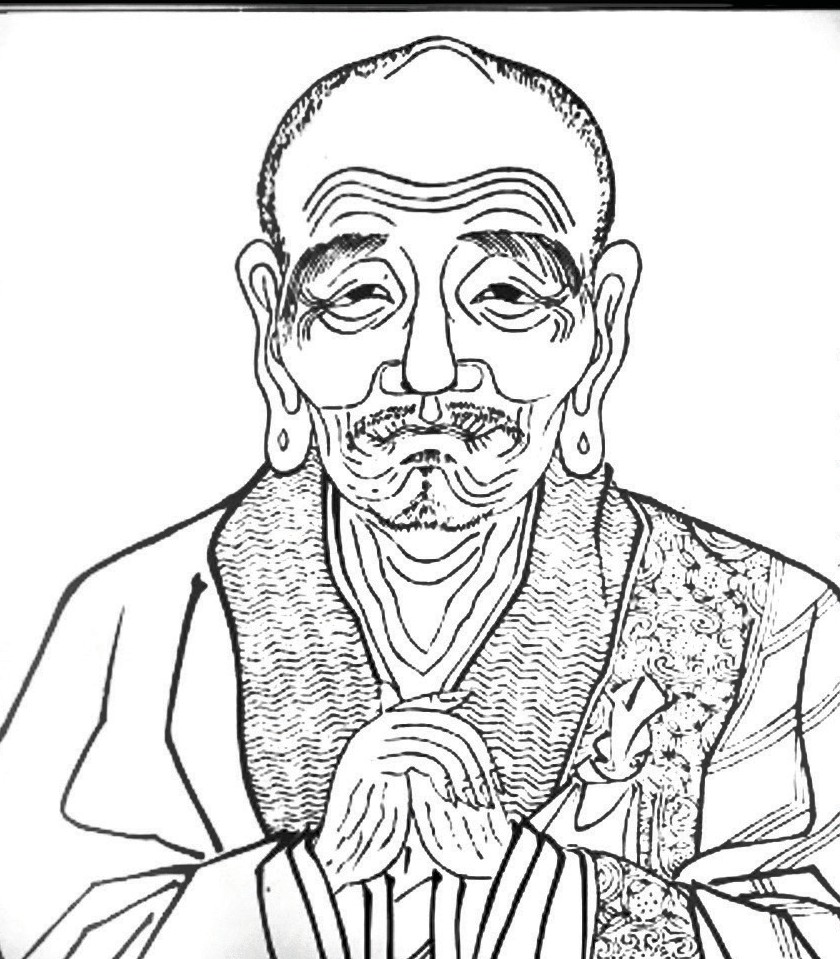
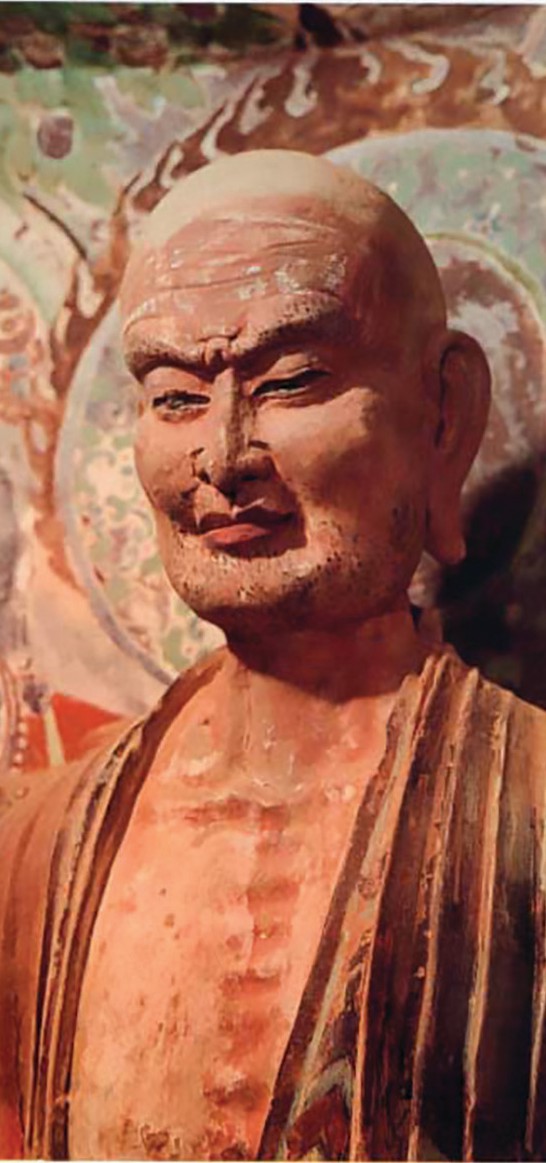
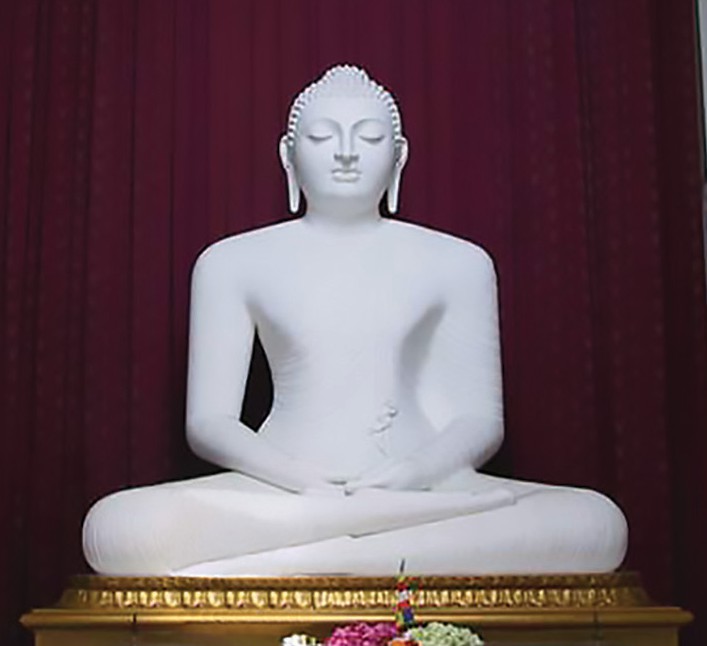
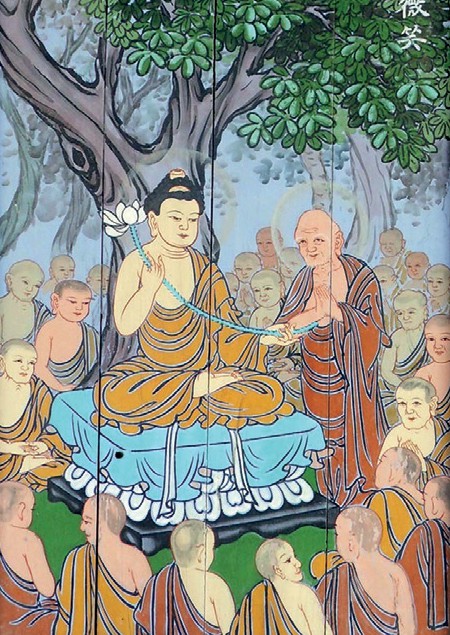
Mahakasyapa was the first head of the Buddhist Church, as well as the first patriarch of Zen Buddhism, one of the ten chief disciples of Siddhartha Gautama Buddha. He was born in the 6th century B.C., in the Kingdom of Magadha in India. According to the descriptions, he saw the light sitting under a tree, just like Buddha – this is what his name refers to. Kasyapa had a special place, even amongst Buddha’s closest disciples: Buddha once seated him next to himself – an honor which had not been bestowed upon any of the other disciples – before he became the head of the sangha. According to another legend, he once swapped his clothes with that of his master, since Buddha knew that following his death, Kasyapa would deliver the speech that would solidify the new religion and thus he permitted them to exchange their clothes. A mere mortal would have been unable to don Buddha’s robes, since they were effused with powerful, supernatural forces. Kasyapa experienced yet another significant event that set him apart from the rest of the disciples: he was the only one who understood the meaning of Buddha’s so-called Flower Sermon which he gave on Vulture Peak. Instead of speaking any words, Buddha held up a single flower to his disciples, which made only Kasyapa smile amongst all the disciples. Buddha then noted that only Kásyapa understood the teaching and thus he granted him the title of Mahá. This was the first significant event in the history of the Zen religion. Mahakasyapa also convened and directed the First Buddhist Council, and he played a major role in the compilation of the Tripitaka, the scriptures that contained Buddha’s main speeches. Due to his achievements, he is commonly depicted alongside Ananda, standing on the two sides of Buddha.
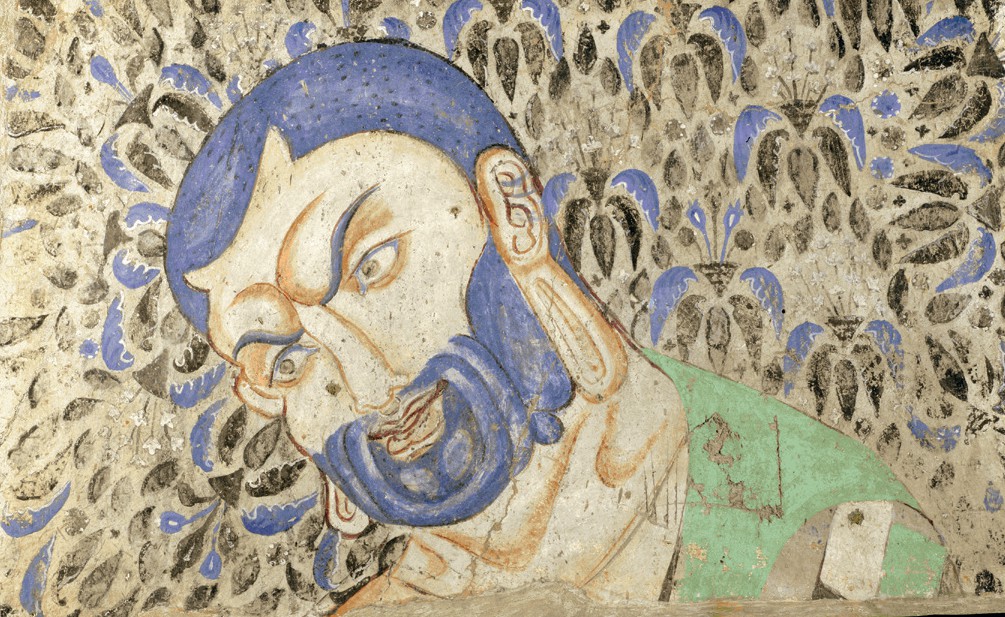
His life was rich in events that were befitting of his high spiritual status. When his parents wished to choose a wife for him, Mahakasyapa created a statue and said that he would only be married if they would find the statue’s living copy. Once they miraculously found the person it depicted, the young couple finally married according to their parents’ wishes. Pippali – as they called the young Kasyapa – and his soul mate, Baddha, decided before their wedding night to preserve their virginity and thus they never touched each other. Once they recognized the great harmony between the two of them, they both donned the robes of monks and renounced their possessions and released their servants. However, since they recognized the tempting power of their attraction to each other, they renounced what was dearest to them: each other. They parted company and went their own ways. According to some sources, the power of their renouncement made the earth shake. Pippali also developed a number of magical abilities. The sources indicate that he even joined the fire-worshiping priests, and here it was that he first met Buddha when he visited the priests; they tried dazzling Buddha with their abilities, yet all their craft failed in the presence of the Master.
Kasyjapa’s initial rage towards Buddha changed due to a deep, inner experience: he recognized Buddha as the enlightened one and thus became his steadfast follower. He took his oaths as a monk and dressed himself in rags, observing holy poverty and spent all his time realizing the Buddhist teachings. They say his heart was free of all forms of constraints. Although he wasn’t present at Buddha’s death, according to the holy scriptures the Master’s funeral pyre could not be lit until Mahakasyapa arrived with his five hundred followers. As opposed to Ananda, he tolerated no forms of indiscipline as a monk, yet he led by example and demanded from others what he himself could accomplish. He lived an exceptionally long life and according to some documents, he was a hundred and twenty years old when he gave his first speech following Buddha’s death. He is also revered as the Father of the Sangha, since he played a major role in preserving the community after Buddha’s death.
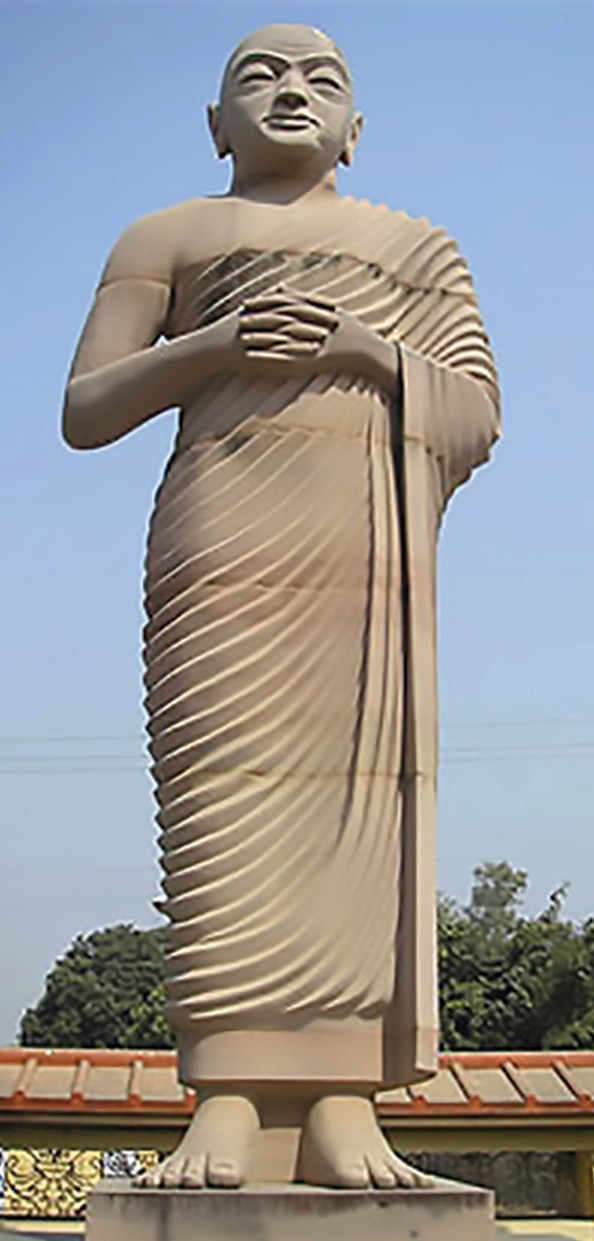
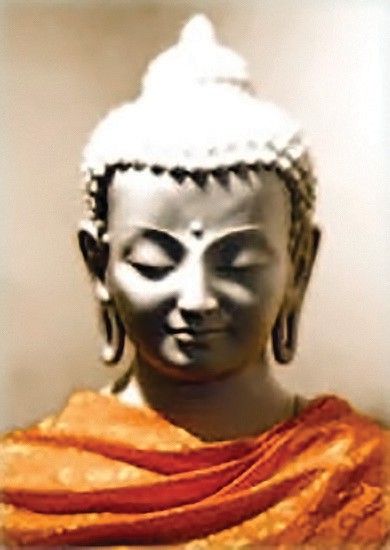
“When Mahakasyapa was asked why he lives such a strict life, renouncing all worldly possessions, he replied that he wasn’t merely doing this for his own benefit, but rather because of the compassion he felt for his followers. When he turned old, Buddha himself asked him to discard his ragged robes and move closer to him, yet he humbly avoided his request.”
“Kasyapa once went begging with Buddha. Five hundred virgins were journeying to the nearby celebration with cakes in their hands. They saw Buddha, but passed him by and handed their cakes to Kasyapa instead. However, he placed all the offerings into his bag and offered them to his Master.”
“I possess the true Dharma eye, the marvelous mind of Nirvana, the true form of the formless, the subtle Dharma gate that does not rest on words or letters but is a special transmission outside of the scriptures. This I entrust to Mahakasyapa.”
(excerpt from the commentary following the “Flower Sermon”, which Buddha addressed to Mahakasyapa)