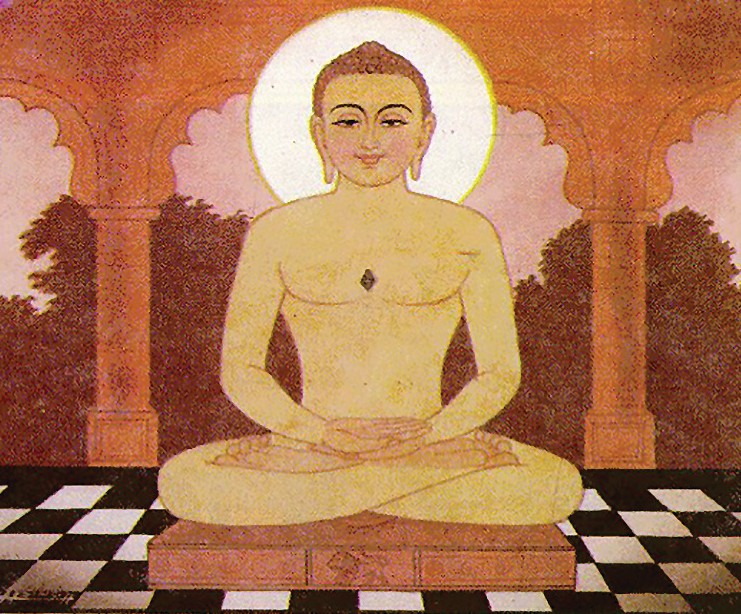
Mahavira
599-527 B.C., India
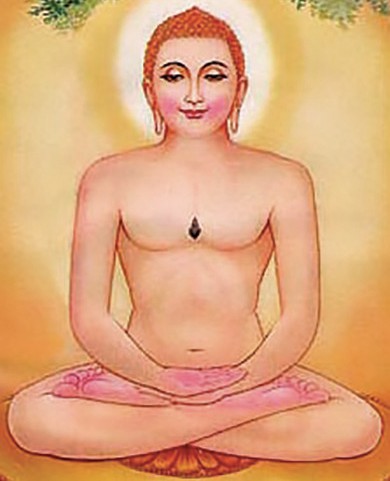
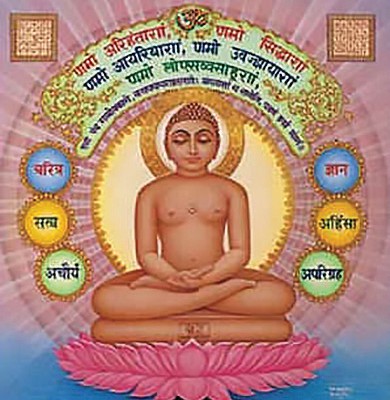
Vardhamana Mahavira was the founder of one of the most important religions of India, Jainism. He was born in 599 B.C. in India, in the vicinity of the current-day Patna, in the royal family, from the caste of kshatriya (warriors). The name Mahavira means “Great Hero”, but he is also known as Buddha (“The Awakened One”), Sanmati (“He who Possesses Great Wisdom”), and Vardhamana (“He who Brings Prosperity”). According to the traditions of Jainism, 24 great teachers or “ford-makers” (Tirthankara) are born in every great half-cycle of existence. The first of them was the legendary Rishabha, whilst the last was Mahavira. All 24 of these masters are in possession of endless knowledge and spread the teachings of the liberation of mankind. The Tirthankara are thought to be born with special physical bodies, which allow them to offer their supernatural abilities and high-level virtues to the service of humanity. There are two main schools within Jainism: the Digambara (the “Sky-clad”) and the Svetambara (the “White-clad”). The two schools have many differences, yet they both regard Mahavira as a world teacher. Mahavira’s birth was preceded by a number of signs. Just like Gautama Buddha, the child was revered as a Chakravartin (“king of the world”). His birth was accompanied by a number of miracles, heavenly music filled the air and everyone celebrated. According to the Svetambaras, Mahavira married at an early age and had a daughter.
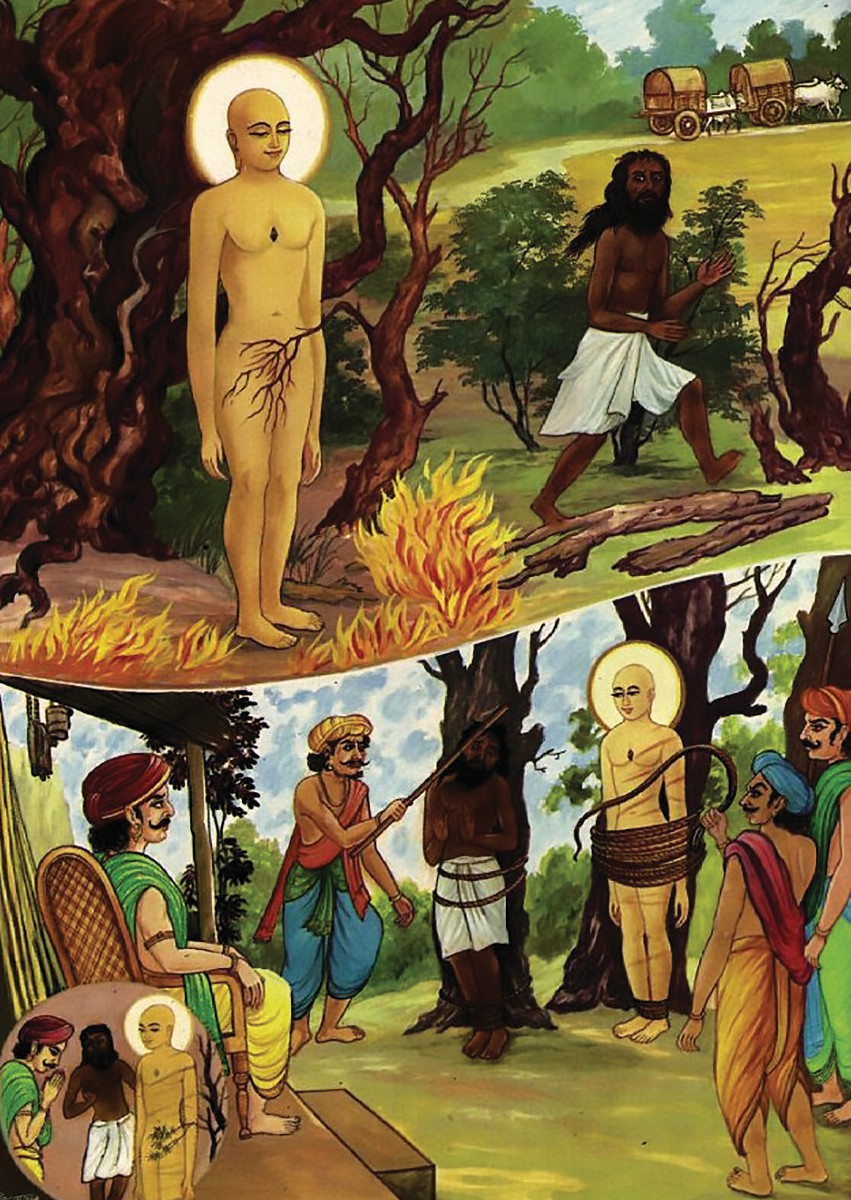
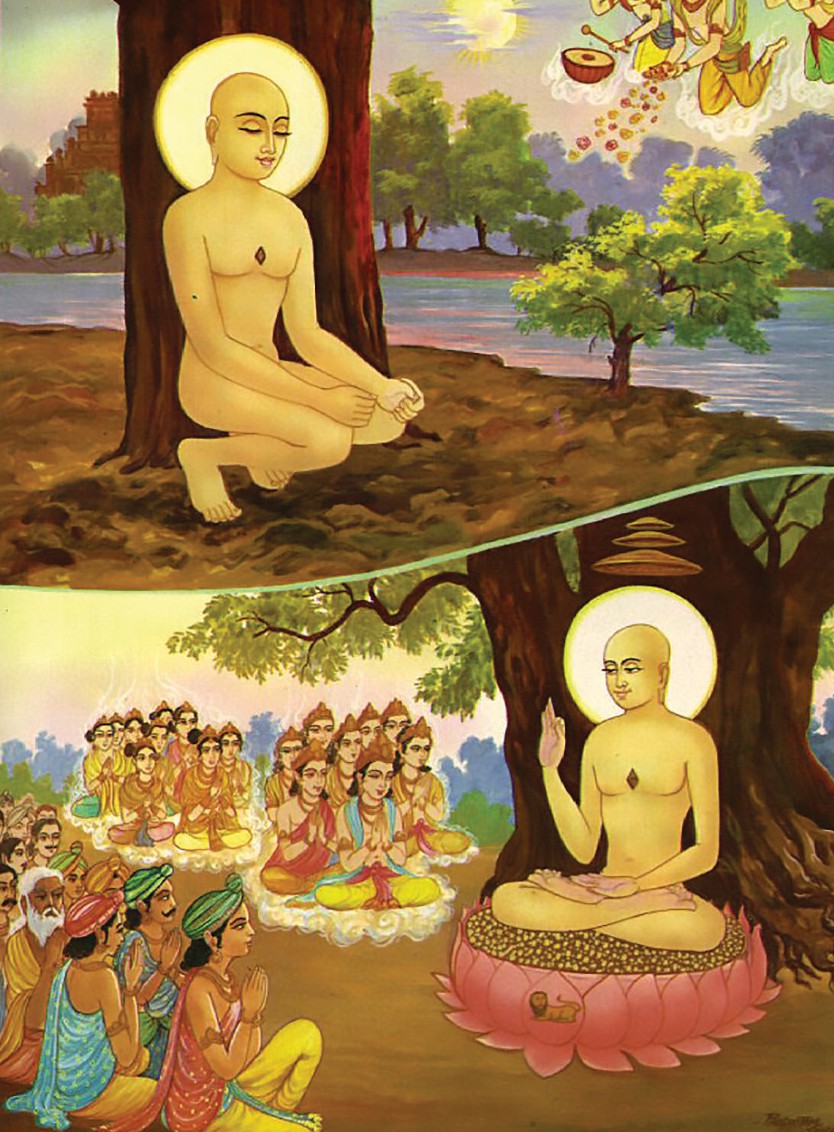
Both schools claim that he renounced his worldly life due to a divine visitation at 30 years of age. He then tore out his hair, lock by lock, and began a 12 year-long period of intense asceticism. According to the Digambara, he lived completely naked from this point on, which is why they still uphold the tradition of nudity to this very day. Only the lonely ascetics of the Svetambara are naked, whilst those living in communities wear clothes. Mahavira lived a rigorous life during his ascetic period. His self-mortification included fasting, which was often made even harder by not drinking at all. Many of the ascetics of Jainism still follow this practice as a self-discipling exercise. After 12 and a half years of penance, Mahavira attained enlightenment on the banks of the River Rujuvaluka. From here on, he became exempt from all forms of imperfection. His sermons were attended by great crowds and a community soon began forming around him. In his life, Mahavira was followed by 14,000 monks, 36,000 nuns and hundreds of thousands of worldly faithful. He supposedly attained Nirvana at 72 years of age, in 527 B.C., in the city of Pava.
His detailed teachings were elaborated in countless books. The canon of the Svetambara contains 45 holy books, which contain highly detailed descriptions of the moral laws and everything a disciple of a spiritual path should know. Although The Digambara don’t regard the older works as authentic, there are many similarities in the basic teachings of the two schools. One of the characteristics of Jainism is that it strictly follows a set of moral rules. The 14 levels of Jainism consists of exceedingly difficult stages. It has been noted that the saints of Jainism renounced all worldly possessions, lived no sexual lives and didn’t lie or steal and made sure not to extinguish a single life by sweeping the ground in front of themselves when walking. Jainism is still one of the greatest religions of the world with over 6 million followers, regardless of the fact that their rules of strict renunciation and discipline aren’t attractive to the masses at all.
“If you long for independence, set your thoughts firmly on the nature of the Self. This way, the peace of the soul will develop fully within the personality.”
(excerpt from the Jainist work entitled Nijama-Shaha)
“The liberated man overcomes anger, selfishness, deception and greed. Such is the teaching of the Wise, who harm no living beings, end all actions and the round of existence. Separating himself from his sins, he destroyed the consequences of his previous actions… In light of the misery of the world, the victorious can carry on their way, renouncing their attachment to the world. They can grow step by step, without longing after existence.”
(excerpt from the Acaranga Sutra on the termination of suffering)