Mani
216–277, Current-day Irak
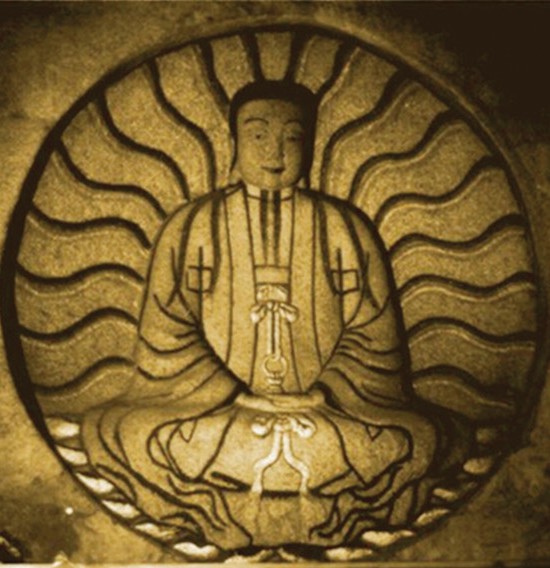
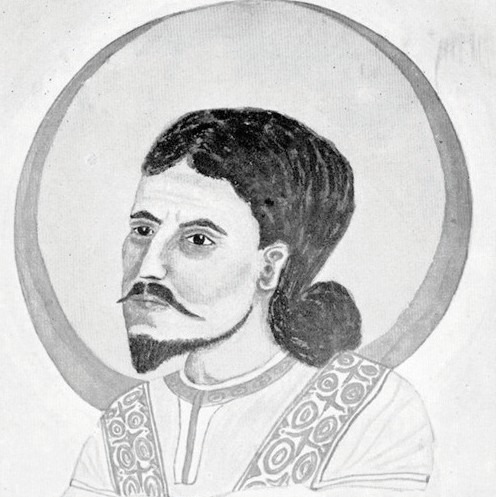
Mani, the founder of the Christian Gnostic religion known as Manichaeism, is – according to some religious scholars – the incarnation of the spirit known as Manu, who assists and leads humanity through every age. He was born on the 14th of April, 216 in Persian Babylonia in the Parthian Empire. He himself was Parthian of descent. His father, Pátik, was the member of the Elcesaites, devotees of Saint John the Baptist, and raised his son from four to twenty years of age in their Jewish-Christian community. Mani had two exceptional spiritual experiences when he was 12 and 24. Supposedly, the Parakletos – the Holy Spirit – manifested itself to him and conveyed to him the knowledge of light and the way of the worlds, which Mani later spread himself. His mission became clear – he must continue to spread the tenets he received. He left the Elcesaites and began teaching in 240. In order to spread his teachings – which he referred to as the Doctrine of the Cross of Light – he wandered throughout a huge region. The Sassanid ruler, Shapur I empowered him and his missionaries to freely spread their religion throughout the empire, and thus Mani organized a huge church under a relatively short period of time, with a hierarchal order, rituals, detailed regulations and a complete system of dogma. Mani preserved the teachings and values of the previous saviors and founders of religions and brought them into synthesis, spreading a new Christian spiritual impulse throughout the world.
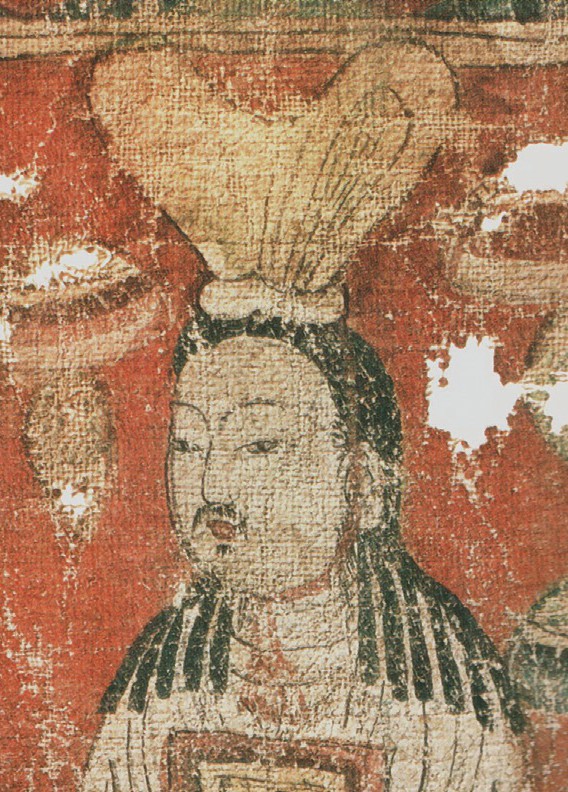
The new religion, “the religion of light”, was inaugurated on the 21st of March, 242. Mani worked tirelessly: he sent his envoys to a number of countries and thanks to this, his religion began spreading throughout almost the whole world. Mani’s goal was to establish a renewed form of Christianity on a strict moral basis. He referred to himself as an Apostle of Christ and centered his tenets on the virtues of forgiveness, gentleness, and reciprocating bad with good. He claimed that man must achieve a level of purity on which he becomes capable of turning the evil inside of him to good. A part of the Gnostic system he developed was the concept of the liberation of light, the light-purifying rituals of meals, a renewed form of communion and countless other rituals. The Holy Trinity of Manichaeism consists of the Light-Father, the Light-Mother and the Light-Son. The practical teachings were based on the “tenet of the three seals”, which consisted of the moral rules of the seals of the mouth, hands and breasts, as well as the teachings of the Ten Commandments of Manicheism. The new religion spread so rapidly that the Pope at the time was afraid that the Manichaean faith would have more followers than the Roman Catholic Church. Mani was regarded as a prophet, saint, seer and a person who authenticated his teachings through his own life and deeds. It was impossible to best him in an argument and whoever came into personal contact with him, soon came through to his religion. However, his uncompromising reforms also gained him many enemies: those who were jealous of him, as well as the followers of the ancient Persian religion and traditional Christianity all openly opposed Mani’s reforms.
He traveled much in the final period of his life before retreating to a cave for a year. He returned to Persia in 272 where he spread his teachings, however under the reign of the new ruler, Bahram I, the Orthodox Zoroastrian faith was reinforced from 274 until his enemies laid a trap for him and indicted him. During the hearings, he was accused of turning the Zoroastrian faithful away from the official Persian state religion. After a lengthy trial, Mani was imprisoned. Here it was that he lived out the final 26 days of his torturous passion, which he suffered gently with humble patience. He died in Gondishapur on the 26th of February, 277 (or 276, according to some sources). The believers of no other religion were persecuted so mercilessly than the followers of Manichaeism, which nevertheless still existed for over a thousand years and in fact, becoming the state religion of the Uyghur empire in the 7th century. According to some religious scholars, Manichaeism gave rise to the Armenian Paulicians, the Bulgarian Bogomils, the French Cathars (Albigenses) and the Hungarian Pauline order. Mani had many different names: he was called “The Prophet of Babylon”, the “The Last Savior”, “The Prophet of the Final Seal” and “the Apostle of Jesus”. In the East, he was referred to as “King Dharma”, and “The Buddha of Light”, and as “Mo-mo-ni” in China. The main works attributed to Mani include the Mysteria, the Kephalia, the Evangelion and the Pesayroi. This often miscomprehended and unfairly persecuted religion brought deep-rooted changes in the world and left behind a significant spiritual and cultural heritage for the world.
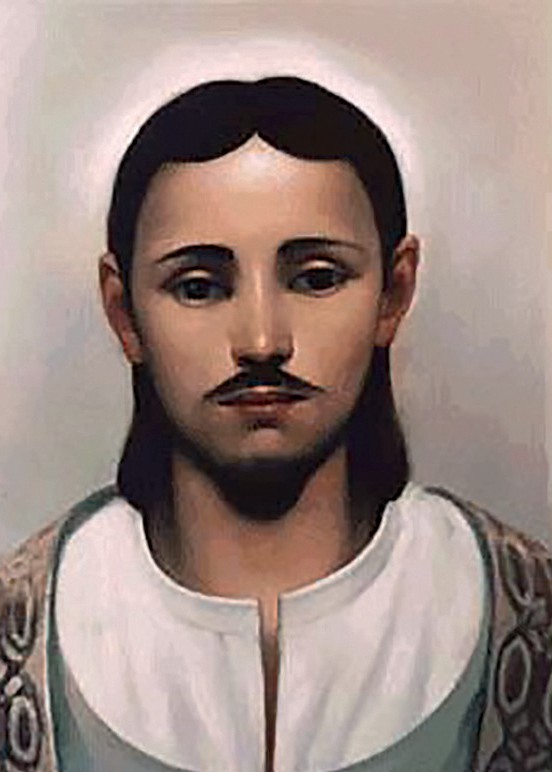
“Make Evil unto Good with Love!” (the Manichaean motto)
“Man looks into the distance, yet lo – the omnipresent reality lives in our true being… Take up your cross and cast off the world”
(excerpt from Mani’s sayings)
“His heart is merciful and does not rise to wrath, fostering inexhaustible joy and harboring no fretful thoughts. He is not fierce, nor stubborn and his mouth knows no foul words. He humbly surrenders himself should consuming anguish inflict him from outside or inside to wither away his patience.”
(Mani’s teachings on the patient man)
“…From ears of love the bread of life is born, whatever it grants, it asks nothing in return. May this day bring love to thy heart, your faith stay strong and sin render not apart. Believe in love and from your path do not stray! But to the Holy Trinity of Love, pray, pray!”
(excerpt from the prayer of Mani)