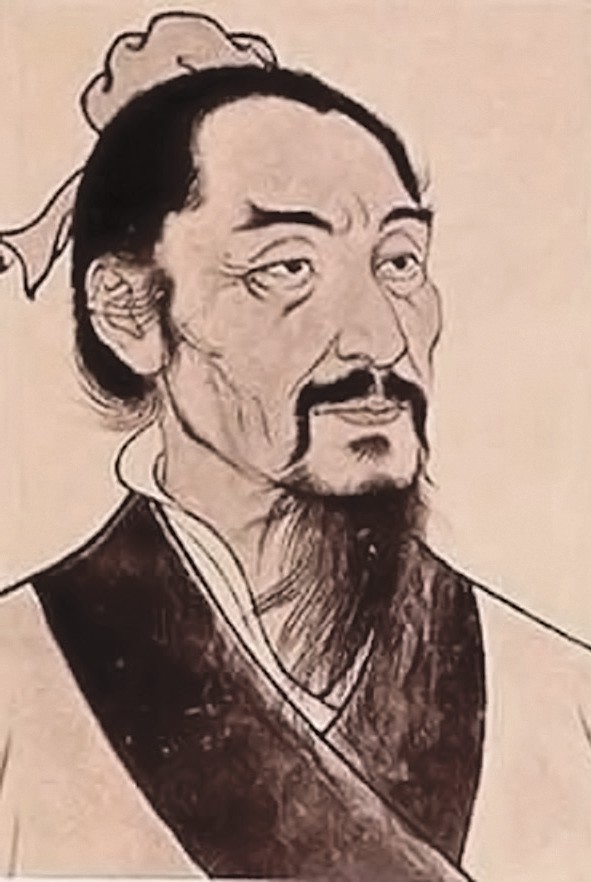
Mo Zi
around 470–391 BCE, China
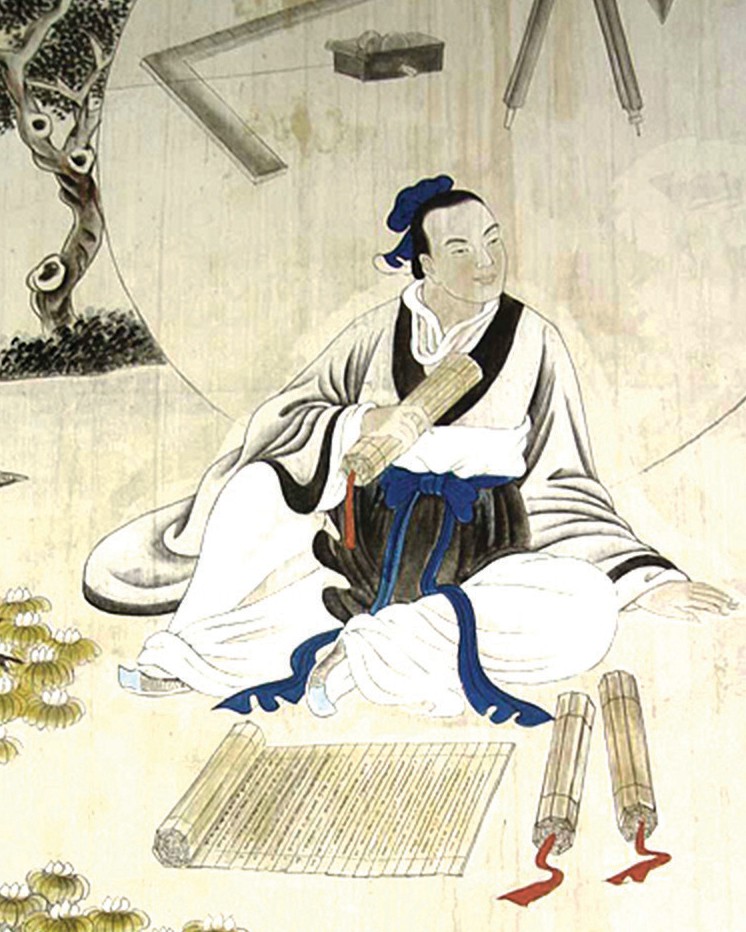
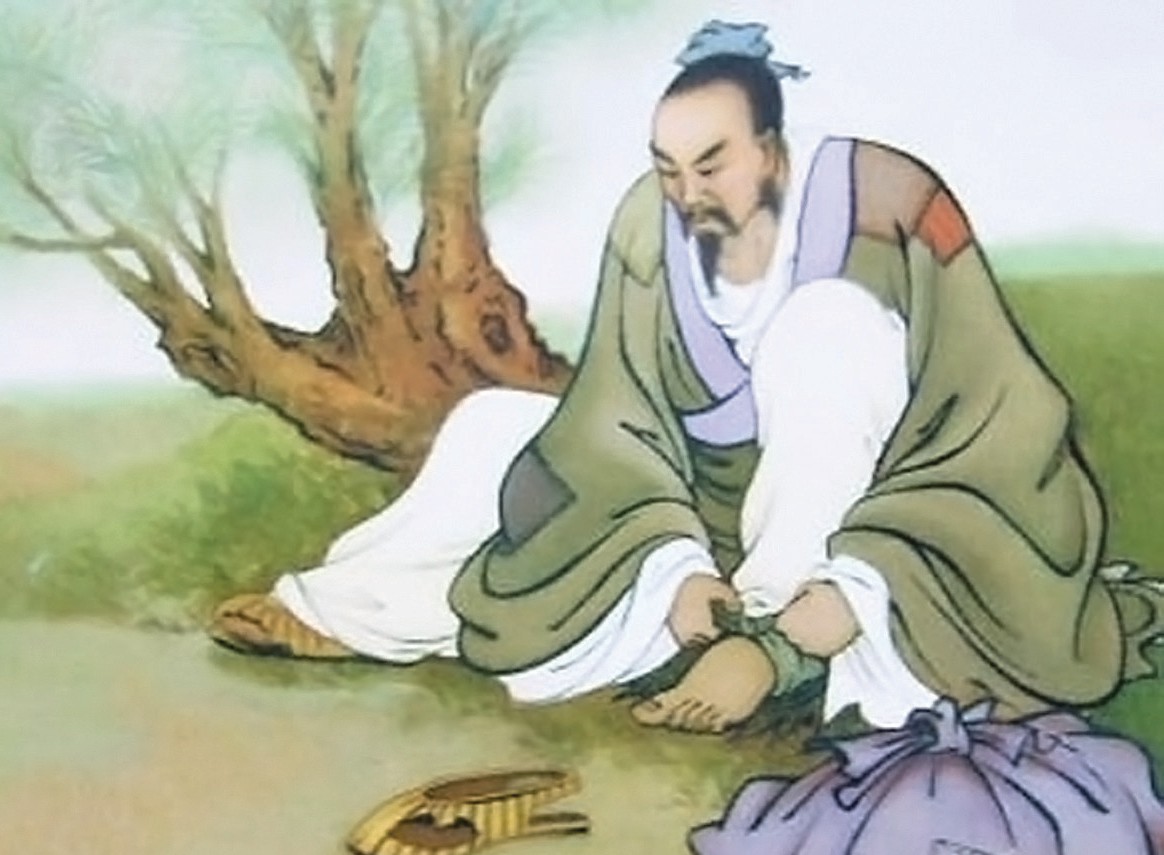
Mo Zi – or Mo Di, Master Mo – was one of the greatest Chinese philosophers and is also referred to as the master of impartial love who conveyed teachings in the 5-4th century BCE in China that were similar in many ways to those provided by Christ to the western world. His teachings, practicality and approach were far ahead of his time. Some religious scholars agree that the first sophists were also the followers of Master Mo. Mo Zi lived in the age of “warring states” (475–221 BCE), the golden age of Chinese political philosophy and is considered one of the first thinkers to challenge the tenets of Confucius. Tradition has it that just as Confucius, he was born in the state of Lu (present-day Shandong) before serving as a minister in the state of Song (present-day Henan). Initially raised according to Confucianism himself, he disagreed with it, but in time founded his own school: Mohism emerged as the other dominant philosophical-religious movement of the age.
(Originally from an impoverished background, the master had no noble clan name of his own. He named himself and his school after the character ‘mo’, meaning ‘ink’ to indicate a sense of fraternity with the lowest of the low – as offenders were tattooed on their foreheads at the time.) Similarly to many other teachers, Mo Zi excelled in countless walks of life. He wrote the first Chinese treatise on logic, yet also dealt with subjects such as geometry, optics and mechanics. He was also a famous defence strategist and a master siege engineer.
The community he established, which was well-organised and controlled a large area, was both religious and military in nature, yet in accordance with the doctrines of the Mohists, they only used their skills and special combat technology to assist invaded states both in military training and in repelling sieges. In addition, Mo Zi visited the leaders of the various estates and tried to persuade them to adjust their socio-political activities to the peace-loving Mohist views. This was also the purpose of his school for civil servants, where he taught the skills required to govern. His teachings are known from a document bearing his name, which was presumably recorded by his pupils. The text is repetitive and lacks any artistic element, which is quite unusual and unique in Chinese literature. The wording of the teachings is clear and lucid, easy to understand.
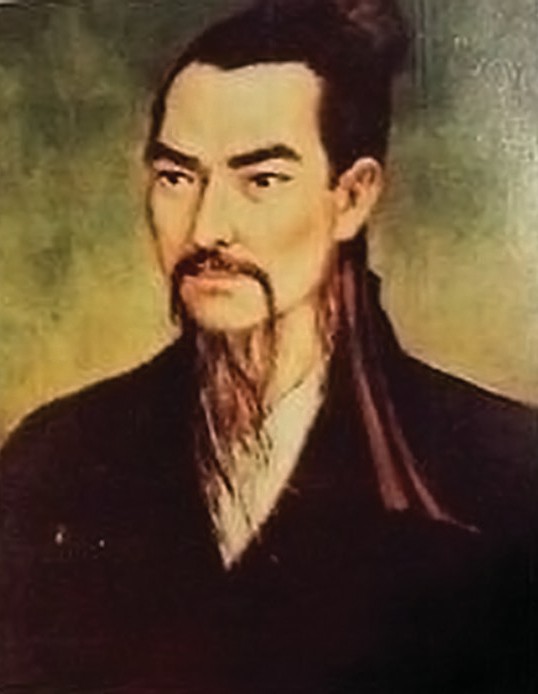
A portion of the ten central theses that emerge from the teachings serve the welfare of society. It envisions society as a single organic entity, which is ruled over by the heavens. The teachings, for example, speak of refraining from military aggression and restraining public spending. Others doctrines are explicitly anti-Confucianist and speak out against some distinctively Confucian traditions. The key theses of Mo Zi include the importance of following the will of heaven and belief in the existence of wise spirits who mediate this will. Finally, the most important thesis states that the conflict and confusion in the world is caused by people who gave priority to their own interests over those of others, and those of their acquaintances over those of strangers.
Master Mo’s thesis, which is also known as the doctrine of universal love, states that we should act impartially in our own affairs, in those of our acquaintances and in those of strangers. Mohism approaches all this from a rather practical point of view, emphasising that all people, particularly common people, should be provided with food, shelter and rest. Mo Zi advocates for a productive, active life – for him, the Way, the Tao, is more about valuable actions rather than mere wisdom. He encourages self-reflexion and teaches that learning from success and failure leads to true self-knowledge, as opposed to merely following traditions and customs. In the case of Mohism, the value of any single teaching is determined by its basis, its verifiability and its applicability. For Master Mo, the basis was the reign of ancient, wise kings and the will of the heavens mediated by the spirits. The best way to verify this is to examine what people “see and hear” or what they experience through their actions, while the best approach of practical application is to develop a government that serves people’s well-being. These considerations remain just as valid as they were two and a half thousand years ago.
“If virtuous men in their actions always consider it their duty to seek to promote the good of the celestial, to prevent its harm, and enforce these as a rule, they will always do what is useful to men…”
“A sage, being someone who takes the ordering of the world to be his business, must examine what disorder arises from… Ministers and sons not being filial towards rulers and fathers is what is spoken of as disorder. If a son loves himself but doesn’t love his father, then he disadvantages the father and benefits himself… This is what is spoken of as disorder… Even if we come to those who are thieves and robbers in the world, the same applies in so far as they love their own household but don’t love the households of others. Therefore, they plunder the households of others in order to benefit their own households. A robber loves himself but not others. Therefore he robs others in order to benefit himself. How is this? In all cases it arises through lack of mutual love!”
“Let the humanist find his purpose in these: to benefit the world and alleviate its ills.”
“Every word and action that is useful to Heaven and the Spirits must be carried out by the people.”
“One cannot do other than encourage the love of others.”