Origen
185, Egypt – 254, present-day Lebanon
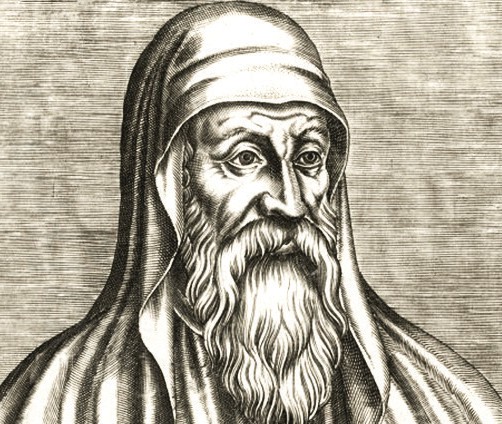
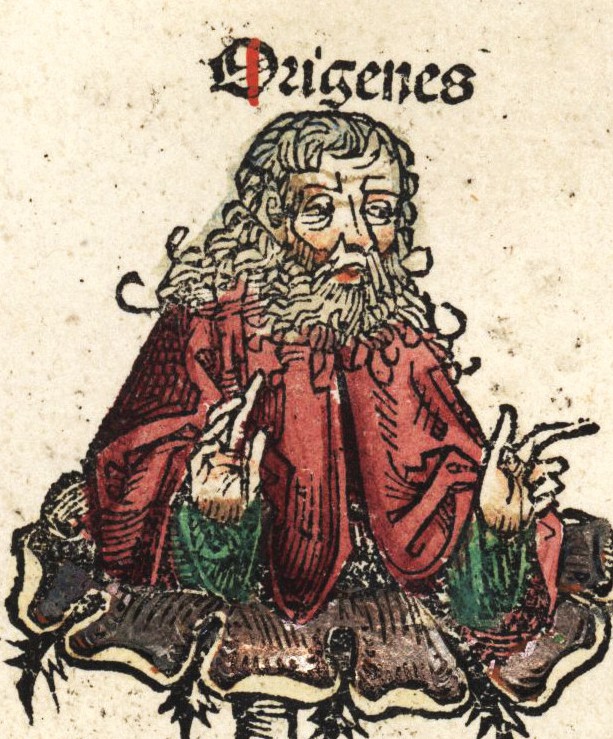
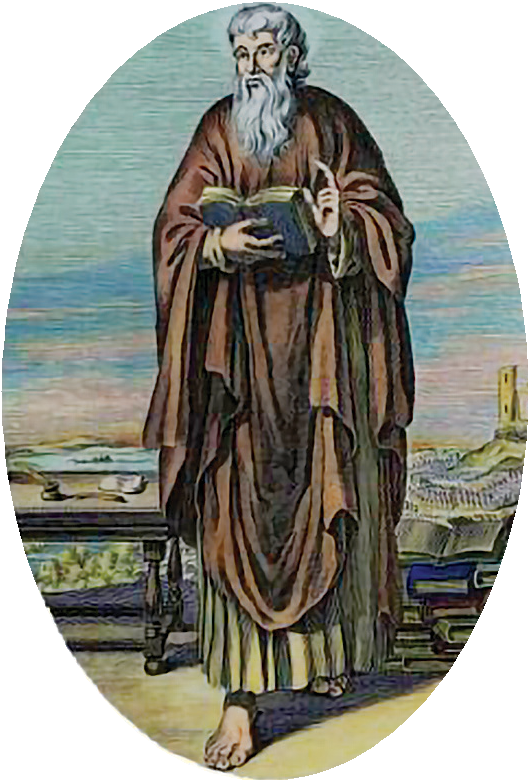
Origen, one of the patriarchs of early Christian mysticism, was a famous Neo-Platonist thinker who played a major role in conveying the essence of early Christian doctrine. He was born into a Jewish, well-educated, Christian family in Alexandria, in the area of the present-day Egypt, which then belonged to the Hellenistic Roman Empire. Initially, he was the disciple of Ammonios Saccas, the founder of Neo-Platonism, before studying under Clement of Alexandria and initiate who professed the harmony between Greek philosophy and Christian teachings. In 202, the Bishop of Alexandria called on Origen (who was only seventeen years old at the time) to take over the leadership of the city’s catechumens (groups of adults awaiting to be baptised) from Clement.
From 230 to 231, he served as the head of the catechetical school of Alexandria. Despite the ever-increasing persecution of Christians, the school’s popularity increased and Origen introduced more and more people to the Christian faith. In 212, he began compiling his magnum opus, the Hexapla, which presents a Greek transliteration of the Old Testament, accompanied by four Greek translations, side by side in columns. During his years spent in Alexandria, he often went on long journeys. On his final trip, he visited Caesarea in Palestine, where he was ordained a priest by the local bishop. Yet Bishop Demetrius became increasingly jealous of Origen, and on his return he had him banished from the city and stripped of his ministry. This latter decree, however, was not recognised in the provinces of Palestine, Arabia, Achaia and Phoenicia, therefore for the rest of his life Origen mainly worked in these areas as a priest and scholar-teacher.
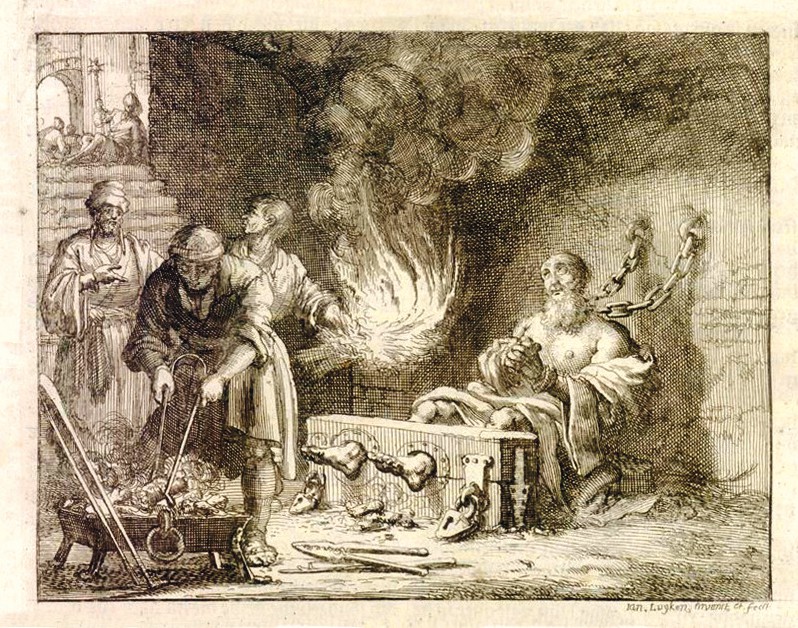
The persecution of Christians intensified during the reign of Emperor Decius (249–251) and many renounced their faith. Origen was also imprisoned, where he was tortured in various ways. Yet he was not allowed to die, based on the rationale that if a great leader of Christianity would lose his faith, it would deter the masses, yet he would not do so, even when faced with terrible agonies.
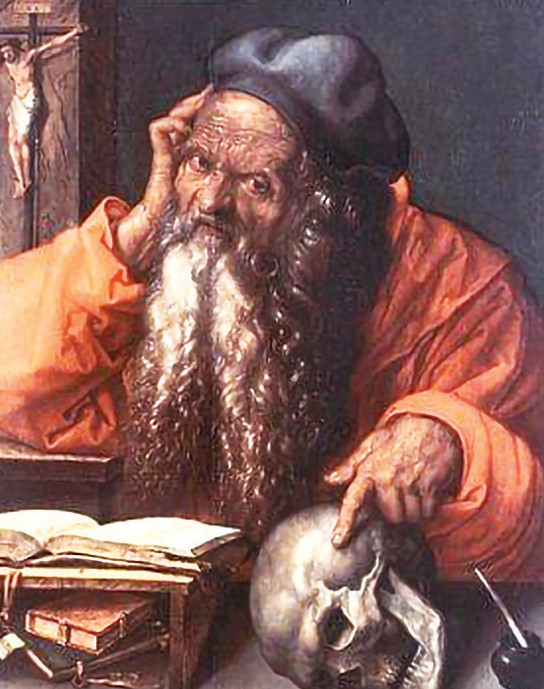
He finally perished in 254 and his resting place was located in Tyre in Phoenicia until the Middle Ages. His interpretations of the Bible are at the heart of his work. Origen believed in the pre-existence of souls, that is, that our presently visible world was and will be preceded and succeeded by other worlds, as creation is an eternal process. The pre-existent human souls of the previous worlds are spiritual beings who have fallen from God in the previous world and are now bound to the flesh. It is through the sins of the soul in the previous world that each receives varying degrees of God’s grace. One of his central teachings is that every human spirit is unique and has absolute freedom.
He held that, by their original design, beings created in the image of God are meant to reveal the infinite mystery of God in a unique manner. He perceived God as the ultimate unity and Jesus as the mediator who leads man to God. He saw Jesus as a being who received the Christ-being, the Saviour of our world. According to Origen’s teachings, it is this estrangement from God that eventually led to the physical creation, whereby souls are taught to return to a state of union with God. The purpose of the history of salvation is that all souls may be reunited with God. God and man cooperate with one another throughout this process and the trials that make life difficult for man always have an educational and never a punitive purpose.
In the patriarch’s view, the beings originating from God do not choose eternal denial – in the end, even Satan himself will be redeemed. Good is eternal while evil is temporal, therefore choosing evil is a possibility, yet only by souls who temporarily shun good from their consciousness. Today, Origen is considered one of the greatest early Christian theologians and patriarchs, yet the thinkers of the Church have varying views on his activities. Because of his views, he was condemned by a synod in his time, and his teachings caused great controversy within the Church. His main work is The First Principles (De Principiis), which was the first systematic discussion of Christian theology.
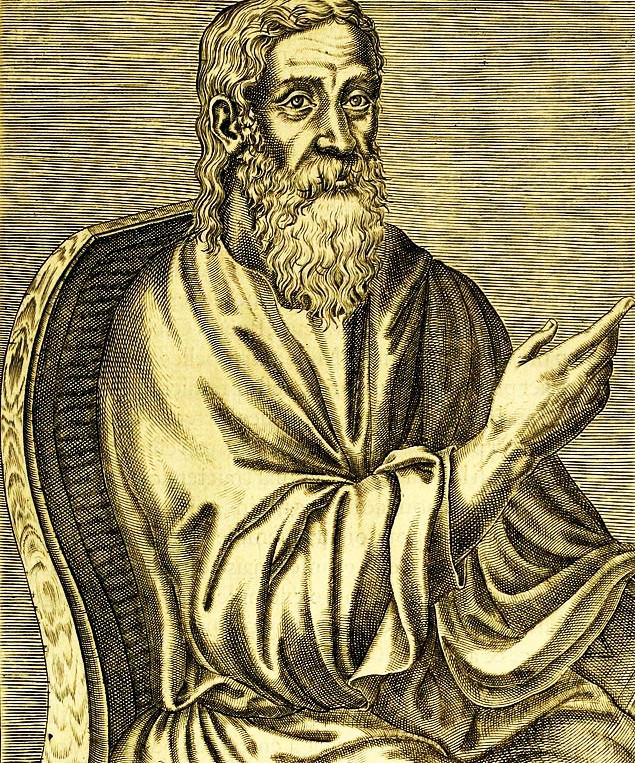
“We should lay our heads on the bosom of Jesus. We must have Mary as our mother. We should be a second John!”
“The sufferings of Christ shall last until the end of eternity, and thus he will redeem by his sufferings all the beings of all religions of the universe.”
“Prayer is the Logos that connects the creature and the Creator.”
“The soul has neither beginning nor end. [They] come into this world strengthened by the victories or weakened by the defeats of their previous lives; these decide whether they are to be honoured or despised. Their place in the world is determined by their work in the world that follows.”