Paramahansa Yogananda
1893–1952, India
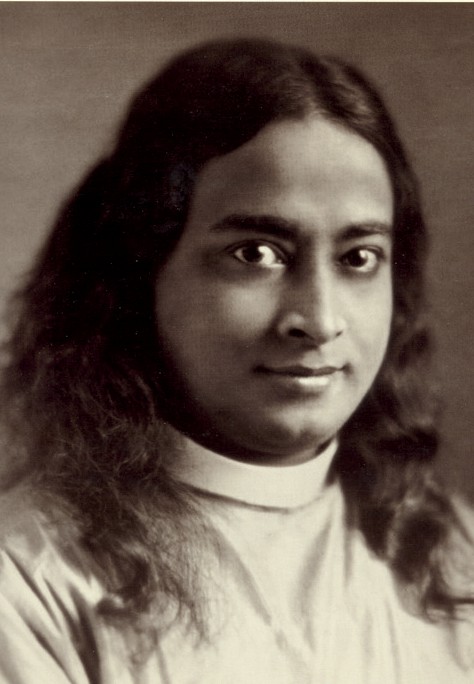
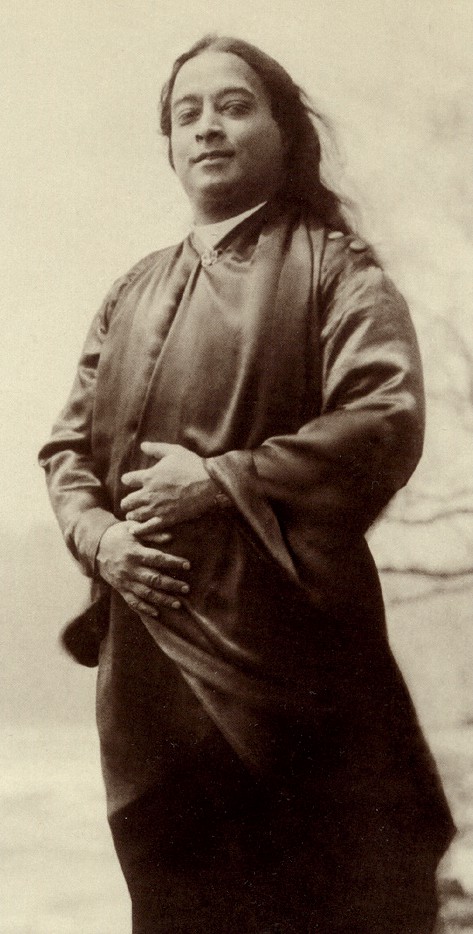
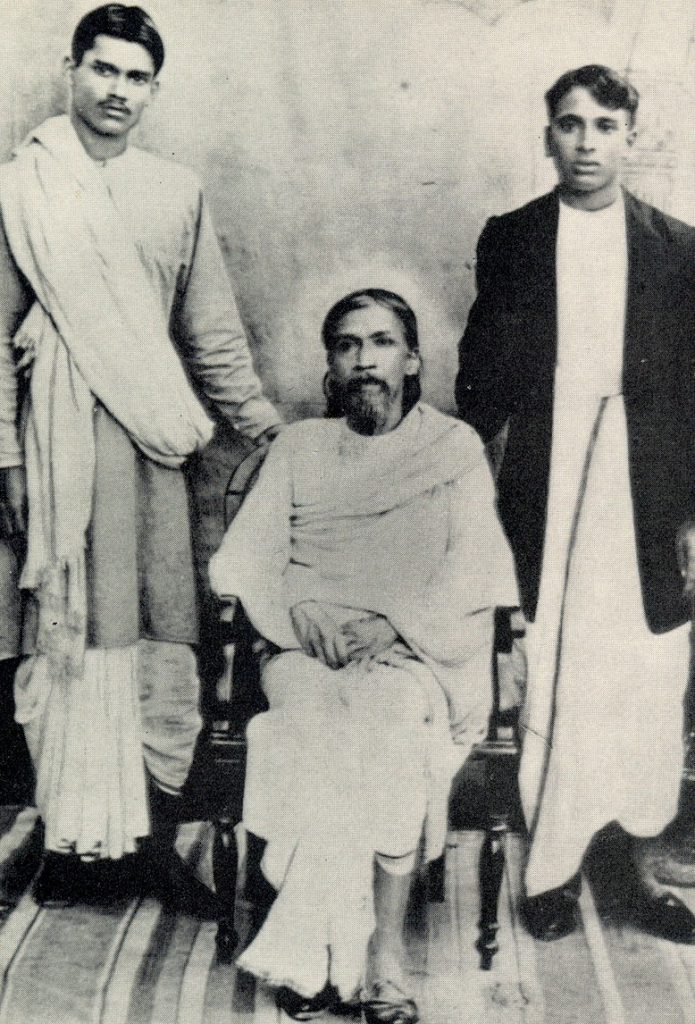
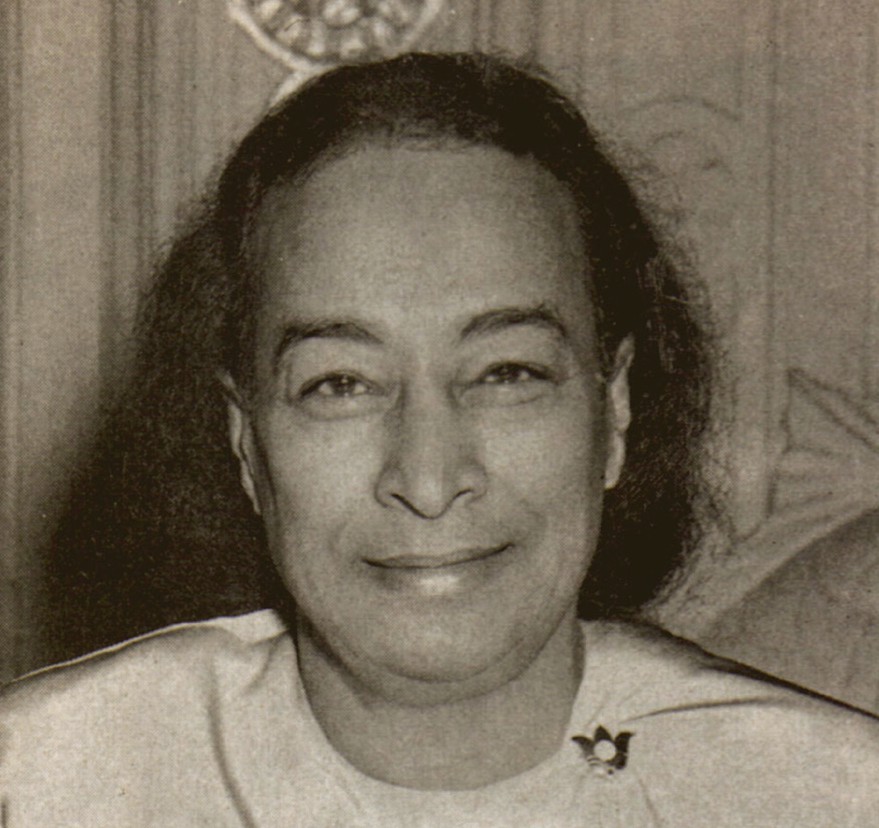
Mukunda Lal Ghosh, commonly known as Paramahansa Yogananda was the disseminator of Kriya Yoga, a saint who played a major role in closing the gap between East and West. He was born in the city of Gorakphur, India as the fourth child of a well-to-do Bengal family on the 5th of January, 1893. Yogananda one of the gurus in a chain of disciples originating from Christ – Christ, Babaji, Lahiri Mahasaya, Yukteswar Giri, Yogananda. According to various passages, he was born amongst miraculous circumstances: his mother was supposedly in such great pain during labor that she cried out the name of her guru, flooding the room in heavenly light and outlining the shape of Lahiri Mahasaya, dissipating the woman’s pain at once. Yogananda showed interest in spiritual matters at a rather early age, and he was also a willful, tenacious child devoted to God. He quickly learned to keep his feelings in check: the last time he succumbed to rage was at nine years of age. His life was a series of miracles, most of which he enumerated in his book entitled Autobiography of a Yogi. This book, which contains an account of the guru’s life from Yogananda’s birth to 1945, is one of the most well-known spiritual works of all time, which includes countless peculiar tales of the contemporary Indian gurus, as well as the road to self-realization. This book was responsible for leading a number of people to religion.
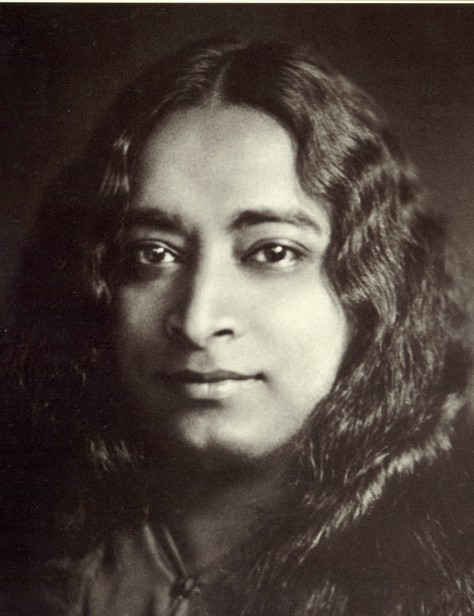
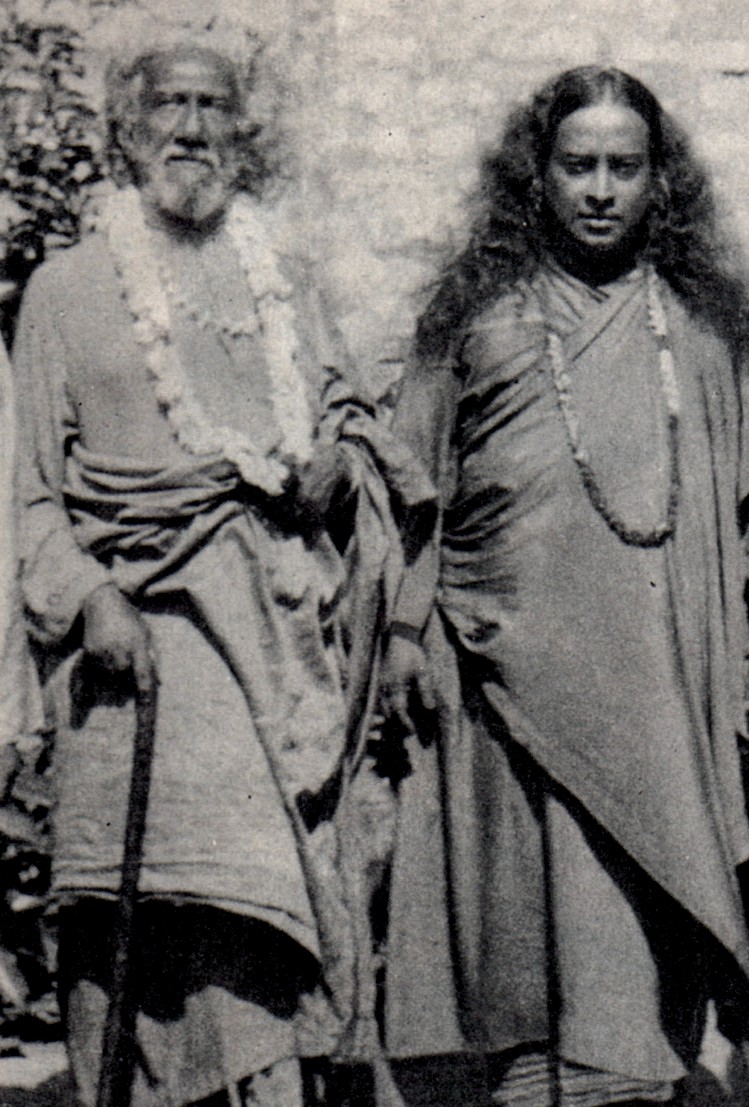
Yogananda embarked on a lengthy journey from 12 years of age and visited a number of famous Indian saints. He met his guru, Sri Yukteswar Giri – a young man resembling Christ, whom he saw in countless visions – at 17 years of age, in the midst of a crowded city. His legs grew heavy when he walked away from his guru and it seemed like they didn’t want to obey his will, yet the light spring in his step returned as soon as he turned back. His guru entrusted him with the task of spreading the Indian teachings throughout the western world. Sri Yukteswar Giri put his disciple through serious spiritual training, and he even had to complete his university studies in order to fulfill his mission. Yogananda’s spiritual abilities surfaced while he was with his guru and after seven years of work, he became a seasoned teacher himself: he developed the virtues of unconditional love and wisdom. The title bestowed upon him from his guru – Paramahansa – references to these abilities, since it means “the supreme swan”. His master also ordained him to the Giri branch of the Swami order. He began his activity in Ranchi, where he founded the Yogoda Satsanga Society of India, which grew into a liberal educational establishment and a center for healing.
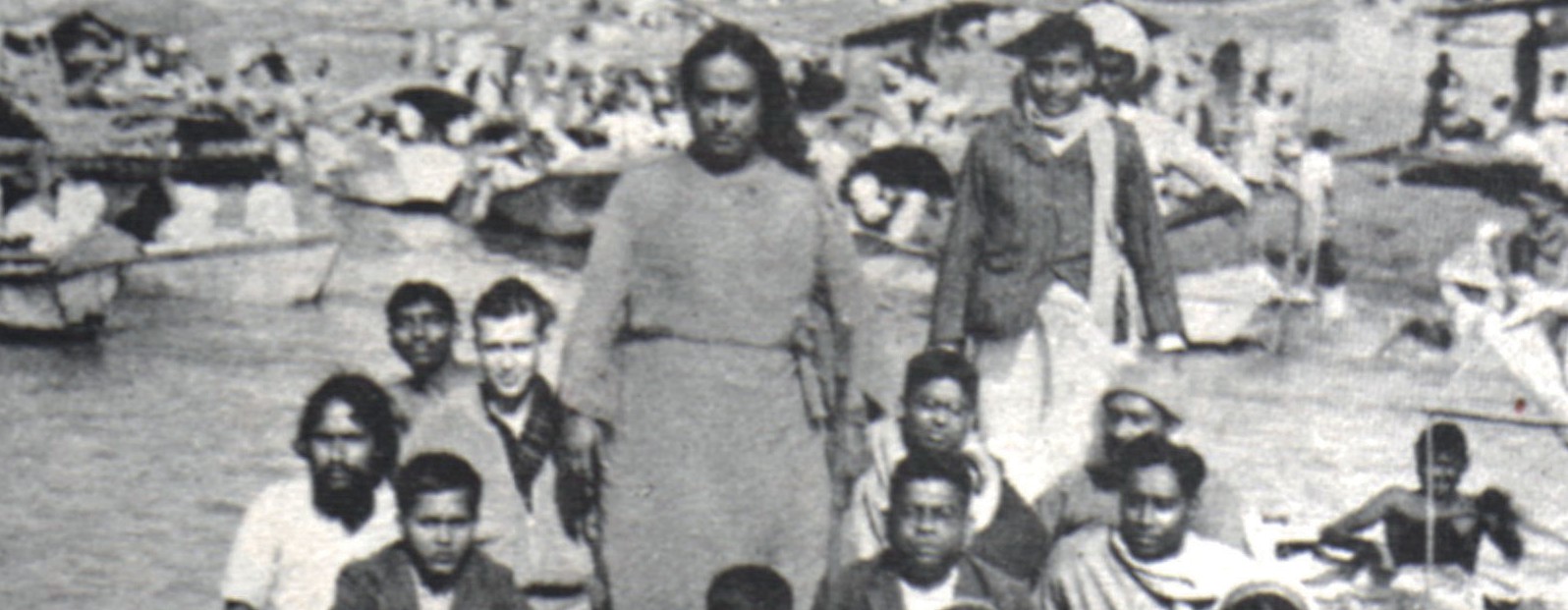
In order to fulfill his mission he went to the United States of America in 1920, where he represented India at the International Conference of Religious Leaders in Boston, before establishing the Self Realization Fellowship community in Los Angeles, which took upon itself the cause of Kriya Yoga, established by Babaji. This branch of Yoga revived a great body of ancient knowledge for modern mankind in a renewed form. Yogananda later returned to India in 1935. In the midst of a one and half year-long European and Indian pilgrimage he was finally reunited with his master, whom he hadn’t seen for fifteen years. Since there was little time at their disposal, Yukteswar Giri could only convey some of his teachings to Yogananda after his death, in a higher, incorruptible body. Yogananda devoted the final period of his life to the work of the institutions he established, spreading Kriya Yoga as well as teaching his disciples. He wrote over 40 books and delivered countless lectures and through various peace conferences and his works he strove to close the gap between East and West and to bring a peace between religions. He died in the USA on the 7th of March, 1952 while fully retaining his consciousness. According to the medical records, his body showed no signs of decay after his death, which is typical in the case of saints. The organizations he established remain active to this very day, continuing their blessed activity in the world.
“The greatest sin is to call yourself a sinner. This thought opens up a way to sin in your minds… The greatest sin of all is spiritual ignorance. This is the hotbed of all other sins… If you wish for God to lead you on your path, do not waste your time on pointless chatter. Silence is the soul’s altar… No one in the world can cheer you up if you wish to grieve. However, if you wish to remain joyful, no one can take away your merriness.”
(excerpt from Yogananda’s sayings included in the anthology entitled Ocean of the World Spirit)
“Always remember that as God’s double, your spirits are perfect. Gold remains gold even under the stains of millenia.” (excerpt from Yogananda’s work entitled The Essence of Self-Realization)
“Heavenly Father, teach me to search for the enduring blessedness of the soul and not fleeting earthly joys. Fortify my will to abandon my foul habits and to shape my- self through immersion and the influence of spiritual-minded companions. Grant me wisdom to cheerfully walk the road of decency. Let me develop the soul’s ability of distinction, which recognizes evil even in its most treacherous shape, and leads me on the humble path of good. I mustn’t allow my life to be led by the constraints of old, hardened habits, but rather the God-given force of my free will.”
(excerpt from the anthology entitled Kriya Yoga)