Plato
428 – 347 B.C., Current-day Greece
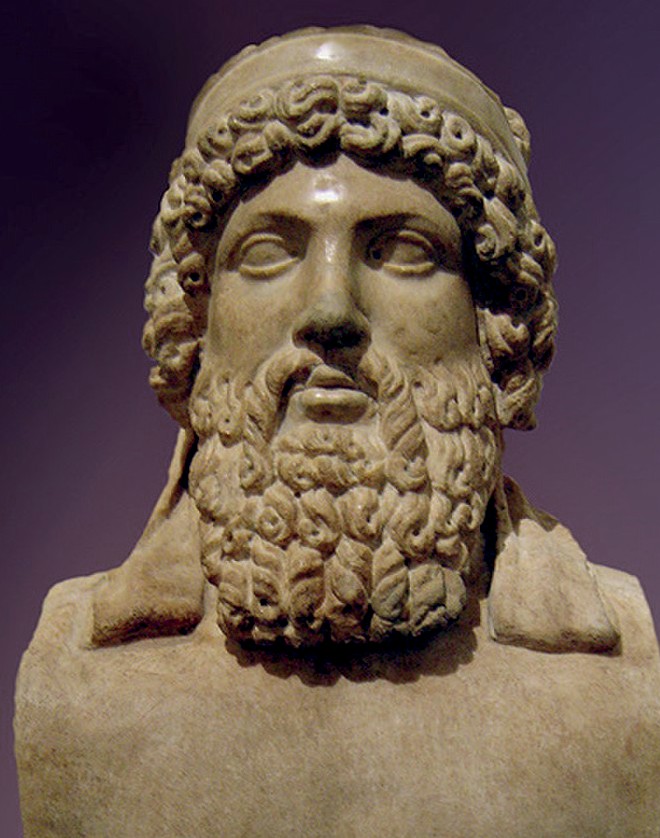
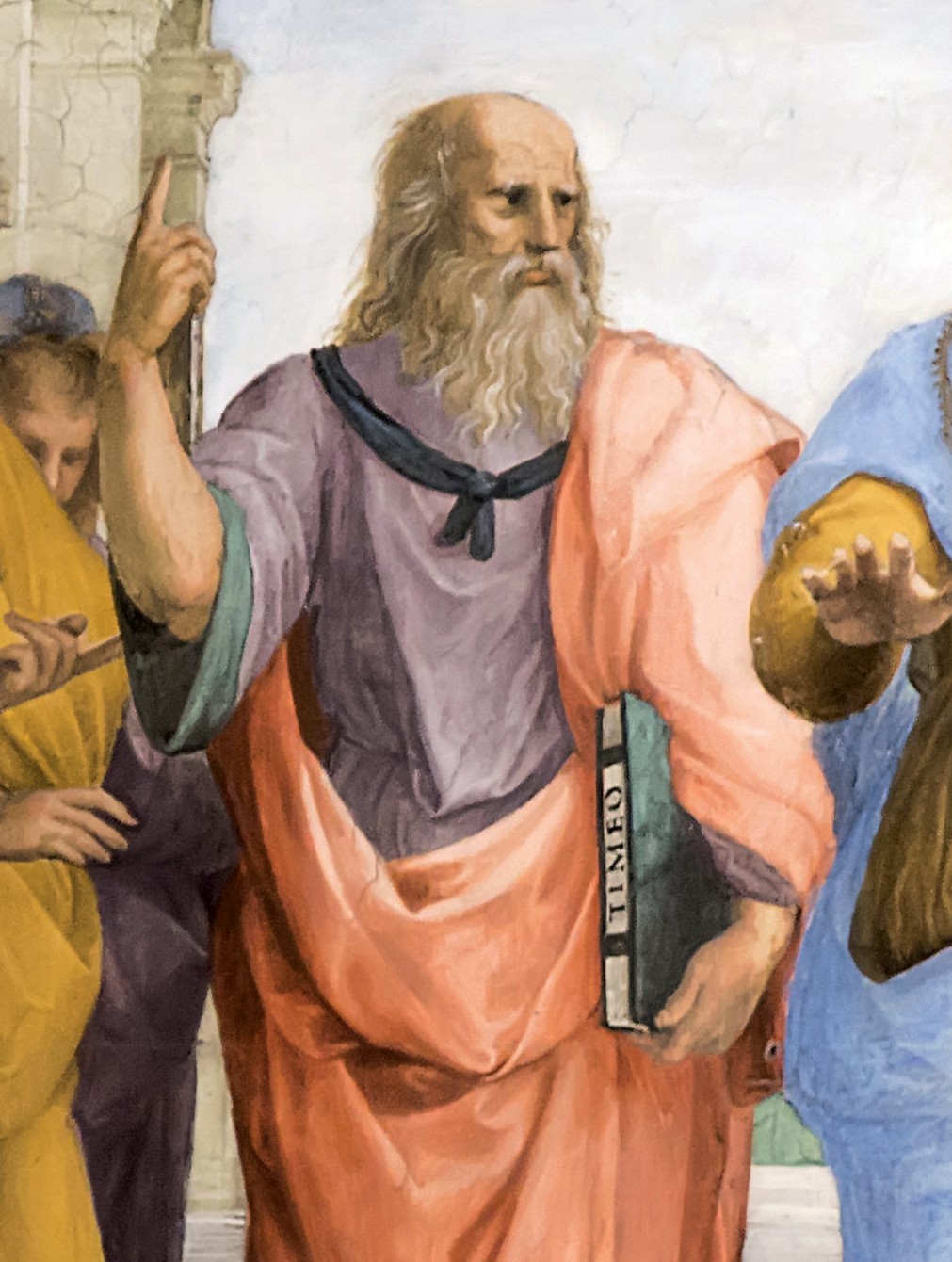
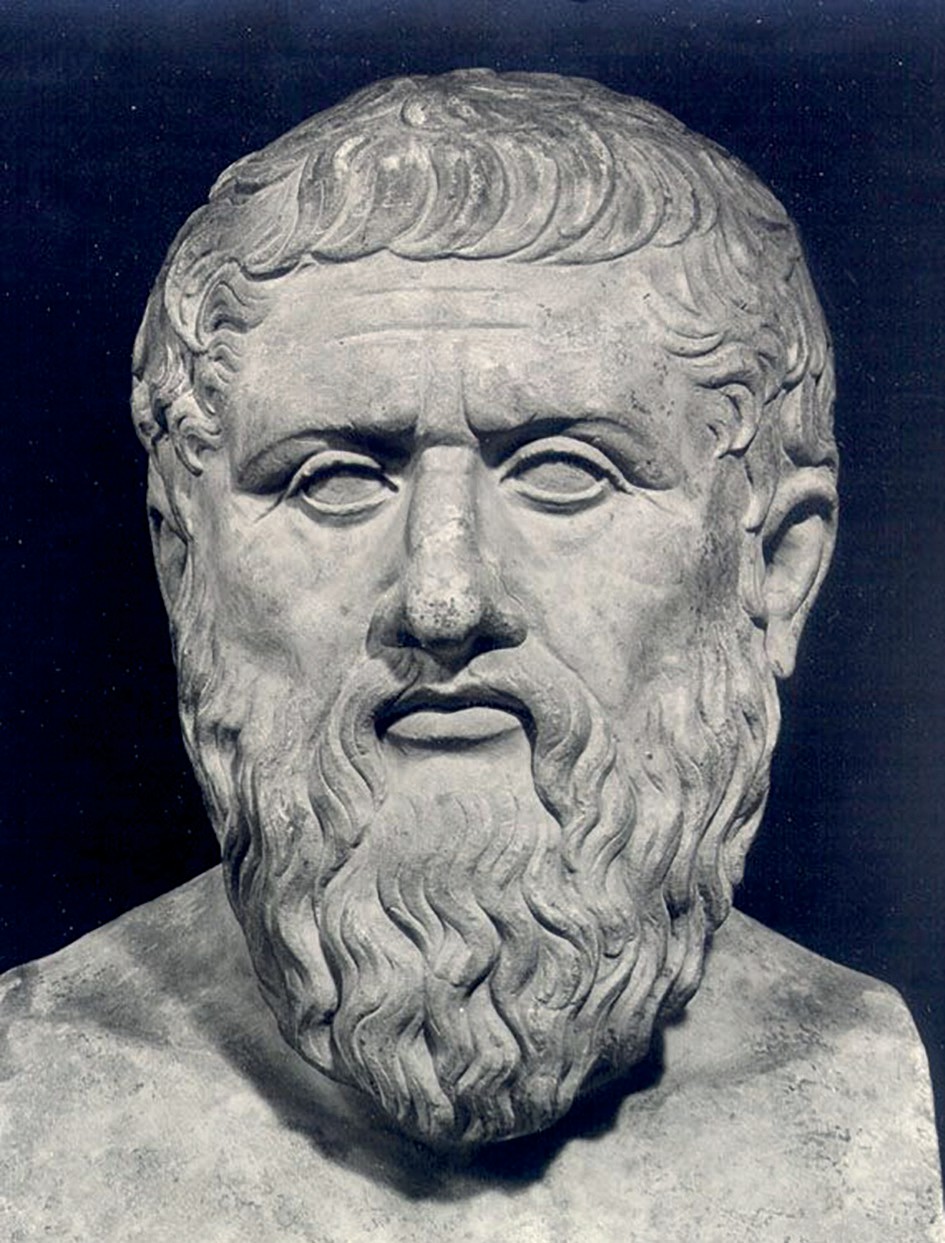
Plato was the great initiate of western philosophy and the synthesist of mystery wisdom. He was born Aristocles in 428 B.C. on the day of the birth of Apollo, the Sun-God in Athens in a highly distinguished, aristocratic family. Many historians regard Plato and Aristotle as the two greatest figures of western philosophy. Two defining schools of philosophy are based on his work, the first of which is the School of Plato which is open to spirituality and irrational teachings, whilst the second is the School of Aristotle, which placed great emphasis on earthly intellect. His thoughts shaped the entirety of modern culture. Plato’s family boasted of a number of politicians and high-ranking statesmen and thus he wished to continue the family tradition, yet he was deeply disappointed in this calling and he turned his back on politics. However, his social sensitivity – which can be witnessed in his works – remained. His first teacher was Cratylus, who became known as Heraclitus’ disciple. Plato’s other famous master was Socrates – his first encounter with him came as a shock. According to the descriptions, when he spotted Socrates at 20 years of age, he knew he would be his spiritual leader and he began following him at once. He witnessed the defining events of the last eight years of Socrates’ life – with the exception of Socrates’ death. His master even appeared as an imaginary figure in his later works. After Socrates was sentenced to drink a cup of poison, Plato fled to Megara with a number of other disciples. He then traveled for years and continued training himself and received a number of initiations. He often returned to Sicily – supposedly, he once angered the ruler of Syracuse so deeply that he was sold as a slave, yet fortunately he was recognized by one of his disciples, who bought his freedom in time.
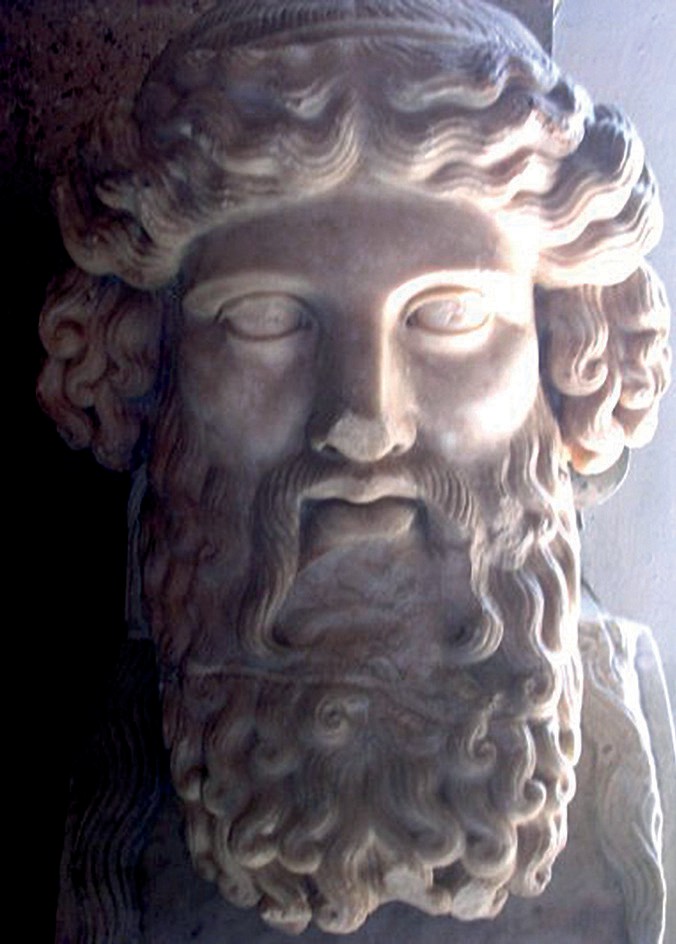
Only after all of this did he start publicly teaching, later establishing his school, the Academy in the grove of Academos, which is considered to be historically one of the most significant cultural events of the entire antiquity. A number of Plato’s disciples participated in the education conducted in nature, conducted in the form of discussions while walking. He set such a high level of quality and consideration to his teachings that his approach is still considered to be a lofty goal for a number of higher educational institutions. Plato, as one of the great initiates of his age, recorded his teachings in many volumes of writings, mainly in the form of discourses. One of his main works, The Republic, revolves around the essential issues of social life. His tenets are based on the “theory of ideas”, the world of ideas and archetypes.
Plato attempted to summarize the knowledge of the age and the wisdom of the mysteries in his discourses, whilst adding a number of new teachings of his own. He introduced the so-called dualist view of metaphysics to philosophy: he attempted to point out through the duality of soul and body that the goal of mankind is to liberate the soul from the bonds of the body. He died at 81 years of age and was buried in the grove of Academos – still, the Academy survived for another 900 years. His disciples are the so-called Platonites, of which the greatest thinker was Aristotle, who established his own school of thought. According to some, there wasn’t much love lost between the two masters, even though there is much evidence to the contrary. A number of historians claim that the two of them were friends and Aristotle established his new school of philosophy at Plato’s request and with his master’s blessing.
“And in the center he put the soul, which he diffused throughout the body, mak- ing it also to be the exterior environment of it.”
“The Soul is older than body. Souls are continu- ously born over again into this life. And the soul of the true philosopher thinks that she ought not to resist this deliverance, and therefore abstains from pleasures and desires and pains and fears, as far as she is able… If it has the same disposition and desires the same matters as the body, it can never purely journey to Hades, but is rather tainted and soon departs to another body, thus avoiding that which is unchanging, pure and noble.”
“Know that if you become worse you shall go to the worse souls, or if better to the better, and in every succession of life and death you will do and suffer what like may fitly suffer at the hands of like.”