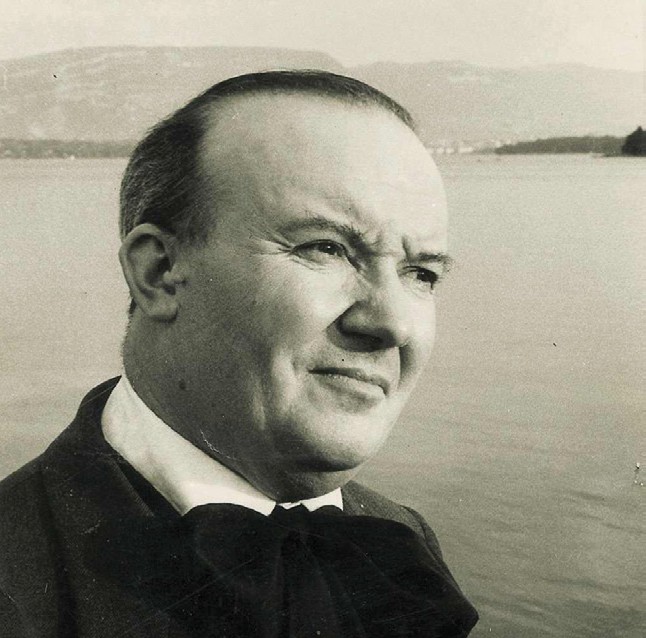
Raoul Follereau
1903–1977, France
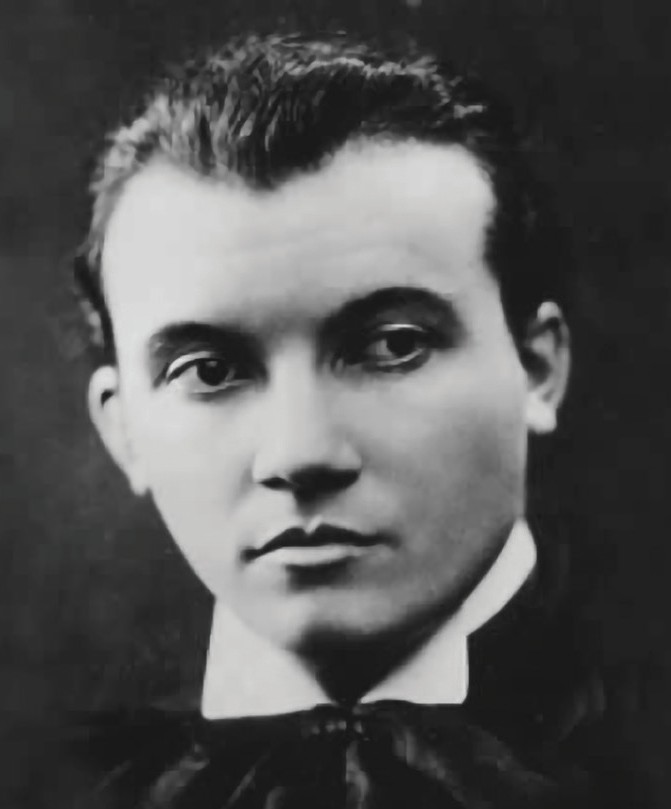
Raoul Follereau, “the Advocate of lepers,” who became known throughout the world as the founder of the worldwide movement against leprosy and an activist in the fight against poverty, was born in Nevers, France, on 17 August 1903, into a Catholic family of three children. When he lost his father at the age of 13, his mother sent him to a vocational school, which didn’t please the child at all, due to his sensitivities as a poet, philosopher and gifted performer. As soon as he had the chance, he took a job and passed his school-leaving exams by studying at night.
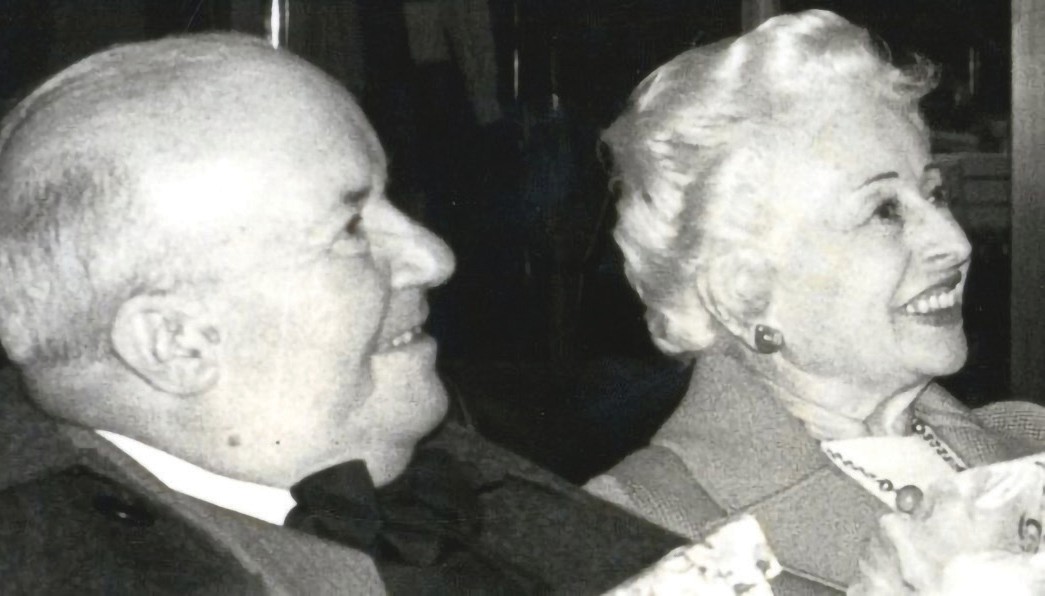
He gave a speech at a conference to help those injured in the war, which he titled “The Love of God”. In it, he outlined his guiding principle: “To live is to help others to live.” This was where he met his future wife and colleague, Madeleine. The talented young man soon graduated with honours from the Sorbonne with a law and philosophy degree, after which he worked as a lawyer before opting for a degree in journalism. In 1925, he married Madeleine, with whom he decided to set up a worldwide chain of brotherly love and embarked on a world tour to revive Christian culture. They travelled for over two million kilometres across the globe.
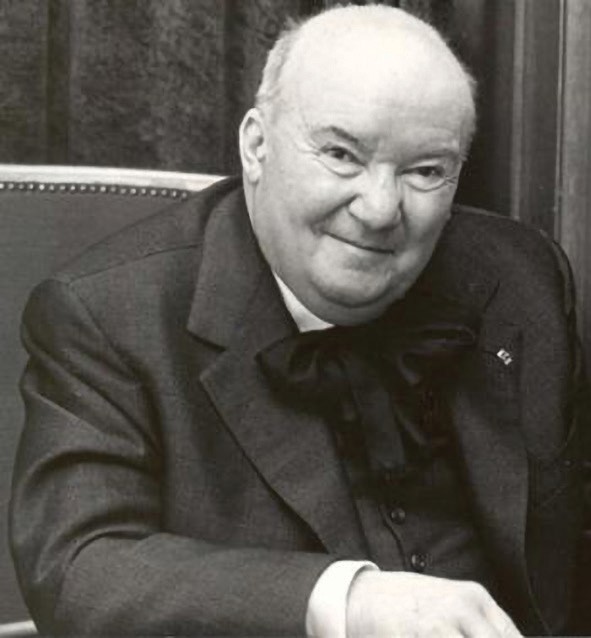
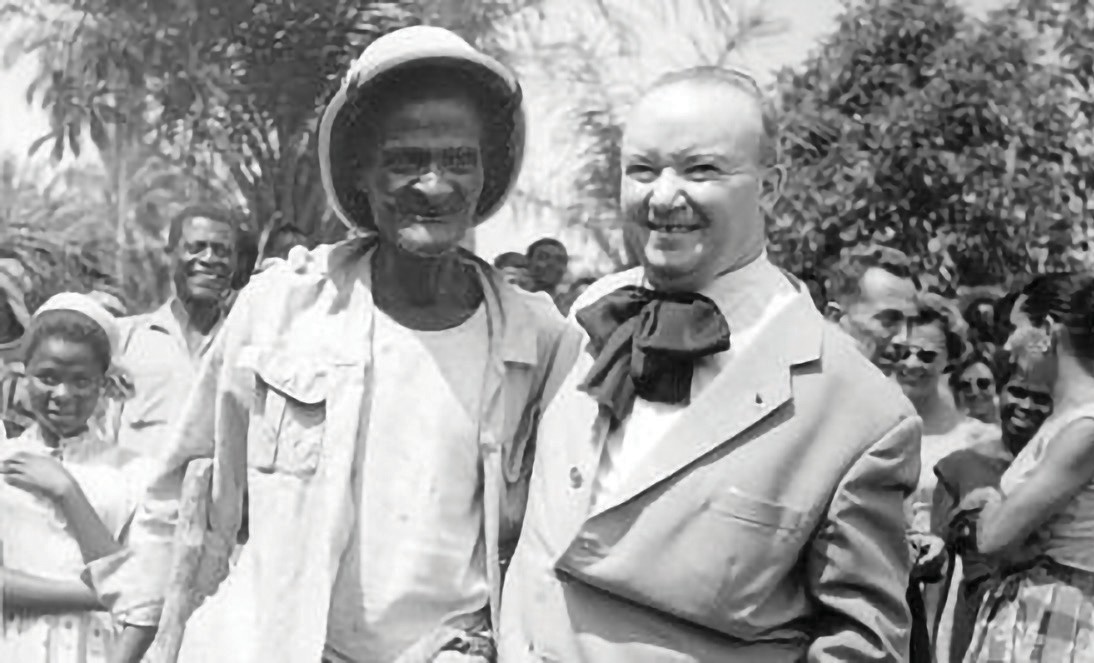
As a gifted orator and organiser, Follereau launched a number of schemes and founded the League of Latin Union. In honour of the Saharan hermit Charles de Foucauld, who was revered as a role model, together with his wife he established a foundation and built several chapels throughout the Sahara. Follereau had a life-changing experience when he met a group of frightened and starving lepers, displaced in a swampy region in Adzope on the Ivory Coast. “I devote myself, my whole life, my strength and my freedom to defending the millions of people who have been made lepers through our ignorance, selfishness and arrogance.” During World War II, he was forced into hiding as he was blacklisted by the Gestapo for an article in which he described Hitler as one of the faces of the Antichrist.
In 1942, he launched the ‘Hour for the Poor’ initiative with his wife, during which many pledged to give at least one hour of their income a year to help their brothers and sisters in poverty. In a letter addressed to President Roosevelt, he suggested that the amount of per diem war should be devoted to common goals and used directly to ‘dress the bleeding wounds’ of the world. Thanks to his “Father Foucauld Christmas” initiative, he mobilised people across the country to ensure that no one was left alone on Christmas Eve.
After World War II, he founded the Order of Charity, which later continued its activities under the Raoul Follereau Foundation. Thanks to these donations, they gave the afflicted in Adzope a chance to receive proper medical care and live a dignified life after centuries of isolation and despise. Follereau published articles and books, gave lectures and addressed heads of state for the cause of lepers and the poor. In September 1954, his open letter to the US president and the Soviet leadership, requesting two bomber jets worth five billion francs each, was published in the press – according to his calculations, the price of two bombers would be enough to help treat all the lepers in the world. His letter was left unanswered. Still, in 1964, more than three million young people joined his address given to the members of the United Nations to spend the cost of a single day of war on establishing peace.
His initiative led to the establishment of World Leprosy Day in 1954, a reminder for people not to turn a blind eye to the suffering of the vulnerable. Together with his wife, they raised billions of francs of donations, which have cured more than two million lepers. Raoul Follerau died in Paris on 6 December 1977. In addition to his remarkable life, Follereau left behind 44 works, including poetry, novels, plays and travelogues. The work he began is still being carried out by more than twenty organisations around the world. The canonization process of Raoul and Madeleine Follereau began in 2013.
“The world is hungry for grain and tenderness.”
“To do good! Let this be the highest moral law of existence.”
“To live is to help others to live.”
“Humanity can only be saved with love. The worst thing that can happen to you is to be of no use to anyone, for your life to be purposeless.”
(excerpt from the final will of Raoul Follereau – his final appeal to the youth on his deathbed)
“In every man’s heart there are great reserves of love: it’s up to you to make him draw on them. The only truth is to love one another.”
“To love is to live. To betray love is to die. The only way to ensure happiness is to think only of others. To live is to help others to live.”
“Millions of people are starving in the world. Starving for bread and dreams.”