Rudolf Steiner
1861-1925, the area of the former Austro-Hungarian Monarchy
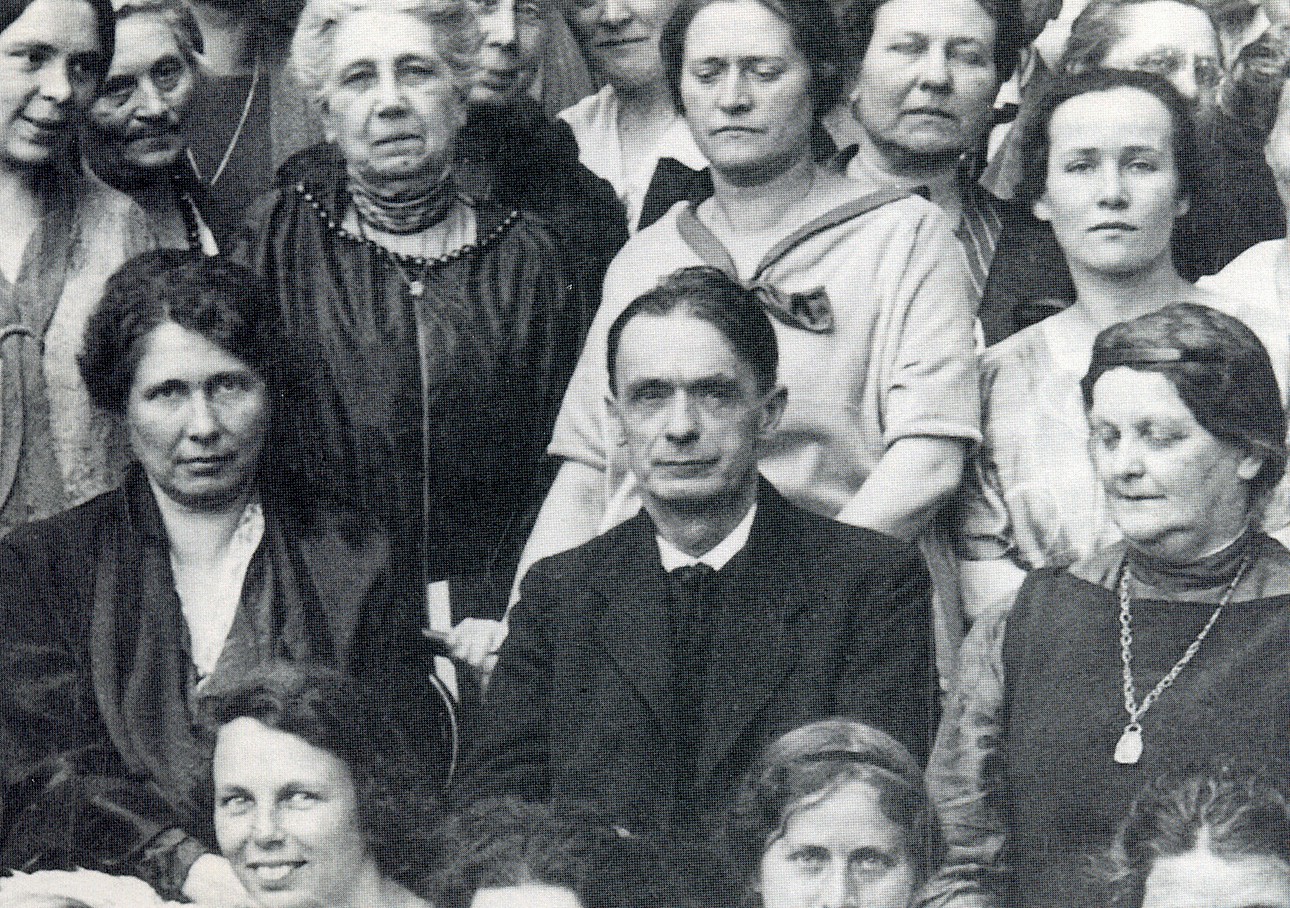
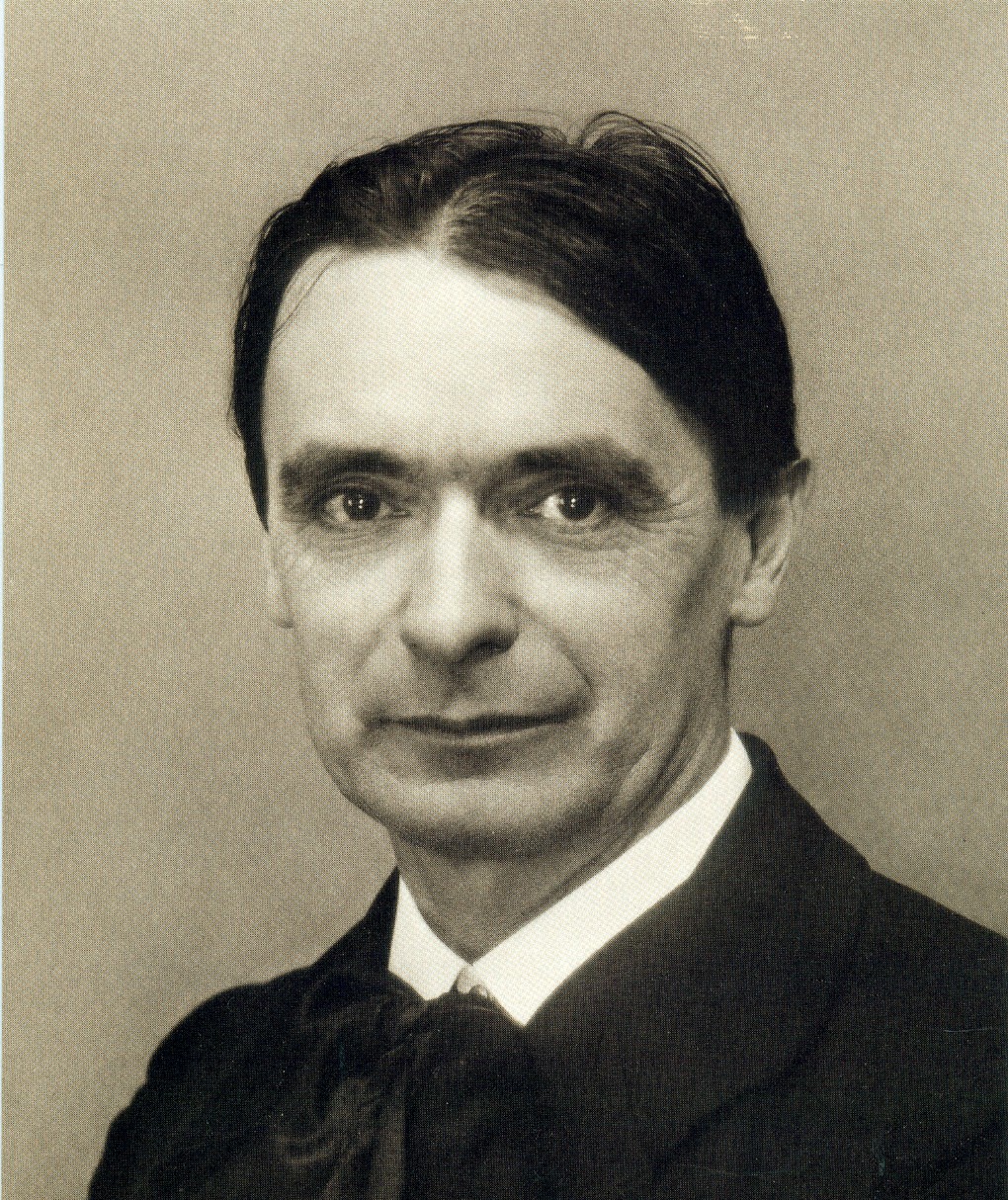
Rudolf Steiner, polymath teacher and the founder of Anthroposophy, was born on the 27th of February, 1861 in Kraljevec, in the area of the current-day Croatia. His life-work which encompasses practically all fields of human culture is unprecedented in both content and scope, since it covers over three hundred volumes. From the year 1900, he gave approximately 6000 lectures over a course of 25 years, while establishing countless institutions of public utility and initiating a number of movements to benefit the world. The “Doctor”, as his disciples called him, attended a technical university and then completed his doctorate in philosophy. He was a member of the Goethe–Schiller Archive for years before beginning his teaching years in vocational training schools of Berlin. He wrote his main work entitled the Philosophy of Freedom, of which he himself claimed to be his most enduring piece of writing, in 1894. The most important part of his oeuvre consists of the establishment of a Christ-related spiritual path known as Anthroposophy (antropo: man, sophia: wisdom). He was also the head secretary of the German branch of the Theosophical Society and he gave his first lectures within this organization, yet it became clear over the years that he represented an entirely new spiritual way that differs from theosophy and thus he left the movement. Yet even before he left, he established the Anthroposophical Society, which he treated as his own from the start, even though he only became its member and leader by Christmas of 1923.
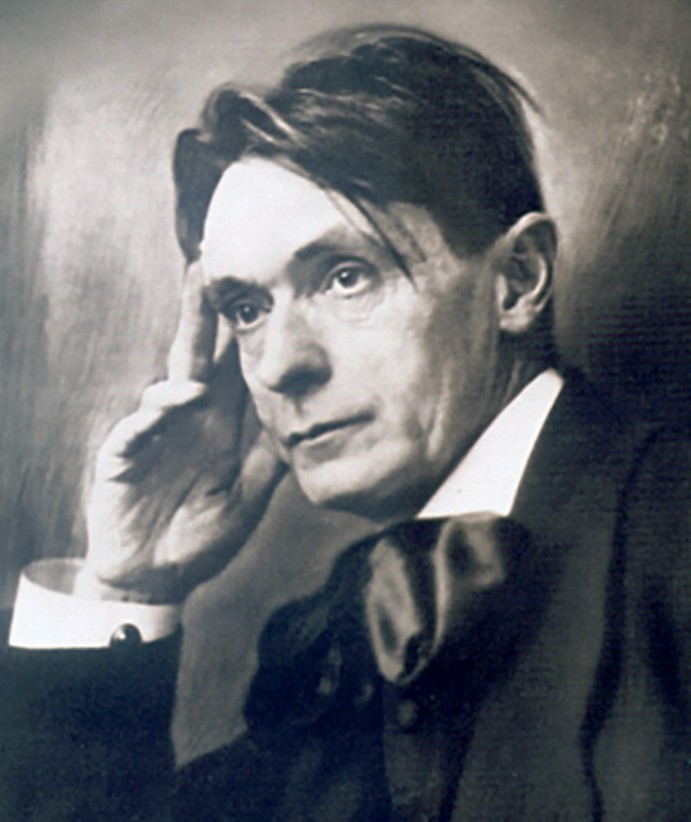
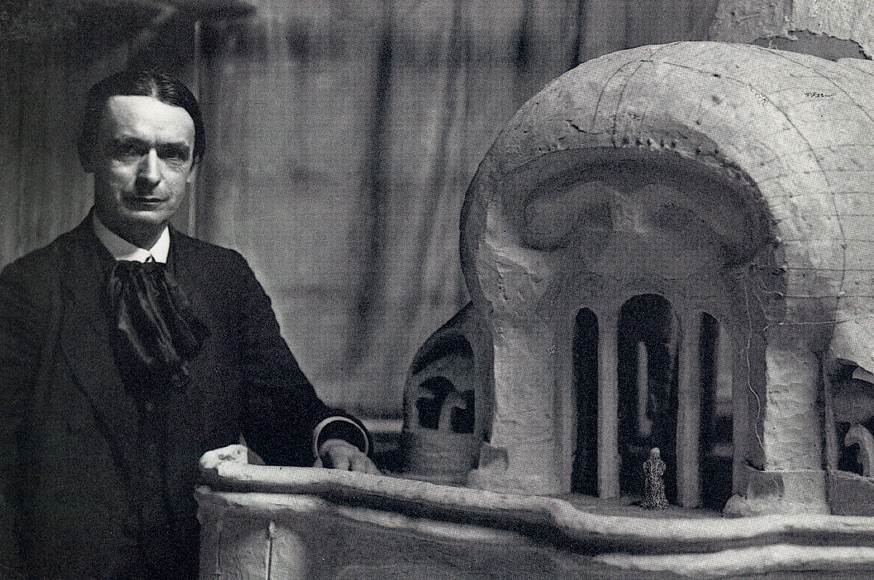
Steiner – who was skilled in the fields of mathematics, physics, chemistry, botany, zoology, literature, history, philosophy, architecture, sculpture, pedagogy and countless other fields – tirelessly organized his lecture tours and dealt with the work of his so-called “sister organizations”, for example the medical clinic of Arlesheim, the Sonnenhof child remedial education institution and the network of Independent Waldorf Schools. Rudolf Steiner also supervised the creation of the movement art known as Eurythmy as well as Bothmer gymnastics. He was the editor of a number of journals, he wrote four major mystery plays during his life, planned and built the unique architectural masterpiece, the wooden Goetheanum, as well as dealing with some of the most important social concerns of the world: for example, he wrote memorandums to the heads of state of Central Europe, outlining the most important reforms required after the First World War. The influence of his works is well-illustrated by the fact that his work entitled The Basic Issues of the Social Question was sold in over 80.000 copies under a single year and the Second Anthroposophical World Congress was attended by over two thousand delegates from various location in Europe. Steiner openly took on the leadership of the Anthroposophical Society at the “Weinachtstagung” (Christmas Conference) on the 25th of December, 1923, thus revitalizing the organization.
It is known from the recollections of countless disciples that the “Doctor” had a number of special abilities. The audience of his lectures felt they were capable of becoming elevated far above their own moral levels of consciousness. According to a number of sources, he was fully conscious towards both the earthly and other worlds of higher dimensions. Steiner established a timely Christ-centered path designed for the modern western man. His spiritual researches – which he conducted in a fully conscious state – led to the birth of spiritual science, a spiritual method allowing one to progress in wisdom and love and expand the human consciousness instead of dampening it, so man could cross over to the spiritual world. His disciples included his second wife, Marie Steiner as well as his co-worker, Ita Wegman. The Anthroposophical movement has become a worldwide organization by today. Steiner’s vast spiritual inheritance is contained in his Nachlassverwaltung. The “Doctor” died on the 30th of March, 1925 in Dornach, Switzerland, which is home to the Goetheanum.
“We do not lack Christ, but the knowledge of Christ.”
“He who lives in the spirit is free, since he is freed of lowly influences. Nothing constrains him, only what he will- ings takes on for recognizing its sublime nature.”
“…Thus man is citizen of three world: through his body he belongs to the world which he perceives through his body; through his soul he constructs for himself his own world; through his spirit a world reveals itself to him which is exalted above both the others…”
(excerpt from Rudolf Steiner’s work entitled An Introduction to the Supersensible Knowledge of the World and the Destination of Man)
“We must root out of the soul all fear and horror of that which is approaching mankind from the future… Human beings must make their own a calm composure in connection with all feelings and sensations directed toward the future, behold with absolute equanimity everything that may come, and think only that no matter what comes, it comes to us out of the wisdom-filled guidance of the world.”
(a compilation of Rudolf Steiner’s advice)