Sai Baba of Shirdi
1840–1918, India
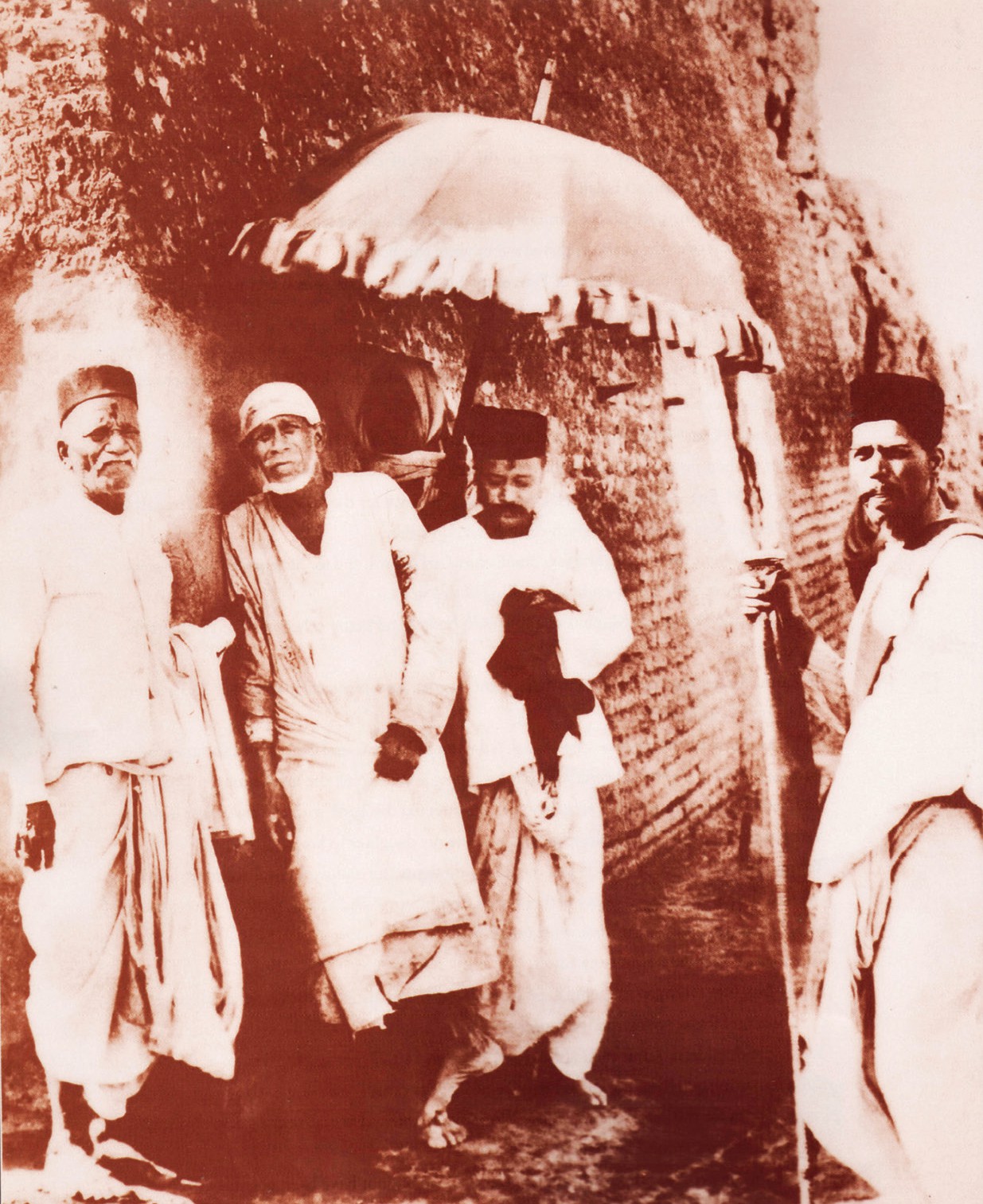
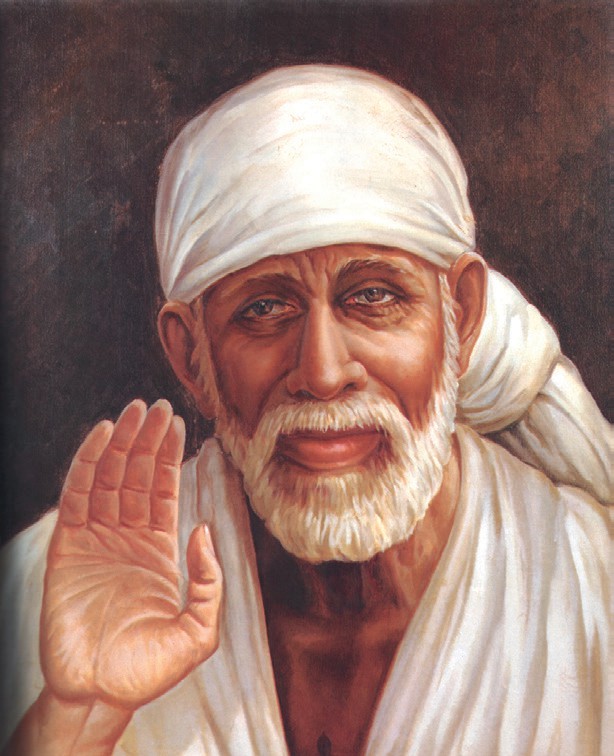
Sai Baba of Shirdi, also known as Sri Sai Nath was one of the great saints of India around the turn of the century. He was born in the mid-19th century in the Northern Indian state of Nizam Hyderabad, in the village of Patri. Sai Baba was regarded by many as a divine avatar, an earthly manifestation of God, who is born on three occasions, in a predetermined rhythm, in order to serve humanity. A 5600 year-old prophecy from the Upanishads precisely describes the connection between these three lives: the first incarnation is attached to the village of Shirdi near Bombay; the second concerns Sathya Sai Baba, who was born 8 years after the death of Sai Baba of Shirdi and who is still currently active; the third incarnation will be fulfilled next to Mysore in the form of Prema Sai Baba, who will be born eight years after the death of Sathya Sai Baba. Sai Baba of Shirdi’s parents were Hindu Brahmans, however, their son was entrusted early on to the care of a Sufi teacher. Following a few years of education, Sai Baba’s teacher suddenly passed away and the boy ended up in Selu, where he was taken in by the famous statesman, Gopal Rao. His new patron was a rather educated, rich and religious man, who was regarded by many as a saint, and who raised and educated Sai Baba for years. Following the death of Gopal Rao, Sai Baba traveled west until he reached his previous home, the village of Shirdi near Bombay, where he began his activity.
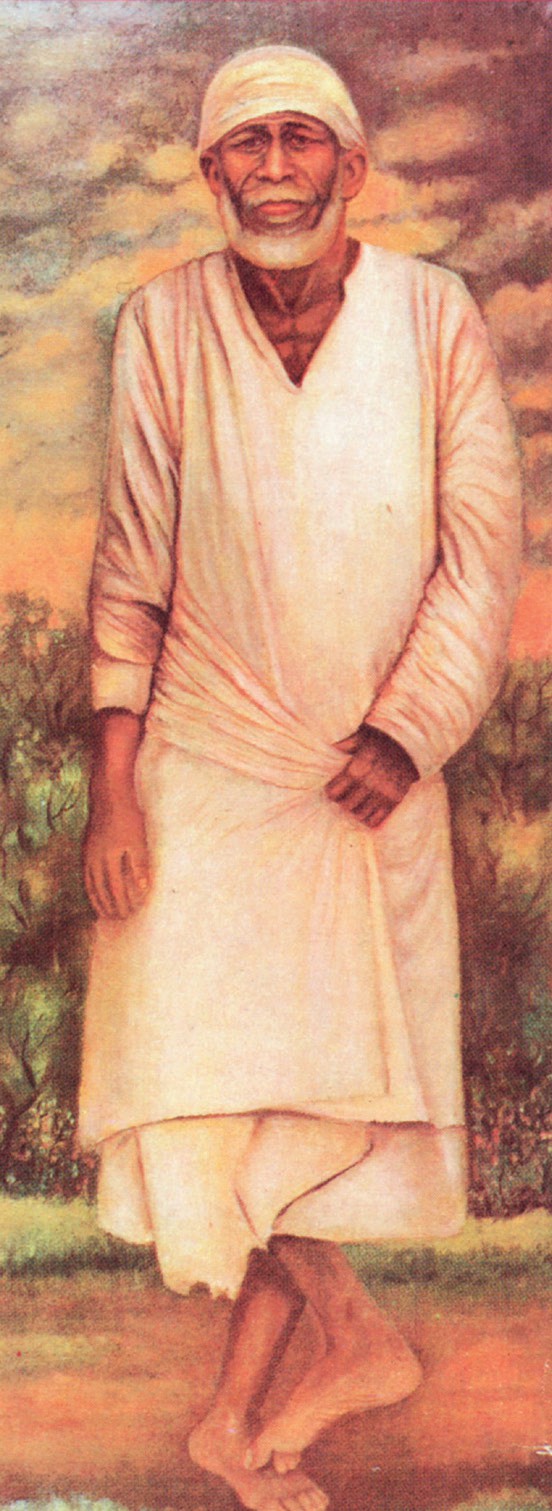
At first, he was chased out of the village’s temple and was forced to stay under a tree before residing in a Muslim mosque (temple). After his first miracle, when he turned water into oil, the village’s inhabitants gradually became his followers. His sanctuary was lit by oil lamps day and night. He used the ashes of these fires for his miraculous cures. According to the descriptions, he possessed all of the Siddhi (special powers) of the Patanjali. He often proved to his followers that he is aware of their thoughts, words and actions even when they are physically hundreds of miles away from him. If necessary, he appeared at several locations at the same time in his own form or by assuming some other shape. He was capable of chasing away evil spirits, curing seemingly incurable diseases and helping infertile women bear children. He performed an endless procession of miracles. Despite the provincial Indian newscasts, his fame became so widespread by 1910 that Shirdi was flooded by masses of people. The people in his presence always felt a sense of spiritual elevation and harmony. Despite his great popularity, he preserved his modest and humble life, full of renunciation. His most important objective was to fulfill his mission. He claimed to have been born in order to help change the fate of humanity and to spread equanimity, love, morality, peace and non-violence throughout the world.
Sai Baba urged his followers to perform some service for the benefit of society, which he regarded to be more important than any special ability or miracle. Sai Baba of Shirdi died in 1918, in his village of Shirdi. His grave lies in the mosque where he lived for 40 years and where the oil lanterns are still burning to this very day. His funeral was attended by Muslim, Hindu and Parsi faithful alike.
“If you are wealthy, be humble. Plants bend when they bear fruit.”
“Beware these six evils: anger, greed, lust, fallacy, pride and jealousy. These are what must be overcome in order for man to attain divine bliss.”
“See the divine in the human being.”
“Give your full devotion to the highest Lord! Do not allow your heart to succumb to pride! Read the tales of the lives of holy men and keep your mind pure! Respect the knowledgeable and your parents!”
(Sai Baba of Shirdi on the golden rules of life)