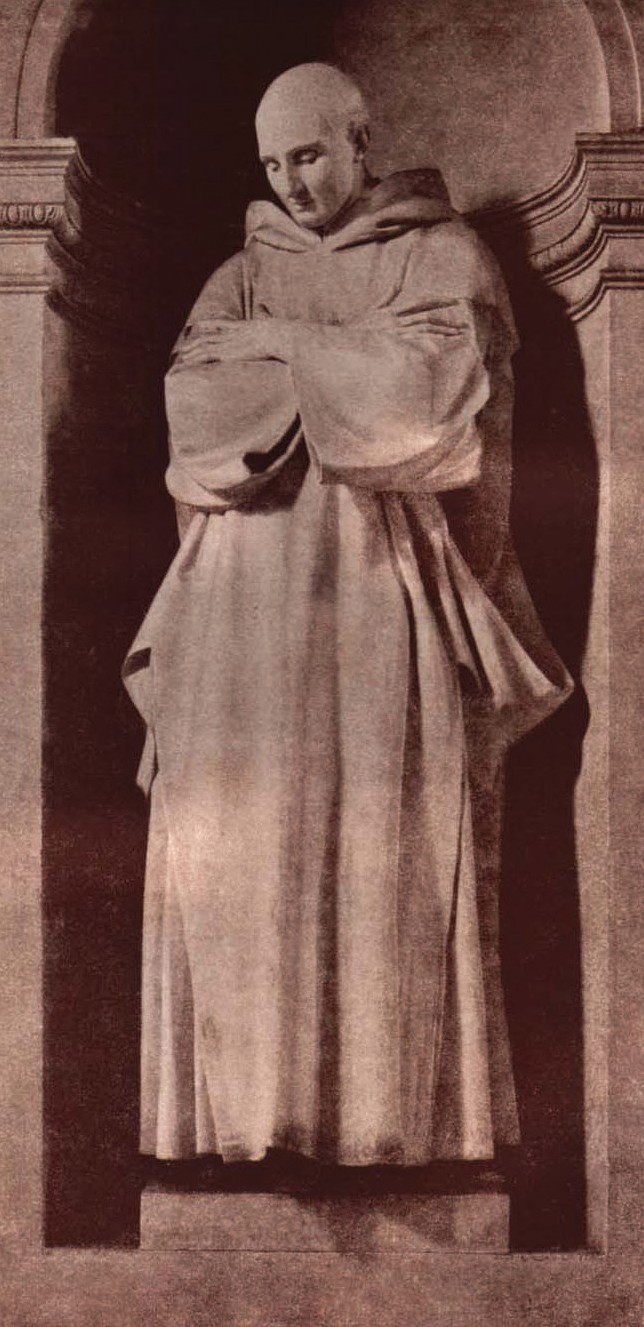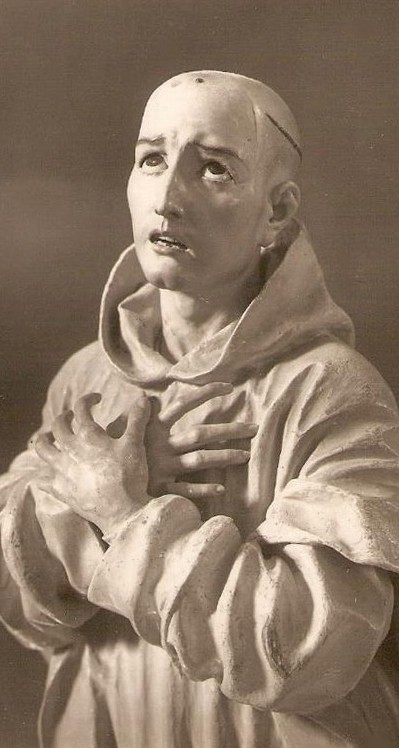
Saint Bruno of Cologne
around 1030 – 1101, current-day Germany
Saint Bruno, the founder of the Carthusian order, responsible for establishing organized communities of hermits, was born around the year 1030 in a noble family in Cologne, in the area of the current-day Germany. Initially, he had a promising scientific career and worked for over 20 years as a tutor in Reims. His disciples, who included the future Pope Urban II, truly adored him. Once he comprehended the conceits of worldly life, however, he became sickened of his life and with a number of his fellow companions he vowed to follow Christ’s example into poverty. He was later offered the position of bishop, which he was unable to accept and traveled to Molesme instead and joined a Benedictine convent. However, the life at the monastery was a huge disappointment for him, since he longed for a kind of “immaculate existence” and for the monks to renounce all and carry on the traditions of the great saint hermits. In the end, with the assistance of the Bishop of Grenoble he departed to the wild and dangerous French Alps to create a retreat with a few of his companions. Amongst countless hardships he finally established the first Carthusian retreat, which served as an example for all their future establishments. The Chartreuse charter house was an important achievement for Christianity, since thanks to Saint Bruno they could fulfill the dream of monks longing for an entirely puritan existence within the yoke of the Church.
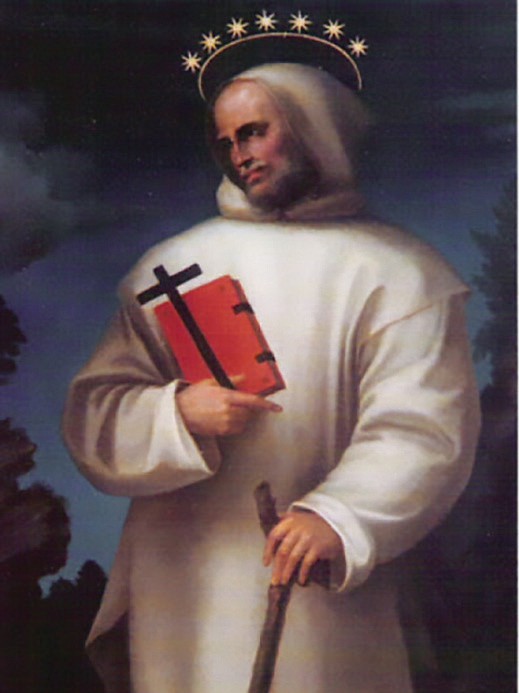
Under the leadership of Saint Bruno, the monks lived in isolation from each other, in separate cells. The roles they adhered to were stricter than even the Discalced Carmelites. Only few could endure this strict life for long. Many regarded these great souls as some of the greatest helpers of the world, thanks to their holiness and renouncement. They are known as “white” or “silent” friars after their clothes and purity, since apart from voicing ritual Church songs and prayers they didn’t speak at all. They are also known as the “Vigil-keepers of Eternity” since they often kept vigils. They woke at 11 o’clock at night and remained awake every night until 2 o’clock in the morning, singing hymns and vigilantly safe-guarding the world. Their rules prohibited all forms of sensual joys, even harmonious singing and the use of instruments. They tried to focus on God with all their might, severing all ties with the outside world. The first charter house community lasted for 6 years, since Saint Bruno was called to Rome by Pope Urban II.
Saint Bruno demonstrated a great feat of humility to all by leaving behind the greatest work in his life and obeying the call of the Pope. The flock quickly dispersed after it was left by its master. The pope never allowed Saint Bruno to return to Chartreuse, but he did allow him to establish the Santa Maria Della Torrei hermitage in the Italian Alps. Here it was that Bruno died on the 6th of October, 1101 after assuring his disciples that they have all it takes to carry on without their master and live their lives in strict isolation. The traditions of the Chartreuse charter house were only recorded in writing after the death of Saint Bruno. The tenacity of the Carthusian monks is made evident by the fact that none of their monasteries were dispersed during the time of the Reformation and the splinter within the Church, and when the Pope wished to lighten the ordinances of the order, the monks stood up as one for their old rules.
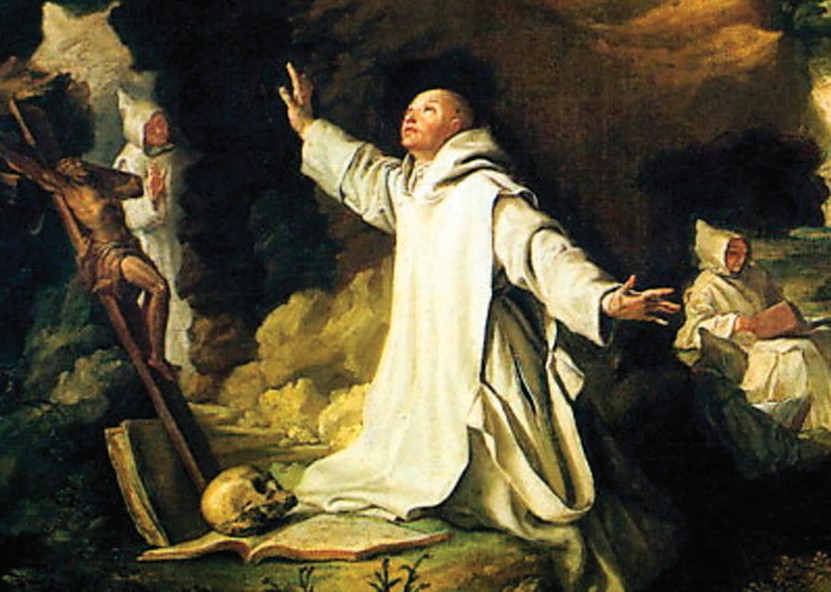
“I live in solitary wilderness, far from people’s residences, in the company of my fellow monks, including a number of knowledgeable people who persist through their prayers in the night, awaiting the return of the Lord, so the door would be open when he knocks…”
(excerpt from Saint Bruno of Cologne’s letter to R. Viridis)
“These people, whose prayers rise up to God, the One Above Us All, whilst others sleep or indulge in bodily pleasures, are the vigil-keepers of eternity. They keep their vigil together through the night with the angels and the shepherds from the pastures of Bethlehem.”
(Emil Baumann’s notes on the nightly chantings of the Carthusians)