
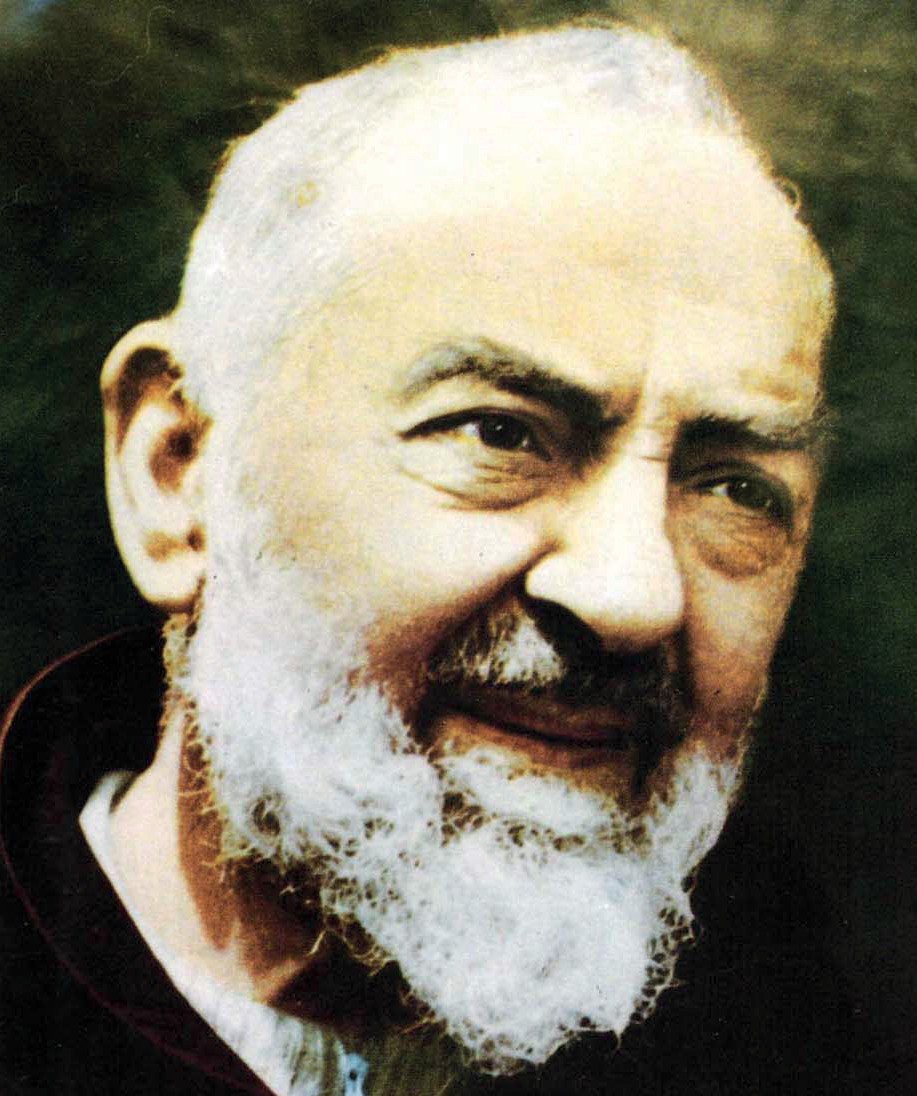
Saint Pio of Pietrelcina
1887–1968, Italy
Padre Pio was a Franciscan monk and one of the most well-known Catholic saints of the twentieth century. He was born Francesco Forgione on the 25th of May, 1887 in a family of eight in Southern Italy. His life was a peculiar mystery, founded on the shining example of Christ’s sacrifice. He labored to ennoble the souls of the people around him: he trying purging them of anxiety, doubts and other impurities through confessions and other methods. He was gifted with a special kind of clairvoyance. There are a great number of stories supported by witnesses of his ability to precisely tell what is happening to other people from a distance. He foresaw the future and he knew what lies in people’s souls. As he put it, “God lets me take a peek of his notes from time to time”. His stigmata and his peculiar abilities attracted the attention of the Church and layman alike, although some thought he was a cheat. He was forbidden to hear the confessions of people for some time and in fact, he was even placed under a special form of house arrest. Padre Pio endured all of this obediently and with great humility. Still, he was fraught with illnesses throughout his life.
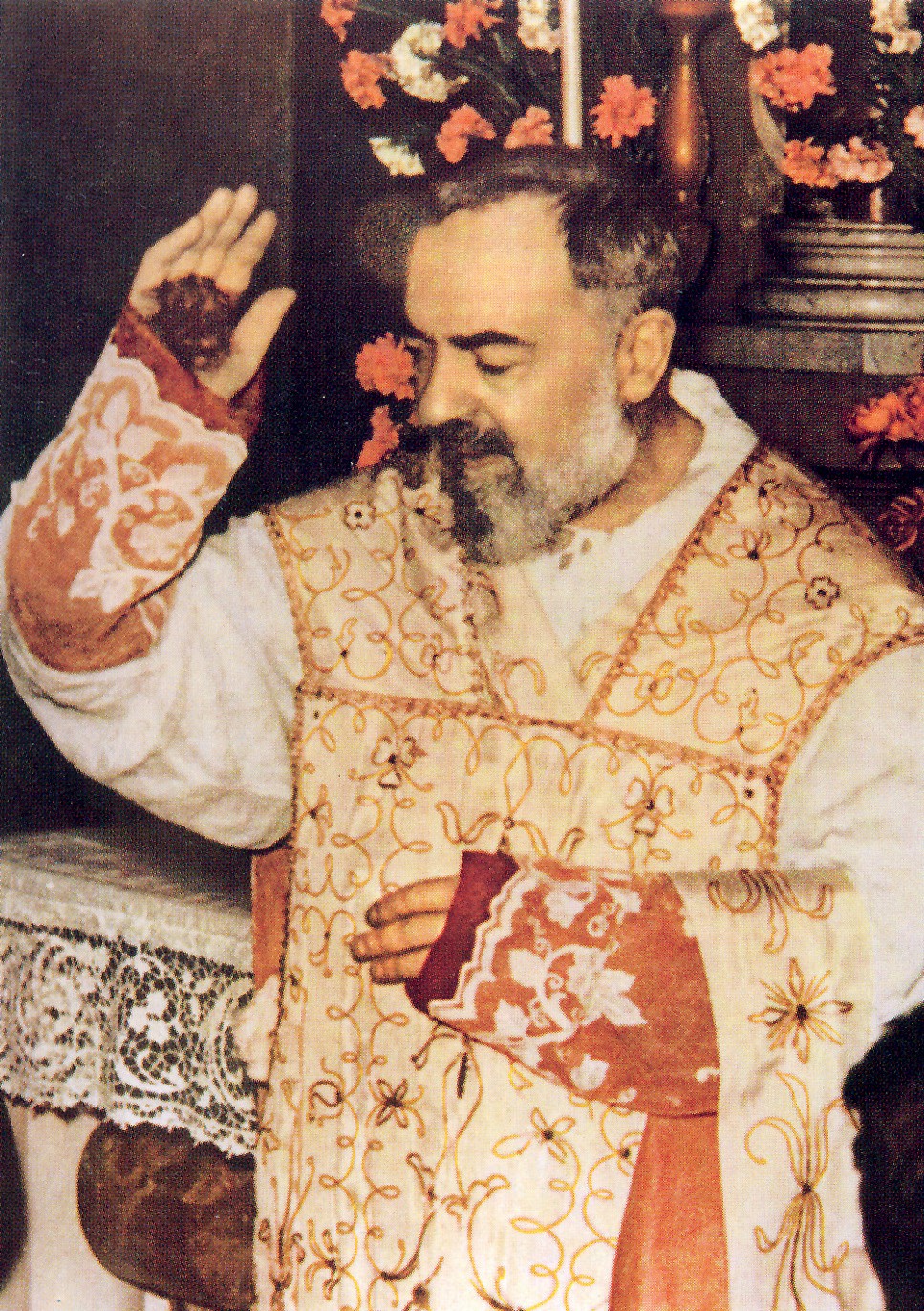
Sometimes the thermometer supposedly cracked when measuring his fever, while the water thermometers climbed as high as 48 degrees Celsius. His ailments where supposedly mystical illnesses, which allowed him to take over the sufferings of others. It must have been hard to live with him, since according to the descriptions, he was often “fighting the devil” at night: apart from the spiritual temptations, he experienced something akin to physical blows and experienced a great deal of suffering. His masses were held in a deep, mysterious atmosphere, during which he often feel into ecstasy or fell unconscious. He was sometimes so overwhelmed with tears by the holy sacrifice that he was found standing in puddles of water. He was diagnosed with a fatal illness at twenty-four years of age, yet he miraculously recovered after 40 days of fasting, prayer and a host of temptations. His body bore the same stigmata which Francis of Assisi and other saints carried and due to a number of other coincidences, many thought that Padre Pio was a reappearance of Saint Francis’s spirit on Earth. It is rare even amongst stigmatized saints for someone to carry all the marks of Christ’s suffering. However, this was exactly what they witnessed in the case of Padre Pio – similarly to Saint Francis. Although he tried hiding the holy wounds, he lost so much blood that he was unable to keep them a secret. His blood oozed through the wounds every day for fifty years, which according to the witnesses and medical records had a dark crimson color and a faint fragrance.
They claimed that Padre Pio took up the suffering of mankind: as the Lord’s servant he bore the wounds of Christ and redeemed the people around them from their sins. The sources also often mention the phenomenon of bilocation in relation to the priest: he was spotted in numerous locations at the same time (for example, he heard the confessions of people in Rome while attending meetings in Rotondo). Despite his suffering, he was known as a cheerful man, charged with a great love of life, and had a knack for getting along with common people. In his final decades one could only meet him after waiting months for an appointment, since he was flooded by tens of thousands of people. He heard the confessions of people for long hours and he regarded this as one of the most important tasks in his life. He spent the second half of his life in San Giovanni Rotondo, where he established a hospital and founded prayer groups, and never rested while faced with suffering and the needy. Padre Pio died on the 23rd of September, 1968 – the 50th anniversary of the appearance of the stigmata. The town became a holy pilgrimage site and is one of the most frequented religious centers in Europe, visited by over 8 million pilgrims a year.
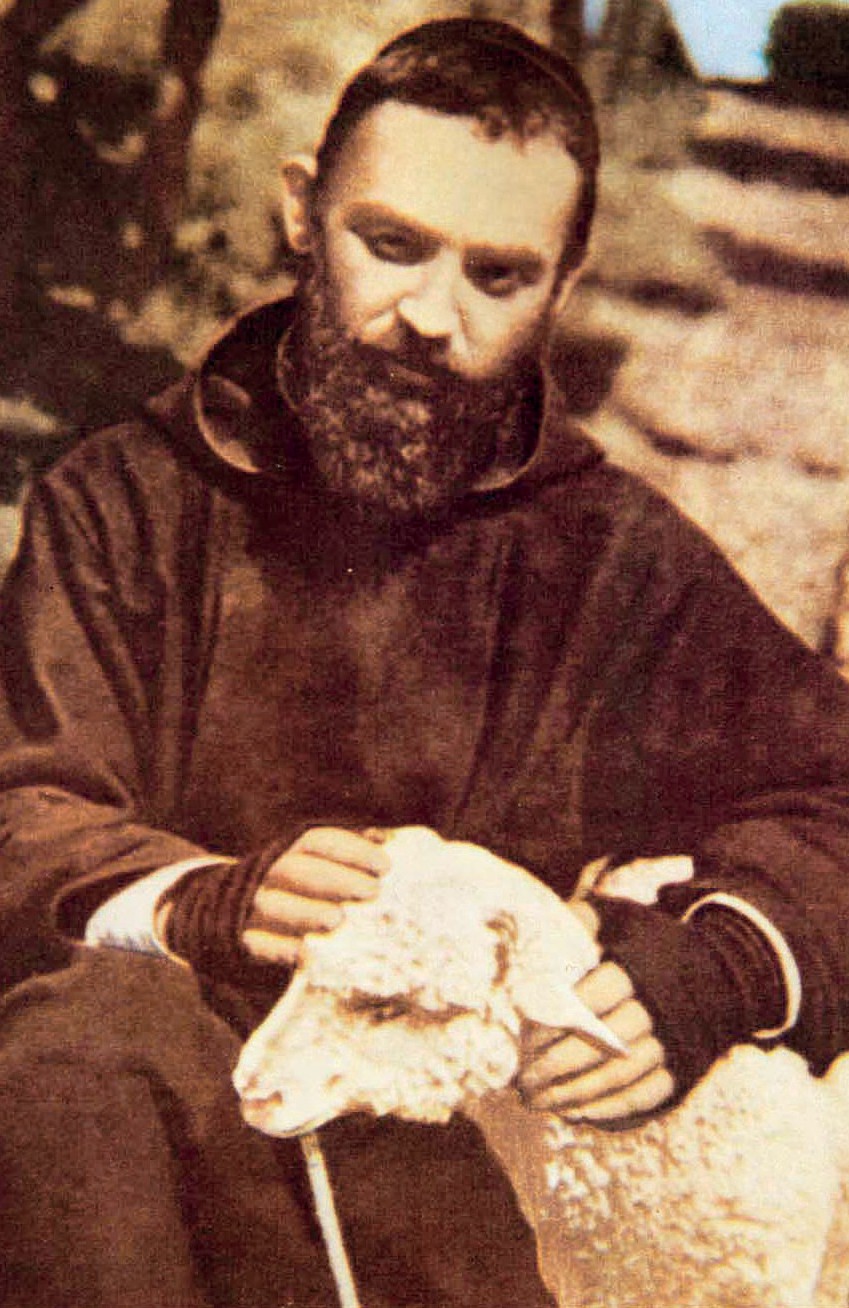
“He who begins to love must be ready to suffer. … Great souls always loved to suffer. This is the greatest companion to creation after downfall so the soul could rise a new. Pain is one of the embracing arms of end- less love – for our rebirth.”
“Vanity is the enemy of the soul. We can rightfully say that vanity gnaws upon the souls longing for perfection like a moth. The saints said that vanity is the moth of holiness.”
“Be careful and never despair if you should suffer from an illness of the soul. If God allows you to wilt, it is not to lose yourself but to restore your humility and to be more attentive in the future.”
“There is no salvation without blood. No one can take part in Christ’s work as the savior without suffering.”



